Can a Concrete Pool Pop Out Of the Ground? The Surprising Truth
Published on: December 29, 2025 | Last Updated: November 17, 2025
Written By: Rachael Weatherbottom
Yes, a concrete pool can lift or “pop” out of the ground due to hydrostatic pressure – upward force from groundwater under the pool shell. This occurs when water-saturated soil pushes against the pool structure, overpowering its weight. Risks spike during heavy rains, rapid snowmelt, or improper draining. Soil type, drainage design, and seasonal changes all influence this risk. If your pool shows cracks, shifting deck tiles, or unexplained water pooling nearby, it might be vulnerable.
We’ll break down the science behind pool floatation and why concrete pools face unique challenges. You’ll learn how groundwater interacts with your pool’s structure, why clay soil behaves like a sponge during storms, and how winter frost can turn solid ground into a lifting force. Real-world examples show how small drainage mistakes lead to major repairs costing $8,000-$15,000.
This guide covers warning signs like tilting coping stones or sudden plaster cracks. You’ll get actionable solutions: installing French drains, optimizing backfill materials, and maintaining safe water levels year-round. Whether you’re troubleshooting a shifting pool or planning preventive measures, we’ll help you keep your pool securely anchored.
Introduction to Pool Floatation Risks
Concrete pools carry a hidden risk many owners overlook: the possibility of upward movement due to groundwater forces. Though built to last decades, these structures face unique threats from shifting soil and water pressure beneath the surface. The phrase “concrete pool pop out of ground” refers to hydrostatic lift overpowering the pool’s weight, causing partial or full displacement.
Crucial Winterizing Products

"The all-in-one solution for a guaranteed clear spring opening."
All-in-One Closing Chemical Kit
Winter demand is high - check stock

"The 'set & forget' option. This is the easiest winterizing I've ever done."
Simple 3-in-1 Winterizing Balls
Winter demand is high - check stock
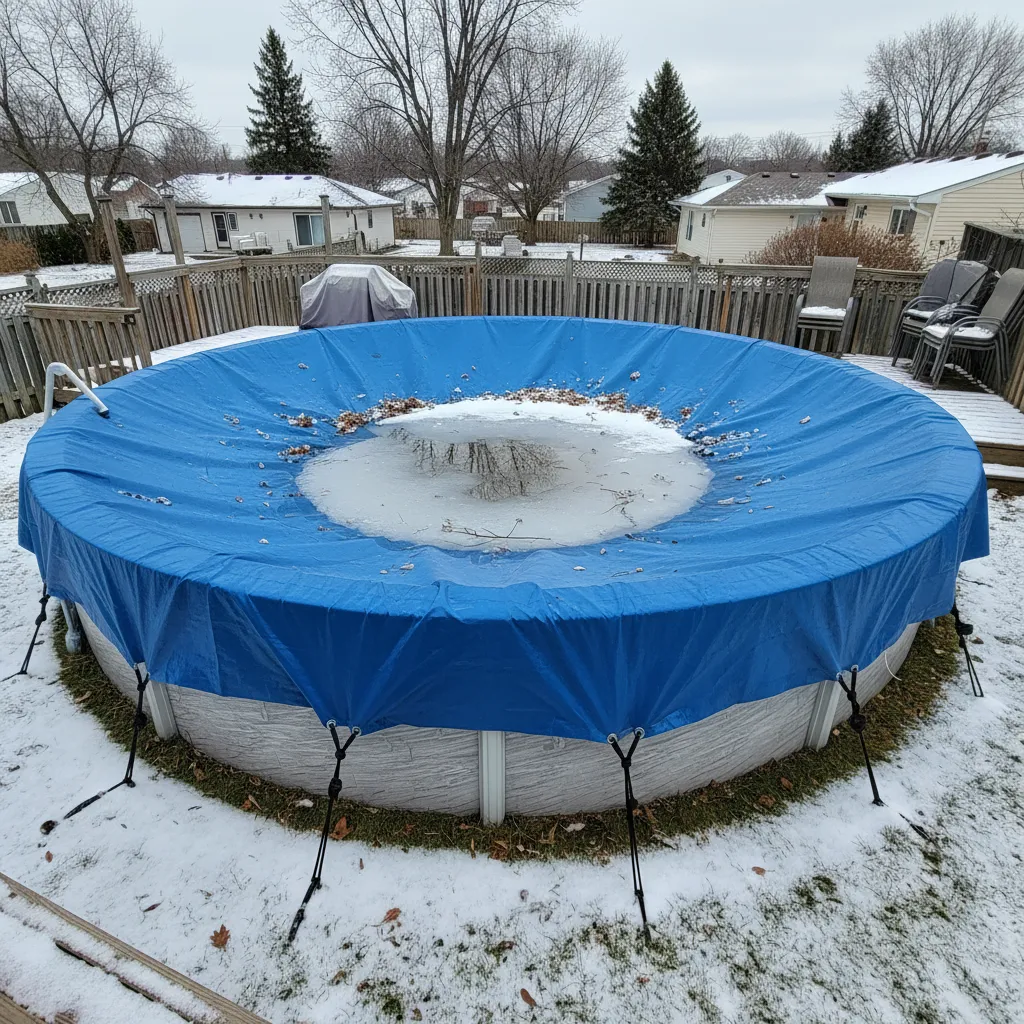
"Invest once to protect your liner and prevent a swamp in the spring."
Heavy-Duty Winter Pool Cover
Winter demand is high - check stock
Why Concrete Pools Are Vulnerable to Ground Shifts
Despite weighing 80,000-100,000+ pounds when filled, empty or partially drained concrete pools lack the mass to resist upward pressure. Groundwater acts like a hydraulic jack during heavy rains or rapid snowmelt, exerting 62.4 pounds per cubic foot of force. This pressure targets the pool’s floor and walls, seeking equilibrium. Combined with poor drainage or dense clay soils that trap water, even robust pools can shift.
Three factors amplify risks: material density, soil composition, and drainage design. Concrete’s porous nature allows water to penetrate microscopic cracks, weakening structural bonds over time. Expansive clay soils swell up to 10% when saturated, generating lateral force against pool walls. Without proper grading or French drains, water pools beneath the structure instead of channeling away.
Beyond material concerns, construction choices play a role. Pools built without hydrostatic relief valves or with improper backfill (like sandy loam instead of compacted gravel) create long-term vulnerabilities. These elements set the stage for scenarios where concrete pools floating become more than a theoretical risk.
Next, we’ll explore how water pressure interacts with pool mechanics – and why “popping out” differs from routine settling cracks.
Understanding Pool Floatation: Can Concrete Pools Pop Out?
Hydrostatic forces act as a hidden factor that can push a pool upward if not managed. This occurs when water builds up in soil surrounding a pool’s shell, creating upward thrust. Though concrete pools carry substantial mass—often 50,000 pounds or more—groundwater can still lift them if its upward push surpasses the pool’s downward weight.
The Science Behind Hydrostatic Pressure
Hydrostatic pressure refers to water’s ability to apply force on submerged structures. For pools, this means surrounding groundwater pushing against walls and floors. A cubic foot of water adds 62.4 pounds of lateral and upward load. In areas with a high water table, this load can hit 5-10 PSI, lifting pools if no drainage systems offset it. Hydrostatic relief valves, typically 4-inch pipes with gravel beds, allow water to flow under the pool, balancing internal and external forces.
Key Differences: Floating Vs. Structural Failure
Pool floatation involves uniform upward motion from hydrostatic lift, often leaving decks intact but tilted. Structural failure, by contrast, shows cracks in walls or floors from poor curing, thin gunite layers (under 6 inches), or rusting rebar. Look for diagonal cracks at corners or flaking plaster as signs of structural issues. Floating pools might tilt without major cracks, while structural flaws typically distort the shell’s shape.
Primary Causes Of Concrete Pool Floatation
Three factors commonly trigger floatation: water pressure shifts, soil behavior, and construction shortcuts. Spotting these risks early can stop costly damage.
Hydrostatic Pressure From Groundwater
After heavy rain or rapid snowmelt, water saturates soil, increasing pressure on a pool’s shell. If drain systems clog or lack capacity, this force builds until it lifts the structure. A pool weighing 80,000 pounds needs just 1.5 feet of water under its floor to start floating—a common scenario in flood-prone zones. Keeping a pool warm and ready for use can help reduce problems related to sudden weather changes. One effective solution is using a solar blanket to retain heat and prevent water evaporation.
High Water Table Risks
Homes in low-lying regions or near lakes often sit on soil with a water table less than 10 feet deep. This allows groundwater to rise quickly during storms. Installing a sump pump or curtain drain can divert water, cutting hydrostatic load by up to 70%.
Soil Instability and Composition
Soil type dictates how water moves around a pool. Sandy soils drain fast but lack stability, while clay holds moisture, swelling up to 15% when wet. This swelling, called “soil heave,” adds lateral stress to pool walls, compounding hydrostatic risks.
Clay Soil Expansion Issues
Clay’s plasticity index (PI) measures its swell potential. PI above 25 signals high risk. In such soils, adding a 12-inch gravel buffer around the pool or mixing lime into backfill can stabilize pH and minimize expansion.
Construction and Drainage Flaws
Quick-fix methods during building often lead to long-term floatation. Skipping compacting steps, using organic-rich backfill, or omitting perimeter drains all heighten risks. A study by the National Pool Tile Group found 43% of popped pools had substandard backfill.
Improper Backfilling Techniques
Backfill should consist of granular material like crushed stone, compacted in 6-inch layers. Using clay or topsoil traps moisture, creating voids that fill with water. Properly compacted backfill achieves 95% Proctor density, a standard for soil stability.
Spotting early warning signs, such as puddling near coping or tilting deck slabs, allows for timely fixes. Upcoming sections will outline how to identify risks and apply solutions to keep your pool grounded.
Also See: Can You Paint a Plaster Pool? A Quick Overview
Can Draining a Pool Cause It to Pop Out?
Emptying a concrete pool without proper precautions creates one of the most common scenarios for floatation. Water inside the pool acts as a natural counterweight to groundwater pressure pushing upward. Remove that weight, and the structure becomes vulnerable to hydrostatic forces beneath the shell.
Risks Of Emptying an Inground Pool
Draining a pool completely eliminates over 8 pounds per gallon of downward force that keeps the structure grounded. Groundwater levels above 50% of the pool’s depth can generate enough upward pressure to lift a standard 16×32-foot pool by several inches. Clay-heavy soils exacerbate this risk, as they trap moisture and expand. Even a partial drain during wet seasons may trigger shifting if sump pumps or drainage systems aren’t active. In the context of keeping the pool covered during rain, it’s important to consider how rain can quickly raise groundwater levels. Keeping the pool covered during rain can help maintain stability and prevent unwanted lifting.
When and How to Safely Drain Water
Never drain a pool during rainy periods or when the water table is high. Schedule drainage for dry weather, and monitor groundwater levels with a simple borehole test: dig a 12-inch-deep hole 10 feet from the pool. If water seeps in within 30 minutes, delay the project. Use a submersible pump to maintain a 1:1 ratio—for every foot of water removed from the pool, pump out an equal volume from the surrounding soil. Leave at least 12 inches of water in shallow areas to add weight. Similarly, when it comes to hot tubs, timing and careful planning are key. Draining your hot tub should also be done during dry conditions to prevent complications.
Winter Risks: Frost Heave and Groundwater Shifts
Concrete pools face unique threats during freeze-thaw cycles. As temperatures drop, waterlogged soil expands, while ice formation under the pool deck creates lateral pressure. These forces combine to push the structure upward—sometimes with enough strength to displace tons of concrete.
How Freezing Temperatures Impact Pool Stability
Frost heave occurs when moisture in the soil freezes, expanding by 9% in volume. This expansion lifts the pool shell unevenly, often causing cracks in the concrete or tilework. In areas with a high water table, frozen groundwater forms ice lenses—thick layers of ice that generate up to 30,000 pounds per square foot of upward thrust. Pools built on sandy or gravel-based soils are less prone, while clay or silt soils heighten the risk.
Preventing Frost-related Floatation
Keep the pool filled during winter—water acts as a thermal mass to slow freezing. Add a safety cover rated for snow loads up to 70 lbs/sq ft. Install frost-proof hydrants or auto-fill devices to maintain water levels. For added protection, insulate the pool’s perimeter with 2-inch extruded polystyrene foam boards buried 18 inches deep. This blocks heat transfer between the soil and cold air. Additionally, maintaining water quality is important for pool enjoyment. Keeping mosquitoes away from the pool is essential for a pleasant swimming experience.
Signs Your Concrete Pool May Be at Risk Of Floating
Early detection of floatation risks can prevent catastrophic damage. Watch for these physical markers that signal shifting forces beneath the pool.
Cracks in Pool Shell or Deck
Vertical cracks wider than 1/8 inch in the pool walls or diagonal fractures in the deck often indicate uneven lifting. Check for separation between the coping and deck—gaps larger than 1/4 inch suggest movement. Use a coin to test: if a quarter fits into a crack, contact a structural engineer. As winter approaches, it’s important to think about how pool floats are stored. Proper storage will help keep your pool floats in good condition until next summer.
Water Accumulation Around the Pool
Puddles that persist for over 24 hours after rainfall signal poor drainage. Saturated soil increases hydrostatic pressure by up to 62.4 lbs per cubic foot. Install a pop-up emitter system with a 4-inch perforated pipe around the pool to redirect water 10-15 feet away from the shell. Maintaining proper drainage is important not just for your yard, but also for your pool. A water seep pool cover can help prevent excess water accumulation and protect your pool from damage.
Visible Shifting Of Coping Stones
Coping stones that tilt or sink more than 1/2 inch reveal ground movement. Use a laser level to check for elevation changes across the pool’s edge. If multiple stones shift toward the center, the pool may be rising. Temporary fixes like epoxy injections won’t solve this—professional rebalancing of hydrostatic pressure is needed. Ensuring your pool is stable can also help improve its filtration system. Increasing pool skimmer suction can keep your pool clean and free of debris.
Recognizing these signs early allows for timely intervention. Next, let’s explore proven methods to anchor your pool against floatation forces.
Preventive Measures to Keep Your Pool Grounded
Stopping a concrete pool pop out of ground scenario starts with smart design choices and consistent maintenance. These strategies target the root causes of floatation: hydrostatic pressure shifts and soil instability. An important aspect of pool maintenance involves the backwash process. A long backwash pool can help efficiently manage water and pressure during maintenance tasks.
Optimizing Drainage Systems
Proper drainage redirects groundwater away from the pool shell, balancing pressure. Systems should move 20-30 gallons of water per minute during heavy rainfall to prevent buildup. This is important for maintaining a safe pool environment. Knowing how many gallons a 21-foot round pool holds can help in assessing proper drainage needs.
Installing French Drains or Pop-Up Systems
French drains use perforated pipes surrounded by gravel to collect and channel groundwater. Positioned 2-3 feet from the pool’s edge at a 1% slope, they protect against saturation. Pop-up systems add automated emitters that activate when water reaches critical levels, ideal for areas with clay soils expanding up to 10% when wet.
| Drain Type | Cost | Best For |
|---|---|---|
| French Drain | $10-$15/ft | Moderate water tables |
| Pop-Up Drain | $25-$35/ft | High-risk flood zones |
Maintaining Safe Water Levels
Never drain a concrete pool completely without consulting a pro. Keep at least 3 feet of water (1,125 lbs/sq ft pressure) to offset groundwater forces. During rainy seasons or high water table periods, maintain levels within 6 inches of normal. Proper water levels are crucial for the safety and integrity of your pool. This is especially important when considering long build pools that require careful planning and management.
Soil Stabilization Techniques
Soil with 95% Proctor density (measure of compaction) resists shifting. Poorly compacted backfill can settle 2-4 inches, creating voids where water pools.
Compaction and Grading Best Practices
Use vibratory plate compactors in 6-inch soil layers during installation. Grade the surrounding area at a 2% slope away from the pool – 1/4 inch per foot over 8 feet. For clay-heavy soils, mix in 40% sand or install geotextile fabrics to limit expansion.
What to Do if Your Pool Starts to Float
Even with precautions, extreme weather or sudden groundwater surges can threaten pool stability. Quick action prevents costly concrete pool pop out of ground repairs.
Immediate Steps to Minimize Damage
If coping stones shift or deck cracks appear, refill the pool immediately at 1 inch per hour to avoid shell stress. Run sump pumps at 15-20 feet from the structure to lower the water table without destabilizing surrounding soil. Proper maintenance is also important for long drain pools. These pools utilize a different drainage system that helps manage water levels more effectively.
Professional Repair Options
Contractors use laser levels to detect elevation changes as small as 1/8 inch. For pools that have lifted under 2 inches, hydraulic jacks can reposition the shell before anchoring it with helical piers.
Rebalancing Hydrostatic Pressure
Installing a hydrostatic relief valve ($350-$600) in the pool floor allows groundwater to enter during droughts, preventing upward pressure. For severe cases, engineers may drill relief wells ($2,500-$5,000) around the perimeter to maintain equilibrium. Choosing the right automated systems can also help in managing pool water levels effectively. It’s important to consider the costs associated with automated pool valves to ensure proper maintenance and prevention strategies.
While these methods address immediate threats, long-term solutions require evaluating your pool’s unique risks – a perfect lead-in for our FAQ section on specific scenarios.
Frequently Asked Questions
Does Homeowners Insurance Cover Pool Floatation Damage?
Most standard policies exclude coverage for hydrostatic lift damage unless specifically endorsed. Floatation is often classified as “ground movement,” similar to earthquakes or landslides. Review your policy for “inground pool collapse” riders or add separate flood insurance if you’re in a high-risk area. Document drainage systems and soil tests to strengthen claims.
Can Landscaping or Slopes Increase Floatation Risks?
Yes. Trees within 15 feet of a pool can destabilize soil by absorbing groundwater unevenly, creating voids. Sloped yards (grades over 10%) may channel rainwater toward the pool. Avoid planting water-hungry species like willows nearby, and use retaining walls with weep holes to manage runoff on inclines.
Are Coastal or Floodplain Areas Higher Risk for Pool Floatation?
Coastal zones with shallow water tables (3-5 feet below surface) and regions with 50+ inches annual rainfall face elevated risks. Clay-rich areas like the Texas Blackland Prairie or Louisiana coastal plains are hotspots. Always conduct a percolation test before building—soil absorbing less than 1 inch/hour needs engineered drainage solutions.
Final Thoughts on Managing Pool Floatation Risks
Concrete pools can pop out of the ground under extreme hydrostatic pressure, but proactive measures significantly reduce the risk. Groundwater shifts, soil instability, and improper drainage are the main culprits. Addressing these factors early prevents costly damage.
Monitor water levels, optimize drainage, and stabilize surrounding soil. Never leave a pool empty for extended periods, especially in high-water-table areas. Winterizing with proper covers and maintaining partial water levels helps combat frost heave.
For precise calculations on water displacement, drainage needs, or soil load capacity, try My Pool Calculator. Our tools help you make informed decisions to keep your pool securely grounded year-round.
Stay vigilant—regular inspections and timely interventions ensure your concrete pool stays where it belongs.
Additional Resources for You:
- CDC – Healthy Swimming & Pool Safety Guidelines
- Pool Pops Out of the Ground
- How Long Can You Leave Your Concrete Pool Empty? Expert Answers
- Can A Fiberglass Pool Pop Out Of The Ground?
- Can Fiberglass Swimming Pools Pop Out of the Ground? – Latham Pool
A pool care geek who’s been testing water chemistry since she was tall enough to reach the skimmer.
Concrete & Plaster, Crack Repair, Pool Material Care