
Are HOA Swimming Pools Open to the Public?
Published on: December 19, 2025 | Last Updated: November 17, 2025
Written By: Rachael Weatherbottom
HOA swimming pools are private amenities reserved for residents and their approved guests, not public spaces. Unlike municipal pools funded by taxpayer dollars, these facilities operate through homeowner association fees and membership agreements. Access depends on your status as a resident, tenant, or authorized visitor within the community governed by the HOA.
This article explains how HOA pool classifications work and why it matters for your rights. You’ll learn how ownership models in planned communities affect pool rules, what state laws say about accessibility, and where guests stand under typical HOA policies. We’ll break down state-specific laws in Florida, California, Texas, and Illinois – including 2023 regulatory updates affecting liability and access.
You’ll also find practical details about installing private pools in HOA neighborhoods. Discover common restrictions on pool size, fencing types, and noise levels. We’ll explore maintenance responsibilities for shared pools versus personal ones, including safety compliance standards for drain covers, chemical levels, and lifeguard requirements. By the end, you’ll know exactly where your community pool stands legally – and what rules apply to your backyard oasis.
Understanding HOA Swimming Pool Classifications
Sorting out if a pool is public or private in a community with a HOA isn’t always straightforward. Most HOA aquatic spots fall into a gray area between fully public and fully private, with access hinging on local laws and community guidelines. Sorting through ownership rights and usage rules forms a critical part of this analysis. When thinking about pools, some people consider building their own. A DIY fiberglass pool can be a great option for those who want a personal oasis in their backyard.
Crucial Winterizing Products

"The all-in-one solution for a guaranteed clear spring opening."
All-in-One Closing Chemical Kit
Winter demand is high - check stock

"The 'set & forget' option. This is the easiest winterizing I've ever done."
Simple 3-in-1 Winterizing Balls
Winter demand is high - check stock
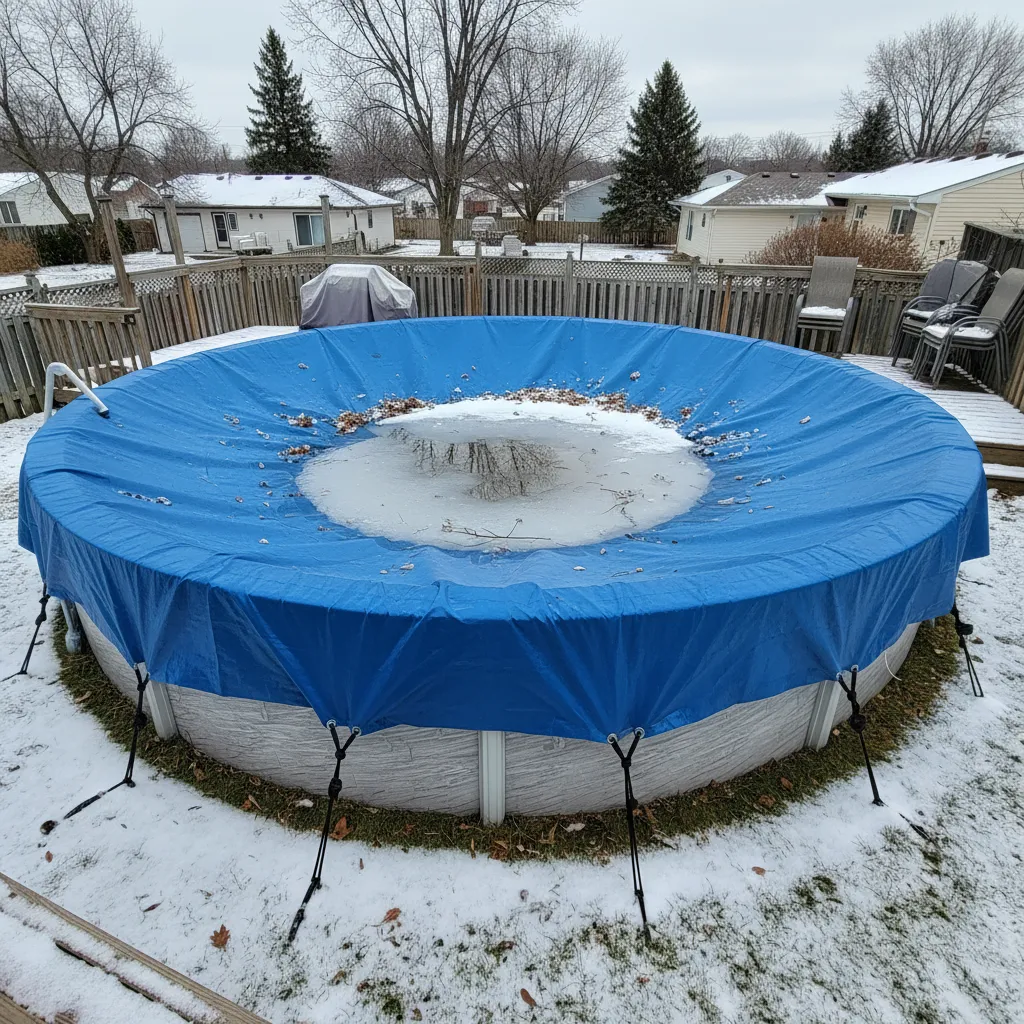
"Invest once to protect your liner and prevent a swamp in the spring."
Heavy-Duty Winter Pool Cover
Winter demand is high - check stock
Defining Public Vs. Private Pools in HOA Communities
Public pools typically allow access to any individual, regardless of residency, and might obtain funds through municipal taxes. In contrast, HOA aquatic facilities usually function as private amenities. Funding comes directly from HOA dues paid by property owners, with access limited to those living in the community or following specific guest protocols. Key distinctions include:
- Ownership: HOA pools stay under control of a private corporation (the HOA), not a city or county
- Access: Gated entry, keycards, or wristbands limit who can enter
- Amenity type: Lap pools or splash pads might follow different rules than resort-style pools
For instance, a community with a 25-meter lap pool might allow access only during posted hours, while a lagoon-style pool could impose stricter guest limits. Variations depend on HOA bylaws drafted during community development. A well-maintained pool can provide a refreshing escape. A clear green pool invites swimmers to enjoy a serene and beautiful environment.
Legal Status Of Hoa-operated Swimming Facilities
HOAs function as private corporations, making their aquatic spots legally private property. This status impacts liability, maintenance duties, and compliance with laws like the Americans with Disabilities Act (ADA), which mandates accessibility features for public spaces. Since HOA pools aren’t open to all, ADA requirements might apply only if a facility hosts public events or allows outside groups to rent it.
Insurance also plays a role. A typical HOA pays $1,500-$3,500 annually for pool liability coverage, with costs rising if courts classify the pool as semi-public. Legal disputes often arise when non-residents claim access rights, particularly in mixed-use developments where retail spaces sit near homes. A 2021 Florida case saw a judge rule against public access to an HOA pool adjacent to a shopping plaza, citing clear boundaries in property deeds.
Now that classifications are clear, how do ownership models and membership rules shape who can take a dip?
Key Factors Determining Pool Accessibility
Whether an HOA swimming pool falls into public or private categories depends on two primary elements: ownership structure and membership rules. These factors shape who can use the pool, when, and under what conditions. Pool maintenance is important for all users. Coagulation helps keep pool water clean and clear.
Ownership Models in HOA Communities
HOA pools are typically classified as either common-element or exclusive-use facilities. Common-element pools are owned collectively by all homeowners through mandatory membership fees, granting equal access to residents. Exclusive-use pools, often found in planned developments with multiple sub-associations, restrict access to specific neighborhoods or phases. For example, a 300-home community might have three smaller pools managed by separate HOAs, each serving 100 homes.
Ownership models directly impact maintenance costs. Shared pools divide expenses across all members, while exclusive models may require separate budgets. Check your community’s CC&Rs (Covenants, Conditions, and Restrictions) to confirm pool ownership rights. A well-maintained pool enhances the overall experience for everyone involved. Bubbling pool jets can create an inviting atmosphere, adding relaxation and fun to any swimming area.
Membership Requirements for Pool Use
Access to HOA pools usually depends on active membership status. Residents must pay annual fees ranging from $200 to $1,500+ per household, depending on amenities. Some communities enforce tiered access—homeowners in good standing get full privileges, while delinquent accounts face blocked key fobs or suspended passes. When maintaining a community pool, water delivery costs can also come into play. These expenses can affect the overall fees that residents pay for pool access.
Guest policies vary widely. A 2022 survey of 500 HOAs revealed 62% allow 2–5 guests per household, while 18% charge $5–$15 per visitor. Short-term renters often receive limited access, with 74% of HOAs requiring leases of 30+ days for pool use.
Error: Invalid image ID.
State-specific Regulations for HOA Pools
While federal laws like the ADA (Americans with Disabilities Act) mandate basic accessibility, state codes heavily influence whether HOA pools operate as private or public spaces. These rules affect safety standards, liability coverage, and guest allowances.
Florida HOA Pool Laws and 2023 Updates
Florida’s Chapter 514 Public Swimming Pools Code classifies HOA pools as private if access is limited to residents and invited guests. A 2023 amendment requires pools with 2,000+ households to have at least one lifeguard on duty during peak hours or install automated external defibrillators (AEDs) within 300 feet of the facility. Pools not only provide a refreshing space for recreation, but they also contribute to higher energy usage. This increased energy consumption can lead to a notable rise in the pool electric bill for homeowners’ associations.
California HOA Pool Accessibility Standards
Under California’s Health and Safety Code §116045, HOA pools must meet ADA requirements if they’re open to more than 50 non-resident guests annually. This includes wheelchair ramps, pool lifts capable of lifting 300+ pounds, and braille signage. Communities violating these standards face fines up to $5,000 per incident.
Texas HOA Pool Compliance Requirements
Texas HOAs follow Title 25 §265.192 of the Health and Safety Code, which mandates monthly water testing and fencing at least 48 inches tall with self-latching gates. Pools serving 25+ homes must file annual safety reports with the Texas Department of Licensing and Regulation.
Illinois HOA Pool Liability Guidelines
Illinois requires HOAs to carry minimum liability insurance of $1 million per occurrence for pools under the Swimming Facility Act (410 ILCS 125). Communities allowing non-resident access must post warning signs in 24-point font listing pool hours, depth markers, and emergency contact numbers.
With varying state laws shaping pool operations, homeowners must also consider how access rights intersect with community bylaws.
Also See: Best Cruise Ship Pool for Your Next Getaway
HOA Pool Access Rights and Restrictions
Community pool access in HOA-governed neighborhoods hinges on membership status and governing documents. Most associations classify their pools as private amenities reserved for residents and approved guests, though exceptions exist based on local laws or shared funding models.
Guest Policies for Community Pools
HOAs typically cap guest access to 3-5 visitors per household daily, requiring resident supervision at all times. Some communities issue RFID wristbands or keycards tied to membership accounts to track usage. Violations may trigger fines up to $200 per incident, as outlined in Texas Property Code § 202.004 or Florida HOA statutes like SB 154.
Enforcement Of Pool Usage Rules
Associations employ security cameras, gate sensors, and scheduled patrols to monitor compliance with noise limits (often 75-85 decibels) and capacity rules. Repeat offenders risk 30-day access suspensions or liens in states permitting such penalties. California’s Davis-Stirling Act mandates written warnings before imposing fines for first-time infractions.
Private Pool Construction in HOA Communities
Homeowners seeking to install personal pools face layered approval processes. While 68% of HOAs permit private installations, strict design standards apply to preserve community aesthetics and safety. Creating a beautiful space around the pool can enhance its appeal. Thoughtful decorations can transform the area into a relaxing oasis.
Architectural Approval Processes
Applications require scaled blueprints, contractor licenses, and $500-$2,000 review fees. Committees assess materials, fencing heights (minimum 48″ in Florida), and drainage plans under guidelines like the ANSI/NSPI-5 2011 barrier code. Approval timelines range from 30-90 days, with denials appealable through mediation in Illinois and 12 other states.
Common HOA Restrictions on Private Pool Installation
Rules often prohibit above-ground pools larger than 12’x24′, saltwater systems in Arizona HOAs, or night lighting exceeding 500 lumens. Setbacks from property lines vary by state—10 feet in Georgia vs. 5 feet in Nevada. Some communities ban diving boards or slides to limit liability risks tied to homeowner insurance policies. It is important for tenants to know these rules when considering pool options. A tenant install pool can provide a fun way to enjoy summer while staying within community guidelines.
Maintenance Responsibilities for HOA Pools
Association-managed pools require daily pH testing (7.2-7.8 range), weekly backwashing of DE filters, and monthly drain inspections per Virginia Graeme Baker Act mandates. Homeowners fund these tasks through quarterly dues averaging $200-$600, while private pool owners handle their own upkeep unless CC&Rs specify shared wall maintenance splits. Managing pool upkeep can lead homeowners to consider the overall expense of installing their own small inground pool. Small inground pool costs often involve initial installation fees as well as ongoing maintenance expenses.
Routine Care Requirements Under HOA Governance
Contracts with licensed service providers cover chlorine shock treatments (1-3 ppm levels), tile scrubbing, and pump repairs. Texas HOAs must document chemical logs for 2 years under Health and Safety Code § 341.064. Winterization in northern states like Michigan involves November-April closures with safety covers rated for 485 lbs/sq ft snow loads.
Pool Safety Compliance Measures
All communal pools need ADA-compliant lifts, 4-sided fencing with self-latching gates, and CPR-certified staff during peak hours in California. Depth markers must use 4″ high letters per ASTM F2208 standards. Associations failing to replace broken anti-entrapment drain covers within 72 hours risk fines up to $5,000 under federal law. Ensuring safety around pools is crucial for communities. An above ground pool fence can provide an additional layer of protection for children and pets.
With maintenance protocols established, homeowners often question how these standards intersect with liability concerns during pool-related incidents.
Frequently Asked Questions (FAQ)
Can Non-residents Ever Use HOA Pools Without Resident Supervision?
Most HOA policies prohibit unsupervised non-resident access unless explicitly permitted for specific scenarios like contracted maintenance workers or emergency personnel. Exceptions may apply if pools are funded through public-private partnerships, though this requires explicit language in community bylaws.
Do HOA Insurance Policies Cover Private Pool Accidents?
HOA master policies typically exclude coverage for privately owned pools. Homeowners must secure separate liability insurance, with most states requiring minimum coverage of $300,000–$500,000. Association policies only apply to communal facilities maintained through HOA fees. To protect your investment, consider the importance of having proper protective measures in place. A tarp under the pool can provide additional safety and help prevent damage to the ground below.
How Do ADA Requirements Differ for HOA Pools Versus Municipal Pools?
While municipal pools must comply with full ADA accessibility standards, HOA pools face reduced requirements unless hosting public events. Communities with 15+ units need only one accessible entry point (pool lift or ramp), whereas public pools require multiple access features under Title III regulations.
Can Hoas Permanently Ban Homeowners From Communal Pool Access?
Associations may suspend access for repeated rule violations but cannot permanently revoke rights tied to property ownership. Suspension periods vary by state—Florida caps penalties at 60 days annually (FS 720.305), while Texas allows indefinite bans for safety violations under Property Code §202.006.
What Design Features Are Prohibited for Private Pools in Hoas?
Common restrictions include infinity edges (banned in 43% of coastal HOAs), dark-finish liners (deemed heat-inefficient), and automated wave systems. Some communities prohibit natural swimming ponds or chlorine-free filtration systems due to maintenance concerns. These rules help keep pools safe and enjoyable for everyone. Ducks can often be seen swimming in pools, bringing a touch of nature to these settings.
How Do HOA Pool Disputes Typically Get Resolved?
Most states mandate mediation first, followed by arbitration if unresolved. Arizona and Nevada require HOA dispute boards to review access denial cases within 45 days. Legal action becomes necessary only when bylaws contradict state statutes like California’s Civil Code §5200.
Closing Thoughts
HOA swimming pools typically fall under private classification, though accessibility varies by community rules and state laws. Ownership models, membership requirements, and local regulations all influence whether your community pool feels more public or private. From Florida’s updated statutes to Texas’ compliance codes, jurisdictional differences matter when evaluating pool rights.
Before installing a private pool or challenging access restrictions, review your HOA’s CC&Rs and consult state-specific guidelines. Proper maintenance and safety protocols remain critical whether managing a shared community pool or navigating approval for a personal installation.
For precise calculations on pool maintenance costs or chemical balancing in your HOA or private pool, explore the tools at My Pool Calculator. Our resources help simplify pool ownership—shared or otherwise.
Useful References for You:
- Pool & Hot Tub Alliance (PHTA). (2021). ANSI/APSP/ICC-11 Standard for Water Quality in Public Pools and Spas. Alexandria, VA: PHTA.
- The Most Essential HOA Swimming Pool Rules for Your Community – Kuester Management
- r/HOA on Reddit: Pool
- Is an HOA swimming pool which the owners and guests …
- Are HOA pools opening soon | TexAgs
A pool care geek who’s been testing water chemistry since she was tall enough to reach the skimmer.
Commercial Pool Maintenance