Can a Tenant Put Up a Pool? A Renter’s Guide to Installation &Amp; Care
Published on: December 31, 2025 | Last Updated: November 17, 2025
Written By: Rachael Weatherbottom
Yes, tenants can install pools in rental properties—but only under specific conditions. The legality depends on three factors: your lease agreement terms, state/local pool installation laws, and written landlord approval. Temporary above-ground options like inflatable pools (under 18 inches deep in some areas) may not require permits, while permanent in-ground installations often face strict regulations. Renters must also handle maintenance, liability coverage, and potential property restoration costs.
This guide breaks down everything from navigating lease clauses about “improvements” to calculating long-term costs with tools like My Pool Calculator. We’ll explore how local safety codes dictate pool fencing heights (usually 4-6 feet), why landlords might require $500,000+ liability coverage, and whether you can leave that intex frame pool behind when moving.
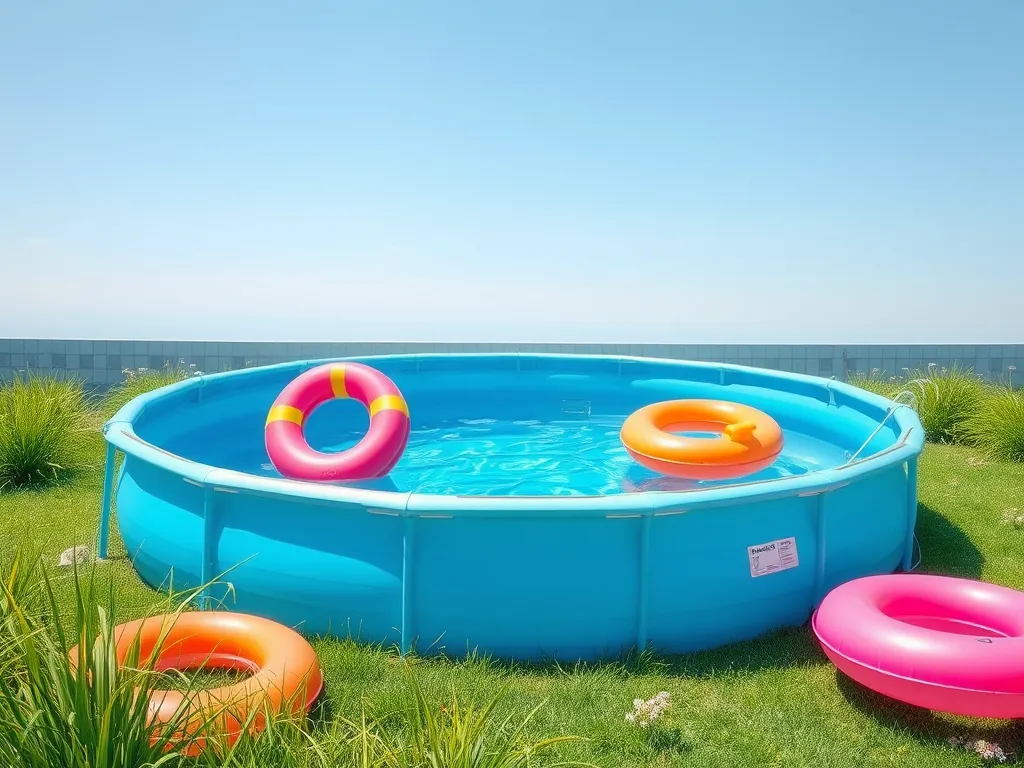
Still unsure if that 12-foot kiddie pool needs permission? We’ve got answers. Learn how to draft a persuasive permission letter, why some cities ban pools in multi-unit complexes entirely, and what happens if your inflatable pool causes lawn damage. Plus, discover maintenance routines that keep both your landlord and local health inspectors happy.
Can a Tenant Legally Install a Pool in a Rental Property?
Understanding Lease Agreements and Pool Installation Rights
Lease terms dictate whether renters can modify the property. Most contracts include clauses prohibiting structural changes without written consent. Review your lease for phrases like “no exterior modifications” or “restrictions on permanent installations.” Even temporary above-ground pools might violate rules if they exceed size limits or require utility hookups. Tenants must obtain explicit permission before proceeding with any pool project.
Crucial Winterizing Products

"The all-in-one solution for a guaranteed clear spring opening."
All-in-One Closing Chemical Kit
Winter demand is high - check stock

"The 'set & forget' option. This is the easiest winterizing I've ever done."
Simple 3-in-1 Winterizing Balls
Winter demand is high - check stock
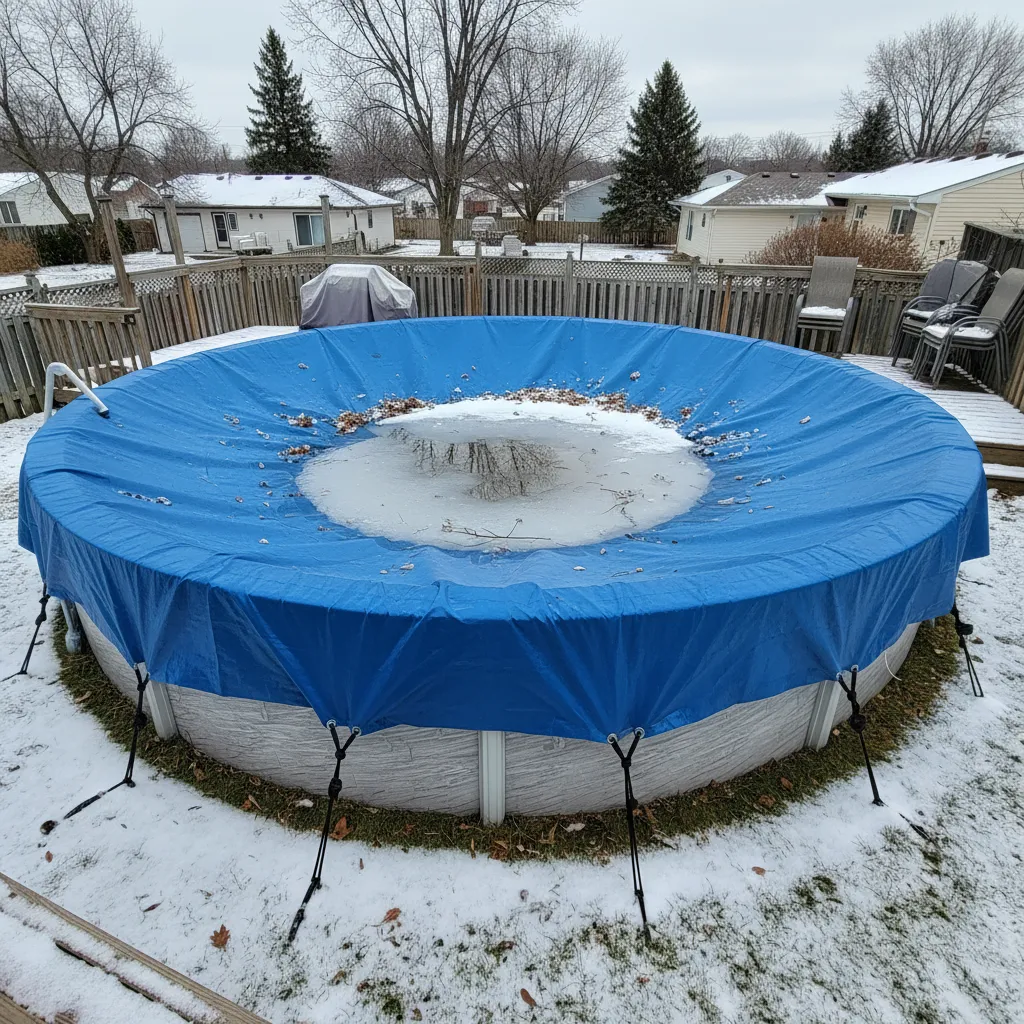
"Invest once to protect your liner and prevent a swamp in the spring."
Heavy-Duty Winter Pool Cover
Winter demand is high - check stock
State and Local Laws Impacting Tenant-installed Pools
Zoning laws often override personal preferences. Many municipalities classify pools deeper than 24 inches as permanent structures, triggering building code compliance. For example, Florida requires barrier fencing meeting specific height (4 feet minimum) and latch standards. Some cities ban above-ground pools entirely in rental zones. Check with local planning departments to verify setback rules, drainage requirements, and safety regulations before purchasing equipment.
Permit Requirements for Rental Property Pools
Installing pools often demands permits for electrical work, grading, or plumbing. In Phoenix, adding an in-ground pool requires $300-$500 in permits plus licensed contractor signatures. Landlords typically won’t authorize projects risking code violations. Tenants might cover permit fees but lack legal standing to file paperwork without the property owner’s cooperation. Unpermitted installations could result in fines up to $2,500 or forced removal.
Next, we’ll explore strategies for discussing pool plans with property owners while minimizing friction.
How to Request Landlord Permission for a Pool
Getting a landlord’s green light requires preparation and clear communication. Start by reviewing your lease for clauses about property modifications or outdoor structures. If details are unclear, craft a formal request addressing common landlord concerns.
Steps to Negotiate Pool Installation With Your Landlord
Begin with research: Check local zoning laws and permit rules for pools in your area. Draft a written proposal that specifies pool type (inflatable, above-ground), dimensions, and installation plans. Offer to cover liability insurance increases or suggest a lease addendum. Emphasize temporary setups—like steel-frame or inflatable pools—that leave no lasting impact. For example, a 12’x30” inflatable pool costs $150-$400 and can be dismantled in under two hours. When considering a more permanent structure, such as a pool house, it’s important to factor in expenses associated with building a pool house, which can vary widely based on size, materials, and design choices.
Factors Landlords Consider Before Approving a Pool
Landlords typically weigh liability risks, property damage potential, and local regulations. A pool increases slip-and-fall hazards, which could raise their insurance premiums by 10-15%. Permanent installations like in-ground pools often face rejection due to excavation costs ($50,000-$100,000+) and long-term maintenance. Many require renters to install safety barriers meeting ASTM International standards or add a security deposit of $500-$2,000 for damage coverage.
Above-ground Vs. In-ground Pools: What Renters Can Realistically Install
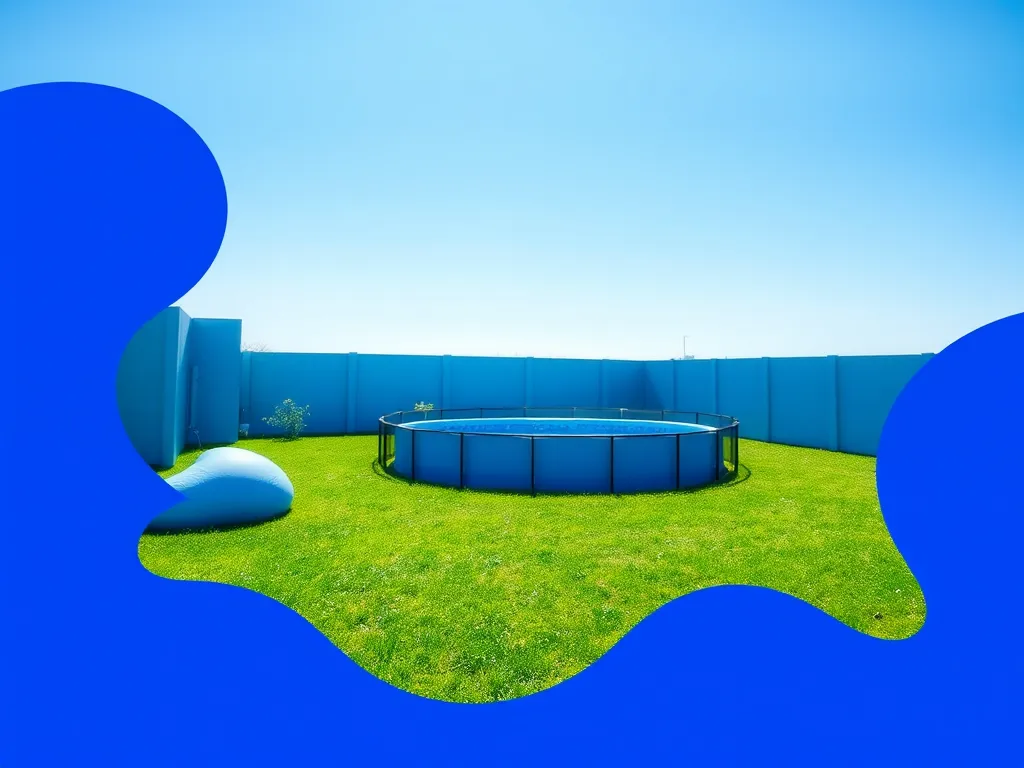
Renters face strict limits on pool types due to lease terms and property rules. While in-ground pools are rarely feasible, temporary above-ground options provide flexibility if approved. Ensuring safety around these pools is essential. An above-ground pool fence can help keep children and pets safe while enjoying your pool.
Temporary Vs. Permanent Pool Options for Tenants
Inflatable pools (3’ depth or less) and steel-frame setups are popular for renters—they require no permits in most states and can be stored during winter. Permanent structures like fiberglass shells or concrete pools are often banned in rentals due to property alteration risks. For instance, removing a 16’x32” above-ground pool costs $300-$800, while filling an in-ground pool can exceed $10,000. The costs of heating expenses can also add up quickly. Homeowners should consider both heating expenses and installation when planning their pool budget.
Space and Safety Requirements for Rental Property Pools
Measure your yard: A 15’ round pool needs 1,766 sq ft of clear space. Local codes may mandate fencing at least 4’ high with self-latching gates, even for inflatable pools over 24” deep. Keep pools 10’ from electrical lines, gas meters, or rental structures to avoid fire hazards. Renters in drought-prone areas like California or Arizona might face water-use restrictions—a 5,000-gallon pool could violate municipal limits. When choosing the size of your pool, it’s important to consider how many gallons it holds. A 10,000-gallon pool can provide plenty of space for swimming and fun for the whole family.
Before taking the plunge, renters must also assess how installation costs align with their budget and lease duration.
Also See: Do Above Ground Pools Need a Permit? Here’s What to Know
Cost Considerations for Tenants Installing a Pool
Adding a pool to a rental property involves more than initial setup costs. Renters must account for both immediate expenses and long-term financial commitments, which vary based on pool type, installation method, and local regulations.
Upfront Installation Expenses (DIY Vs. Professional)
Above-ground pools are the most feasible option for renters, with DIY kits costing $1,500–$3,000 for materials like resin frames and vinyl liners. Professional installation adds $1,000–$2,000 for labor, ensuring proper leveling and compliance with local safety codes. In-ground pools, though rare for tenants, can exceed $50,000 and typically require landlord approval due to permanent alterations. Always verify if your city requires permits for pools deeper than 24 inches—a common threshold triggering inspection mandates. Adding a pool filter is an important consideration for maintaining water quality. The cost of pool filters can vary, impacting the overall budget for pool ownership.
Ongoing Pool Maintenance Costs for Renters
Monthly upkeep averages $80–$150 for chemicals, filters, and water circulation. Chlorine tablets cost $50–$80 per bucket, lasting 2–3 months for a 10,000-gallon pool. Energy-efficient variable-speed pumps reduce electricity bills by 30–50% compared to single-speed models, saving $20–$40 monthly. Renters using heated pools face added costs: gas heaters consume 1–2 therms hourly, increasing bills by $200–$400 per season. Maintaining proper water chemistry is essential for pool health. Adding a phosphate remover can help keep algae at bay and ensure a clean swimming environment.
Hidden Fees: Insurance Adjustments and Damage Deposits
Landlords may demand a nonrefundable damage deposit of $500–$2,000 to cover potential lawn erosion or deck warping. Renters insurance policies often exclude pools, requiring a separate liability rider costing $50–$100 annually. If the pool’s value exceeds $1,000, insurers may classify it as a “scheduled item,” necessitating appraisals. Tenants in flood zones could see premiums rise by 15–25% due to increased water damage risks.
Liability and Insurance for Tenant-installed Pools
Pools elevate liability exposure, making insurance adjustments non-negotiable. Tenants must clarify coverage boundaries before filling the first inch of their pool.
Who’s Responsible for Pool-related Injuries or Damage?
Premises liability laws often hold both tenants and landlords accountable if injuries occur. For example, a faulty pool ladder could implicate the tenant for poor maintenance, while inadequate fencing might fall on the landlord for violating local safety ordinances (e.g., 4-foot barriers in California). Always document written agreements outlining who maintains gates, covers, and alarms.
Renters Insurance and Pool Coverage Limitations
Standard renters insurance rarely covers pools. State Farm and Allstate exclude “attractive nuisances” like pools from personal liability coverage, forcing tenants to purchase umbrella policies starting at $200/year for $1 million in protection. Confirm whether your policy covers slip-and-fall incidents—some providers require adding “water recreation” endorsements for $30–$60 annually. It’s important to consider not just insurance, but also the costs associated with maintaining a pool. Water delivery costs can vary based on the size of the pool and frequency of filling, adding to the overall expenses of pool ownership.
Pool Maintenance Responsibilities for Tenants
Consistent upkeep prevents health hazards and protects the rental property. Tenants must balance DIY efforts with professional services where needed.
Routine Cleaning and Chemical Balancing
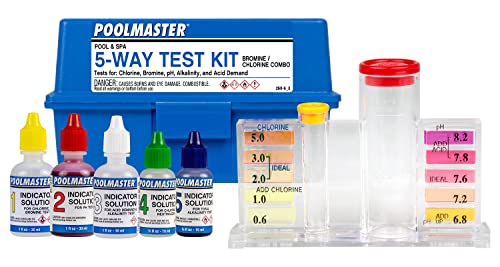
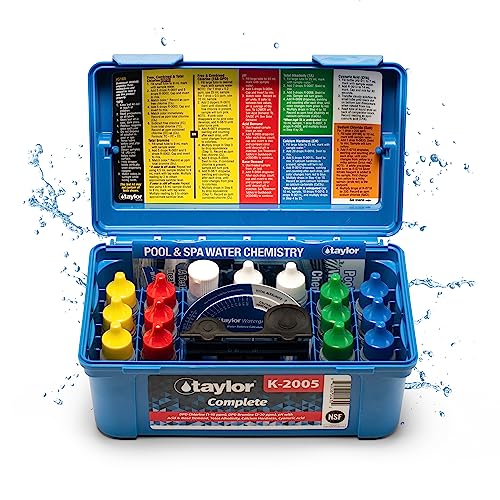
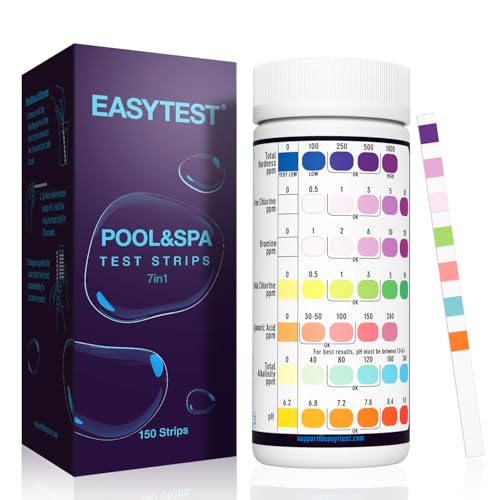
Test water 2–3 times weekly using strips or digital testers. Ideal levels are 7.2–7.8 pH, 1–3 ppm chlorine, and 80–120 ppm alkalinity. Vacuuming debris weekly prevents pump clogs, while shock treatments every 7–10 days eliminate bacteria. Neglecting these tasks risks algae blooms, which cost $150–$300 for professional remediation.
Seasonal Care for Rental Property Pools
In colder climates, winterizing requires draining water below skimmer lines, adding antifreeze ($10–$20/gallon), and installing a durable cover ($200–$500). Tenants with short leases should opt for temporary pools to avoid off-season responsibilities. Summer openings demand filter cleanings and rebalancing chemicals—a process taking 4–6 hours without prior experience. Keeping the pool at a comfortable temperature is also important for enjoyment. This can lead to additional considerations like pool chiller costs, which vary based on the type and efficiency of the unit.
Using Tools Like My Pool Calculator for Maintenance Planning
My Pool Calculator simplifies complex tasks. Input your pool’s gallons, current chemical readings, and target levels to receive precise dosing instructions. For example, raising chlorine by 1 ppm in a 5,000-gallon pool requires 6.3 ounces of 10% liquid chlorine. The tool also estimates monthly costs based on local utility rates, helping renters budget accurately. When it comes to balancing pool chemicals, knowing how much muriatic acid to use is essential. A muriatic acid pool calculator can help you determine the right amount needed to lower pH levels effectively.
Planning for pool removal? The next section details how to restore your rental property without losing your security deposit.

Restoring the Property When Moving Out
Tenants who install pools must plan for eventual removal. Whether you’re dealing with an inflatable summer splash pool or a semi-permanent above-ground setup, returning the property to its original condition is legally required in most leases. Failure to do so risks losing your security deposit or facing fines. As part of pool maintenance, it’s important to consider the role of the recirculate pool pump. This type of pump ensures that water remains clean and clear, making it an essential component for any pool setup.
Removal Requirements for Temporary Pools
Temporary pools like Intex frame models or Bestway steel-walled designs must be fully dismantled. Inflatable pools require draining (follow local water disposal rules), deflating, and proper recycling of PVC materials. Some cities mandate permits for disposing of pools larger than 18’ x 48” due to bulk waste regulations. For sturdier setups using sand bases or geotextile fabric underlays, tenants must remove all materials and restore soil grades to match pre-installation levels. By taking care of your pool and following these guidelines, you can also save money in the long run. Money saving tips can help you cut down on maintenance costs and ensure a more budget-friendly experience.
Landlords often require written proof of professional removal for in-ground “temporary” pools like Fiberglass pools or shipping container plunge pools. Even if labeled “portable,” these installations may need crane services costing $800-$2,500 for extraction. Always document the site post-removal with timestamped photos to avoid disputes.
Costs Of Returning the Property to Its Original State
Restoration expenses vary wildly based on pool type. Refilling a 10’ x 30” above-ground pool’s excavation area with compacted soil averages $15-$25 per cubic yard. Sod replacement for damaged grass runs $0.30-$0.80 per square foot, while reseeding costs $0.10-$0.20. Tenants using concrete pads for frame pools face demolition fees of $300-$1,500 if jackhammering is needed. These costs can add up quickly, influencing the overall budget for pool renovations. So, when planning for a small inground pool, it’s important to factor in these potential expenses.
Unexpected costs arise from subsurface damage – tree root disruption during installations or soil erosion from improper drainage can lead to $500+ landscaping bills. Some leases include “pool removal clauses” requiring tenants to prepay $1,000-$5,000 escrow funds before installation. Always request a pre-installation property inspection with your landlord to baseline the yard’s condition.
Landlords may withhold security deposits for lingering issues like chlorine-stained concrete ($200-$600 acid wash) or imbalanced soil pH from chemical leaks ($150 soil remediation test). For complex projects, hire an ISA-certified arborist or landscape architect ($250 consultation fee) to assess ecological impacts.
Navigating these requirements highlights why renters must clarify liability coverage – a perfect lead-in to examining insurance policies and injury risks.
FAQ: Tenant Pool Installation Concerns
Can a Landlord Prohibit Pool Use After Initial Approval?
Yes, landlords can revoke permission if tenants violate agreed-upon terms, such as exceeding occupancy limits or failing to maintain safety features. Lease addendums often include clauses allowing termination if the pool causes property damage or violates local ordinances. Always get approval terms in writing to avoid sudden restrictions.
Do Noise Restrictions Apply to Pool Use in Rentals?
Most municipalities enforce noise ordinances (typically 55-65 decibels daytime, lower at night) that apply to pool activities. Splashing, parties, or equipment like pool pumps could trigger complaints. Tenants in apartments or condos may face stricter rules through HOA guidelines or lease terms banning disruptive water recreation.
Can I Install a Pool if My Rental Has a Shared Yard?
Shared spaces usually require written consent from all tenants using the area and the landlord. Even small inflatable pools might violate “common area” rules in multi-unit properties. Some leases explicitly prohibit personal use of shared outdoor spaces for structures, while others mandate equal access—always verify before planning installations.
Are Saltwater Pools Allowed in Rental Properties?
Saltwater systems often face pushback due to corrosion risks to decks and drainage systems. Many landlords prohibit them unless tenants agree to cover potential damage from salt exposure. Always consult property managers about material restrictions—stainless steel components and stone surfaces may be required instead of standard materials.
How Does a Tenant-installed Pool Affect Lease Renewals?
Landlords may refuse renewal if the pool caused unresolved maintenance issues or neighbor disputes. Conversely, well-maintained pools that enhance property appeal could lead to renewal incentives. Document all communications about the pool’s condition and compliance to strengthen negotiation positions.
Closing Thoughts
Installing a pool as a tenant involves careful planning, clear communication with your landlord, and adherence to local regulations. From negotiating permission to handling maintenance costs, every step requires attention to detail.
Above-ground pools often present the most practical option for renters, balancing affordability with easier removal. But even inflatable pools may require landlord approval depending on lease terms. Always verify insurance coverage and liability responsibilities before proceeding.
For renters managing pool chemistry and maintenance schedules, tools like My Pool Calculator simplify water balancing and cost tracking. Proper care ensures safety while preserving your security deposit.
Ultimately, temporary pools offer tenants the best flexibility. When installed responsibly and removed completely, they provide summer enjoyment without long-term complications. Review your lease, consult local ordinances, and document all agreements with your property owner.
Additional Resources for You:
- ASTM International – Pool & Spa Standards
- Can a Tenant Put Up an Above Ground Pool Without Permission? | JustAnswer
- Tenant Installed Above Ground Pool Without Permission – Expert Q&A
- Inflatable swimming pool – allow or not allow in the backyard of a rental house? | myREINspace – Canada’s Leading Real Estate Forum
- Portable & Above-Ground Pool Requirements and Safety Guide – Propertyscouts – Property Management Experts
A pool care geek who’s been testing water chemistry since she was tall enough to reach the skimmer.
Inflatable Pool, Pool Care By Type