
Does a Pool Heater Need to Be GFCI Protected?
Published on: February 27, 2026 | Last Updated: November 17, 2025
Written By: Marcus Thornfield
Yes, most pool heaters require GFCI (Ground Fault Circuit Interrupter) protection under the National Electrical Code (NEC 680). Electric pool heaters operating on 120V-240V circuits must connect to a GFCI breaker to prevent shock hazards near water. Gas or solar heaters without electrical components may not need GFCI, but always verify local codes. This rule applies to both in-ground and above-ground pool setups installed within 20 feet of the water’s edge.
This article breaks down how GFCI technology works, why it’s non-negotiable for pool safety, and what specific NEC standards apply to your heater. You’ll learn the voltage thresholds that trigger GFCI requirements, how to test existing breakers, and why gas heaters have different rules than electric models. We’ll also cover common installation mistakes that could put your system out of compliance.
Beyond heaters, discover which other pool equipment—like pumps, lights, and outlets—legally require GFCI protection. We’ll explain grounding versus bonding, share maintenance tips to keep devices functional, and outline scenarios where hiring a licensed electrician is smarter than DIY. Whether you’re installing a new heater or troubleshooting an old one, these guidelines ensure your pool stays safe and code-compliant.
What is GFCI Protection and How Does It Work?
GFCI (Ground Fault Circuit Interrupter) devices act as vigilant guardians against shock risks in damp areas. Found in outdoor outlets, pool pumps, and pool heating systems, this hardware tracks current flow with precision. If an irregularity occurs, it cuts power within milliseconds to block harm.
Crucial Winterizing Products

"The all-in-one solution for a guaranteed clear spring opening."
All-in-One Closing Chemical Kit
Winter demand is high - check stock

"The 'set & forget' option. This is the easiest winterizing I've ever done."
Simple 3-in-1 Winterizing Balls
Winter demand is high - check stock
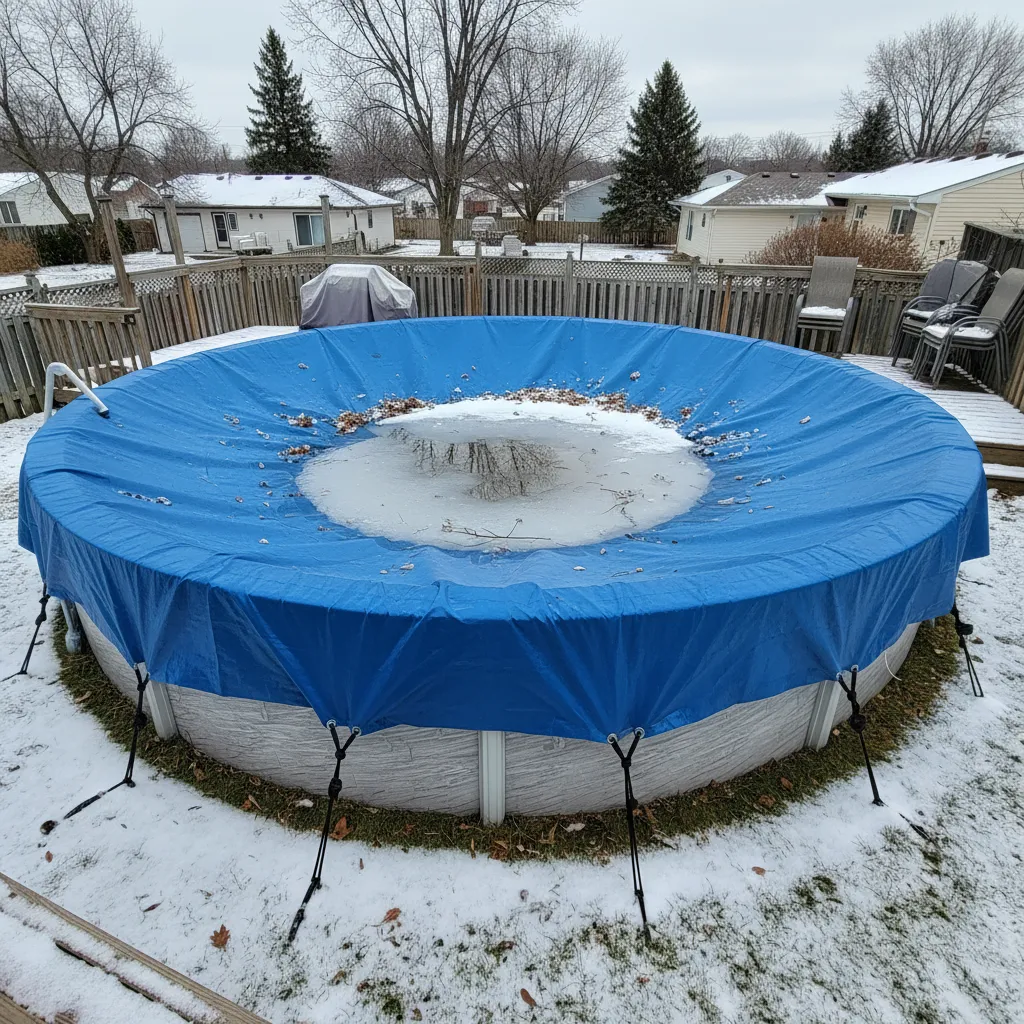
"Invest once to protect your liner and prevent a swamp in the spring."
Heavy-Duty Winter Pool Cover
Winter demand is high - check stock
Definition Of GFCI Devices
A GFCI constantly monitors how much current moves through a circuit’s hot and neutral wires. Built to spot tiny differences as low as 4-6 milliamps, it reacts faster than a human heartbeat. This tool isn’t just a circuit breaker—it’s a life-saving barrier between swimmers and stray voltage.
How GFCI Prevents Electrical Shock
Pool heaters work with both water and high-voltage parts, creating a risky mix. If a wire frays or moisture seeps into a connection, current might stray toward the pool. A GFCI detects this imbalance instantly, shutting off power in 1/40th of a second—before muscles contract or injury strikes. For systems like 120V or 240V gas pool heaters with ignition controls, this rapid cutoff stops shocks at their source.
Now that we’ve covered GFCI basics, let’s look at why skipping this safeguard around pools isn’t just unsafe—it’s against national safety codes.
Why GFCI Protection is Critical for Pool Equipment
Pool tools work in moist conditions, making GFCI tools vital for stopping shock risks. Without this safeguard, faults in wiring or parts can turn water into a path for stray voltage, putting swimmers and maintenance staff in danger. This highlights the importance of safety measures around pools. An electrocution pool can lead to serious injuries or even fatalities if proper precautions are not taken.
Risks Of Electrical Hazards Near Water
Water conducts electricity, amplifying hazards if pool tools malfunction. A pool pump or lighting system with a frayed cord or cracked casing might leak current into surrounding areas. GFCI units monitor power flow, cutting supply within 1/40th of a second if a 5mA imbalance is found. This rapid shutdown limits injury risks, particularly in wet zones where skin contact lowers natural resistance to shocks. Proper maintenance of your pool equipment is essential for safety. Regular checks can help prevent dangerous shocks in the water, especially when using an over shock pool system.
Compliance With National Electrical Code (NEC)
NEC Article 680 mandates GFCI use for all pool-associated tools operating at 120V-240V. This includes pumps, lighting, and outlets within 20 feet of a pool’s rim. Local building inspectors follow NEC standards strictly; skipping GFCI installation on a pool pump or gas heater’s control panel voids code compliance. Non-compliant setups may fail inspections or void warranties from pool brands like Hayward or Pentair. Ensuring safety in your pool area goes hand in hand with keeping it well-monitored. A smart pool monitor can help you keep track of safety measures and overall pool health efficiently.

Do Pool Heater Circuits Need to Be GFCI Protected?
Pool warming systems fall under NEC’s GFCI rules, but specifics vary by unit type and wiring setup. Always confirm voltage ratings and placement before installation.
NEC Requirements for Pool Heater Circuits
NEC 680.27(A) states all 120V-240V pool warming units must link to a GFCI circuit. This applies to both hardwired setups and plug-in models. Gas pool tools with ignition systems or digital controls also need protection on their 120V circuits. Solar thermal units without pumps or wiring don’t fall under this rule, but solar-powered variants with auxiliary parts might. When draining an above ground pool, it’s also important to ensure electrical safety. Proper precautions can help protect the pool equipment during the draining process.
Voltage and Location Considerations
Most residential pool tools run on 240V circuits, which still require GFCI under modern codes. Units placed within 5 feet of a pool’s rim must have a Class A GFCI (5mA trip threshold). Indoor pool tools in dry niches may avoid this, but outdoor installations—common for gas pool tools—always qualify. Always consult a wiring diagram or a pro to confirm local amendments to NEC standards. When considering your swimming options, installing an above-ground pool can offer a great alternative. You can benefit from proper electrical setups whether you choose above-ground or inground pools.
Up next: How GFCI rules differ for gas vs. solar pool tools, and what to do if your system trips constantly.
Also See: Does Pool Pump Need to Be on for Heater?
Does a Pool Heater Need GFCI Protection?
Electrical safety near water demands strict adherence to code requirements. Whether a pool heater requires GFCI protection depends on its power source, voltage, and proximity to the water.
Requirements for Electric Pool Heaters
All electric pool heaters operating at 120V-240V must connect to GFCI-protected circuits per NEC Article 680.21(C). This includes heat pumps, resistance heaters, and hybrid systems. For heaters rated at 240V/50A, a dual-pole GFCI breaker with 5mA trip sensitivity is mandatory. Gas heaters with electrical ignition systems also fall under this rule if their control circuits exceed 15V.
Exceptions for Gas or Solar Heaters
Pure gas-fired heaters without electrical components don’t require GFCI protection. Solar thermal heaters using non-electric circulation pumps or manual valves are exempt. However, solar systems with automated controllers drawing more than 12V must comply. Always verify local amendments – some regions mandate GFCI for all pool-adjacent devices regardless of fuel type.
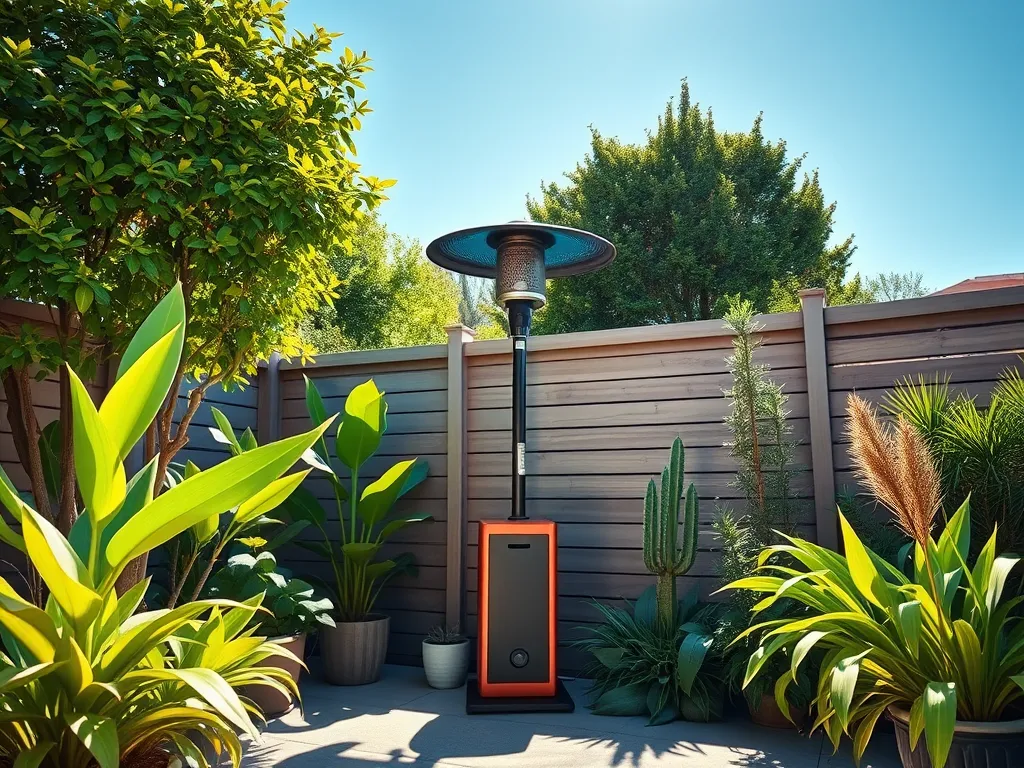
What Pool Equipment Requires GFCI Protection?
Beyond heaters, multiple devices near pools need protection against ground faults. NEC 680 outlines these requirements with voltage-specific thresholds.
Pumps, Lights, and Outlets
Single-phase pool pumps under 240V require GFCI breakers if located within 20 feet of the water’s edge. Underwater lighting systems – including 12V LED fixtures – must connect to GFCI-protected transformers. All 15A/20A receptacles within 6-20 feet of the pool need tamper-resistant GFCI outlets meeting NEC 680.22(A)(3). Keeping the pool safe involves not only electrical safety but also maintaining water quality. Using too much algaecide can be harmful, leading to imbalances that endanger aquatic life.
Additional Gfci-protected Devices Near Pools
| Device | Distance from Pool | GFCI Requirement |
|---|---|---|
| Automated covers | Any distance | Class A (4-6mA trip) |
| Salt generators | Within 5 ft | Dual-pole breaker |
| Wi-Fi controllers | Indoor/outdoor | GFCI if line-voltage |
Pool Heater GFCI Protection Requirements
Proper installation and maintenance ensure GFCI devices function when needed. Pool heaters present unique challenges due to high current loads and outdoor exposure.
Installation Guidelines for GFCI Breakers
Use weather-resistant WR GFCI breakers rated for the heater’s full-load amps. For 240V heat pumps, install a 2-pole 60A GFCI breaker with copper wiring sized per NEC Table 310.16. Maintain at least 12 inches clearance between the breaker box and water pipes. Bond the heater chassis to the pool’s common grounding grid using #8 AWG copper. As winter approaches, it’s essential to prepare your pool for the cold months ahead. Properly shutting down your pool for winter helps prevent damage and ensures a smooth opening in the spring.
Testing and Maintaining GFCI Devices
Test GFCI breakers monthly using the built-in trip button. Measure response time with a GFCI tester – it should disconnect within 25 milliseconds at 5mA leakage. Replace units showing wear from UV exposure or corrosion every 7-10 years. Keep electrical panels dry; use NEMA 3R enclosures in wet locations.
With proper GFCI implementation, pool heaters operate safely even in damp environments. Next, let’s examine grounding techniques that complement these protective measures.
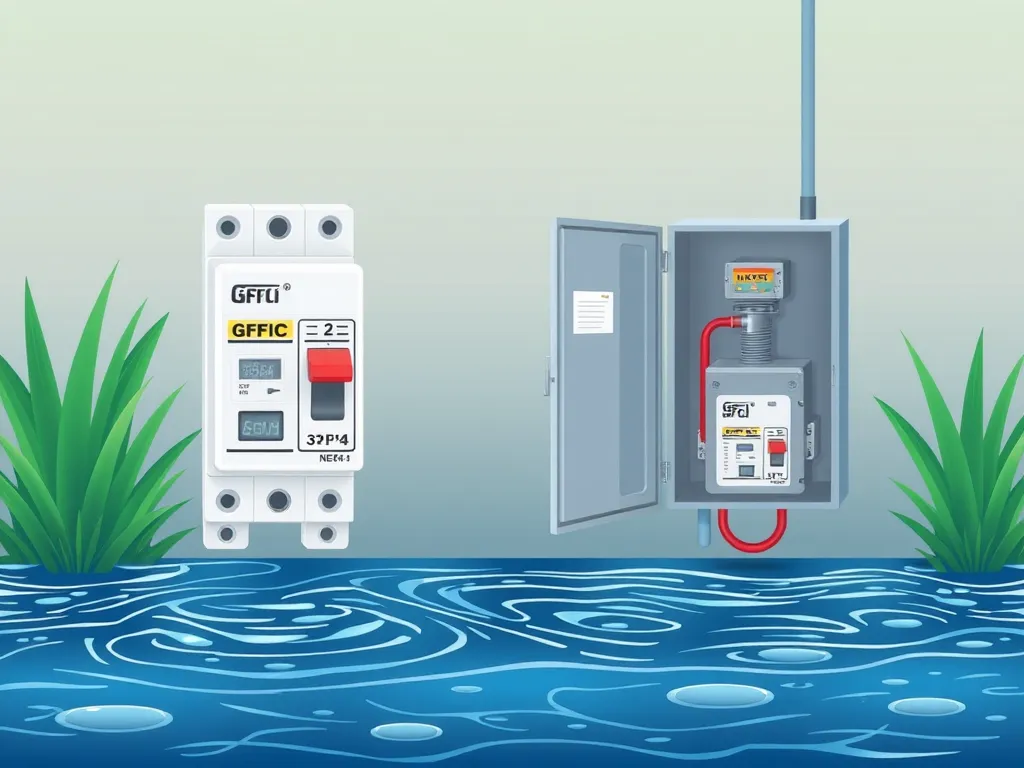
Enhancing Electrical Safety Around Your Pool
Proper electrical safety measures extend beyond installing GFCI protection for your pool heater. Creating a secure environment requires combining code-compliant equipment with proactive maintenance strategies. Let’s break down two foundational elements: grounding/bonding systems and routine inspections. Keeping your pool environment safe is essential, especially when using a heat source. Heating your above ground pool allows for longer swimming sessions, making safety even more critical.
Grounding and Bonding Basics
Grounding directs stray electrical currents safely into the earth, while bonding connects metal components to eliminate voltage differences. The NEC (Article 680.26) mandates bonding all conductive parts within 3 feet of the pool, including heater housings, pump motors, and metal piping. Use solid 8 AWG copper wire to link these elements, ensuring resistance stays below 1 ohm. Without this setup, a GFCI-protected pool heater might still leave swimmers vulnerable to stray currents if other equipment isn’t properly integrated into the system. An earthing pool takes these safety measures a step further. By incorporating a dedicated earthing system, it enhances protection against electrical hazards for all users.
Gas heaters with electrical ignition systems require both grounding and bonding, even if they don’t need GFCI protection. Solar heaters with circulation pumps fall under similar rules. Always verify local codes—some regions mandate bonding all equipment within 5 feet of water regardless of voltage.
Regular Inspection Best Practices
Test GFCI outlets serving your pool heater monthly by pressing the “Test” button. Reset should occur smoothly—if it sticks or fails, replace the device immediately. Inspect wiring connections at the heater’s terminal block annually for corrosion or loose strands, which can trigger nuisance tripping. Use a multimeter to check voltage between bonded components; readings above 1 volt signal bonding flaws. Proper maintenance of electrical components is crucial for pool safety. Similarly, pool valves are essential for controlling water flow and ensuring efficient operation of your pool system.
Examine the heater’s power cord for cracks or fraying, especially near bends or connectors. For hardwired units, ensure conduit fittings remain watertight. Schedule professional inspections every 3 years to assess grounding electrode integrity and measure earth resistance—a reading exceeding 25 ohms demands remedial action like adding grounding rods.
While these steps minimize risks, many pool owners still have questions about integrating GFCI protection with other safety systems. Let’s address common concerns in our next section. Additionally, it’s important to consider how the distance between your pool and septic system can impact safety. Maintaining an appropriate distance between your pool and septic system is essential for both health and functionality.
FAQs About Pool Heaters and GFCI Protection
How Does Humidity or Saltwater Exposure Impact GFCI Reliability?
High humidity and saltwater accelerate corrosion in electrical components, potentially degrading GFCI performance over time. Use weather-resistant (WR) GFCI breakers with sealed enclosures rated for outdoor use. Rinse enclosures periodically with fresh water if near saltwater pools.
Can Older Pool Heaters Be Retrofitted With GFCI Protection?
Yes, most pre-2020 NEC-compliant heaters can be upgraded by installing a GFCI breaker matched to the circuit’s voltage and amperage. Consult an electrician to verify wiring compatibility, as some older systems may require grounding upgrades.
Why Does My Pool Heater Keep Tripping the GFCI Breaker?
Frequent tripping often indicates moisture intrusion, damaged insulation, or a failing heating element. Isolate the issue by testing the heater on a known-good GFCI circuit. Persistent trips warrant professional diagnostics to prevent undetected ground faults.
Is a GFCI Outlet Sufficient for Plug-in Pool Heaters?
For 120V plug-in heaters, a GFCI outlet meets code if within 6-20 feet of the pool. However, hardwired 240V heaters require a dedicated GFCI breaker. Never use extension cords—direct connection minimizes shock risks. Maintaining safety is key when heating pools, including stock tank pools. A heat stock tank pool can offer a warm, relaxing experience during cooler months.
Do Surge Protectors Interfere With GFCI Functionality?
Quality surge protectors work alongside GFCIs without conflict. Install whole-home surge protection at the main panel rather than using point-of-use devices near the heater to maintain GFCI responsiveness and NEC compliance.
Closing Thoughts
GFCI protection is a non-negotiable safety feature for electric pool heaters, mandated by the NEC to prevent dangerous shocks. While gas and solar heaters may have exceptions, all electrical pool equipment—including pumps, lights, and outlets—must comply with these standards. Proper installation, grounding, and routine testing of GFCI devices ensure long-term safety.
For precise calculations on pool heating costs or electrical requirements, explore the tools at My Pool Calculator. When in doubt, always consult a licensed electrician to verify your setup meets current codes.
Additional Resources for You:
- Pool & Hot Tub Alliance (PHTA). (2021). ANSI/APSP/ICC-11 Standard for Water Quality in Public Pools and Spas. Alexandria, VA: PHTA.
- residential swimming pool heater | Electrician Talk
- Heat Pump not requiring a GFCI breaker – why? | Trouble Free Pool
- GFCI Breakers & Swimming Pool Equipment Guide
- Expert Answers on Pool Heat Pumps, GFCI Protection, and Warranties