Can You Use Pool Chlorine in a Hot Tub or Inflatable Pool?
Published on: February 26, 2026 | Last Updated: November 17, 2025
Written By: Marcus Thornfield
Pool chlorine can be used in inflatable pools but poses risks in hot tubs due to differences in chemical strength and equipment sensitivity. Standard pool chlorine tablets (trichlor) contain 90% available chlorine and dissolve slowly, while hot tubs require fast-dissolving sodium dichlor (56% chlorine) to prevent corrosion and maintain safe 3-5 ppm sanitizer levels. Inflatable pools tolerate standard chlorine but need precise dosing – typically 1-3 ppm – to avoid liner damage.
This article breaks down why using pool chemicals in smaller water systems requires careful planning. You’ll learn how chlorine concentrations affect acrylic hot tub surfaces, vinyl inflatable pool liners, and user safety. We’ll compare chemical forms like granular vs. tablet chlorine and explain why bromine often works better for hot tubs.
We’ll also explore real-world scenarios: what happens if you accidentally drop a pool tablet in your hot tub, how to calculate proper dosages for inflatable pools, and when non-chlorine options make sense. Maintenance tips include testing frequency, pH balancing tricks, and cost comparisons between pool-grade and specialty products.
Understanding Pool Chlorine Vs. Hot Tub Chlorine
While both pools and hot tubs rely on chlorine to sanitize water, their unique operating conditions demand tailored approaches. Temperature fluctuations, water volume, and equipment materials create distinct needs for each system.
Crucial Winterizing Products
"The all-in-one solution for a guaranteed clear spring opening."
All-in-One Closing Chemical Kit
Winter demand is high - check stock

"The 'set & forget' option. This is the easiest winterizing I've ever done."
Simple 3-in-1 Winterizing Balls
Winter demand is high - check stock
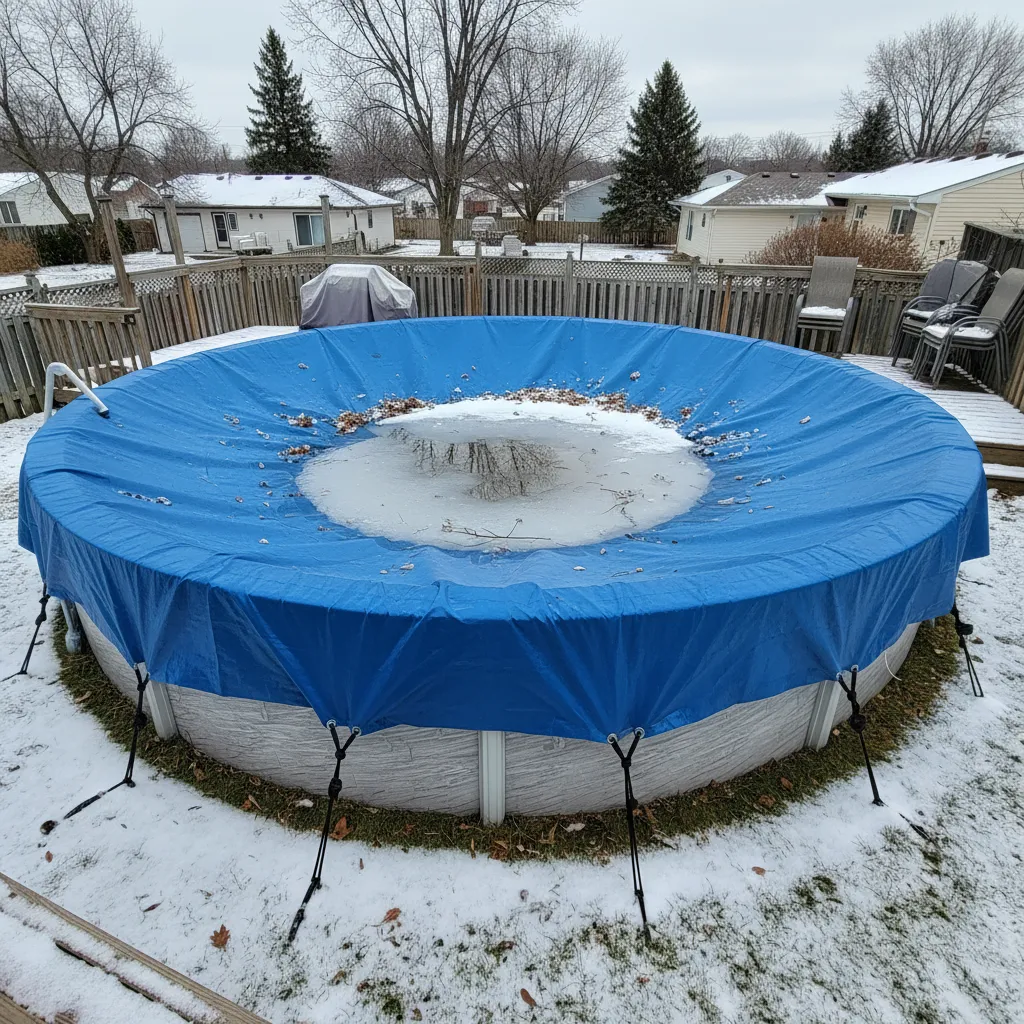
"Invest once to protect your liner and prevent a swamp in the spring."
Heavy-Duty Winter Pool Cover
Winter demand is high - check stock
Key Differences in Chemical Composition
Pool chlorine typically contains trichlor (trichloro-s-triazinetrione) or dichlor (sodium dichlor) stabilized with cyanuric acid (CYA) to slow UV degradation. Hot tub formulas use unstabilized dichlor or bromine tablets, avoiding CYA buildup in warm, enclosed environments. For example, trichlor tablets meant for pools release 90% available chlorine but add 55% CYA per dose—a problem in hot tubs where CYA levels can skyrocket to over 100 ppm, rendering chlorine ineffective.
Why Concentration and Form Matter
Pool chlorine tablets (1-3 inches) dissolve slowly for large-scale applications, while hot tubs require faster-dissolving granules or smaller tabs to prevent localized chemical surges. The ideal free chlorine level for hot tubs sits at 3-5 ppm—lower than pools’ 1-4 ppm range. Using concentrated pool chlorine in a 500-gallon hot tub could spike levels to 10+ ppm, damaging acrylic surfaces and corroding heater elements within weeks. For inflatable pools, stabilized chlorine products may leave residues on vinyl liners, while unstabilized dichlor at 1-2 ppm works better for temporary setups.
Selecting the proper sanitizer type directly impacts equipment longevity and swimmer comfort. Next, we’ll examine how mismatched chemicals affect specific components in hot tubs and temporary pools.
Can You Safely Use Pool Chlorine in a Hot Tub?
Pool chlorine products might look similar to hot tub sanitizers, but mixing them can bring big problems. Hot tubs hold far less H2O than pools—typically 300-500 gallons versus 10,000+ gallons—and run at high temps (100-104°F). This combo amplifies chemical impacts on both plumbing and skin. Additionally, the right balance of chemicals is crucial for safe water. The relationship between chlorine and cyanuric acid plays a key role in maintaining this balance in pools and hot tubs.
Risks to Hot Tub Equipment and Users
Pool chlorine tabs (trichlor) contain stabilizers like cyanuric acid (CYA) at 50-90% strength. In a hot tub’s compact system, CYA builds up fast, making chlorine less active against pathogens. Unstabilized pool shock (calcium hypochlorite) spikes pH to 10-12, damaging pump seals, heater cores, and acrylic surfaces. High chlorine ppm (above 5ppm) in warm water also irritates skin and lungs, causing rashes or coughing fits.
When Pool Chlorine Might Be Temporarily Acceptable
In a pinch, granular pool dichlor (55% available chlorine) can work if dosed at 1 tsp per 500 gallons—half the pool amount. But do this only if hot tub-specific dichlor isn’t handy, and drain/refill within 72 hours. Avoid trichlor tabs entirely; their slow-dissolving formula clogs hot tub filters and skimmers.
Using Chlorine in Inflatable Pools: Guidelines
Inflatable pools (50-1,000 gallons) lack filtration systems found in rigid pools, so sanitizing demands a light touch. Pool chemicals can function here but require strict dosing to avoid vinyl damage or clouding.
Can Pool Chemicals Be Used in Inflatable Pools?
Liquid pool chlorine (sodium hypochlorite, 10-12.5% strength) works for inflatables if diluted. Add 1 oz per 500 gallons daily, brushing walls to spread it. Stay away from pool-grade trichlor tabs—their 1” size overwhelms small water volumes, causing pH crashes below 6.8 that degrade vinyl seams. Knowing how to manage chemicals is important for pool maintenance. It’s also essential to consider the size of your pool in terms of gallons for proper chemical dosing.
Recommended Chlorine Types for Inflatable Pools
Opt for mini chlorine tablets (0.5” dichlor) made for kiddie pools, dissolving slowly in floating dispensers. Brands like Rx Clear Tabs or SpaGuard Mini Tabs release 1-3 ppm chlorine without CYA buildup. For non-vinyl inflatables, lithium hypochlorite granules (35% strength) dissolve fast and leave no residue.
Up next: What occurs if pool chlorine harms your hot tub or inflatable setup? Our following part breaks down fixing corrosion, skin irritation, and water imbalances.
Also See: Does Hair Dye Come Out in the Pool? Find Out Here
Risks Of Using Pool Chlorine in Hot Tubs and Inflatable Pools
Pool chlorine formulations bring distinct hazards to compact aquatic systems. High-strength granular or tablet forms built for large pools may disrupt function in hot tubs or vinyl-lined inflatables, creating both physical harm and health impacts. Saltwater pools offer an alternative, but they also face challenges. Bacteria can still thrive in these environments, requiring regular monitoring and care.
Corrosion and Damage to Components
Hot tub pumps, heaters, and acrylic surfaces face rapid harm from pool chlorine’s intense chemical load. Calcium hypochlorite (65-73% strength in pool products) boosts pH drastically, forming scale deposits that clog jets and strain filtration. Inflatable pools with PVC or TPU linings risk material breakdown, leading to leaks—particularly with sustained contact to undiluted chlorine tablets. A 2022 study found vinyl pool walls lost 12% more structural integrity when exposed to 3” pool chlorine tabs vs. liquid options. Because of these issues, pool owners often look for alternatives to maintain water quality. Calcium hypochlorite pools can provide effective sanitation while minimizing damage to pool surfaces and equipment.
Skin and Health Concerns
Pool chlorine’s high dosage rates (up to 10 ppm in pools vs. 1-3 ppm for hot tubs) may trigger skin irritation, particularly in warm water that opens pores. Unbalanced pH from granular shock treatments can cause rashes or dry patches. Inhalation risks climb in hot tubs due to steam carrying chloramines—byproducts formed when chlorine reacts with sweat or lotions. Public health data shows 34% of hot tub rash incidents link to incorrect chlorine types.
Choosing the Right Chlorine for Your Setup
Matching chlorine form and dosage to your system’s capacity stops harm before it starts. Compact aquatic setups demand precision—both in product selection and application methods. Maintaining proper chemical balance is key for healthy water. An ideal bromine level ensures a safe and clean environment for aquatic life.
Hot Tub-specific Chlorine Products
Dichlor (sodium dichloro-s-triazinetrione) dominates hot tub sanitation for its rapid dissolution and built-in pH buffers. Pre-measured 1” tabs fit most floating dispensers, maintaining a 2-4 ppm residual without spiking alkalinity. Brominating concentrate (BCDMH) tablets offer a low-irritant option, working at higher temps without strong odors. Avoid trichlor—its 90% strength and slow dissolution corrode tub components.
Best Chlorine Options for Inflatable Pools
Liquid sodium hypochlorite (5-10% strength) allows precise dosing in inflatables—add 2 oz per 500 gallons to hit 1-2 ppm. For lasting sanitation, mini 1” trichlor tabs inside floating dispensers prevent direct vinyl contact. Saltwater systems with NaCl generators (outputting 0.5-1 ppm chlorine) suit larger inflatables (100+ gallons), minimizing manual dosing.
Step-by-step Guide to Chlorinating Hot Tubs and Inflatable Pools
Sanitizing compact water systems isn’t just about product choice—it’s about method. Follow these protocols to maintain clarity and safety.
Proper Chlorine Application for Hot Tubs
Test water first—aim for 3-5 ppm free chlorine. For dichlor granules, dissolve 1 tbsp in a bucket of warm water before adding to the tub. Circulate jets for 15 minutes post-treatment. If using tabs, fill a floating dispenser only halfway to avoid over-sanitizing. Check levels daily; UV rays from sunlight can cut chlorine potency by 50% in 3 hours.
Treating Inflatable Pools Safely
Fill the pool and test pH (7.2-7.6 is optimal). Add liquid chlorine in 3 oz increments per 1,000 gallons, waiting 4 hours between doses. For tablet systems, hang a floater at the pool’s center—never let tabs sit on the vinyl floor. Drain and scrub with a baking soda mix (1 cup per 5 gallons) weekly to stop biofilm buildup. After these steps, it’s important to shock the pool for a clean swim. Shocking helps eliminate contaminants and keeps the water safe for swimming.
While chlorine remains a common option, alternative sanitizing methods can simplify upkeep for small water systems—particularly those prone to chemical imbalances.
Alternative Sanitizers for Smaller Water Systems
Chlorine works for pools, but hot tubs and inflatable pools may need different care. Heat, small size, and soft walls change how chemicals act. Let’s look at options made for these systems. It’s also important to consider how these chemicals can affect local wildlife. Overuse of certain products can lead to the death of tadpoles in nearby pools.
Bromine As a Hot Tub Alternative
Bromine tablets are a top pick for hot tubs. They last longer in hot water (up to 100°F) and stay stable when pH swings. Unlike pool chlorine (like calcium hypochlorite), bromine won’t break down as fast. It forms a reserve called bromamines that still clean but don’t smell harsh. Use 4-6 ppm bromine for hot tubs with jets on during treatment. When it comes to hot tub sanitation, many wonder how bromine compares to chlorine. Each option has its advantages, so it’s important to consider what’s best for your specific needs.
Non-chlorine Options for Inflatable Pools
Soft-sided pools can’t handle strong chlorine tabs. Try these instead:
- PHMB (polyhexamethylene biguanide): Kills germs without bleach stains
- Mineral sticks with silver ions: Cut chlorine use by 50%
- UV-C floaters: Zap algae with light (needs 4-6 hrs daily sun)
Maintaining Safe Chlorine Levels
Small water needs tight control. Test strips work best for quick checks. Match your system’s needs to avoid skin burns or cloudy water.
Ideal Range for Hot Tubs
Keep free chlorine at 3-5 ppm in hot tubs. Higher than 5 ppm eats seals and jets. Below 1 ppm lets biofilm grow. Test after each soak. Add dichlor granules (55% CYA) – but stop if CYA tops 30 ppm to prevent “lock.”
Balancing Inflatable Pool Water Chemistry
Inflatable pools need 1-3 ppm chlorine. Use liquid bleach (6% sodium hypochlorite) – 1 oz per 500 gal. Check pH first (7.2-7.8). High pH? Add 1 tbsp dry acid per 200 gal. Change water every 3-5 days if not filtered. To maintain a balanced water chemistry, many pool owners turn to baking soda. This natural option can help stabilize pH levels and keep your pool water clear and inviting.
What to Do if You’ve Used Pool Chlorine Incorrectly
Mistakes happen. Act fast to save gear and stay safe.
Emergency Steps for Hot Tubs
If pool chlorine (like 3” tabs) got in:
- Drain tub NOW to stop metal parts from rusting
- Flush pipes with Ahh-Some cleaner
- Replace filters ($40-$80) if exposed over 2 hrs
Correcting Inflatable Pool Water Quality
Too much chlorine? For a 300-gal pool:
- Add 1/4 cup hydrogen peroxide (3%) to drop 5 ppm
- Rinse walls with baking soda paste
- Let sit 2 hrs before swim
Moving past fixes, let’s tackle common user questions about mixing systems.
FAQ: Common Questions Answered
How Soon After Adding Chlorine Can I Safely Use My Hot Tub or Inflatable Pool?
Wait at least 30 minutes with jets running in hot tubs to ensure even distribution. For inflatable pools, allow 1-2 hours of circulation (if filtered) or 4 hours for unfiltered setups. Test levels before entry—free chlorine should be ≤5 ppm for hot tubs and ≤3 ppm for pools.
Can I Use Pool Chlorine Tablets in a Floating Dispenser Meant for Hot Tubs?
No. Pool tablets (1-3” trichlor) are too large and dissolve too slowly, risking concentrated chlorine pockets that damage hot tub surfaces. Use only 1” bromine or dichlor tabs specifically sized for hot tub dispensers. After adding soda ash to balance the pH, it’s important to let the pool water circulate. Waiting at least 30 minutes before using the hot tub ensures that the chemicals are fully mixed and safe for bathing.
What Are Eco-friendly Ways to Dispose Of Chlorinated Inflatable Pool Water?
Neutralize chlorine first using sodium thiosulfate (1 oz per 500 gallons), then drain onto gravel or grassy areas—not gardens. Avoid storm drains. For saltwater systems, dilute with fresh water by 50% before draining. It’s also important to know how to measure the right amount of chemicals to add. Proper measurement ensures your pool remains safe and clean for everyone.
Does Sunlight Degrade Chlorine Faster in Inflatable Pools?
Yes. UV rays can reduce free chlorine by 50% in 2-3 hours. Use stabilized chlorine (with CYA) for outdoor inflatables, but limit CYA to 30 ppm. Alternatively, cover the pool with UV-blocking tarps when not in use. Keeping an eye on salt levels is also essential for maintaining clean water. Regularly check the salt level in your pool to ensure proper chlorine production.
Are Hot Tub Chlorine Levels Affected by Frequent Use?
Yes. Each user adds contaminants (sweat, oils), requiring 0.5 tsp dichlor per person after soaking. For daily use, increase testing to twice daily and maintain 4-5 ppm chlorine. Shock weekly with 2x normal dose to combat organic buildup.
Closing Thoughts
Using pool chlorine in a hot tub or inflatable pool isn’t ideal, but it can be done with caution. Hot tubs require lower chlorine concentrations (1-3 ppm) and gentler formulas to protect equipment and bathers. Inflatable pools can handle standard pool chlorine but benefit from stabilized tablets or liquid chlorine to avoid liner damage.
Always test water chemistry before adding sanitizers. For hot tubs, bromine often works better than chlorine. Inflatable pools need regular shocking (5-10 ppm weekly) but avoid calcium hypochlorite which degrades vinyl.
Need precise dosing? My Pool Calculator helps determine exact chemical amounts for any water volume. Get your levels right the first time.
When in doubt, choose products specifically designed for your setup. Hot tub chlorine tablets (dichlor) dissolve faster and contain cyanuric acid stabilizers. Inflatable pools work best with sodium dichlor granules that won’t bleach materials.
Proper sanitation keeps water safe without unnecessary risks. Measure carefully, monitor often, and enjoy your soak or splash without compromise.
Additional Resources for You:
- Grimes, R. J. (2015). Troubleshooting and Repairing Pool Plastics, PVC, and Vinyl Liners. Chicago, IL: CreateSpace Independent Publishing.
- Can You Use Chlorine in a Hot Tub? | Master Spa Parts
- Forums – Pool and Spa Forum
- Can You Put Pool Chemicals in a Hot Tub?
- 10+ Must-Have Chemicals for Inflatable Hot Tub Worth Trying in 2024 | ByRossi