Can You Swim in a Pool Without the Pump Running?
Published on: February 8, 2026 | Last Updated: November 17, 2025
Written By: Rachael Weatherbottom
Yes, you can swim in a pool without the pump running temporarily, but it’s not recommended due to rising safety and water quality risks. Pool pumps circulate water through filters and distribute sanitizing chemicals like chlorine (ideal range: 1-3 ppm) to prevent contaminants, algae, and bacteria buildup. Without circulation, debris collects faster, pH levels (target: 7.2-7.8) drift, and water becomes unsafe within hours.
This article explains how pump shutdowns affect pool safety and what every swimmer should know. You’ll learn how stagnant water impacts chemical balance, why cloudy water or algae blooms signal danger, and how to spot risks like skin irritation or uneven chlorine levels. We’ll break down scenarios where swimming without a pump might seem tempting—like during energy-saving breaks or accidental outages—and why most require quick action.
We’ll also cover practical solutions: how long you can safely swim pump-free (spoiler: less than 24 hours in most cases), manual methods to slow contamination, and when to avoid the pool entirely (like after shock treatments). Real-world data on bacterial growth rates, chemical decay, and repair timelines help you make informed decisions without sacrificing safety.
The Role Of the Pool Pump in Water Safety
A pool pump acts as the heart of your pool, moving water to keep it clean and safe. Without it, water sits still, risking quick buildup of dirt and germs. Let’s break down why this device matters for safe swims. A well-maintained pump is essential for the effectiveness of pool filtration systems. Sand filter pool pumps use sand to capture dirt and debris, providing an efficient way to keep your pool water clear and fresh.
Crucial Winterizing Products
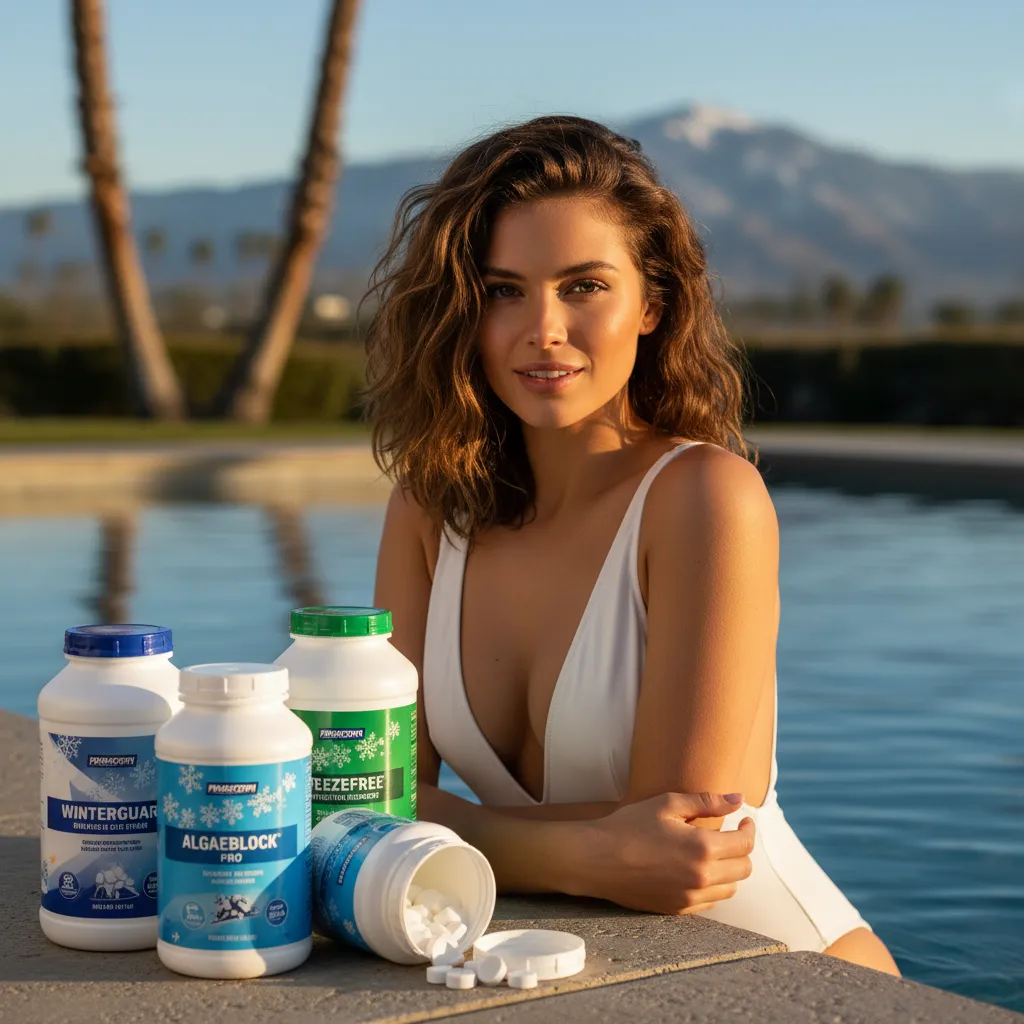
"The all-in-one solution for a guaranteed clear spring opening."
All-in-One Closing Chemical Kit
Winter demand is high - check stock

"The 'set & forget' option. This is the easiest winterizing I've ever done."
Simple 3-in-1 Winterizing Balls
Winter demand is high - check stock
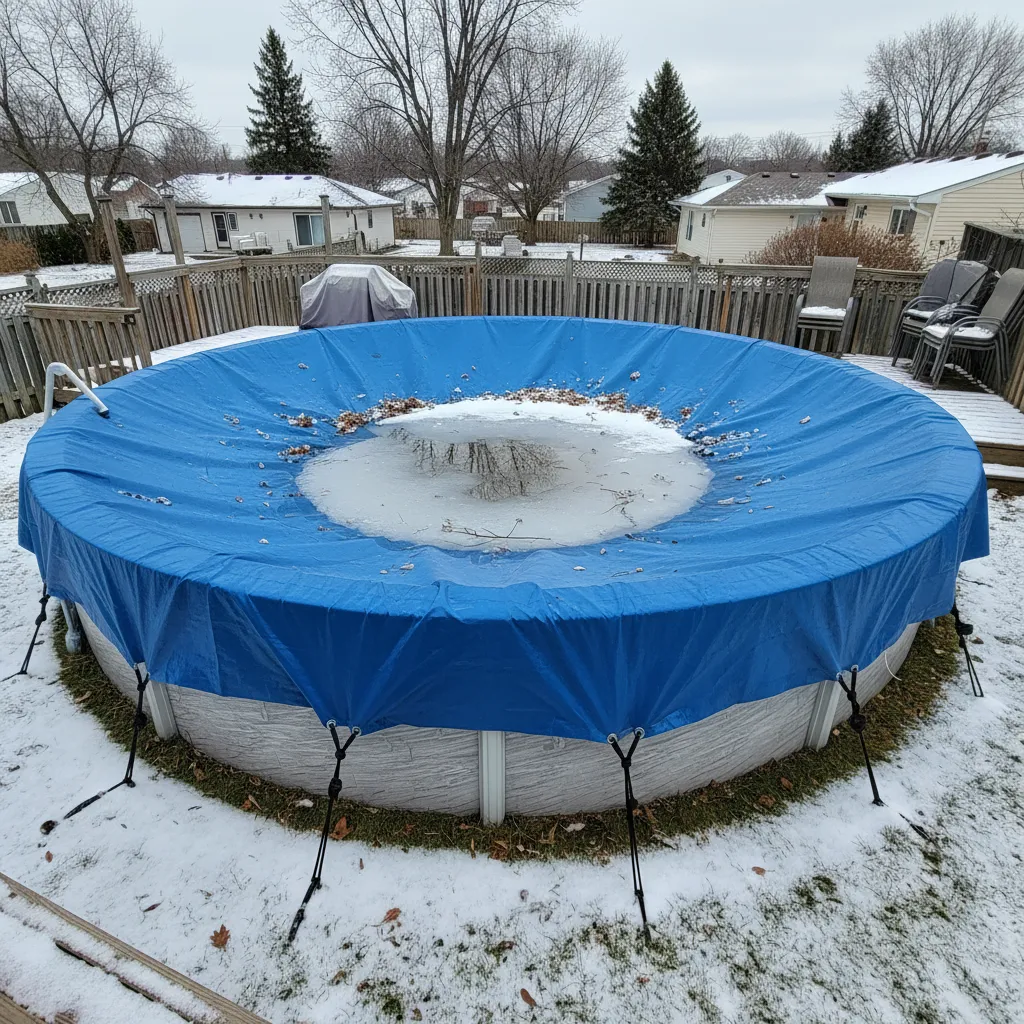
"Invest once to protect your liner and prevent a swamp in the spring."
Heavy-Duty Winter Pool Cover
Winter demand is high - check stock
How Pool Pumps Maintain Circulation and Filtration
Pool pumps pull water through skimmers and drains, pushing it through a filter to trap leaves, bugs, and tiny bits like sand. A typical pump moves 40-60 gallons per minute, ensuring all water cycles through the system 2-3 times daily. Stagnant water stops this flow, letting debris sink and cloud the pool. Filters can’t catch new dirt without the pump running, so unseen risks like bacteria or parasites may thrive. When pool covers are not properly maintained, algae can grow around the edges and in the stagnant water. This algae can quickly spread and lead to further water quality issues.
Dead zones—areas with no flow—form fast when pumps are off. These spots become breeding grounds for algae. Even a few hours without circulation can turn clear water hazy. For pools with vinyl liners or tile edges, still water may also cause surface stains or weaken chemical bonds in plaster.
Impact on Chemical Distribution and Balance
Chemicals like chlorine rely on pumps to spread evenly. Without flow, chlorine settles in “hot spots,” leaving some zones over-treated and others weak. A pool might show 3 ppm chlorine near the jets but 0.5 ppm at the far end. pH levels swing too, since unmoving water can’t mix in acid or soda ash added by hand. Unbalanced pH (below 7.2 or above 7.8) burns eyes or fades swimsuits. Keeping track of other levels is just as important. Regularly checking the salt level in your pool helps maintain a balanced environment.
Warm weather speeds up these issues. In 85°F heat, algae spores double every 4-6 hours without treatment. Cloudy water signals poor chemical spread, often within 12-24 hours of pump shutdown. Saltwater pools face extra risks: salt cells need flow to make chlorine, so no pump means no sanitizer.
Even a quick dip stirs up dirt and skin oils, which stay trapped without filtration. Swimmers might notice slimy steps or a slick feel on the water’s surface—early signs of trouble. While short swims with the pump off aren’t always risky, they demand close checks before and after.
So, what changes when the pump stops for good? Let’s look at the direct effects on water health.
Immediate Effects Of Swimming With the Pump Off
Turning off the pool pump halts water movement, triggering rapid changes in water quality. Within hours, the absence of circulation creates zones where debris settles and microorganisms thrive.
Stagnant Water and Reduced Filtration
Without a functioning pump, water stops flowing through the filtration system. Sand, cartridge, or DE filters rely on pressure to trap particles as small as 5-10 microns. When idle, leaves, dirt, and organic matter accumulate on the surface or sink to the bottom. Dead zones form near corners or behind ladders, creating breeding grounds for algae spores and bacteria like Staphylococcus aureus. A pool left unfiltered for 12-24 hours can lose up to 30% of its clarity. This lack of circulation can also affect the lifespan of the pool’s salt cell. Regular maintenance and proper water flow help ensure that these cells last longer and operate effectively.
Risks Of Contaminant Buildup
Stagnant water accelerates chemical imbalances. Chlorine demand spikes as sweat, sunscreen, or urine react with untreated water. In a 20,000-gallon pool, chlorine levels can drop below 1 ppm (parts per million) within 6 hours without circulation, leaving pathogens unchecked. Harmful contaminants like Cryptosporidium or Pseudomonas aeruginosa multiply rapidly, with bacterial counts doubling every 20-30 minutes in warm water (75°F+). Swallowing even small amounts of contaminated water raises risks of gastrointestinal or respiratory infections. To combat these issues, maintaining proper levels of chlorine is essential. Additionally, cyanuric acid plays a key role in stabilizing chlorine, ensuring it remains effective in protecting against contaminants.
Is It Safe to Swim in a Pool Without the Pump Running?
Safety depends on multiple variables, including exposure time and pre-existing water conditions. A quick 10-minute swim poses different risks than repeated use over days.
Short-term Vs. Prolonged Exposure Risks
Swimming briefly in a well-maintained pool with the pump off for under 2 hours may pose minimal risk if chlorine levels remain above 1.5 ppm and pH stays between 7.2-7.8. Extended exposure beyond 4 hours increases chances of skin irritation, eye redness, or contracting waterborne illnesses. The CDC reports that 58% of pool-related outbreaks occur due to inadequate circulation or filtration. Choosing to swim in a low chlorine pool can help reduce these risks. Low chlorine pools often rely on alternative sanitizing methods, making them more comfortable for swimmers.
Factors Influencing Safety (E.g., Water Clarity, Recent Treatment)
Clear water with visible drain covers suggests lower immediate risk. Test chemical levels before entering: free chlorine (1-3 ppm), pH (7.4-7.6), and cyanuric acid (30-50 ppm). Pools treated with algaecides or shock (calcium hypochlorite at 10-12% strength) within the last 24 hours may temporarily resist contamination. Avoid swimming entirely if the water appears cloudy (turbidity above 0.5 NTU) or smells strongly of chloramines—a sign of combined chlorine exceeding 0.4 ppm. However, it’s important to remember that pool water is not safe to drink. Drinking pool water can expose you to harmful chemicals and bacteria.
Monitoring these variables helps determine whether temporary pump shutdowns are manageable. Still, prolonged reliance on manual methods can’t replace mechanical filtration’s consistency.
While assessing current conditions helps gauge risk, knowing how long the pump can stay off before water quality plummets requires examining time-sensitive thresholds.
Also See: Can You Use Pool Filter Sand in an Aquarium? Here’s Why
How Long Can You Swim Without the Pump Running?
Swim time without a pump depends on your pool’s state. Clear water with recent chemical treatment may stay safe for 4-6 hours. Warm temps or heavy use cut this window. Kids splashing or leaves in the water speed up problems.
Time Limits for Safe Swimming
Keep swim sessions under 2 hours if the pump stops. After that, dirt and germs build fast. A 10,000-gallon pool with no flow grows unsafe 50% quicker in full sun. Check the time—if the pump’s been off >6 hours, skip the dip. This is especially important in long drain pools where proper flow is crucial. Long drain pools require careful monitoring to ensure safety and cleanliness for swimmers.
Signs That the Water is Becoming Unsafe
Watch for green tint, slimy walls, or foggy water. Test strips showing pH over 7.8 or free chlorine under 1 ppm mean trouble. A strong bleach smell hints at chloramines, which cause red eyes or rashes. If you spot these, clear the pool now.
Scenarios When the Pump Might Be Turned Off
Pumps stop for planned or surprise reasons. While some folks try to save power, others face tripped breakers or storms. Each case needs a fast fix to keep risks low.
Energy-saving Attempts: Risks Vs. Benefits
Shutting the pump for 8 hours daily saves $2-$4 on bills. But stagnant water breeds algae in 12-24 hours. Balance cost cuts by running the pump at least 6 hours daily. Use a timer for off-peak cycles to keep water moving without high costs.
Accidental Pump Shutdowns and Emergency Responses
Power outages or broken motors need quick action. Flip the circuit breaker first. If the pump stays dead, skim leaves by hand and brush the floor. Add 2 ppm liquid chlorine, stir with a pole, and retest every 2 hours until the pump works.
Maintaining Pool Safety Without a Running Pump
No pump? Manual methods can buy time. Focus on moving water and balancing chems by hand. These steps aren’t long-term fixes but help avoid a green mess.
Partial Circulation Methods (E.g., Manual Skimming)
Use a net to clear bugs and leaves. Brush walls and floors 3x daily to stop algae grip. A submersible pond pump ($80-$150) can move 200 gallons per hour, giving weak flow. Point returns upward to mix surface water. Keeping your pool clean is essential for enjoying a good tan. With a tan-through pool screen, you can relax by the water while still getting sun protection.
Testing and Adjusting Chemical Levels Manually
Test pH and chlorine every 2 hours. Use liquid test kits, not strips, for accuracy. If pH rises above 7.6, add muriatic acid (1 cup per 10k gallons). For chlorine, pour 12.5% liquid shock at 1 gallon per 20k gallons, then stir with a brush.
Even with these steps, pump-free care has limits. Let’s explore when you must stay out of the water completely.
When Should You Avoid Swimming Entirely?
While brief dips in still water might seem harmless under specific conditions, certain situations demand zero tolerance for swimming with the pump off. Ignoring these risks could lead to skin irritation, bacterial infections, or chemical burns. Let’s break down the red flags.
After Shocking the Pool
Shocking the pool involves raising free chlorine levels to 5-10 ppm or higher to eliminate contaminants. Without the pump circulating water, concentrated pockets of chlorine settle in certain zones, creating uneven distribution. Swimming during this time risks chemical burns on skin or eyes, even if the water looks clear. Wait until chlorine drops below 3 ppm—verified by test strips—before entering. Properly maintaining chlorine levels is crucial for pool safety. This is especially important in saltwater pools, where bacteria can thrive in poorly maintained systems.
Visible Algae or Cloudy Water
Cloudiness signals suspended particles or microbial growth, while green or mustard-colored water confirms algae blooms. Both conditions thrive in stagnant water where the pump isn’t filtering debris or distributing algaecides. Algae-slick surfaces become slipping hazards, while cloudy water hides submerged objects. Worse, harmful pathogens like Pseudomonas thrive in these environments, raising the risk of rashes or ear infections.
Unbalanced Ph or Chlorine Levels
Without the pump’s circulation, pH levels can swing beyond the 7.2-7.8 range, causing eye irritation or scaling. Chlorine below 1 ppm fails to neutralize bacteria, while levels above 5 ppm trigger skin dryness. Test kits become vital here: if pH or chlorine readings sit outside safe zones, avoid swimming until the pump runs long enough to restore balance—typically 4-6 hours post-treatment.
While emergencies might tempt you to skip pump use, these scenarios demand strict “no-swim” rules. Next, let’s tackle common questions pool owners raise about balancing convenience with health priorities.
FAQs About Swimming in a Pool Without the Pump Running
How Does Pool Size Impact Safety When the Pump Isn’t Running?
Smaller pools (under 10,000 gallons) become unsafe faster due to lower water volume. Contaminants concentrate more quickly, and chemical imbalances accelerate—chlorine may drop below safe levels within 2-3 hours. Larger pools (20,000+ gallons) have more dilution capacity but still require manual circulation efforts to delay contamination.
Are Saltwater Pools Safer Without a Pump Than Chlorine Pools?
No. Saltwater pools rely on pumps to run chlorine generators. Without circulation, salt cells can’t produce sanitizer, leaving the pool defenseless against bacteria. Traditional chlorine pools may retain residual chemicals longer, but both types become equally risky within 6-8 hours of pump inactivity. This raises important questions about the cleanliness of different pool types. Are saltwater pools as sanitary as they seem, or do they also have hidden risks?
What Immediate Steps Prevent Contamination During a Pump Failure?
If the pump stops mid-swim, clear all swimmers immediately. Skim debris manually, brush walls and floors, and add liquid chlorine (1 gallon per 10,000 gallons). Use a pool pole to stir water vigorously, focusing on corners and deep ends. Retest chemical levels hourly until the pump resumes. Keeping your pool equipment running smoothly is crucial for maintenance. Insulating pool pipes helps to prevent freezing in colder weather, ensuring your system works efficiently year-round.
Does a Pool Cover Help Maintain Safety When the Pump is Off?
Yes. A solid safety cover blocks debris and slows evaporation, reducing chemical loss. However, it doesn’t prevent stagnation or algae growth. Remove the cover daily to manually circulate water and check clarity. Covers should never replace pump-run cycles longer than 24 hours.
Closing Thoughts
Swimming in a pool without the pump running is possible for short periods, but it comes with risks. Stagnant water leads to poor filtration, uneven chemical distribution, and potential contamination. While a brief swim in clear, recently treated water may be safe, prolonged exposure increases health hazards.
Always monitor water clarity and chemical levels if the pump stops. Avoid swimming entirely after shocking the pool or if algae is present. For optimal safety, keep the pump running during swim sessions when possible.
Need help calculating pool run times or chemical adjustments? Check out My Pool Calculator for precise maintenance tools tailored to your pool’s needs.
Useful References for You:
- Lowry, R. (2018). Pool Chemistry for Service Pros: The Ultimate Guide to Water Balance. Laguna Hills, CA: Pool Chemistry Training Institute.
- Is it better to run the pool pump during the day or night?
- Pump/Filter On/Off During Pool Use? – Swimming Pool Help
- Is it safe to swim when a pool pump filter goes out? It went out today and have a pool party this weekend but the part to fix it won’t arrive for 2 weeks. – Quora
- Can You Shock a Pool Without the Pump Running?
A pool care geek who’s been testing water chemistry since she was tall enough to reach the skimmer.
Pool Equipment Repair, Pumps & Motors