Can You Heat an Above Ground Pool? A Comprehensive Guide
Published on: January 19, 2026 | Last Updated: November 17, 2025
Written By: Rachael Weatherbottom
Yes, above ground pools can be heated using solar covers, electric heat pumps, or gas heaters. These methods work for both temporary inflatable pools and permanent steel-walled installations, with costs ranging from $50 for DIY solar setups to $4,000+ for professional gas systems. Solar options provide free heat but depend on sunlight, while gas heaters deliver rapid temperature spikes and electric models balance efficiency with higher upfront costs.
This guide compares all heating methods for above ground pools, including real-world cost breakdowns and efficiency ratings. You’ll learn how to match heater types to your pool’s size—like choosing between a 100,000 BTU gas heater or a 50k BTU heat pump for a 15,000-gallon pool. We’ll explore safety protocols for gas systems, solar blanket installation tricks, and how to use the My Pool Calculator for precise BTU requirements.
Whether you need a quick 10°F boost for weekend use or want to extend your swim season by months, we’ll help you navigate options from basic solar rings to commercial-grade heat pumps. Discover why 72% of permanent above ground pool owners combine solar covers with their primary heater, and how tankless water heaters can be adapted for pool use in specific scenarios.
Introduction to Heating Above Ground Pools
Extending your swimming season with a heated above ground pool isn’t just possible – it’s simpler than many think. Whether using temporary setups for summer dips or permanent systems for year-round use, modern solutions let you maintain water temperatures between 78°F and 86°F regardless of outdoor conditions. The right approach depends on your pool’s design, regional weather patterns, and how often you plan to use the heating system. Water temperature plays a key role in nurturing a vibrant ecosystem. Algae growth thrives in warmer water, especially when temperatures rise above 70°F.
Crucial Winterizing Products
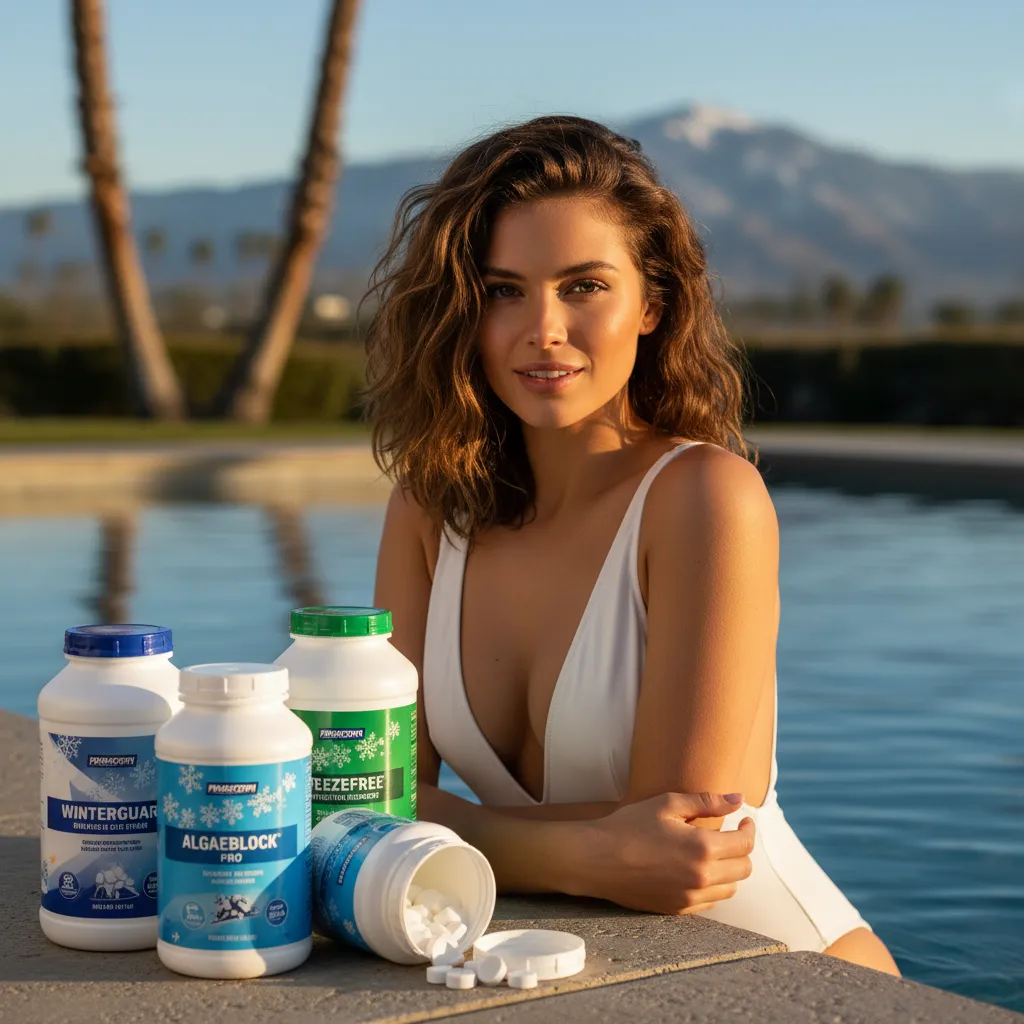
"The all-in-one solution for a guaranteed clear spring opening."
All-in-One Closing Chemical Kit
Winter demand is high - check stock

"The 'set & forget' option. This is the easiest winterizing I've ever done."
Simple 3-in-1 Winterizing Balls
Winter demand is high - check stock
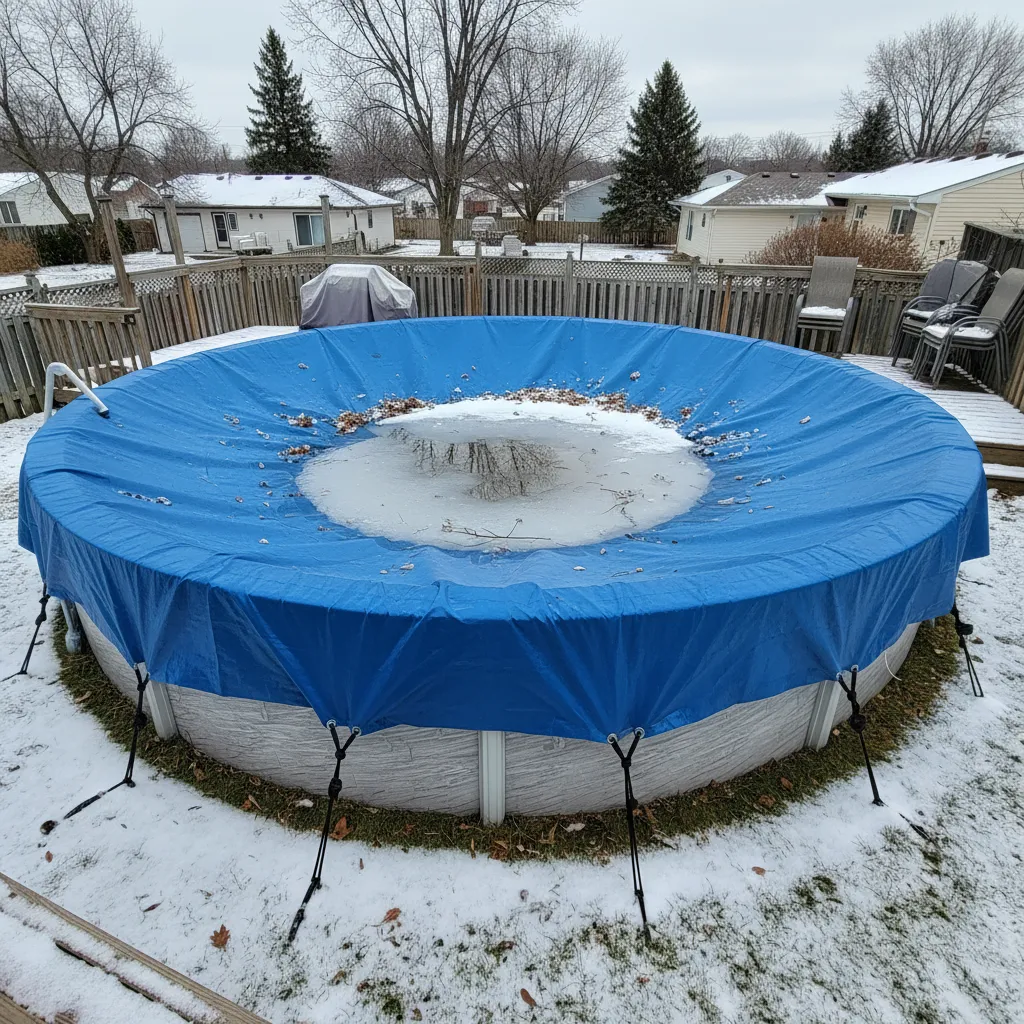
"Invest once to protect your liner and prevent a swamp in the spring."
Heavy-Duty Winter Pool Cover
Winter demand is high - check stock
Can Above Ground Pools Be Heated?
Every type of above ground pool can accept heating systems, from inflatable seasonal models to steel-walled permanent installations. Solar blankets remain the most accessible entry point, adding 5-10°F through passive absorption. For more precise control, heat pumps deliver 80,000-140,000 BTUs for larger pools, while gas heaters provide rapid 30-60°F boosts within hours. Compatibility depends on your pump’s flow rate (aim for 20-40 GPM) and available energy sources. Additionally, enhancing your pool experience with decorative features can make a big difference. Pool fountains add beauty and soothing sounds, turning your pool area into a luxurious retreat.
Key considerations for heating temporary vs permanent installations
Portable pools require non-invasive methods – solar rings ($15-$25 each) or floating propane heaters (output: 150,000-250,000 BTUs) that don’t need permanent plumbing. Hard-sided permanent pools can integrate inline systems like heat exchangers or electric resistance heaters (3kW-18kW). Insulation becomes critical for permanent setups: adding 2″ foam board under vinyl liners cuts heat loss by 15-20%, while thermal covers reduce evaporation by 70%. Enhancing the area around your pool is also important. DIY pool landscaping can create a beautiful and functional outdoor space.
Energy costs diverge sharply between setups. Temporary solar solutions cost $0.05-$0.20 per hour to operate, while permanent heat pumps average $1.50-$3.50 hourly. Gas heaters hit $3-$7 per hour but work faster. Always match heater capacity to pool volume – undersized units strain to maintain temperatures, while oversized models short-cycle, wearing components prematurely.
Selecting equipment requires balancing initial investment against long-term savings. A $200-$800 solar blanket pays for itself in 1-2 seasons, while $2,500-$5,000 heat pumps take 3-5 years to offset gas costs. Proper installation matters: gas heaters need 36″ clearance from combustibles, and heat pumps require stable 50°F+ ambient air.
With these factors in mind, exploring specific heating technologies reveals which options align with your pool’s structure and your climate demands.
Heating Methods for Above Ground Pools
Warm water in your pool can boost swim time by weeks each year. Three main paths exist to heat your setup – sun power, electric units, or gas burners. Each works best for different needs and cash plans. After heating the pool, it’s essential to consider safety. Always wait a bit after shocking the pool before diving in to ensure the chemicals settle.
Solar Heating Solutions
Sun-based systems use free rays to warm pool water. These rank as top picks for low-cost runs.
Using solar covers and blankets effectively
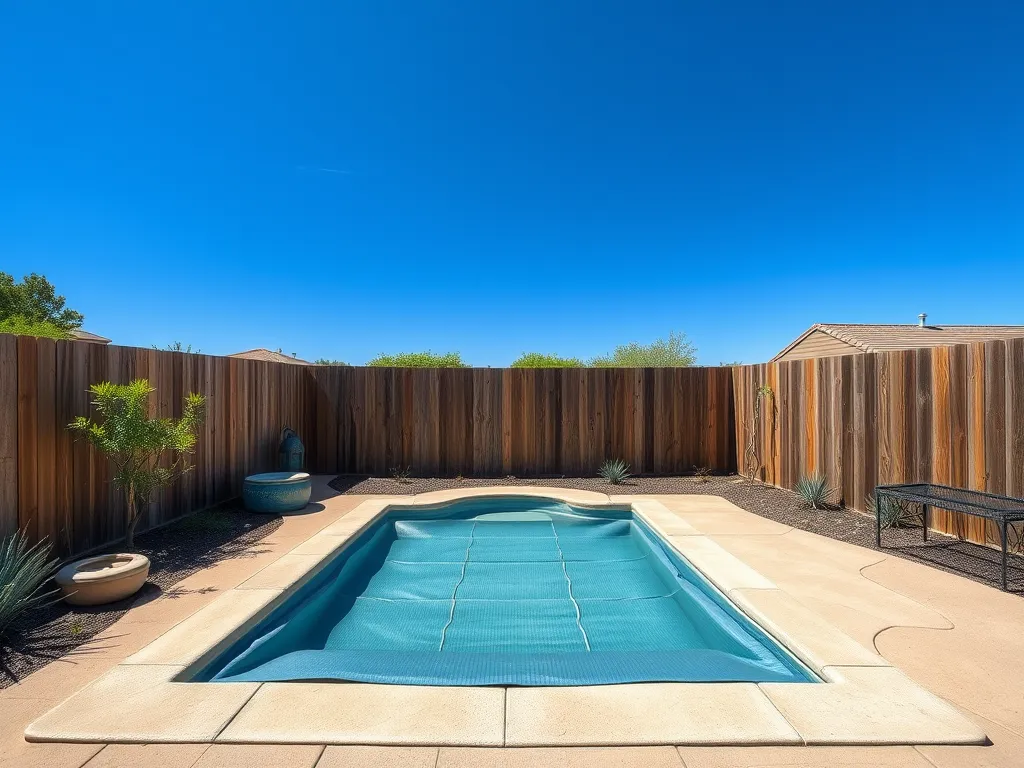
Thin plastic sheets with air pockets trap heat when laid on water. A 12-mil cover can lift temps 5-10°F. Use them each night to slow heat loss. Match size to pool shape – round 24′ covers fit best for common setups. Store by day in shade to stop breakdown from UV rays. To keep your pool heated and clean, a DIY pool enclosure can be a great addition. It offers protection against debris and helps maintain a comfortable temperature all season long.
DIY solar heating with black hoses
Loop 100′ of dark garden hose on roof or ground. Pump water through coils when sun shines. This $50 fix adds 3-5°F on clear days. Pair with a timer to run pumps noon to 4 PM for peak gain. Watch for kinks that block flow.
Electric Heating Options
Plug-in units work when sun won’t do. Two types rule here – slow-sip heat pumps and fast-fire coil heaters.
How heat pumps work for above ground pools
These boxes pull warmth from air to water. A 50,000 BTU pump can heat 15k gallons by 1°F per hour when air stays above 50°F. They cost $0.30-$0.60 per hour to run. Best for places with mild winters. Look for COP scores above 5.0 – higher means less juice used.
Electric resistance heater pros and cons
Coil heaters blast 120k BTUs but gulp power. They need 240V lines and cost $1.50+/hr to run. Pros:
- Heat fast (2-3°F per hour)
- Work in all temps
Cons:
- High bills
- Need pro install
Gas-powered Heating Systems
Gas burners heat pools quick but cost more per dip. Two fuel types split the field.
Propane vs natural gas heaters
Propane tanks let you place heaters anywhere. Natural gas needs fixed lines but burns cheaper. A 250k BTU unit eats 2.5 gal/hr of propane ($5.50/hr) vs 2.5 therms/hr of natgas ($3.80/hr). Both hit 2-3°F temp rise per hour in 15k pools.
Safety considerations for gas heaters
Keep units 5+ feet from pool edge. Use vented housings to stop gas buildup. Install CO alarms within 10 feet. Check flame sensors each spring. Never run without flow – add a pressure switch to shut off if pump stops. Keeping your pool safe also means dealing with unexpected situations, like dead animals in the water. It’s important to sanitize the pool thoroughly after removing any dead animals to prevent health risks.
Cost Analysis for Heating Above Ground Pools
Cash spent splits two ways – first costs to buy gear, then monthly bills. Solar wins long-term, gas leads in speed, electric sits in mid.
Cheapest Heating Methods Compared
Yearly costs swing wide based on use. Here’s the math for 3-month seasons:
Solar vs gas vs electric operating costs
- Solar covers: $0 (just $50/year for new covers)
- Gas heaters: $800-$1,200 (4 hrs/day x 90 days)
- Heat pumps: $150-$300
- Coil heaters: $1,000+
Upfront Costs by Heater Type
Start-up cash varies by tech type:
Budgeting for different heating systems
- Solar blankets: $70-$200
- DIY hose grids: $50-$150
- Heat pumps: $2,500-$4,000
- Gas heaters: $1,500-$3,000
- Coil units: $800-$1,200
To pick your best fit, weigh how often you swim against your cash plan. Next, we’ll break down how to match heater types to pool size and local weather.
Also See: Do You Need HOA Approval for a Pool? Key Insights
Choosing the Right Pool Heater
Picking a warming system for your above ground pool impacts both comfort and running costs. Pool owners must balance local climate conditions, initial spending, and long-term goals to find an optimal match. With winter approaching, many wonder about the costs associated with maintaining a pool during the colder months. Are pools cheaper in winter when it comes to heating and maintenance expenses?
Heater Type Comparison
Heat pumps vs gas heaters vs solar
Air-source heat pumps pull warmth from surrounding air (work best above 50°F) with typical 100,000-140,000 BTU outputs. Gas variants (propane or natural) provide rapid warming (300,000-400,000 BTU) but cost $3-$6/hour to run. Solar options use panels or mats paired with a circulation pump, averaging $0.10-$0.30/hour. For pools used mainly in mild conditions, solar blankets paired with a heat pump cut costs by up to 60%. When planning for a pool, it’s also important to consider the costs of filling it with dirt if you’re looking to remove or refill the pool. The costs for fill dirt can vary widely based on quantity and local rates, influencing your overall budget for pool maintenance or removal.
Tankless Water Heater Compatibility
Can you use household water heaters?
Standard tankless units for homes lack flow capacity for pools. Pool-specific gas variants handle 40-100 GPM flow rates vs residential models’ 5-10 GPM. Attempting to link a household unit risks pump strain and voiding warranties. Look for NSF/ANSI 50-certified pool heaters starting at 150,000 BTU capacity.
Sizing Your Above Ground Pool Heater
A too-small unit works nonstop without hitting target temps, while an oversized variant cycles on/off, wearing parts prematurely. Two factors matter most: gallons in your pool and local climate.
Calculating Heater Capacity
15,000 gallon pool example
Multiply gallons by 8.3 (water weight per gallon) and desired temp rise. For a 15,000-gallon pool aiming to go from 70°F to 85°F: 15,000 x 8.3 x 15°F = 1,867,500 BTUs daily. Divide by 24 hours for 77,812 BTU/hr minimum capacity. Round up to 80,000 BTU for buffer. Installing an indoor pool requires careful planning for heating needs. Proper heating ensures a comfortable swimming experience year-round.
Using the My Pool Calculator
How to factor in pool size and layout
Input your pool’s actual dimensions (not nominal volume) into tools like My Pool Calculator. Circular 24’x52” pools hold 13,500 gallons vs 15,000 for oval variants. Add wind exposure (open yards need +10% capacity) and shading (full sun allows 5% reduction). The tool adjusts BTU targets automatically. To enjoy your pool to the fullest, having the right accessories is essential. This is where pool floaters come in handy, providing comfort and fun for everyone.
Common Mistakes to Avoid
Wrong choices during setup can lead to chilly dips or sky-high bills. Focus on these critical oversights.
What Not to Do When Heating Your Pool
Improper heater sizing dangers
A 50,000 BTU unit on a 20,000-gallon pool takes 48+ hours to warm by 10°F. This forces continuous operation, spiking power or gas costs. Undersized solar arrays (covering <60% of pool area) fail to hold temps overnight. When you consider the challenges of heating a large pool, the need for efficient solutions becomes clear. [flexible_link url="https://mypoolcalc.com/how-long-fill-pool" type="permanent"]A long fill pool can provide a better option[/flexible_link], allowing for improved heating and cost-effectiveness.
Insulation oversights
Ignoring solar blankets wastes 70% of captured warmth. Nightly heat loss hits 2-5°F without covers. For in-ground plumbing, skip foam pipe wrap (crumbles) and use closed-cell rubber insulation (R-4 rating). Windbreaks like privacy fences cut surface cooling by 30%.
Now that we’ve covered common pitfalls, let’s look at ways to maintain warmth without constant heating.
FAQs About Heating Above Ground Pools
How Often Should Above Ground Pool Heaters Be Serviced?
Gas heaters require annual professional inspections for gas line integrity and combustion safety. Heat pumps need coil cleaning every 3-6 months and refrigerant checks every 2 years. Solar systems only require occasional debris removal from panels or covers.
Can I Combine Solar Heating With Another Heater Type?
Yes, 68% of users pair solar covers with gas or electric heaters. Solar maintains baseline warmth during daylight, while secondary heaters provide rapid temperature boosts. Use a solar controller to prioritize free heating before activating paid systems.
What’s the Average Lifespan Of Different Pool Heaters?
Gas heaters last 5-8 years with heavy use, heat pumps 10-15 years, and solar panels 15-20+ years. Proper winterization extends lifespans by 2-3 years for all types. Always follow manufacturer storage guidelines. These factors can also affect the longevity of your gunite pool. Taking care of your pool’s components can help ensure it lasts for many years to come.
Are There Universal Safety Guidelines for All Heater Types?
Maintain 3ft clearance around heaters, install GFCI outlets for electric models, and never bypass flow switches. For solar systems, secure loose hoses to prevent tripping hazards. Always disconnect power before servicing.
Can Above Ground Pool Heaters Be Used in Winter?
Only heat pumps rated for sub-freezing temps (with freeze protection) can operate below 40°F. Gas heaters work but become inefficient below 50°F air temps. Solar systems are ineffective when daily sunlight drops below 4 hours.
How Can I Maximize Heater Efficiency Beyond Using Covers?
Strategies include:
- Windbreaks reduce surface heat loss by 25-35%
- Nighttime pump speed reduction cuts evaporation
- Water feature timers limit cooling from aerators
- pH maintenance (7.2-7.8) prevents scale buildup in heaters
Closing Thoughts
Heating an above ground pool is absolutely possible with the right equipment and planning. Whether you choose solar, electric, or gas heating depends on your climate, budget, and how often you use your pool. Solar covers work well for mild areas, while heat pumps or gas heaters provide faster warming in cooler regions.
Proper sizing matters just as much as the heater type. A unit too small won’t maintain temperature, while an oversized one wastes energy. For precise calculations on heater capacity and operating costs, try the My Pool Calculator to factor in your pool’s specific dimensions and local weather patterns.
With the information in this guide, you’re equipped to extend your swimming season comfortably. Warm water transforms an above ground pool from a summer-only luxury to a year-round retreat when paired with the right heating solution.
Additional Resources for You:
- CDC – Healthy Swimming & Pool Safety Guidelines
- How to Heat an Above Ground Pool – Clearwater Pools and Spas
- Effective Tips on How to Heat an Above Ground Pool
- 6 Ways to Heat an Above-Ground Pool
- How to heat an 8′ round above ground pool (about 900 …
A pool care geek who’s been testing water chemistry since she was tall enough to reach the skimmer.
Above ground pool, Pool Care By Type