Can Too Much Water in a Pool Damage the Pump?
Published on: January 3, 2026 | Last Updated: November 17, 2025
Written By: Rachael Weatherbottom
Yes, too much water in your pool can damage the pump. High water levels prevent the skimmer (the rectangular opening on the pool wall) from pulling in debris efficiently, forcing the pump to suck air instead of water. This air intake strains the motor, reduces filtration, and risks overheating. The ideal water level sits halfway up the skimmer opening to protect pumps, filters, and plumbing. If your pool overflows, immediate action prevents long-term damage.
This article explains how overfilled pools harm equipment and what you can do about it. You’ll learn why a few inches of extra water matter, how to spot trouble early, and simple fixes to avoid pump burnout. We break down the science behind water flow, pressure changes, and motor stress in plain terms.
Expect actionable steps to check your pool’s water level, adjust after heavy rain, and maintain your pump year-round. We’ll cover repair signs like unusual noises or leaks, cost-saving prevention methods, and expert-recommended water levels for different pool types. Whether you’re troubleshooting a flooded skimmer or planning for storm season, this guide has answers.
Understanding the Risks Of Excess Pool Water on Pump Health
Maintaining balanced water levels isn’t just about aesthetics—it directly impacts the lifespan of your pool’s mechanical systems. When water rises above the midpoint of the skimmer opening, it disrupts the delicate balance required for proper circulation, creating a chain reaction that stresses critical equipment. It’s important to know how to keep water levels in check. A full pool should maintain these levels to ensure everything runs smoothly.
Crucial Winterizing Products
"The all-in-one solution for a guaranteed clear spring opening."
All-in-One Closing Chemical Kit
Winter demand is high - check stock

"The 'set & forget' option. This is the easiest winterizing I've ever done."
Simple 3-in-1 Winterizing Balls
Winter demand is high - check stock
"Invest once to protect your liner and prevent a swamp in the spring."
Heavy-Duty Winter Pool Cover
Winter demand is high - check stock
How High Water Levels Impact Pool Equipment
Elevated water prevents skimmers from pulling in surface debris efficiently, forcing the pump to work harder. Instead of drawing water through the skimmer’s designed pathway, the system may pull air through the now-submerged equalizer port, leading to erratic flow rates. This air-water mix causes cavitation—a phenomenon where vapor bubbles form and collapse violently inside the pump, generating up to 100,000 PSI shockwaves that erode impeller blades.
Prolonged operation under these conditions can raise motor temperatures by 15-20°F above normal. Most residential pool pumps rely on water flow to cool internal components; restricted circulation from improper skimming accelerates wear on bearings and windings. A 2023 study by the National Swimming Pool Foundation found pumps operating with water levels 2+ inches above optimal failed 47% faster than properly maintained units.
Key Components Vulnerable to Overfilling
- Skimmer Assembly: Submerged skimmers allow leaves and insects to bypass baskets, clogging downstream plumbing
- Pump Seals: Debris-laden water wears down mechanical shaft seals, leading to leaks averaging $150-$400 to repair
- Filter Systems: Cartridge filters experience 30% faster pressure buildup when handling excess particulates
- Check Valves: Grit accumulation prevents proper closure, risking backflow that destabilizes chemical distribution
These failures rarely occur in isolation. A compromised skimmer accelerates filter clogs, which increases pump strain, creating a cascade of preventable repairs. Regular monitoring with a simple water level gauge—available for under $12 at pool supply stores—can prevent most issues.
Next, we’ll examine whether temporarily running equipment at elevated water levels poses immediate risks or if damage accumulates over time.
Will a Pool Pump Work if the Water Level is Too High?
A pool pump can run with high water, but not well. When water sits above the skimmer’s mid-level, air can’t mix into the flow. This forces the pump to work harder to move water, like trying to drink a thick shake through a thin straw. It’s important to keep the pump properly monitored. When pool pumps get wet, they can face issues that affect their performance.
Air Intake and Pump Efficiency
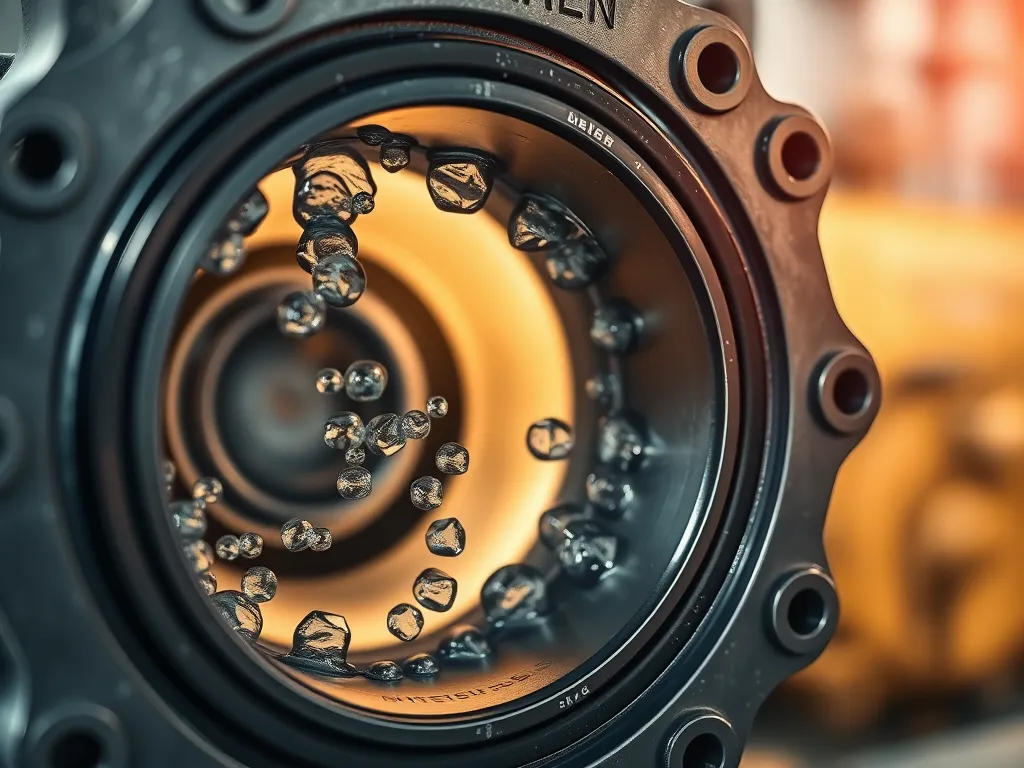
Skimmers pull in both water and air to keep flow smooth. If water is too high, the skimmer can’t grab air. The pump then sucks in only water, which spikes pressure (often above 20 PSI). This strains seals and may cause cavitation—a process where bubbles form and burst inside the pump, eroding parts over time.
Short-term Vs. Long-term Operational Risks
In the short term, a pump may overheat or lose prime, cutting off flow. Long term, motors running at 3,450 RPM face wear. Bearings dry out faster, seals crack, and windings fry. Fixing a burnt motor can cost $500+, while replacing seals runs $200-$400.
What Happens When You Overfill a Pool?
Overfilling floods the skimmer, clogs pipes, and risks pump burnouts. Water above the pool’s tile line also strains walls and deck joints, but the pump takes the first hit.
Immediate Effects on Skimmer Functionality
A skimmer needs a 1-2 inch air gap to trap leaves and bugs. High water stops the skimmer door from moving right. Debris slips past, clogging the basket. Flow drops by 40%, forcing the pump to pull harder from the main drain.

Increased Strain on the Pump Motor
Pumps use 8-16 amps during normal runs. With low airflow, amps can jump 25%, heating the motor past 140°F. Most pumps have a thermal switch that shuts them off at 150°F. Repeated trips wear out the switch in 6-12 months.
Risk Of Water Overflow and Debris Contamination
Water spilling over the pool edge washes dirt, mulch, and grass into the pool. This junk gets sucked into the pump basket, blocking flow. A fully clogged basket makes the pump run dry, which can kill it in under 30 minutes. Keeping your pool clean can help extend the life of your pool heater. Proper maintenance is key to ensuring your heater lasts for many seasons.
Spotting these issues early saves cash and hassle. Next, learn how to check if your pool’s water level is creeping too high.
Also See: Can You Swim in a Pool With a Cut? Safety Tips
How to Spot a Pool That’s Too Full
Spotting a pool with too much H2O stops big problems for pumps. Acting fast stops strain on parts that cost up to $1,200 to swap out.
Visual Signs Of Excessive Water Levels
Look for a skimmer opening sitting fully below H2O—this blocks its job of pulling in surface junk. Pool decking might show flooding, with H2O sitting within 1 inch of coping stones. Vinyl liners can show stress with sagging or wrinkles along walls.
- Skimmer lid sits 100% below H2O line
- Pool returns (jets) blowing air instead of H2O
- Automatic fill systems cycling nonstop
Tracking Skimmer Basket Action
A skimmer basket drowning in H2O won’t grab leaves or bugs right. If its lid gurgles loudly or you spot air bubbles shooting into the pump strainer pot, that skimmer’s H2O level is off. Track pump pressure gauges—a jump from 10-15 PSI to 20+ PSI hints at flow issues from too much H2O.
Keeping Pumps Safe When H2O Rises
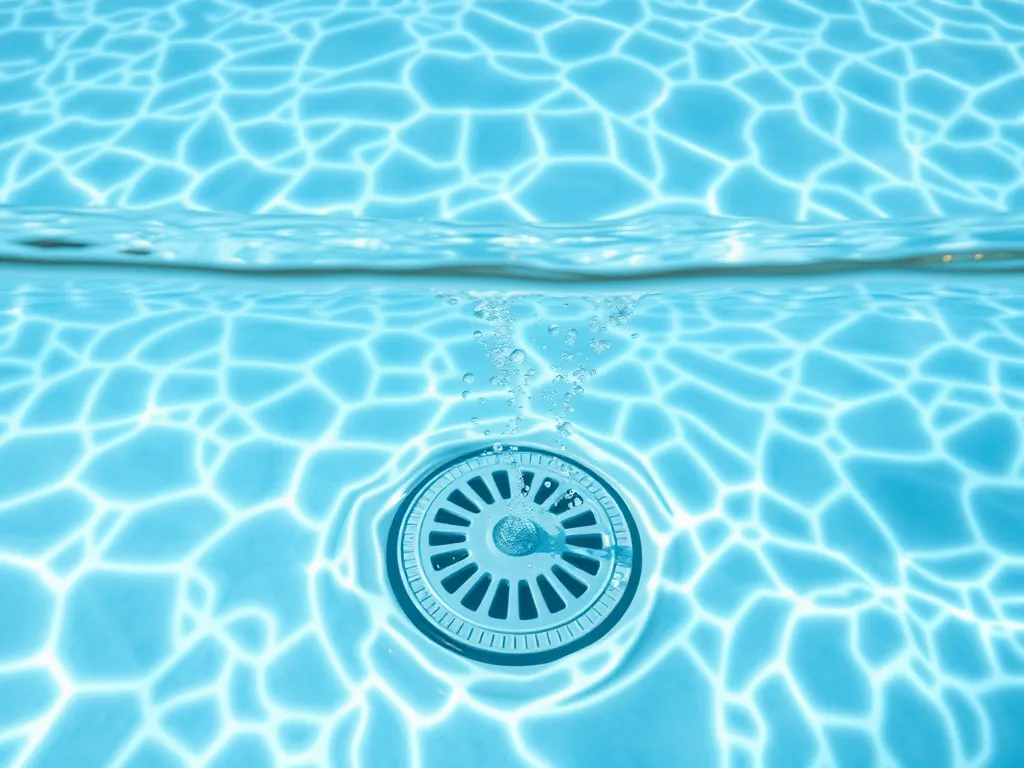
Stopping pump harm from high H2O starts with planning. A pool’s ideal H2O sits halfway up the skimmer mouth—about 1/3 to 1/2 of the tile line.
Holding Perfect H2O Levels
Use a basic garden hose to drain H2O if rain boosts levels past the skimmer’s midpoint. For pools without drains, submersible pumps ($80-$300) can pull out 1,500-6,000 gallons hourly. Check levels daily during storm season. Keeping your pool in good shape is important for overall maintenance. When planning to build a pool in Arizona, it’s essential to factor in the costs involved.
Adding Overflow Drains
Built-in overflow drains—round holes in pool walls 6-8 inches below coping—auto-dump extra H2O. Install aftermarket models ($150-$500) if missing. Gravity-fed types link to yard drainage, while others hook up to sump pumps for flood zones. Keeping proper drainage helps in maintaining your pool area. It’s also important to consider the distance between your above ground pool and the house for optimal drainage and safety.
Handling Rain and Storms
Shut off pool pumps if H2O tops the skimmer during heavy downpours. Covering pools with tarps stops 70-90% of rain inflow. For salt pools, watch for dilution—test salinity post-storm and add NaCl if levels drop below 2,700 ppm. As summer fades, it’s important to prepare for the end of the pool season. Pools typically close after Labor Day, marking the last opportunities for swimming.
Fixing Pump Harm From High H2O
If H2O overload hits, act fast. Letting a pump run dry for 15+ minutes can fry its shaft seal.
Dropping H2O Right
Use a submersible pump or backwash setting to drain H2O until skimmer works right. Avoid draining vinyl pools below 12 inches from the top to stop liner shifts. For solid builds, keep H2O 18 inches deep to hold hydrostatic balance. Proper water level is essential for maintaining your pool’s chemistry. This includes ensuring the calcium hardness level is adequate to protect the pool surfaces and keep the water comfortable for swimmers.
Checking and Fixing Pump Parts
After H2O drops, inspect pump parts:
- Impeller: Spin by hand—stiffness hints at grit buildup
- Shaft seal: Milky oil in the motor means leaks
- Strainer housing: Cracks from H2O pressure need swaps ($45-$175)
Run the pump for 10 minutes post-fix. Odd hums or hot motors signal lingering harm needing pro help.
Spotting pump troubles early? Up next: tactics to shield your system with smart upkeep habits.
Essential Pool Pump Maintenance Tips
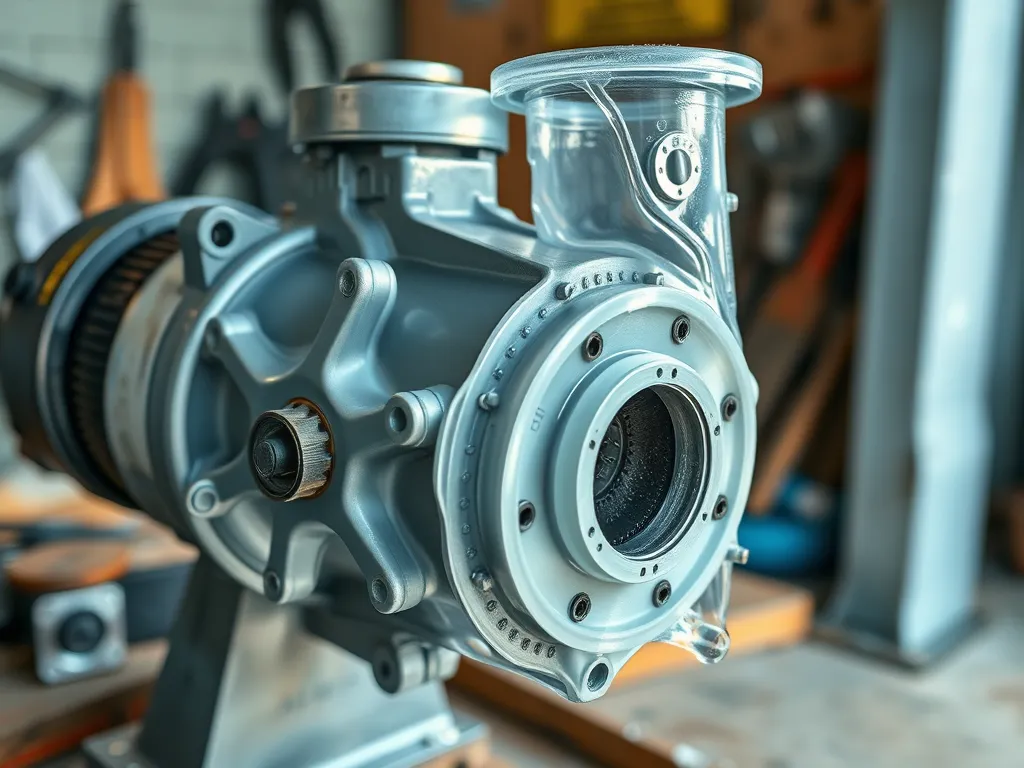
Keeping your pool pump in top shape requires more than just reacting to problems. Proactive care prevents costly repairs, especially when heavy rainfall or accidental overfilling threatens equipment. These strategies focus on preserving pump function while managing water levels effectively. After spending time in the pool, it’s important to rinse off. A quick shower helps remove chlorine and other chemicals from your skin.
Regular Cleaning and Inspection Routines
Debris buildup accelerates wear on pump components, compounding risks when water levels rise. Clean skimmer baskets at least twice weekly during peak swimming season, and check pump strainers for leaves, twigs, or insects. A clogged strainer forces the motor to work 20-30% harder, increasing the chance of burnout during overfill scenarios.
Inspect o-rings and seals monthly for cracks or brittleness. A degraded pump lid seal allows air intrusion, which disrupts water flow and strains the motor. Lubricate gaskets with silicone-based grease to maintain watertight seals—critical when high water pressure tests these components. Schedule professional inspections annually to assess impellers, bearings, and electrical connections.
Protecting the Pump During Heavy Rainfall
Anticipate weather events by lowering water levels 1-2 inches below the skimmer opening before storms. This buffer zone prevents skimmer blockages and maintains proper hydraulic pressure. If rain overfills the pool, use a submersible utility pump ($150-$300 for 1/4 HP models) to drain excess water away from the equipment pad. Keeping the right water level is crucial for pool maintenance. A water seep pool cover can help manage excess rainwater effectively.
Verify skimmer weir doors move freely post-storm—stuck doors fail to regulate water flow, allowing debris to reach the pump. Consider installing an automatic overflow relief drain if your pool lacks one. These $200-$500 systems activate when water reaches a set height, diverting overflow through a dedicated discharge line.
Turn off the pump if water rises above the pool’s coping stones. Running the motor while submerged risks short-circuiting the capacitor or corroding wiring terminals. After draining to mid-skimmer level, prime the system and check for unusual noises indicating internal damage. As you prepare for the off-season, it’s also a good time to consider the safety of your pool. Removing the pool ladder can help prevent accidents when the pool is not in use.
While these steps help manage water levels, many pool owners still have questions about specific damage risks. Let’s explore common concerns about pumps and overflow scenarios.
FAQs: Excess Water and Pool Pump Damage
Can a Pool Cover Prevent Pump Damage From Overfilling?
Yes, a well-fitted pool cover reduces rainwater inflow by 70-90%, minimizing overfill risks. Solid covers block precipitation entirely, while mesh options still limit water intake. Ensure covers drain properly to avoid sagging, which can inadvertently pool water and add weight.
Are Variable-speed Pumps Less Vulnerable to High Water Damage?
Variable-speed pumps handle flow irregularities better than single-speed models. Their adjustable RPM settings (500-3,450) allow gradual pressure changes when water levels fluctuate, reducing sudden strain on seals and bearings. However, prolonged operation with submerged skimmers still risks airlock and debris infiltration. Water treatment systems can benefit from this smooth operation. One effective method for treating water is UV water treatment, which uses ultraviolet light to kill harmful microorganisms without adding chemicals.
Does Overfilling Void Pump Manufacturer Warranties?
Most pump warranties exclude damage from improper water levels. For example, Hayward’s warranty voids claims if debris from skimmer failure clogs the impeller. Always document water levels and maintenance routines to contest disputed claims. Some insurers require overflow prevention devices for coverage. Taking care of these details is crucial for anyone considering starting a pool cleaning business. A solid maintenance routine can help build trust with your clients and ensure their pools remain in top condition.
Closing Thoughts
Keeping your pool water at the right level protects your pump from unnecessary strain. High water can reduce skimmer efficiency, overload the motor, and lead to costly repairs. Regular checks and simple adjustments prevent these issues.
For precise water level management and expert pool care advice, explore the tools and guides at My Pool Calculator. Our resources help you maintain optimal conditions for your pool equipment year-round.
Stay proactive—your pump will thank you.
Additional Resources for You:
- Tamminen, T. (2019). The Complete Pool Manual for Homeowners: A Step-by-Step Maintenance Guide. New York, NY: Skyhorse Publishing.
- r/swimmingpools on Reddit: High water level – can I start the pump without draining?
- 11 Ways to Destroy Your Pool Pump
A pool care geek who’s been testing water chemistry since she was tall enough to reach the skimmer.
Pool Equipment Repair, Pumps & Motors