Can You Get Thrush From a Swimming Pool? Understanding Risks & Prevention
Published on: January 16, 2026 | Last Updated: November 17, 2025
Written By: Rachael Weatherbottom
Thrush, a fungal infection caused by Candida yeast, isn’t directly transmitted through swimming pool water due to chlorine’s antifungal properties – but poor pool hygiene or personal habits can increase your risk. Unlike bacterial infections like swimmer’s ear, thrush typically develops from an overgrowth of yeast already present on the skin or in mucous membranes. Chlorine levels above 1 ppm (parts per million) in pools generally kill Candida, but damp swimwear, unbalanced pH levels below 7.2, or weakened immune systems can create opportunities for infection.
This article examines how pool environments interact with thrush risks, separating myths from facts. You’ll learn why properly chlorinated pools (1-3 ppm free chlorine) with pH 7.2-7.8 aren’t primary sources of Candida transmission but how post-swim behaviors like staying in wet bathing suits for over 60 minutes might contribute. We break down the science behind fungal survival in water and analyze seven studies linking swimming to yeast infections.
Explore actionable strategies for swimmers and pool owners, including optimal chlorine testing frequencies (daily for residential pools), post-swim shower protocols, and swimwear drying techniques that reduce moisture retention by 80%. We’ll also compare thrush risks in saltwater vs. traditional chlorine pools and outline when to consult a dermatologist or pool care specialist.
Understanding Thrush (Candida Infections)
Thrush, caused by the yeast Candida albicans, appears as white lesions or redness in moist body areas like the mouth, throat, or genitals. This fungus naturally exists on skin and mucous membranes but multiplies rapidly when the body’s microbial balance shifts. Overgrowth triggers symptoms like itching, burning, or cottage cheese-like discharge.
Crucial Winterizing Products
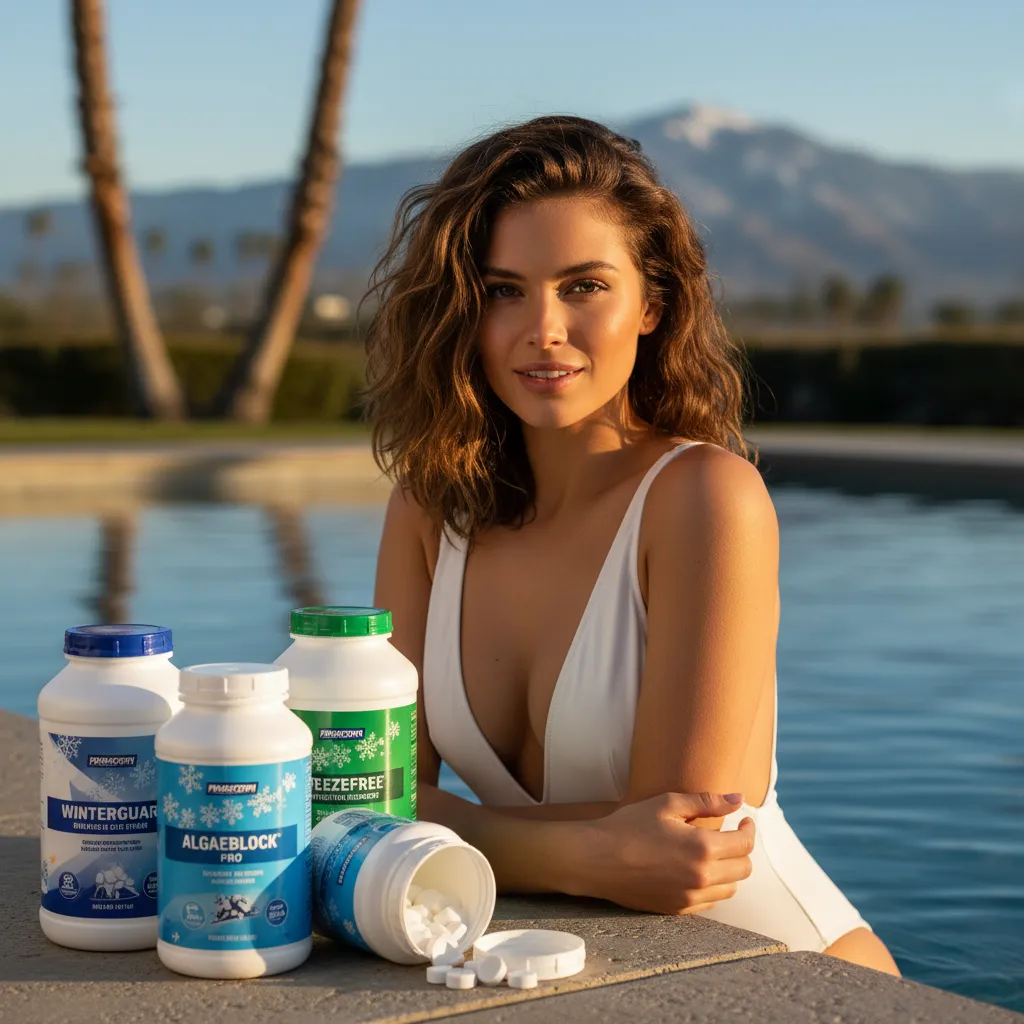
"The all-in-one solution for a guaranteed clear spring opening."
All-in-One Closing Chemical Kit
Winter demand is high - check stock

"The 'set & forget' option. This is the easiest winterizing I've ever done."
Simple 3-in-1 Winterizing Balls
Winter demand is high - check stock
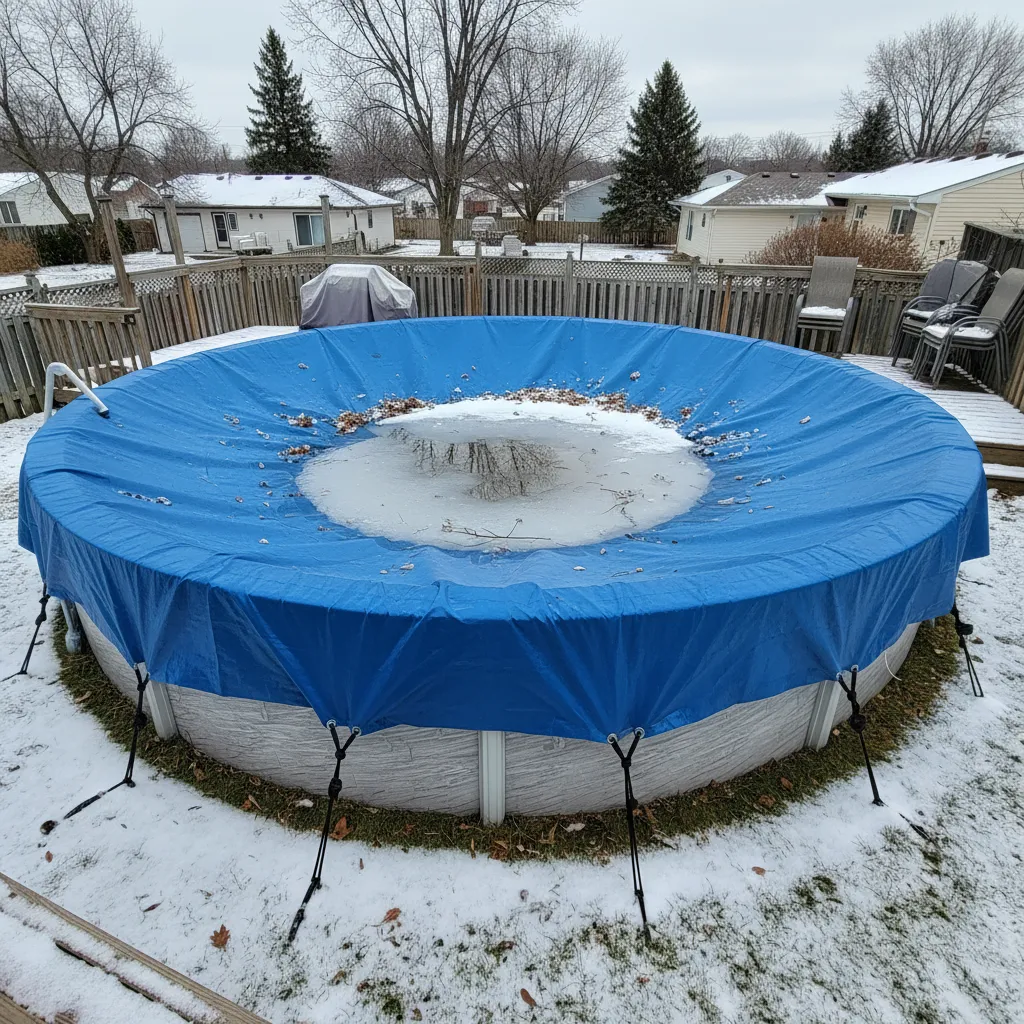
"Invest once to protect your liner and prevent a swamp in the spring."
Heavy-Duty Winter Pool Cover
Winter demand is high - check stock
What is Thrush and How Does It Develop?
Candida thrives in warm, damp environments with pH imbalances. While commonly linked to antibiotic use or hormonal changes, external factors like prolonged moisture exposure can create breeding grounds. For swimmers, tight-fitting swimwear trapping water against skin for hours raises vulnerability. Yeast reproduces through spores, which cling to surfaces but require specific conditions to infect humans.
Primary Causes Of Thrush: Beyond Pool Exposure
Direct pool-to-person thrush transmission is rare. Most cases stem from weakened immune systems, diabetes, or hormonal fluctuations like pregnancy. Antibiotics that kill protective bacteria also allow Candida overgrowth. High-sugar diets feed yeast colonies, while stress and lack of sleep compromise natural defenses. Chlorinated water alone isn’t enough to trigger infections without these underlying factors.
Risk Factors for Thrush in Swimmers
Sitting in damp swimsuits for over 30 minutes post-swim raises risks by creating a moist, low-oxygen environment. Public pools with chlorine levels below 1 ppm or pH above 7.8 reduce disinfectant effectiveness, letting microbes linger. Sharing towels, benches, or pool toys contaminated with bodily fluids may introduce spores. Those with recent antibiotic use or vaginal pH imbalances face higher susceptibility.
Next, let’s explore how pool environments interact with Candida and whether chlorination effectively blocks transmission.
Can Swimming Pools Transmit Thrush?
Many wonder if pool water can pass thrush, a yeast issue caused by Candida. While pools host germs, the risk depends on water care, your health, and how yeast acts in wet spots.
Does Chlorine Kill Thrush-causing Yeast?
Chlorine fights germs but may not wipe out all yeast. At 1-3 ppm (parts per million), chlorine kills most bugs but struggles with fungal spores. Candida can stay alive in poorly kept pools, mainly if free chlorine drops below 1 ppm. Tests show yeast cells drop by 50% in 30 mins at 2 ppm, but some may linger. Chlorine’s effectiveness can be influenced by other chemicals in the pool, such as cyanuric acid. The right balance of chlorine and cyanuric acid helps maintain proper sanitation levels and keep pools safe for swimming.
Can Thrush Survive in Pool Water?
Candida likes warm, damp zones but lasts only hours in treated water. Pool chem mix matters: high chlorine slows growth, while low levels let it hang on. Salt pools (with 2,500-4,000 ppm salt) don’t kill yeast better than standard chlorine setups.
Impact of Pool Chem Levels on Candida
pH shifts change chlorine’s power. At 7.2-7.8 pH, chlorine works best. Over 7.8, it’s 50% less strong. For yeast control, aim for 7.4 pH with 2-3 ppm free chlorine. Hot tubs need higher levels (3-4 ppm) due to heat, which can breed yeast faster. Maintaining proper chemical balance is important for all types of pools. A swim shocked pool helps achieve the right conditions for safe swimming.
Is Direct Contact Required for Transmission?
Thrush spreads skin-to-skin or via damp gear, not pool water. Shared towels, wet seats, or gear left in heat raise risks. Yeast won’t jump from water to you, but sitting in soaked suits post-swim can let it grow. Always dry off fast to cut this risk.

Pool Hygiene Best Practices to Minimize Risks
Good pool care slashes thrush odds. Focus on chem balance, cleaning steps, and crowd control to keep yeast in check.
Maintaining Proper Chlorine and Ph Levels
Test water daily with strips or kits. Free chlorine should hit 2-3 ppm, pH 7.4-7.6. Shock pools weekly (10-12 ppm chlorine) after heavy use. Salt pools need checks too—low salt cuts chlorine output, letting germs thrive. Keeping an eye on cyanuric acid levels is just as important for a healthy pool. Regular testing can help you determine when to raise or lower cyanuric acid for optimal water balance.
Ideal Chlorine Range for Fungal Prevention
Keep free chlorine at 2-3 ppm. Below 1 ppm, yeast and germs can bloom. For high heat or crowds, bump to 3-4 ppm. Use stabilizer (cyanuric acid) under 50 ppm to stop sun from burning off chlorine too fast. Maintaining proper chemical balance is crucial for any pool. Sodium bisulfate helps lower pH levels, making it an important additive for maintaining clean and safe swimming conditions.
Regular Pool Cleaning and Filtration
Run filters 8-12 hours daily. Backwash sand or DE filters when pressure jumps 8-10 psi. Skim trash, scrub walls weekly to stop slime layers where yeast hides. Check pump flow rates—1 GPM per 10 sq. ft. of surface area keeps water moving right. Using Pool RX can help maintain cleaner water and reduce the buildup of unwanted contaminants. It provides a simple solution for pool care, making routine maintenance easier.
Avoiding Overcrowded or Poorly Maintained Pools
Pools packed with folks lower chem strength faster. Cloudy water, slimy walls, or strong chem smells signal poor care. Skip swim spots with broken gear, murky water, or no posted test logs. Home pools should limit guests to 1 per 15 sq. ft. to avoid overloading systems. Keeping your pool clean is important for a good swimming experience. A backwash pool cartridge filter can help maintain water clarity and keep your pool running smoothly.
Next up: Learn how to shield yourself from thrush with smart post-swim habits and suit care tips.
Also See: Can You Swim in a Pool With Low Stabilizer? Here’s What to Know
Preventing Thrush: Personal &Amp; Pool Care Strategies
Minimizing thrush risks requires a dual approach: proactive self-care by swimmers and strict pool maintenance protocols. Addressing both angles creates layers of protection against Candida overgrowth.
Post-swim Hygiene for Swimmers
Skin exposed to pool water needs immediate attention. Residual moisture creates breeding grounds for yeast, particularly in warm, folded areas like under breasts or between thighs.
Showering Before and After Pool Use
Rinsing with fresh water for 60 seconds before entering the pool removes sweat and skin oils that react with chlorine, forming irritants. Post-swim showers within 20 minutes eliminate chlorine residue linked to pH imbalance in intimate areas. Use pH-balanced cleansers (5.5-6.5) to avoid disrupting natural flora. Taking care of your pool is just as important as taking care of yourself. Wrinkles in your pool liner can indicate problems that need attention, as they can affect the pool’s look and function.
Proper Swimwear Care and Drying Techniques
Wet swimsuits trap moisture against the skin for hours. Change into dry, breathable cotton clothing within 15 minutes of exiting the pool. Hand-wash swimwear with antimicrobial detergent after each use—machine washing degrades elastane, reducing fabric breathability. Air-dry suits fully in sunlight; UV rays naturally reduce fungal spores. Many people love enjoying a refreshing swim and the great views from a rooftop pool. Rooftop pools are a perfect blend of relaxation and city life, offering a unique place to unwind.
Managing Pool Chemical Balance (Owner Responsibility)
Pool operators must maintain a chlorine level of 1-3 ppm (parts per million) and pH of 7.2-7.8 to suppress Candida. Test strips often show ±0.5 ppm variance—digital probes provide more accuracy. Shock treatments with calcium hypochlorite (68% available chlorine) weekly prevent biofilm buildup in filters where yeast can hide. After adjusting chemical levels, it’s important to wait before using the pool. This waiting period allows the chemicals to properly circulate and balance, ensuring a safe swimming environment.
| Parameter | Target Range | Testing Frequency |
|---|---|---|
| Free Chlorine | 1-3 ppm | 2x daily |
| pH | 7.2-7.8 | 2x daily |
| Alkalinity | 80-120 ppm | Weekly |

Other Common Infections Linked to Swimming Pools
While thrush from pool water is rare, other pathogens thrive in aquatic environments. Recognizing symptoms helps swimmers seek timely treatment.
Bacterial Vs Fungal Infections: Key Differences
Bacterial infections like Pseudomonas aeruginosa (“hot tub rash”) cause pus-filled bumps and emerge 6-48 hours post-exposure. Fungal infections like athlete’s foot or thrush develop slower, with itching and redness over days. Bacterial cases often require antibiotics (e.g., ciprofloxacin), while antifungals (clotrimazole) treat yeast-based issues.
Recognizing Pool-related Health Risks
Cloudy water with <1 ppm chlorine increases infection odds 200% per CDC data. Strong chemical smells signal chloramine buildup, not "cleanliness"—a sign of under-treated water. Swimmers reporting ear pain, rashes, or GI issues within 72 hours should consult medical professionals. Keeping the pool clean is essential for safety. To achieve this, it's important to regularly monitor and [flexible_link url="https://mypoolcalc.com/get-rid-of-black-mold-pool" type="permanent"]eliminate any black mold that may form[/flexible_link].
Swimming With a Yeast Infection: Safety &Amp; Guidelines
Those actively treating thrush face unique challenges. Balancing treatment efficacy with recreational needs demands careful planning.
Can You Swim While Treating Thrush?
Topical antifungals (e.g., miconazole creams) wash off in water, reducing effectiveness. Wait 4-6 hours post-application before swimming. Oral fluconazole users report higher sensitivity to chlorine irritation—apply petroleum jelly to protected areas as a moisture barrier.
Saltwater Pools Vs Chlorine: Impact on Infections
Saltwater pools generate chlorine via electrolysis but maintain lower levels (0.5-1 ppm). This range may not fully suppress Candida albicans compared to traditional chlorination. Salt concentrations ≥3,000 ppm can irritate sensitive tissues, worsening existing infections. A well-kept pool deck can help prevent these issues by providing a clean area for relaxation and enjoyment. It’s essential to ensure the pool deck is properly maintained for both comfort and safety.
Recovery Timeline: When to Return to Swimming
Resume swimming 48 hours after symptoms fully resolve. Yeast cells remain on skin surfaces up to 72 hours post-treatment—premature exposure risks recurrence. For recurrent thrush (>4 episodes/year), consult a gynecologist or dermatologist before resuming pool activities.
These precautions set the stage for addressing common concerns about thrush transmission and treatment timelines.
Thrush & Swimming Pools: Frequently Asked Questions
Can Thrush Symptoms Appear Days After Swimming?
Yes, symptoms may emerge 24-72 hours post-exposure due to Candida’s incubation period. Delayed itching or redness often stems from moisture retention in swimwear rather than direct pool transmission. Track post-swim habits like wet suit duration (>30 minutes) for correlations.
Do Probiotics Help Prevent Pool-related Thrush?
Oral or topical probiotics (e.g., Lactobacillus strains) may support microbial balance, reducing yeast overgrowth risks by 40% in studies. Pair them with post-swim showers and pH-balanced cleansers (pH 5.5-6.5) for optimal protection against Candida-friendly environments.
Is Thrush Risk Higher for Children in Pools?
Children’s thinner skin and frequent water play increase vulnerability. Supervise suit changes within 15 minutes of exiting pools and avoid sharing towels. Pre-swim rinses reduce organic matter by 60%, lowering yeast adhesion risks.
Can Pool Toys Harbor Thrush-causing Yeast?
Toys left in warm, damp areas may develop fungal biofilms. Sanitize non-porous toys weekly with chlorine solutions (50 ppm for 1 minute) and dry thoroughly. Avoid foam toys, which retain 300% more moisture than silicone alternatives.
Does Shaving Increase Thrush Risk When Swimming?
Shaving within 24 hours pre-swim creates microtears, raising infection risks by 25%. Use chlorine-resistant barrier creams on shaved areas and opt for swimwear with breathable liners to minimize friction and moisture retention. Additionally, it’s important to be aware of the chemicals in pools. A sulfuric acid pool can pose challenges to swimmers’ skin and overall health.
Final Thoughts: Balancing Pool Enjoyment & Health
While thrush transmission from swimming pools is unlikely, maintaining proper hygiene and pool chemistry reduces risks. Chlorine at 1-3 ppm and pH between 7.2-7.8 creates an unfavorable environment for Candida. Always shower before and after swimming, and avoid staying in damp swimwear.
Pool owners should test water chemistry weekly using reliable kits or digital testers. For personalized pool care guidance, check out My Pool Calculator to balance chemicals efficiently.
If you experience persistent itching, discharge, or irritation after swimming, consult a doctor. Most thrush cases resolve with antifungal treatments within 7-14 days. With smart precautions, you can enjoy swimming without unnecessary health concerns.
Additional Resources for You:
- National Swimming Pool Foundation (NSPF). (2022). Pool & Spa Operator Handbook (4th ed.). Colorado Springs, CO: NSPF.
- Can a Wet Bathing Suit Cause a Yeast Infection?
- Can I Go Swimming with a Yeast Infection? | Carlos Parnell, MD PA – Excellence in OB/GYN
- Fungal Contamination of Indoor Public Swimming Pools, Ahwaz, South-west of Iran – PMC
- How to prevent yeast infections caused by swimming | Jean Coutu
A pool care geek who’s been testing water chemistry since she was tall enough to reach the skimmer.
Algae Treatment, Common Problems, Pool Chemistry