Can You Swim After Adding Baking Soda or Soda Ash to Your Pool?
Published on: February 2, 2026 | Last Updated: November 17, 2025
Written By: Rachael Weatherbottom
Yes, you can swim after adding baking soda or soda ash to your pool, but wait times differ. Baking soda (sodium bicarbonate) raises total alkalinity, while soda ash (sodium carbonate) increases pH. Both stabilize water chemistry but require 15-20 minutes for baking soda and 30-60 minutes for soda ash to dissolve and circulate fully. Always test levels with a pool kit before re-entering the water.
This article explains how these chemicals interact with pool water and why timing matters for swimmer safety. Learn how alkalinity and pH adjustments affect water clarity, equipment longevity, and skin comfort. Discover how improper dosing can lead to cloudy water or irritation and how to avoid common mistakes during application.
Get precise guidelines for calculating chemical amounts based on pool size, along with step-by-step tips for safe swimming after treatment. We’ll also cover how weather, filtration systems, and swimmer sensitivity influence wait times and water balance. Whether you’re maintaining a backyard pool or managing a community swim area, these insights ensure crystal-clear results without compromising safety.
Understanding Baking Soda and Soda Ash in Pool Care
Balancing pool chemistry requires knowing how additives interact with water. Baking soda (sodium bicarbonate) and soda ash (sodium carbonate) serve distinct roles, though both affect alkalinity and pH. Proper use ensures swimmer comfort and equipment longevity. Keeping your pool clean also involves the right filtration system. A backwash pool cartridge filter can effectively eliminate debris, contributing to overall water quality.
Crucial Winterizing Products
"The all-in-one solution for a guaranteed clear spring opening."
All-in-One Closing Chemical Kit
Winter demand is high - check stock

"The 'set & forget' option. This is the easiest winterizing I've ever done."
Simple 3-in-1 Winterizing Balls
Winter demand is high - check stock
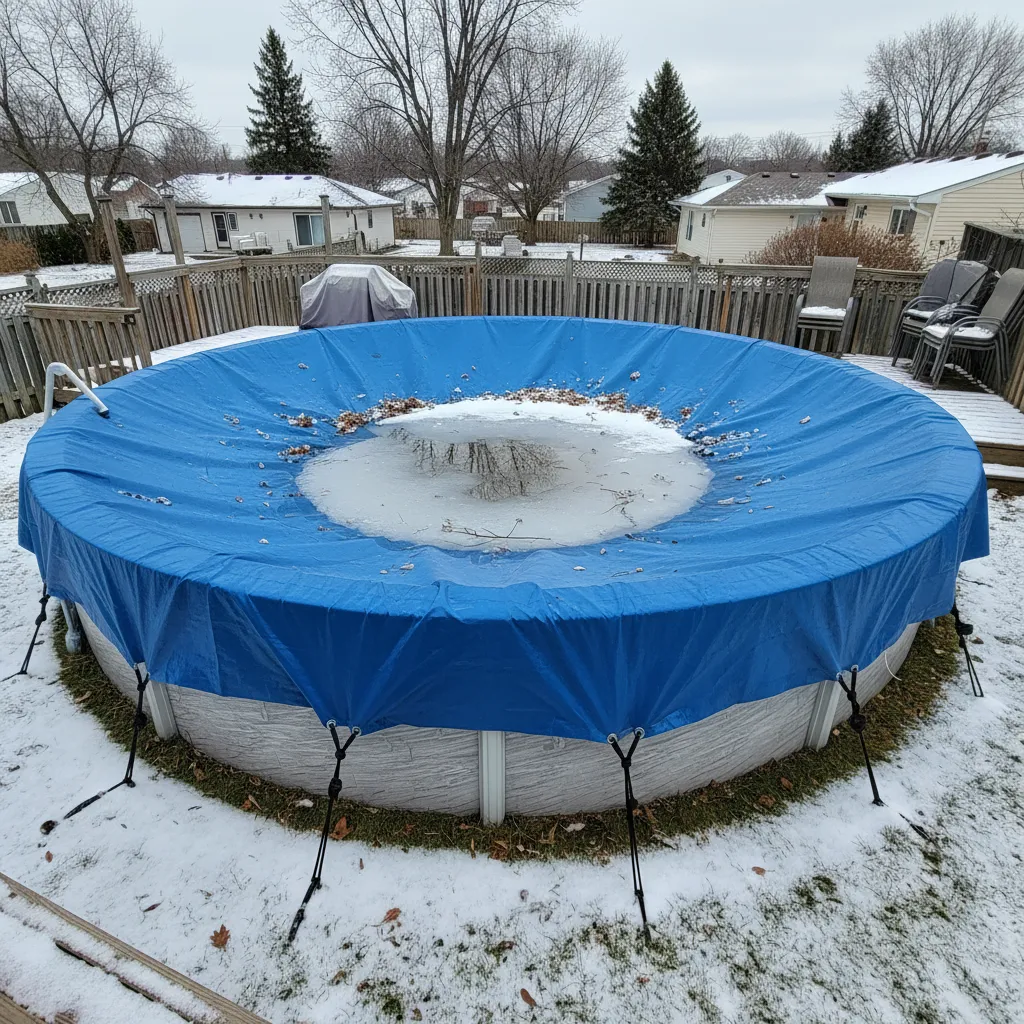
"Invest once to protect your liner and prevent a swamp in the spring."
Heavy-Duty Winter Pool Cover
Winter demand is high - check stock
What is Baking Soda’s Role in Pool Chemistry?
Baking soda primarily raises total alkalinity (TA), which stabilizes pH swings. A TA level of 80-120 ppm acts as a buffer, preventing rapid pH fluctuations from rain, debris, or swimmer waste. Adding 1.5 pounds of baking soda per 10,000 gallons typically increases TA by 10 ppm. Unlike soda ash, baking soda has minimal direct impact on pH levels when used correctly. Swimmers can often reenter the pool once the powder fully dissolves and circulates for 15-30 minutes, provided TA remains within range.
What Does Soda Ash Do for Your Pool?
Soda ash directly elevates pH levels while slightly boosting alkalinity. When pool water becomes acidic (pH below 7.2), surfaces corrode, and chlorine efficiency drops. Adding 6 ounces of soda ash per 10,000 gallons raises pH by 0.2 units. This chemical dissolves faster than baking soda but may cause temporary cloudiness when added too quickly. Proper circulation for 2-4 hours typically resolves clouding and balances pH. Swimmers should wait until water clears and pH tests between 7.4-7.6 to avoid eye irritation.
With both chemicals, test strips or digital testers verify levels before allowing swimmers back in. Next, let’s examine how these additives immediately alter water chemistry and why timing affects swim safety.
Immediate Effects Of Adding Baking Soda or Soda Ash
When you add baking soda or soda ash to your pool, both act fast to fix water issues. Baking soda (sodium bicarbonate) raises total alkalinity, which helps keep pH stable. Soda ash (sodium carbonate) boosts pH levels more directly. Each works in 15-30 minutes but needs full mixing for safe swim conditions. Maintaining your pool’s water chemistry is crucial for a safe swimming experience. This is similar to considering the cost of an endless swim pump, which can greatly enhance your pool’s usability.
How These Chemicals Impact Water Balance
Baking soda adds buffer power, aiming for 80-120 ppm alkalinity. A dose of 1.5 lbs per 10,000 gallons lifts alkalinity by 10 ppm. Soda ash raises pH without major alkalinity shifts – 6 oz per 10,000 gallons bumps pH by 0.2. If levels swing too much, water turns harsh or cloudy. Maintaining balanced water chemistry is crucial for pool maintenance. Regenerative filters can help in creating a more stable environment by removing impurities effectively.
Why Timing Matters for Swimming After Application
Undissolved granules can sting skin or eyes. Pump run time spreads chemicals evenly. High pH from soda ash cuts chlorine’s germ kill power by 80% at 8.5 pH. Wait until tests show alkalinity 80-150 ppm and pH 7.2-7.8 before swim plans. It’s important to ensure the pool is safe before jumping in. A swim shocked pool will help to eliminate any harmful bacteria and make it safe for everyone.
How Long to Wait Before Swimming
Wait times change based on pool size, pump speed, and how much you added. Always test before diving in.
Recommended Wait Time After Adding Baking Soda
Run the pump 15-30 minutes after adding baking soda. Check alkalinity with strips. If levels hit 80-120 ppm, swimmers can enter. In slow-circling pools, wait up to 1 hour.
Recommended Wait Time After Adding Soda Ash
Give soda ash 30-60 minutes with the pump on. Test pH twice – once after 30 mins, again at 1 hour. If pH stays below 7.8, the water’s ready. For heavy doses (over 5 lbs), wait 2 hours and retest. Maintaining the correct pH is important for the overall health of your pool. A balanced pool water level helps ensure clear water and safe swimming conditions.
Next, let’s look at how skin and eye health tie to these wait times.
Also See: Do You Sweat in a Pool? Find Out!
Safety Tips for Swimmers
Adding baking soda or soda ash changes your pool’s balance fast. Jumping in too early can lead to issues for people and the water itself.
Potential Risks Of Swimming Too Soon
Swim before chemicals mix fully, and you might face skin itch or red eyes. Water with uneven pH (below 7.2 or above 7.8) strips skin oils or leaves scale on surfaces. High alkalinity from too much baking soda can turn water cloudy, hiding debris that trips swimmers. Keeping these factors in mind is essential, especially in trendy swimming spots. Rooftop pools often come with their own set of challenges, but they also offer a unique and refreshing swimming experience high above the city streets.
Skin and Eye Sensitivity Factors
Kids and those with soft skin react worst to pH swings. Soda ash (sodium carbonate) spikes pH fast—levels over 8.0 cause burns if not diluted. Test strips give clear pH reads; wait until hits 7.4–7.6 before swim.

Right Amounts for Each Chemical
Dosing errors cause most pool issues. Use math, not guesswork, to keep swim-safe.
Baking Soda for Alkalinity Fixes
For a 10,000-gallon pool, 1.5 lbs of baking soda lifts alkalinity by 10 ppm. Spread it near jets so it mixes fast. Wait 2–4 hours before swim checks.
Soda Ash for pH Boosts
| Pool Size | pH Rise Needed | Soda Ash Amount |
|---|---|---|
| 10k gal | 0.2 | 6 oz |
| 20k gal | 0.4 | 1 lb |
Pre-dissolve soda ash in a bucket to avoid cloud spots. Run pumps for 3–6 hours after adding.
Errors That Wreck Pool Balance
Wrong steps with these chems can delay swim time for days.
Overdosing and Fallout
Dumping a full box of baking soda might spike alkalinity past 120 ppm. Fixing this needs muriatic acid, which adds 24+ hours of no-swim delays. Soda ash overloads shoot pH over 8.4, risking scale on tiles and gear. Keeping your pool balanced is essential not just for swimming comfort but also for managing pool chemicals cost. Regular maintenance can help avoid higher expenses for chemical fixes down the line.
Bad Ways to Add Chems
Pouring soda ash straight into skimmers clogs pipes. Baking soda tossed in one spot sinks, leaving chunks on the floor. Brush walls and floors after adding to speed mixing.
Get test kits ready—next, we’ll tackle top questions on swim-safe times.
FAQs About Swimming After Chemical Additions
Can Children Swim Immediately After Adding These Chemicals?
While the general wait times apply to all swimmers, children’s sensitive skin may require extra caution. Ensure pH and alkalinity levels are strictly within the ideal range (7.4–7.6 pH, 80–120 ppm TA) before allowing kids to enter, even if the recommended circulation time has passed. Additionally, swimming in a super chlorinate salt pool can provide a more comfortable experience for children. This type of pool helps maintain clean water while being gentler on the skin due to its lower levels of chlorine.
Does Adding Both Baking Soda and Soda Ash Require Longer Wait Times?
Using both chemicals sequentially may extend wait times. Always allow 30 minutes for baking soda to circulate before adding soda ash, then wait an additional 1–2 hours. Test levels between applications to avoid overcorrection. It’s important to remember that waiting after the acid pool treatment can enhance the effectiveness of your water balance. Taking the time to wait ensures the chemicals work properly for a safe swimming experience.
Will Rain Affect the Chemicals if Added Before a Storm?
Heavy rain can dilute chemicals and alter pH/alkalinity. Avoid adding baking soda or soda ash if storms are forecast within 4–6 hours. Post-rain, retest levels and adjust doses accordingly before reopening the pool. Rain can also create the right conditions for algae growth in the pool. It’s important to keep an eye on water clarity and treat any algae immediately.
How Soon Can I Test the Water After Adding Chemicals?
Test alkalinity 2 hours after adding baking soda and pH 1 hour after soda ash application. For accurate readings, collect water samples from elbow depth away from return jets. Digital testers provide faster results than strips. Keeping track of these levels is essential for maintaining overall water quality. In addition, checking your stabilizer levels regularly protects against the sun’s harmful effects on chlorine.
Can I Add Chlorine at the Same Time As These Chemicals?
Add chlorine 2–4 hours after using soda ash or baking soda. High pH from soda ash reduces chlorine effectiveness, while baking soda’s alkalinity boost helps stabilize chlorine longevity. Never mix chemicals directly in the water. After shocking your pool, it’s essential to wait a bit before swimming. This waiting period ensures that the chemicals have time to balance out.
Final Recommendations for Pool Owners
Balancing your pool’s chemistry with baking soda or soda ash is straightforward when done correctly. For baking soda, wait at least 30 minutes before swimming to allow proper dispersion. With soda ash, give it 2-4 hours due to its stronger pH impact. Always test water levels before re-entry.
Monitor alkalinity and pH closely after application. Baking soda raises alkalinity with minimal pH shift, while soda ash significantly boosts both. Overdosing either can cause cloudy water or skin irritation—measure carefully using a reliable pool calculator.
For precise dosing tailored to your pool size, try My Pool Calculator. It eliminates guesswork for chemical adjustments, ensuring safe swim conditions every time.
Keep swimmers comfortable by maintaining these ranges:
- Total alkalinity: 80-120 ppm
- pH: 7.4-7.6
- Free chlorine: 1-3 ppm
When in doubt, retest. Clear water doesn’t always mean balanced water. Your pool’s chemistry tells the full story.
Additional Resources for You:
- Tamminen, T. (2019). The Complete Pool Manual for Homeowners: A Step-by-Step Maintenance Guide. New York, NY: Skyhorse Publishing.
- How Long Do I Need To Wait Before Swimming After Adding Swimming Pool Chemicals?
- Can you substitute baking soda for soda ash to raise the pH in a swimming pool? – Quora
- After Soda Ash, when can we swim? | Trouble Free Pool
- How To Raise Your Pool’s Alkalinity with Baking Soda
A pool care geek who’s been testing water chemistry since she was tall enough to reach the skimmer.
Alkalinity, Pool Chemistry, Water Balance