Do Unused Pools Create a Mosquito Problem?
Published on: February 15, 2026 | Last Updated: November 17, 2025
Written By: Marcus Thornfield
Yes, unused pools can become active mosquito breeding sites if water stagnates. Mosquitoes lay eggs in standing water, and pools left untreated for 7-10 days provide ideal conditions for larvae to develop. Common species like Culex and Aedes thrive in these environments, increasing risks of West Nile virus, Zika, and dengue transmission. Preventing infestations requires removing standing water, adding larvicides like mosquito dunks, or maintaining basic pool chemistry.
This article breaks down why stagnant pool water attracts mosquitoes more than temporary puddles and how regional climates in states like California and Florida impact breeding rates. You’ll learn how debris, pool covers, and even chlorine levels affect mosquito growth—and why “empty” pools aren’t always safe.
We’ll cover practical steps to secure neglected pools, from DIY treatments to navigating local health codes. Whether you’re managing your own pool or addressing a neighbor’s abandoned one, actionable strategies for mosquito control are included.
Unused Pools As Mosquito Breeding Grounds
Unused pools create an ideal environment for mosquito infestations. Without regular maintenance, water becomes stagnant, debris accumulates, and chemical levels drop. These conditions transform pools into prime real estate for mosquitoes to lay eggs and multiply rapidly.

Crucial Winterizing Products

"The all-in-one solution for a guaranteed clear spring opening."
All-in-One Closing Chemical Kit
Winter demand is high - check stock

"The 'set & forget' option. This is the easiest winterizing I've ever done."
Simple 3-in-1 Winterizing Balls
Winter demand is high - check stock
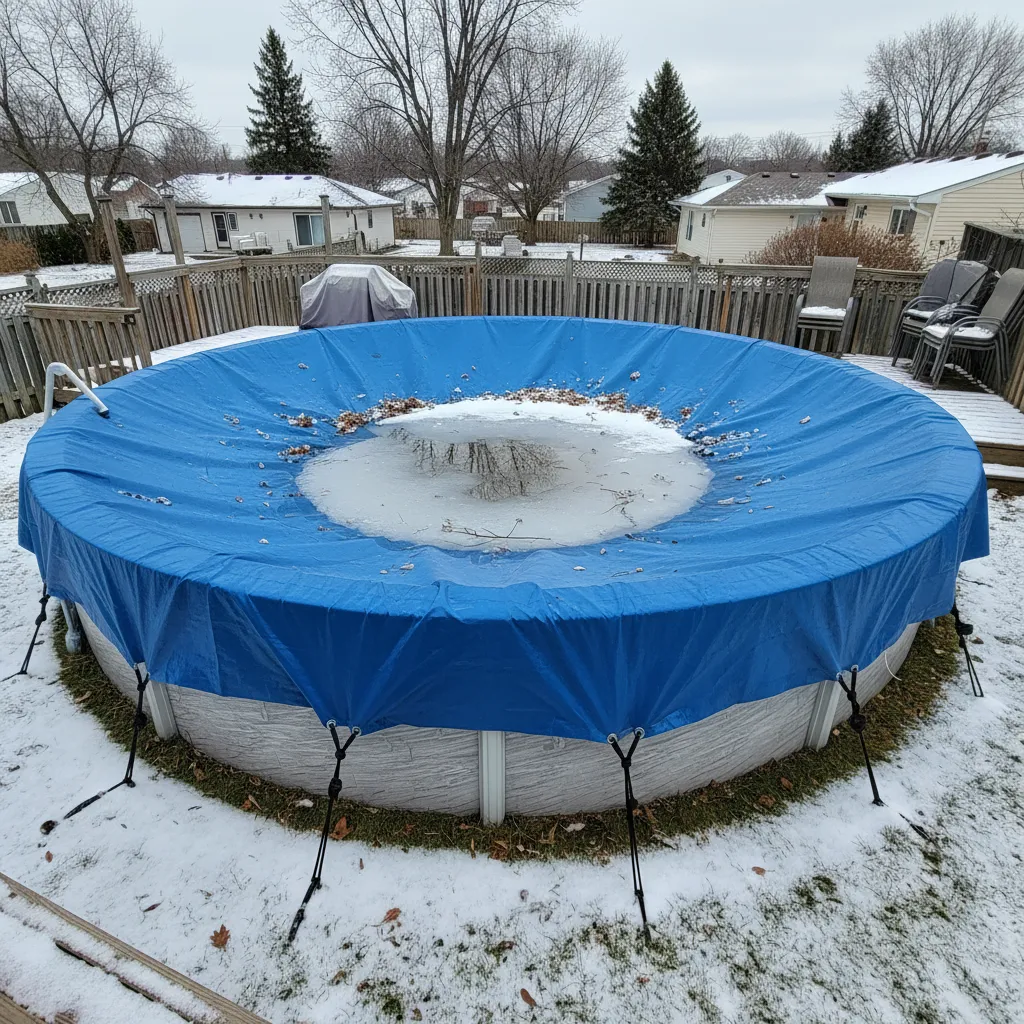
"Invest once to protect your liner and prevent a swamp in the spring."
Heavy-Duty Winter Pool Cover
Winter demand is high - check stock
Why Stagnant Water Attracts Mosquitoes
Female mosquitoes seek still water to lay eggs because moving water disrupts larval development. A neglected pool provides the perfect combination of stillness, warmth, and organic matter. Mosquitoes can detect water sources up to 100 feet away using specialized sensors on their antennae.
Comparing Pools to Puddles and Stagnant Ponds
While puddles and ponds naturally attract mosquitoes, unused pools pose a greater risk due to their size and chemical composition. A single pool can hold 15,000–30,000 gallons of water, supporting exponentially more larvae than small puddles. For example:
- A puddle (1–5 gallons): 50–100 larvae per batch
- A pond (500 gallons): 5,000–10,000 larvae
- An unused pool (20,000 gallons): Up to 500,000 larvae per breeding cycle
Pools also lack natural predators like fish or dragonflies that control mosquito populations in ponds.
Role of Standing Water and Debris in Mosquito Breeding
Stagnant water allows mosquito eggs to hatch in 24–72 hours. Debris accelerates the process by:
- Providing food sources (algae, leaves, insects) for larvae
- Creating shaded areas that retain moisture during evaporation
- Neutralizing chlorine through organic contamination
Even pools labeled “empty” often retain 1–2 inches of water in low spots or plumbing lines. This residual water, combined with leaf litter, supports complete mosquito life cycles in as little as 7 days.
While mosquitoes thrive in neglected pools, proper maintenance strategies can break this cycle. The next section explores the direct health consequences of allowing these insects to proliferate.
Health Risks Linked to Mosquitoes in Unused Pools
Mosquitoes thriving in neglected pools create more than a backyard annoyance—they become carriers of dangerous illnesses. Female mosquitoes lay eggs in stagnant water, transforming forgotten pools into hotspots for disease transmission.
Common Mosquito-borne Diseases
Standing water in pools provides ideal conditions for species like Culex and Aedes aegypti. These mosquitoes spread viruses through bites, with infection risks rising as larvae mature into adults.
West Nile Virus, Zika, and Dengue Risks
West Nile Virus, common in the US, causes fever and neurological issues in severe cases. Zika, linked to birth defects, and Dengue, known for high fever and joint pain, thrive in warmer regions. A single neglected pool can support thousands of larvae, amplifying outbreak potential.
Preventing Disease Spread Through Pool Care
Maintaining chlorine levels above 1 ppm disrupts egg development. For pools taken out of service, installing pumps to circulate water weekly or applying EPA-approved larvicides like Bti (Bacillus thuringiensis israelensis) stops larvae from maturing. Removing leaves and debris eliminates protective habitats for eggs.
Factors Influencing Mosquito Breeding in Pools
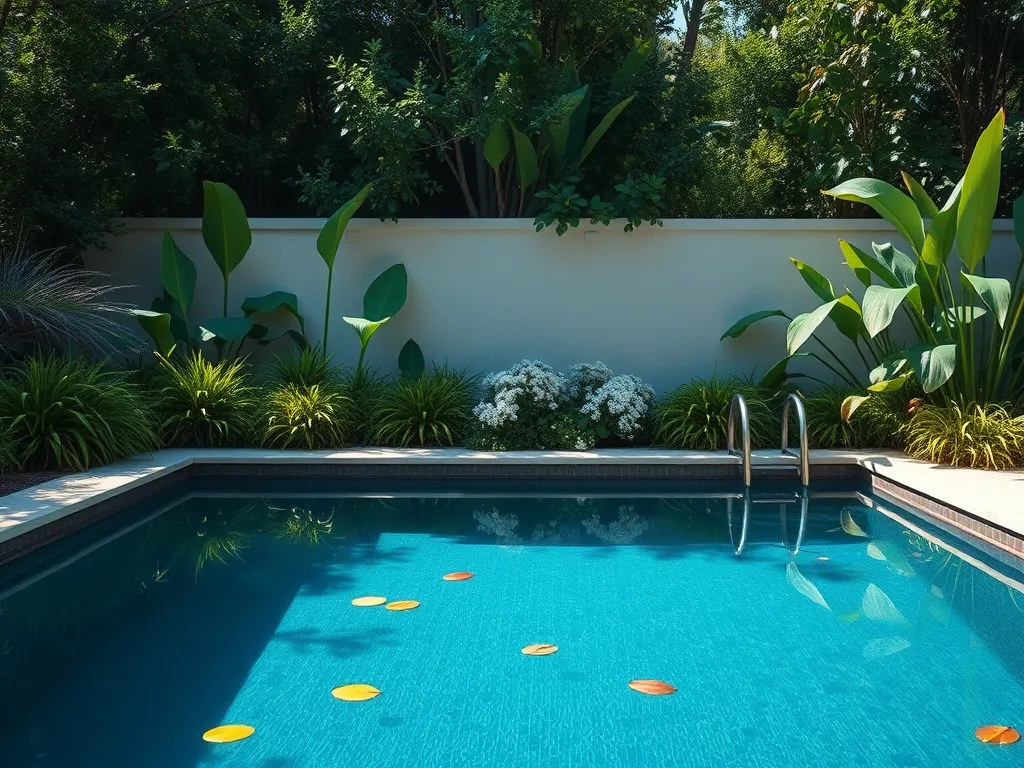
Not all pools pose equal risks. Water quality, chemical balance, and maintenance frequency determine whether mosquitoes can complete their 7-10 day life cycle from egg to adult.
Can Mosquitoes Breed in Chlorinated or Empty Pools?
Properly chlorinated pools (1-3 ppm free chlorine) typically prevent breeding. But algae growth or pH imbalances above 7.8 reduce chlorine’s effectiveness, allowing larvae to survive. Empty pools collect rainwater in low spots, creating puddles deep enough for egg laying within days. Keeping an eye on salt levels is just as important for maintaining water quality. Regularly checking the salt level in your pool helps ensure proper chlorine production and keeps the water safe for swimming.
Impact of Pool Chemistry on Mosquito Larvae
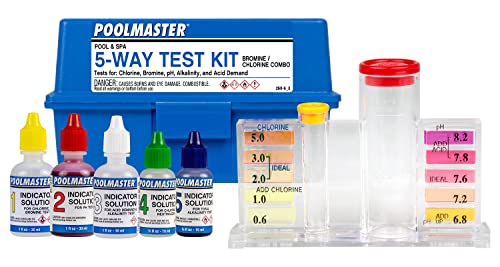
Larvae die within hours in water with balanced alkalinity (80-120 ppm) and stabilized chlorine. However, organic debris like twigs or grass clippings creates “dead zones” where chemicals can’t penetrate, letting larvae feed on microorganisms. Testing water weekly with strips ensures conditions stay hostile to pests.
How Long Does Water Stagnation Affect Mosquito Growth?
Mosquitoes require 4-14 days in still water to develop from eggs to flying adults. Even shallow puddles 1/4 inch deep in pool covers or liners provide adequate breeding space. After heavy rains, inspect for standing water and treat with mosquito dunks containing Bti—a bacterial toxin that targets larvae without harming pets.
Regional climates influence how quickly stagnant pools become mosquito nurseries. Coastal humidity and inland heat accelerate breeding cycles, making some areas more vulnerable.
Also See: Frogs in Pool, is It Safe to Swim in a Pool With Frogs?
Regional Impact: California, Florida, and Beyond
Geographic location plays a critical role in determining how unused pools contribute to mosquito populations. States like California and Florida face unique challenges tied to climate, regulations, and local insect activity.
Climate and Mosquito Activity in California
California’s Mediterranean climate creates pockets of standing water even during dry seasons. In cities like Los Angeles and San Diego, microclimates allow mosquitoes like Aedes aegypti to thrive in neglected pools. Vector control districts treat stagnant water with larvicides like Bacillus thuringiensis israelensis (Bti), but homeowners must maintain pools year-round. A single neglected pool can produce up to 1,000 mosquitoes weekly during peak summer months.
Florida’s Regulations on Abandoned Pools
Florida’s warm, humid climate accelerates mosquito breeding cycles. State law (Chapter 64E-12) mandates that residential pools remain free of stagnant water. County code enforcement teams issue fines up to $500 for green pools with visible larvae. Some municipalities require mesh safety covers or automated circulation systems for unused pools. These rules aim to curb species like Culex quinquefasciatus, a primary carrier of West Nile virus. With pools being essential in this climate, it’s important to consider all the associated costs. One such cost is the electric bill for maintaining the pool’s cleanliness and safety.
Addressing Stagnant Pools in Neighboring Properties
Neglected pools on nearby properties demand tactful action to reduce community health risks. Legal and interpersonal strategies can resolve issues without escalating tensions.
How to Report a Neglected Pool
Most counties allow anonymous reporting through health department portals or apps like MyFloridaLicense. Provide the property address, photos of standing water, and dates when larvae were spotted. Health inspectors typically respond within 5-7 business days. In California, vector control agencies deploy rapid-response teams to treat water with Bti granules within 48 hours of a report.
Diplomatic Communication With Neighbors
Start by sharing resources: local mosquito control programs often provide free larvicide tablets for neighbors. Suggest low-cost solutions like temporary pool covers ($120-$300) or submersible pumps ($85-$200). Frame the conversation around shared safety—mosquitoes from a single pool can travel up to 1.5 miles, affecting entire neighborhoods.
Preventing Mosquitoes Through Pool Maintenance
Proactive care eliminates conditions that attract mosquitoes, even if a pool isn’t in active use. Focus on water quality, circulation, and physical barriers.
Essential Pool Care Practices
Maintain chlorine levels at 1-3 ppm to deter larvae. Run pumps 8-12 hours daily to prevent stagnation. Remove leaves weekly, as decomposing organic matter feeds mosquito larvae. For winterized pools, use antifreeze in plumbing lines to avoid ice dams that create standing water. Keeping a clean and well-maintained pool is essential for enjoying it safely. Regular maintenance ensures your swimming pool remains a refreshing and fun place all year round.
Regular Cleaning and Water Circulation
Skim debris daily and brush walls to disrupt eggs. Install battery-operated floating circulators ($150-$400) if power is off. Test water pH monthly—levels above 7.8 reduce chlorine’s effectiveness, allowing larvae to survive.
Proper Covering and Debris Removal
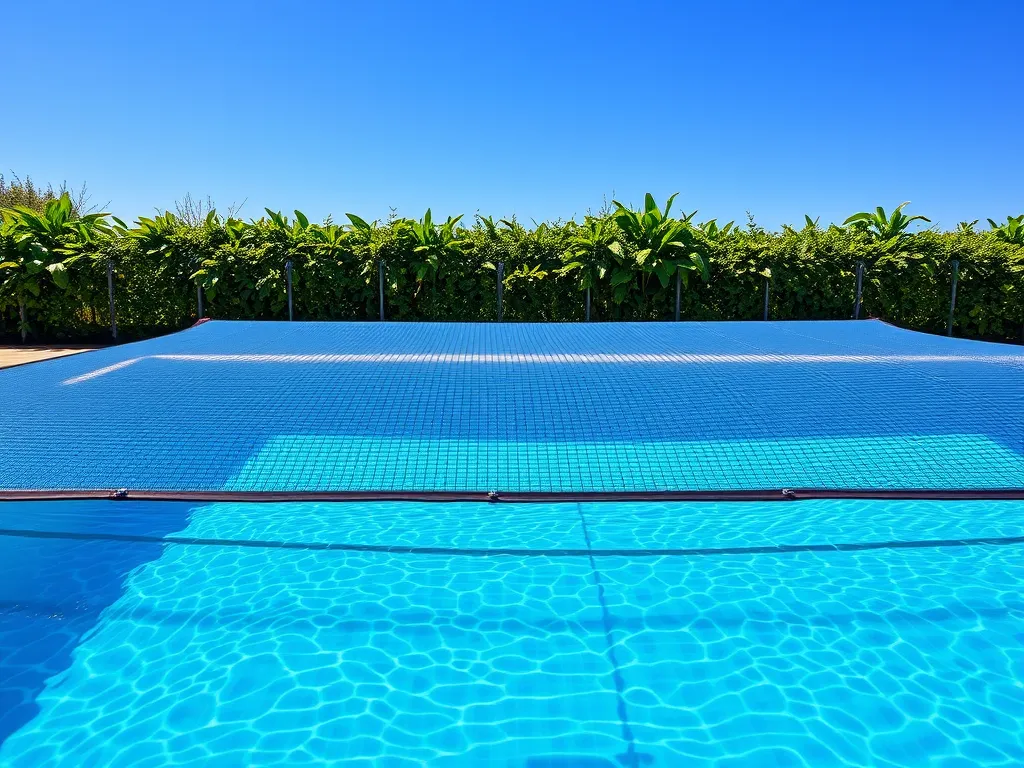
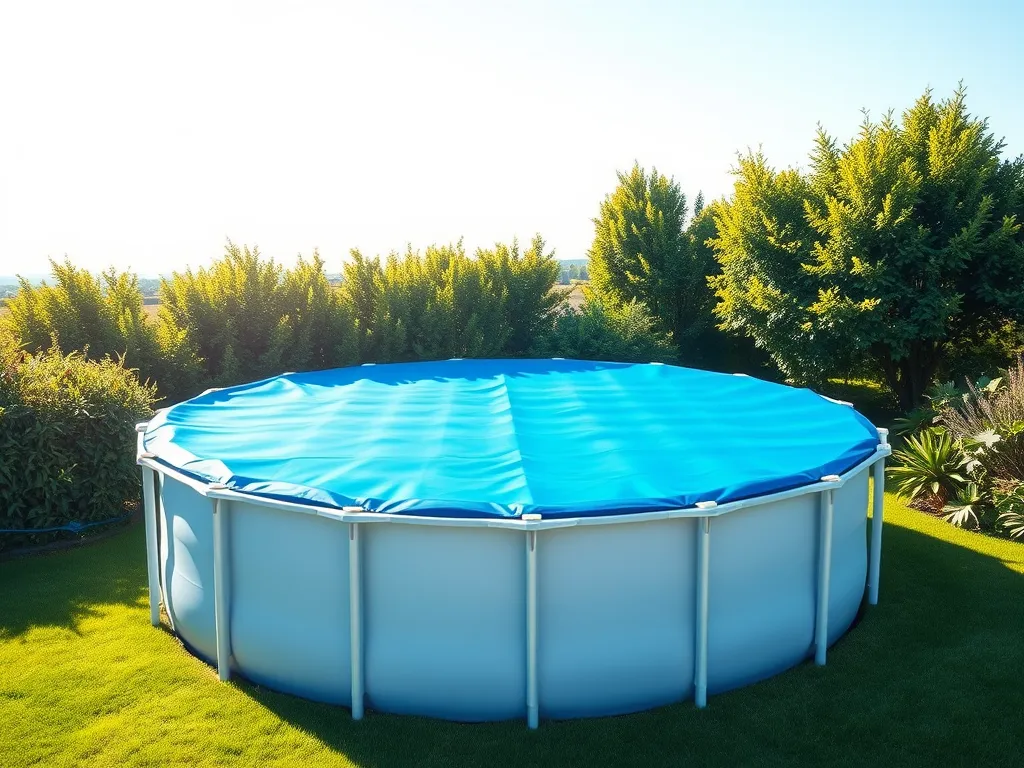
Use tight-fitting safety covers with mesh panels (under 1mm gaps) to block mosquitoes. Avoid solid covers, which can sag and collect rainwater. For above-ground pools, apply food-grade silicone sealant to patch holes in liners where larvae might hide. Keeping your pool covered not only prevents pests but also helps maintain a cooler temperature. A cooler pool is more enjoyable, especially on hot days.
Up next: Targeted treatments like mosquito dunks offer chemical-free solutions for long-term control.
Using Mosquito Dunks and Targeted Treatments
When addressing mosquito breeding in unused pools, targeted treatments like mosquito dunks provide a practical solution. These tools disrupt the mosquito life cycle without harming other wildlife, making them ideal for stagnant or neglected water sources. Keeping the pool clean and well-maintained also helps in managing other pests. Horse flies can be a nuisance around pools, and taking steps to get rid of them can enhance your outdoor experience.
How Mosquito Dunks Work in Pools
Mosquito dunks contain Bacillus thuringiensis israelensis (BTI), a naturally occurring bacteria toxic to mosquito larvae. When placed in water, dunks release BTI over 30 days. Mosquito larvae consume the bacteria, which destroys their digestive systems within 24 hours. This method specifically targets mosquitoes, leaving fish, birds, and beneficial insects unharmed.
- Effective in chlorinated pools with low chlorine levels (below 1 ppm)
- Works in as little as 1 inch of standing water
- Non-toxic to humans and pets
Safe Application for Long-Term Control
For unused pools, apply dunks to areas where water collects, such as covers, corners, or debris-clogged drains. Break dunks into smaller pieces for large pools—one dunk treats 100 square feet of surface area. Reapply every 30 days during warm months when temperatures exceed 50°F. Store unused dunks in a cool, dry place to maintain potency. Keeping the pool clean is essential for preventing algae and bacteria growth. Clean pool felt will help maintain a safe and enjoyable swimming environment.
Cost-effective and low-maintenance, a 6-pack of dunks averages $10–$15 and prevents larvae for up to six months. Pair dunks with larvicide sprays for pools with heavy algae growth, which can shield larvae from BTI.
Combining mosquito dunks with routine pool maintenance creates a layered defense against infestations. Next, let’s explore how to integrate these treatments with broader pool care strategies. To maintain a clean and inviting pool, it’s also important to address frog populations. Taking steps to keep frogs from laying eggs in your pool can help ensure a more enjoyable swimming experience.
Frequently Asked Questions
How Can I Identify Mosquito Larvae in My Unused Pool?
Mosquito larvae (called “wigglers”) are ¼-inch long, translucent, and swim in jerky motions. Look for them near the water’s surface in shaded areas or around debris. Use a flashlight to spot clusters—active larvae will dart downward when disturbed.
What Steps Can I Take if My Pool Cover Accumulates Stagnant Water?
Opt for tightly fitted mesh covers that allow rainwater to drain. For solid covers, use a pump or siphon to remove standing water weekly. Place mosquito dunks in trapped puddles to prevent larvae development without damaging the cover material. Keeping leaves out of your pool is important for cleanliness and safety. Regular maintenance of the cover can help ensure that leaves and debris do not accumulate in the water.
Are There Eco-friendly Methods to Treat Mosquitoes Without Chemicals?
Yes! Introduce Bti (mosquito dunks) for larval control—it’s a natural bacteria. Install solar-powered water circulators to disrupt stagnation. Encouraging birds or bats nearby can also reduce adult mosquito populations through predation. Keeping the pool water clean is essential for a healthy environment. Using baking soda can help clear the pool and balance the pH levels effectively.
What Legal Obligations Do Pool Owners Have to Prevent Mosquito Breeding?
Many states classify neglected pools as public nuisances. Owners may face fines ($200–$1,000) if stagnant water isn’t treated. Florida and California require regular maintenance or drainage, enforced by county health departments. Check local ordinances for specifics. This maintenance can add to the overall cost of owning a concrete pool. It’s important to factor in these ongoing expenses when considering the total investment in your pool project.
Can Introducing Fish Help Control Mosquitoes in Unused Pools?
While fish like gambusia consume larvae, most pools aren’t ecosystems for sustaining them. Fish require aeration, food, and stable temperatures. Temporary solutions include adding minnows during seasonal use, but larvicides or drainage are more practical for long-term control.
How Frequently Should an Unused Pool Be Inspected for Mosquito Activity?
Check weekly during warm months and after rainfall. Focus on corners, covers, and plumbing areas where water collects. Use test strips to ensure residual chlorine (if present) remains effective. Document inspections to comply with local health codes. Keeping the pool clean can help protect your hair from damage. This is important because pool water often contains harsh chemicals that can affect your hair’s health.
Does Landscaping Around a Pool Influence Mosquito Breeding?
Overhanging trees drop leaves that decay in water, feeding larvae. Keep vegetation trimmed 3–5 feet from the pool’s edge. Avoid plants like bromeliads that hold water in their leaves. Use gravel or stone borders to reduce organic debris entering the water. Additionally, it’s important to consider other factors that can attract wildlife. Taking steps to keep iguanas away from the pool area is essential for maintaining a clean and safe environment.
Closing Thoughts
Unused pools can become prime mosquito breeding grounds if left unattended. Stagnant water, debris buildup, and lack of circulation create ideal conditions for larvae to thrive. While chlorinated or properly maintained pools deter mosquitoes, neglected ones pose health risks—especially in warm climates like California and Florida.
Prevention is straightforward: regular cleaning, proper covers, and treatments like mosquito dunks keep infestations at bay. Addressing neighbor concerns diplomatically or reporting neglected pools to local authorities helps protect community health.
For more detailed guidance on pool maintenance and mosquito control, explore the tools and resources at My Pool Calculator. A little effort goes a long way in keeping your pool—and neighborhood—mosquito-free.
Additional Resources for You:
- ASTM International – Pool & Spa Standards
- My pool’s gone green, and it’s attracting tons of mosquitoes! It looks gross, and I’m worried it’s a health hazard. How do I fix this and prevent it from happening again? – Quora
- Do Swimming Pools Attract Mosquitoes? | What to Know
- Rainwater In Your Empty Pool? Here’s What To Do Before The Mosquitoes Take Over | LAist
- Unused pools in LA fire burn scars could turn into mosquito breeding grounds | LAist