Can You Paint a Plaster Pool?
Published on: January 24, 2026 | Last Updated: November 17, 2025
Written By: Rachael Weatherbottom
Yes, you can paint a plaster pool using specialized epoxy or rubber-based pool paints, but it’s a temporary solution with trade-offs. Unlike replastering—which involves chipping out old material and applying new cement—painting adds a thin, colored coating over existing surfaces. While painting costs $1,500-$3,500 (vs. $4,500-$7,000+ for replastering), it lasts just 2-5 years and requires meticulous prep work to avoid peeling or fading.
This article breaks down when painting makes sense, when to avoid it, and how to maximize results. We’ll compare paint types like epoxy (known for chemical resistance) and latex (lower cost but shorter lifespan), outline step-by-step prep methods like acid washing, and explain why skipping repairs could lead to bubbling within months.
You’ll learn how to spot minor cracks fixable before painting, why dark colors fade faster under UV exposure, and whether DIY application beats hiring a pro. We’ll also cover long-term maintenance, including pH balancing tips to extend paint life and signs it’s time to replaster instead. Let’s dive in.
Key Considerations Before Painting a Plaster Pool
Before deciding to paint a plaster pool, grasp the fundamentals of its structure and whether this method aligns with your goals. Let’s break down the basics.
Crucial Winterizing Products
"The all-in-one solution for a guaranteed clear spring opening."
All-in-One Closing Chemical Kit
Winter demand is high - check stock

"The 'set & forget' option. This is the easiest winterizing I've ever done."
Simple 3-in-1 Winterizing Balls
Winter demand is high - check stock
"Invest once to protect your liner and prevent a swamp in the spring."
Heavy-Duty Winter Pool Cover
Winter demand is high - check stock
What is a Plaster Pool?
A plaster pool features a smooth interior finish made from a blend of white cement, marble dust, and water. This mixture is troweled onto a concrete shell, creating a watertight surface. Common in residential settings, plaster provides a classic look but degrades over time due to chemical exposure and weather. Typical plaster layers range from ⅜” to ½” thick, lasting 10–15 years with proper care. Its porous nature makes it prone to staining, scaling, and etching, which often lead owners to explore resurfacing options like paint or replastering.
Is Painting a Plaster Pool Recommended?
Industry experts rarely endorse painting plaster pools as a long-term solution. Paint struggles to bond effectively with plaster’s porous texture, leading to peeling or blistering within 2–3 years. Chlorine and pH fluctuations accelerate wear, causing fading or chalking. While painting might seem appealing for its lower upfront cost—around $3–$4 per square foot compared to $6–$10 for replastering—it lacks durability. Paint works best as a stopgap for minor cosmetic flaws or to buy time before a full replaster. For severely cracked or delaminated surfaces, painting risks trapping moisture, worsening structural issues.
While painting offers some benefits, it’s vital to weigh them against limitations. Next, let’s explore the pros and cons of transforming your pool with plaster paint.
Pros and Cons Of Painting a Plaster Pool
Painting a plaster pool is a big choice. It has upsides and downsides that vary based on pool condition, funds, and long-term goals. Looking at both sides helps pool owners pick what fits. When making decisions about pool maintenance, it’s also crucial to consider taking care of pool toe. Taking care of pool toe can help keep your pool looking its best and prevent further issues.
Advantages Of Pool Plaster Painting
Opting for paint over full replastering can suit certain situations. From saving cash to hiding flaws, this method has perks worth noting.
Cost-Effective Alternative to Replastering
Full replastering jobs start around $5,000 and go up to $15,000. Painting cuts this to $1,500-$3,500 with materials like Plexipool or epoxy. For pools with minor issues, this 50-75% saving makes paint a budget-friendly pick. When considering different pool shapes, the cost of maintenance can vary significantly. A kidney-shaped pool volume calculator can help you determine the right amount of water and chemicals needed for optimal care.
Aesthetic Refresh for Aging Surfaces
Faded gray plaster or blotchy stains from minerals can make a pool look worn. A fresh coat of white, blue, or black pool plaster paint masks discoloration, giving water a brighter look without draining the whole system. Many people enjoy visiting well-maintained pools at resorts and hotels. When planning a trip to Disney, exploring the various pool options can enhance your experience.
Temporary Fix for Minor Damage
Hairline cracks or shallow chips under 1/8 inch often don’t need structural work. Thick epoxy coatings can bridge these gaps for 1-3 years, buying time before major renovations.
Disadvantages Of Painting Over Plaster
Paint isn’t a fix-all. Limits in lifespan and work needed upfront can turn some owners toward full replastering.
Limited Durability Compared to Replastering
High-quality pool paint lasts 2-5 years with perfect upkeep. New plaster holds up 10-15 years. Paint fails faster in spots with heavy use, like steps or deep ends.
Surface Preparation Challenges
Plaster’s porous texture needs intense cleaning for paint to stick. Any dirt, algae, or old paint layers left behind cause bubbling or peeling. This step adds 8-12 hours of labor for DIYers.
Potential for Frequent Repainting
Each coat adds 8-15 mils of thickness. After 2-3 layers, buildup can trap moisture, forcing full removal. This cycle means repainting every few years if not replastering.
Preparing a Plaster Pool for Painting
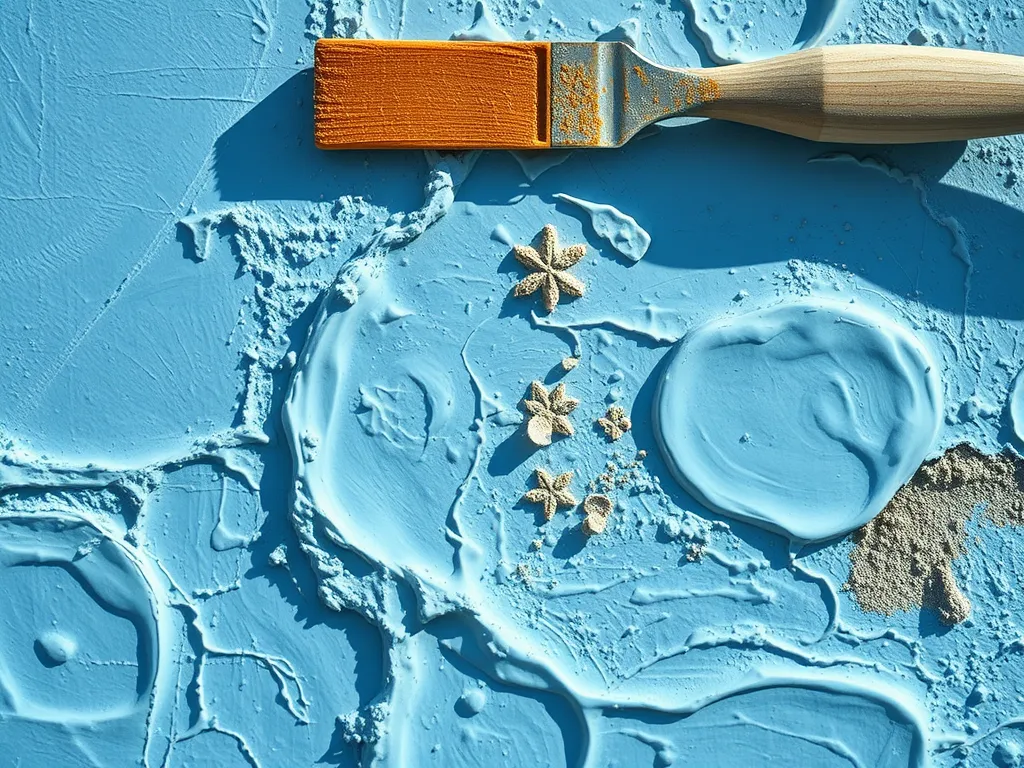
Good paint jobs start with groundwork. Skipping prep leads to flaking coats and wasted cash. Follow these steps to set up for success.
Draining the Pool Safely
Lower water slowly to avoid plaster cracks from fast shifts in pressure. Use a submersible pump at 1 foot per hour until empty. Check local rules for draining—some areas ban sending chlorinated water to storm drains.
Cleaning and Surface Repair
Grime or flaws left on plaster ruin paint adhesion. Tackle both with a two-part process.
Removing Stains and Debris
Pressure wash at 2,500-3,000 PSI to blast off algae and dirt. For rust or copper stains, apply a oxalic acid solution (1 lb per 5 gallons) and scrub with nylon brushes.
Fixing Cracks and Chips
Fill gaps wider than 1/8 inch with hydraulic cement or plaster patching compound. Let cure 24-48 hours, then smooth with 80-grit sandpaper. Skip this, and paint will highlight flaws.
Acid Washing and Sanding
Mix muriatic acid (1 part) with water (4 parts) in a pump sprayer. Apply to etch plaster, creating a rough surface for paint grip. Rinse thoroughly after 10 minutes. Follow with sanding using orbital tools on rough spots.
With a clean, dry base ready, focus shifts to coating choices and application tricks for lasting color.
Also See: Are Fiberglass Pools Slippery? Tips for Safer Use
Choosing the Right Paint for Plaster Pools
Selecting the proper coating for a plaster pool demands attention to material compatibility and environmental factors. Not all paints bond well with plaster’s porous surface, and mismatched products peel or bubble within months. The way to ensure lasting results goes beyond just choosing the right paint. In a similar way, picking the right name for a pool stick can greatly influence its appeal and identity.
Epoxy Pool Paint Vs. Latex-based Options
Epoxy pool paint combines resin and hardener for a chemical-resistant finish that lasts 5-7 years. It withstands pH levels between 7.2-7.8 and requires thorough surface etching for adhesion. Latex-based acrylics, while easier to apply with water cleanup, typically degrade faster (2-3 years) under chlorine exposure above 3 ppm. When considering a DIY pool house, it’s essential to choose the right materials to withstand the elements. A well-painted pool can enhance the aesthetic and functionality of your pool house project.
Color Selection for Plaster Pool Paint
Darker shades like navy blue absorb heat, raising water temps by 3-5°F in sunny climates. Light colors reflect sunlight but show calcium scaling at levels above 400 ppm. Always check manufacturer catalogs for UV-stable pigments to prevent fading.
Can You Paint a Plaster Pool White or Black?
White epoxy paint restores a classic plaster look but highlights minor imperfections like hairline cracks. Jet-black coatings create dramatic depth but may require tinted sealers to resist bleaching from bromine or salt systems (2500-4000 ppm). Test samples on 1 sq. ft. areas before full application.
Step-by-step Guide to Painting a Plaster Pool
A flawless finish hinges on meticulous prep work and methodical application. Skipping steps like acid washing or neutralizing residues risks delamination.
Tools and Materials Needed
Gather a ½ HP submersible pump for draining, 80-grit diamond sanding pads, trisodium phosphate (TSP) cleaner, and epoxy paint with 45-55% solids content. Rent airless sprayers (0.015-0.021” tips) for large pools or use ¾” nap rollers for smaller jobs. When dealing with pools, it’s important to consider the depth, especially for diving. A diving pool typically needs a minimum depth of 8 to 10 feet to ensure safety for divers.
Application Methods
Apply two coats 4-6 hours apart, maintaining wet edges to prevent lap marks. Work during low-humidity mornings when temps stay between 55°F and 85°F—extremes cause blushing or slow curing.
Using Rollers vs. Sprayers
Rollers provide better control for textured plaster, using W-pattern strokes at 300-400 sq. ft. per gallon. Sprayers cover 800-1000 sq. ft. hourly but demand masking off coping and filter systems with plastic sheeting.
Optimal Drying Conditions
Ensure 72 hours of dry weather post-application. High humidity above 65% extends cure times, risking imprint damage from debris. Run fans around the pool perimeter if indoor enclosures exist. To keep your stock tank pool clean, regular maintenance is essential. You should remove debris regularly and check the water quality to ensure a safe and enjoyable swimming environment.
Curing and Refilling Process
Wait 7 days before refilling to let solvents fully off-gas. Slowly reintroduce water through a hose diffuser to avoid hydraulic shock. Balance alkalinity to 80-120 ppm and calcium hardness to 200-400 ppm before adding chlorine. Keeping the pool clear of debris is important. This can help deter ducks from visiting your pool.
DIY Vs. Professional Pool Plaster Painting
Painting a 16’x32’ pool costs $1,200-$2,500 DIY versus $4,000-$6,500 for pro services—but labor isn’t the only factor.
Cost Comparison: Paint Vs. Replastering
Epoxy painting runs $2-$4 per sq. ft., while replastering with white Marcite starts at $6-$10. Though painting saves 50-70% upfront, replastering adds 10-15 years of service versus paint’s 3-7-year lifespan.
When to Hire a Professional
Contractors handle complex issues like delaminated plaster requiring chipping tools or shotcrete repairs. They also access commercial-grade products like Plexipool paint, which offers 10-year warranties when applied with specialized spray rigs.
Proper application sets the stage for long-term durability—but maintaining the finish requires specific care strategies.
Maintaining a Painted Plaster Pool
Keeping a plaster pool looking sharp post-paint job calls for a mix of smart habits and strict chemical control. A painted finish acts as a shield, but only with constant care can it hold up against daily wear, UV rays, and pool additives. In contrast, micro cement pools offer a unique solution that requires different maintenance. With their durable surface, these pools can stand up better to the elements and provide a modern aesthetic.
Lifespan Of Plaster Pool Paint
Freshly applied pool paint typically lasts 2-5 years, based on factors like paint type, application quality, and upkeep. Two-part epoxy paints often outlast latex-based options, with some lasting up to 7 years in mild climates. Harsh sunlight, high chlorine levels (above 3 ppm), or rough cleaning tools can slash this timeline. It’s important to consider how different pool systems can affect maintenance. A long backwash pool, for example, can make it easier to keep the water clean and maintain the paint’s longevity.
To prolong results:
- Inspect for chips or fading each spring
- Limit chlorine tablets near walls to avoid “hot spots”
- Maintain calcium hardness between 200-400 ppm
Pools in areas with wild shifts in climate may need touch-ups sooner. A plexipool paint system, which bonds with old layers, can add 1-2 years without full stripping. This maintenance is important for extending the life of your pool. Regular upkeep can significantly enhance a concrete pool’s lifespan, ensuring it remains a valuable addition to your home for many years.
Cleaning and Chemical Balance Tips
Daily skimming and weekly brushing with nylon bristles stop dirt from sticking to painted walls. Avoid metal tools—they can scratch the coat. For stains, mix baking soda with water (1:3 ratio) and gently scrub.
Chemical harmony is vital:
- pH: 7.2-7.6 (high pH causes scaling)
- Alkalinity: 80-120 ppm (buffers pH swings)
- Chlorine: 1-3 ppm (higher levels degrade paint)
Shock treatments require caution. Switch to non-chlorine shocks or apply them at dusk to limit paint stress. During winter, balance water before closing and use a mesh safety cover to allow airflow. Keeping your pool clean is important for both safety and enjoyment. Natural pool cleaners can be a great option that is kind to the environment.
Consistent care not only preserves color but also simplifies future plaster pool renovations. Up next: tackling common questions about paint performance and long-term fixes.
FAQs About Painting Plaster Pools
How Soon Can You Swim After Painting a Plaster Pool?
Wait 7-10 days after refilling to allow paint to fully cure and chemicals to balance. Test chlorine levels (1-3 ppm) and pH (7.2-7.6) before entering. Premature use risks staining or compromising the paint bond.
Can You Apply New Paint Over Existing Pool Paint?
Only if the existing layer is intact and properly prepared. Sand with 80-grit paper, clean with TSP solution, and ensure compatibility between paint types (e.g., epoxy over epoxy). Peeling layers require complete removal via sandblasting or chemical strippers.
Does Pool Paint Work With Saltwater Systems?
Epoxy paints tolerate salt levels up to 3,500 ppm if properly cured. Acrylics degrade faster due to salt’s abrasive properties. Always use a sacrificial anode to prevent corrosion and test salt concentration monthly.
What Causes Bubbles in Freshly Painted Plaster Pools?
Trapped moisture under the coating from inadequate drying, humidity above 65%, or painting over damp patches. Fix requires sanding affected areas, re-etching with acid, and reapplying paint under optimal conditions.
Can Painted Plaster Pools Be Drained for Winter?
Draining risks paint cracking from hydrostatic pressure or freezing. Instead, winterize with water levels below skimmers and use air pillows. Never leave painted surfaces exposed to UV rays or ice for extended periods.
How Do You Identify Failing Pool Paint?
Look for chalky residue on skin, visible flaking, or color fading exceeding 30%. Use a putty knife to test adhesion—if paint scrapes off easily with minimal pressure, replastering is likely needed.
Final Thoughts on Plaster Pool Painting
Painting a plaster pool can be a practical solution for refreshing its appearance without the expense of full replastering. While it offers a budget-friendly and quick aesthetic upgrade, the trade-offs include shorter durability and more frequent maintenance. Proper surface prep, paint selection, and application are critical for lasting results.
For those weighing DIY versus professional services, consider the long-term costs. Painting may save upfront but often requires reapplication every 2–5 years. Replastering, though pricier at $3.50–$7.00 per square foot, lasts 10–15 years with proper care.
Need help estimating costs or balancing pool chemistry after painting? Explore tools and guides at My Pool Calculator to make informed decisions about your pool’s maintenance and upgrades.
Useful References for You:
- Pool & Hot Tub Alliance (PHTA). (2021). ANSI/APSP/ICC-11 Standard for Water Quality in Public Pools and Spas. Alexandria, VA: PHTA.
- HOW TO REPAIR AND PAINT A PLASTER SWIMMING POOL …
- Can I paint or acid wash my pool instead of replastering? – Quora
- Pool Plaster: The Painting versus Resurfacing Debate | Willsha Pools
- Paint over a plastered pool? | Trouble Free Pool
A pool care geek who’s been testing water chemistry since she was tall enough to reach the skimmer.
Acid Washing, Concrete & Plaster, Pool Material Care