Can You Dye Pool Water? A Guide to Colorful & Safe Swimming
Published on: January 10, 2026 | Last Updated: November 17, 2025
Written By: Rachael Weatherbottom
Yes, you can dye pool water using specialized colorants designed for aquatic environments. Unlike permanent pool paints or stains, these dyes temporarily alter water color without affecting its chemistry when used properly. Pool-safe dyes are non-toxic, won’t harm swimmers, and typically last 1-2 weeks depending on factors like sunlight exposure and filtration. People use pool dyes for themed parties, creating visual effects, or even reducing algae growth by limiting sunlight penetration.
This guide explores how pool dyes interact with water chemistry, safety measures to protect equipment and swimmers, and step-by-step application methods. We’ll break down chemical-based options like commercial dyes, temporary solutions such as latex films, and techniques specific to spas or hot tubs.
You’ll also learn how long different dyes last under various conditions, their pros and cons for maintenance, and creative ideas for events. Whether you’re aiming for a vibrant blue for a birthday party or a blackwater effect for Halloween, we’ve got the details to help you execute it safely.
Understanding Pool Water Dyeing: Basics and Safety
Adding color to pool water transforms its appearance for events, holidays, or visual flair. Specialized dyes designed for aquatic environments allow temporary changes without permanent alterations. Let’s break down the science and safety behind this process.
Crucial Winterizing Products
"The all-in-one solution for a guaranteed clear spring opening."
All-in-One Closing Chemical Kit
Winter demand is high - check stock

"The 'set & forget' option. This is the easiest winterizing I've ever done."
Simple 3-in-1 Winterizing Balls
Winter demand is high - check stock
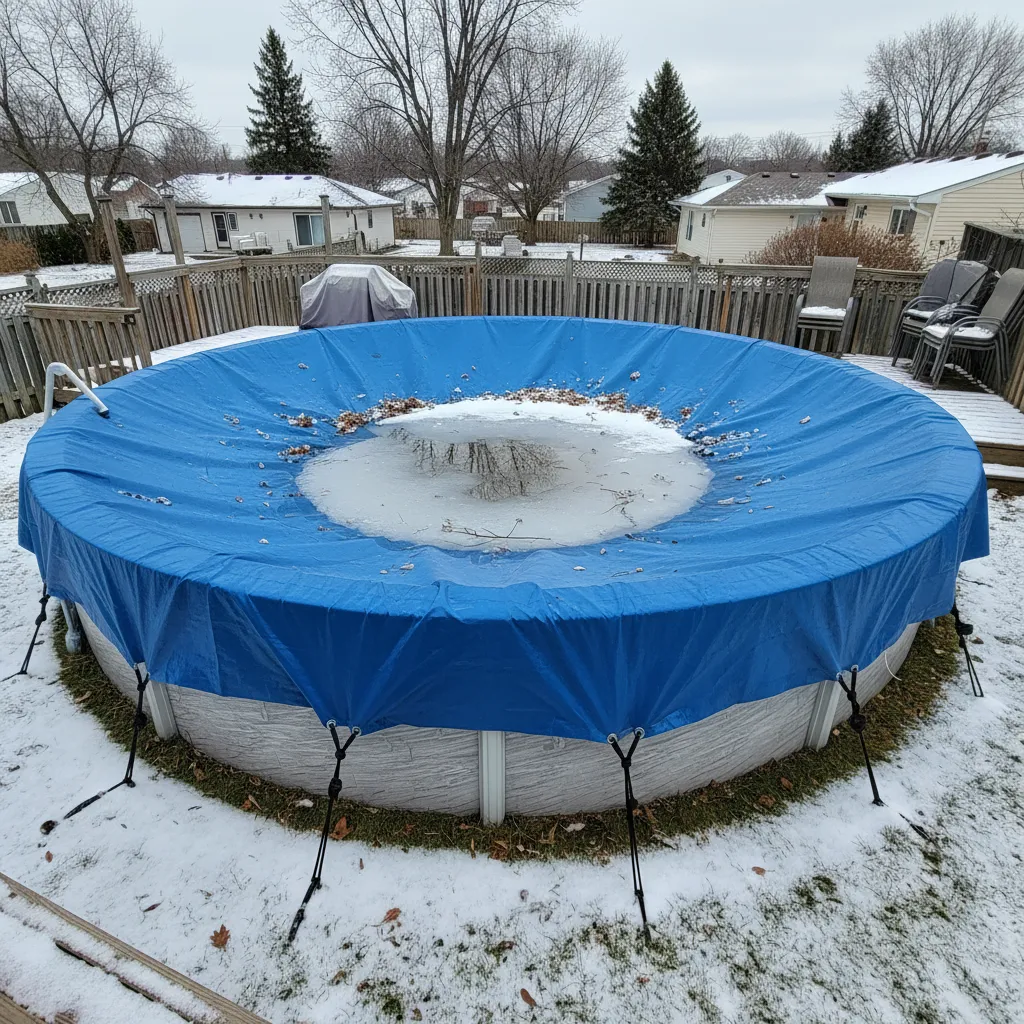
"Invest once to protect your liner and prevent a swamp in the spring."
Heavy-Duty Winter Pool Cover
Winter demand is high - check stock
How Pool Dye Works in Water
Pool dyes use water-soluble pigments that disperse evenly through circulation systems. Unlike paints or stains, these formulas contain non-toxic polymers that bind to water molecules, creating vibrant hues lasting 1-7 days. Most dyes work best in balanced water with pH levels between 7.2-7.8 and chlorine under 3 ppm. For example, 8 ounces of concentrated blue dye typically treats 15,000 gallons, while darker shades like black may require double the dose. Maintaining proper pH levels is crucial for the effectiveness of these dyes. This is where products like baking soda come into play, as they can help balance the pool’s water chemistry.
Safety Precautions for Dyeing Pools
Not all colorants are pool-safe. Avoid fabric dyes, food coloring, or craft pigments, which can stain surfaces or harm equipment. Look for NSF/ANSI-certified products tested for swimmer safety and filtration compatibility. Always wear gloves when handling concentrated dyes, and prevent direct skin contact with undiluted solutions.
| Safe Options | Unsafe Options | Certifications |
|---|---|---|
| Aquatic-grade dyes | Household fabric dyes | NSF/ANSI 50 |
| Mineral-based colorants | Acrylic paints | APSP approval |
Impact on Pool Chemistry and Equipment
While quality dyes won’t disrupt sanitizer effectiveness, unbalanced water can cause uneven coloring or rapid fading. High chlorine levels (above 5 ppm) break down pigments faster, while low pH may lead to surface staining. Cartridge filters might trap dye particles, requiring cleaning cycles every 12-24 hours post-application. Vinyl liners and plaster finishes typically handle dyes well, but test a small area first.

Ready to explore methods for achieving that perfect emerald green or twilight blue? Let’s examine popular techniques for temporary and semi-permanent color transformations.
Popular Methods for Dyeing Pool Water
Pool owners have multiple ways to add color to their water. Each method serves a unique goal, from bold looks to short-term fun. Pick the right option based on your pool type, budget, and how long you want the color to stay.
Chemical-based Pool Dyes
These dyes mix with pool water to create vivid blues, greens, or even neon shades. They’re made to be safe for pools and won’t harm vinyl liners or tile work when used as directed. Just like pool water, proper chlorine balance is important for hot tubs. Proper chlorine balance keeps the hot tub clean and safe for users.
Using Commercial Pool-Safe Dyes
Brands like Pool Tone or Aqua Color offer dyes sold in liquid form. A 1-quart bottle treats 10,000 gallons, costing $20-$40. Pour near return jets while pumps run to spread the color fast. These dyes fade in 1-2 weeks and don’t stain if pH stays between 7.2-7.6.
Temporary Color Solutions
For quick changes, try non-chemical options. These work well for parties or events where you want color for just a day or two.
Latex Films and Dark Pool Covers
Latex films sit on the water’s top, turning the pool red, gold, or black. They tear easily but wash out with a hose. Dark covers, like black solar blankets, make water look deep blue but block sunlight. Both cost $50-$150 and last 3-5 days max. Before using a vacuum, it’s important to backwash the filter. This process helps remove debris and ensures the vacuum works more effectively.

Dyeing Spas and Hot Tubs
Hot tubs need dyes that can handle temps up to 104°F. Use half the dose for pools (2 oz per 500 gallons) to avoid foam. Spa dyes last 3-5 days due to heat breaking down color faster. Test bromine or chlorine levels first—high sanitizer levels bleach dyes quickly. To maintain the right balance in your pool, regular maintenance is essential. Klean Strip Muriatic Acid can help adjust pH levels effectively, ensuring a safe and enjoyable swimming experience.
How Long Does Pool Dye Last?
Most dyes fade in 5-14 days. Exact timing depends on three key factors that speed up color loss.
Factors Affecting Dye Longevity
Sun, filters, and pool chems all play a role. Plan for touch-ups every 7 days to keep the look fresh.
Sunlight, Filtration, and Chemical Interactions
UV rays break down dyes fastest—expect 30% faster fade in full sun. Sand or DE filters pull out dye bits over 48 hours. Keep chlorine under 3 ppm and pH neutral. Shock treatments strip color in hours, so delay shocking until after the dye fades.
Now that you know how dyes work and fade, let’s explore the upsides and downsides of coloring your pool.
Also See: Can You Use Pool Salt to Melt Ice? Discover the Facts
Pros and Cons Of Dyeing Your Pool
Adding color to your pool can transform its look instantly, but weighing practical impacts is vital. This choice brings both visual perks and functional challenges.
Benefits: Aesthetics, Parties, and UV Protection
Pool dye turns ordinary water into a vibrant focal point. Dark blues or blacks mimic natural ponds, while bright greens or purples suit birthday bashes. A dyed pool blocks up to 70% of UV rays, slowing algae growth and shielding vinyl liners from sun damage. For night swims, glow-in-thy-dark options lit with LED lights add a magical touch. Sometimes, after a shocking experience, things can feel heavy and unclear. The beauty of a dyed pool can bring joy and brightness back into life.
Downsides: Maintenance and Staining Risks
Colorants might cloud water or cling to tiles if dosage guidelines aren’t followed. High chlorine (above 3 ppm) breaks down dyes faster, requiring frequent top-ups. Light-colored plaster pools risk lasting stains from intense pigments. Filtration systems work harder, with cartridges needing rinsing every 48 hours post-dyeing to avoid clogging. Maintaining a clean and functional pool is essential for ensuring a safe swimming environment. One important aspect to consider is the condition of the pool liner track, which often requires attention to keep the liner secure and in good shape.
Step-by-step Guide to Dyeing Pool Water
Success with pool dyes starts with planning. Skipping steps might void warranties or harm pool parts.
Pre-dye Preparation
Start by skimming debris and vacuuming floors. Turn off automatic cleaners to avoid tangling dye particles. Confirm pump and filter function for optimal circulation post-application.
Testing Water Balance and Adjusting Chemicals
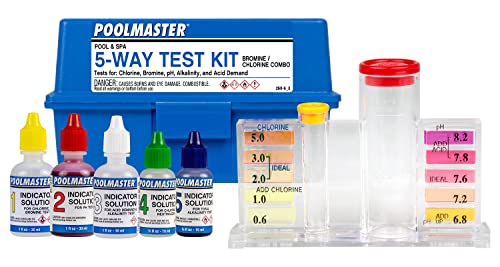
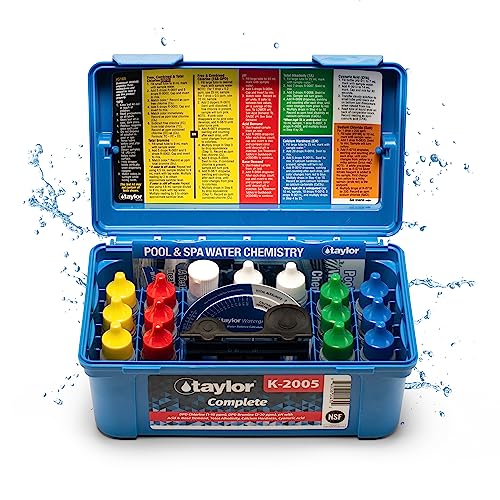
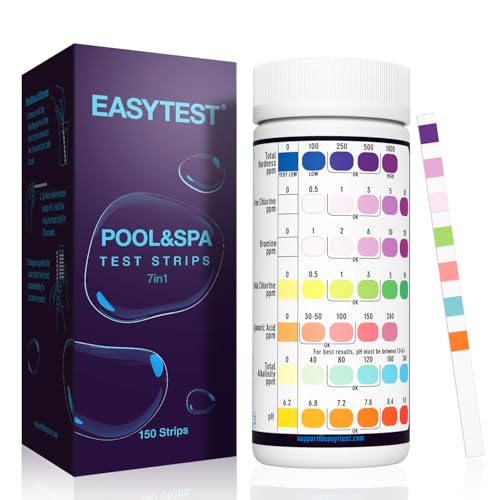
Use a digital kit to check pH (7.4-7.6), alkalinity (80-120 ppm), and sanitizer levels. Lower chlorine to 1 ppm using sodium thiosulfate if needed. Stabilize calcium hardness below 400 ppm to stop scaling—dyes bind better in balanced water. Maintaining proper chemical levels is also important when preparing a swim shocked pool. A swim shocked pool has a higher chlorine level to ensure water is safe and clean for swimming.
Applying the Dye
Pour liquid dye slowly near return jets while pumps run. For 15,000-gallon pools, start with 1 quart, adding 4 oz increments until desired intensity. Powder dyes need pre-mixing in a bucket of pool water to avoid clumping.
Dosage and Distribution Techniques
Walk around the pool’s rim while pouring for uniform dispersion. A pool brush helps push color into corners. Avoid splashing—concentrated pigment can tint coping stones or decking. Wait 24 hours before shocking or adjusting chemicals again. Maintaining a colorful and safe environment around your pool enhances enjoyment. Painting the concrete pool deck can protect it while adding a fun touch of style.
Maintaining Your Pool After Dyeing
Color longevity hangs on post-dye care. Ignoring shifts in chemistry leads to rapid fading or water issues.
Balancing Chemicals Post-dye
Test chlorine daily, keeping it between 1-2 ppm. High bromine spas? Limit levels to 3 ppm. Add a phosphate remover if cloudiness occurs—dyes sometimes react with organics. For saltwater pools, monitor stabilizer (cyanuric acid) to stay under 50 ppm. Maintaining proper chemical balance is crucial before opening the pool. Knowing the right levels will help ensure a safe swimming environment when the pool opens for the season.
Preventing Stains and Discoloration
Brush walls twice weekly to stop dye from settling. Metal sequestrants (like HEDP-based products) block iron or copper from bonding with pigments. If rain dilutes color, add a 50% dose post-storm. For lasting hues, apply UV-resistant top coats made for pools.
Looking to push your dyed pool’s visual impact further? Upcoming ideas for parties and artful displays might spark inspiration.
Creative Uses for Pool Dyes
Pool dyes do more than add color—they open doors to new ways to enjoy your space. From fun parties to bold looks, these options let you play with your pool’s vibe without long-term changes. The choice of materials in the pool, such as copper piping, can also influence the overall chemistry. This chemistry is crucial for maintaining water quality and ensuring a safe swimming environment.
Themed Pool Parties and Events
Turn your pool into the star of the party. Use dyes to match colors for holidays, birthdays, or sports events. Red for a love-themed splash, green for St. Patrick’s Day, or team colors for a game day. Pool-safe dyes mix fast and won’t stain skin or suits when used as directed. After all, a vibrant pool should be paired with the right atmosphere. The smell of chlorine is often associated with fun and clean swimming experiences.
Host a neon night with UV-reactive dyes that glow under blacklights. Pair with glow sticks or floaties for a full effect. For kids’ parties, try pastel shades like soft blue or pink. These dyes fade in 2-4 days, making them ideal for short-term fun.
Temporary Visual Effects
Create eye-catching looks without commitment. Dark blue or black dyes can make your pool seem deeper or mirror the sky. Add a drop of purple at sunset for a rich twilight vibe. Use light shades like aqua to mimic tropical waters in photos. If you want to enjoy these beautiful effects, it’s important to set up your pool properly. Taking the time to get things right will make your pool inviting and fun all season long.
Pair dyes with pool lights for layered effects. A teal pool under amber lighting shifts to emerald tones. For events, try a “color reveal” by adding dye while guests watch. Latex films or dark covers can boost the look, blocking sun to keep colors bright longer.
Ready to pick the right dye? Let’s explore how to choose and apply colors for your next project.
Frequently Asked Questions
Does Pool Dye Expire or Lose Effectiveness Over Time?
Unopened pool dyes typically last 2-3 years if stored in cool, dry conditions. Liquid dyes may separate over time but can often be shaken to revive consistency. Always check expiration dates and discard products with unusual odors or texture changes.
Are There Eco-friendly Pool Dye Options Available?
Some brands offer biodegradable dyes made from plant-based pigments that break down naturally within 7-10 days. Look for dyes certified by environmental organizations like EcoLogo or those labeled “non-bioaccumulative” to minimize ecological impact.
Can Pool Dyes Alter Water Evaporation Rates?
Dark-colored dyes (especially black or navy) may increase water temperature slightly, potentially accelerating evaporation by 5-10% in sunny climates. This effect is temporary and balances out as the dye degrades.
Is It Safe to Combine Pool Dyes With Algaecides or Clarifiers?
Most dyes work safely with common treatments, but avoid copper-based algaecides which can create staining compounds. Always add chemicals separately – apply dyes 24 hours after other treatments for optimal results.
Final Thoughts: Is Dyeing Your Pool Worth It?
Dyeing pool water offers a striking visual transformation, whether for themed parties, UV protection, or simply a unique aesthetic. With proper planning—testing water chemistry, choosing pool-safe dyes, and maintaining balance afterward—you can achieve vibrant results without compromising safety.
Keep in mind that dyes are temporary, lasting 1-4 weeks depending on sunlight exposure and filtration. While maintenance increases slightly, the creative possibilities make it a fun option for special occasions.
For precise chemical adjustments before or after dyeing, try My Pool Calculator. Our tools help maintain ideal water balance, ensuring your colored pool stays stunning and swim-ready.
Additional Resources for You:
- Lowry, R. (2018). Pool Chemistry for Service Pros: The Ultimate Guide to Water Balance. Laguna Hills, CA: Pool Chemistry Training Institute.
- i gotta be stupid- added blue pond dye to pool now its like | Trouble Free Pool
- Water colorant – Aqua Color (swimming pools, fountains, ponds) EdenColor
- Is it Safe to Dye Your Pool for a Holiday? – Lime Ricki
- Celebrate St. Patrick’s Day Without Dying Your Swimming Pool Water
A pool care geek who’s been testing water chemistry since she was tall enough to reach the skimmer.
Common Problems, Pool Chemistry, Stain & Scale Removal