Coagulation in Pool Water Treatment: A Comprehensive Guide
Published on: March 8, 2026 | Last Updated: November 17, 2025
Written By: Rachael Weatherbottom
Coagulation in water treatment is the process of binding microscopic particles in pool water into larger clumps for easy removal. Unlike basic filtration, which strains visible debris, coagulation targets particles as small as 0.5 microns—dust, body oils, and algae spores that cloud water. Pool owners use aluminum-based coagulants (like aluminum sulfate) or synthetic polymers (long-chain molecules) to neutralize the electrical charges keeping these particles suspended. This forces them to combine into “flocs” that filters can trap, improving water clarity by up to 90% and reducing strain on pumps and cartridges.
This guide breaks down how coagulation works at a molecular level and why it’s a non-negotiable step for maintaining swim-ready water. You’ll learn how to pick the right coagulant for your pool type, avoid common mistakes like overdosing, and troubleshoot issues like white residue or ineffective clumping. We’ll also explore how coagulation interacts with pH levels, sanitizers, and filtration systems to create a balanced maintenance routine.
Beyond basics, we’ll cover advanced topics: environmental impacts of coagulant runoff, safety protocols for handling concentrated chemicals, and cost comparisons between polymer and aluminum options. Whether you’re battling persistent cloudiness or optimizing equipment longevity, this resource equips you with actionable steps backed by water chemistry principles.
What is Coagulation in Pool Water Treatment?
Coagulation is a key step in water care. It targets tiny bits that float in pool water—stuff like dirt, skin cells, or algae specks too small to see. These bits don’t settle on their own and can slip through filters. Coagulants help trap them by making them stick together.
Crucial Winterizing Products
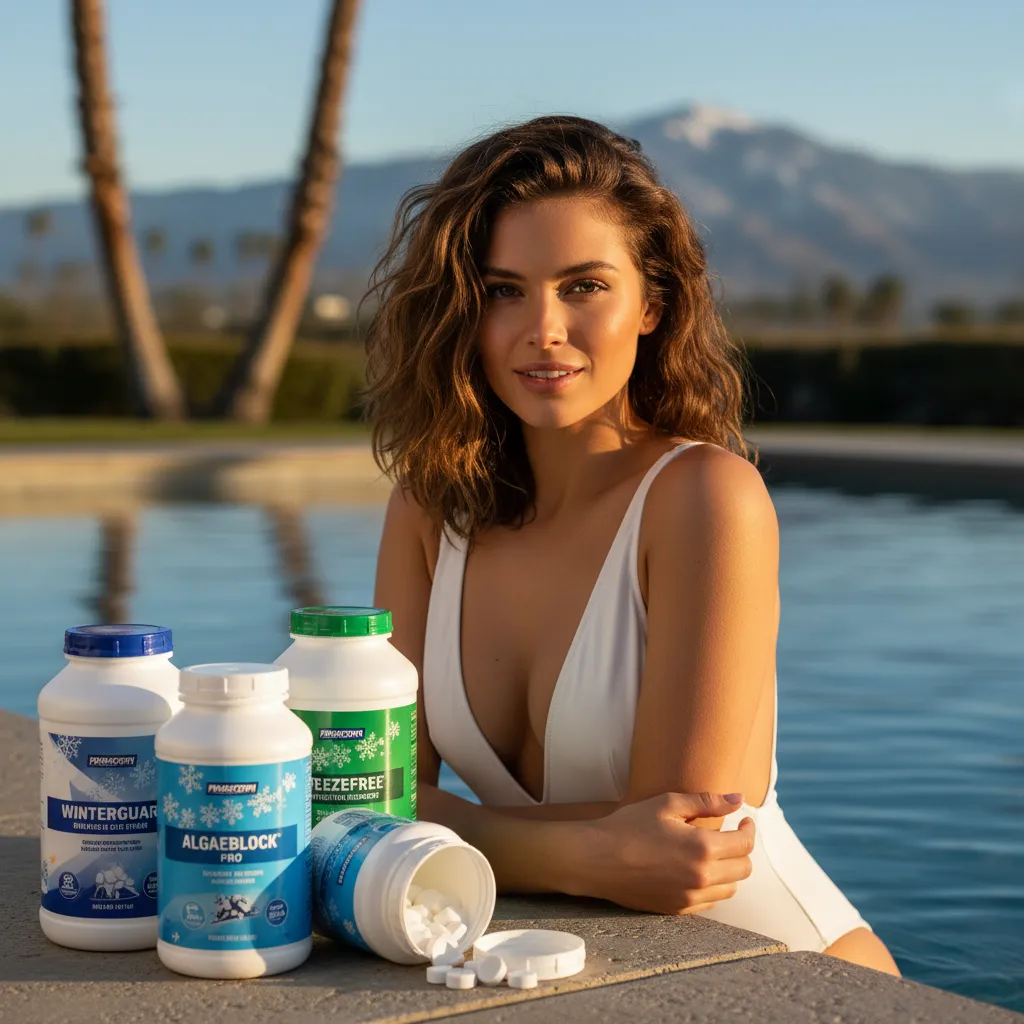
"The all-in-one solution for a guaranteed clear spring opening."
All-in-One Closing Chemical Kit
Winter demand is high - check stock

"The 'set & forget' option. This is the easiest winterizing I've ever done."
Simple 3-in-1 Winterizing Balls
Winter demand is high - check stock
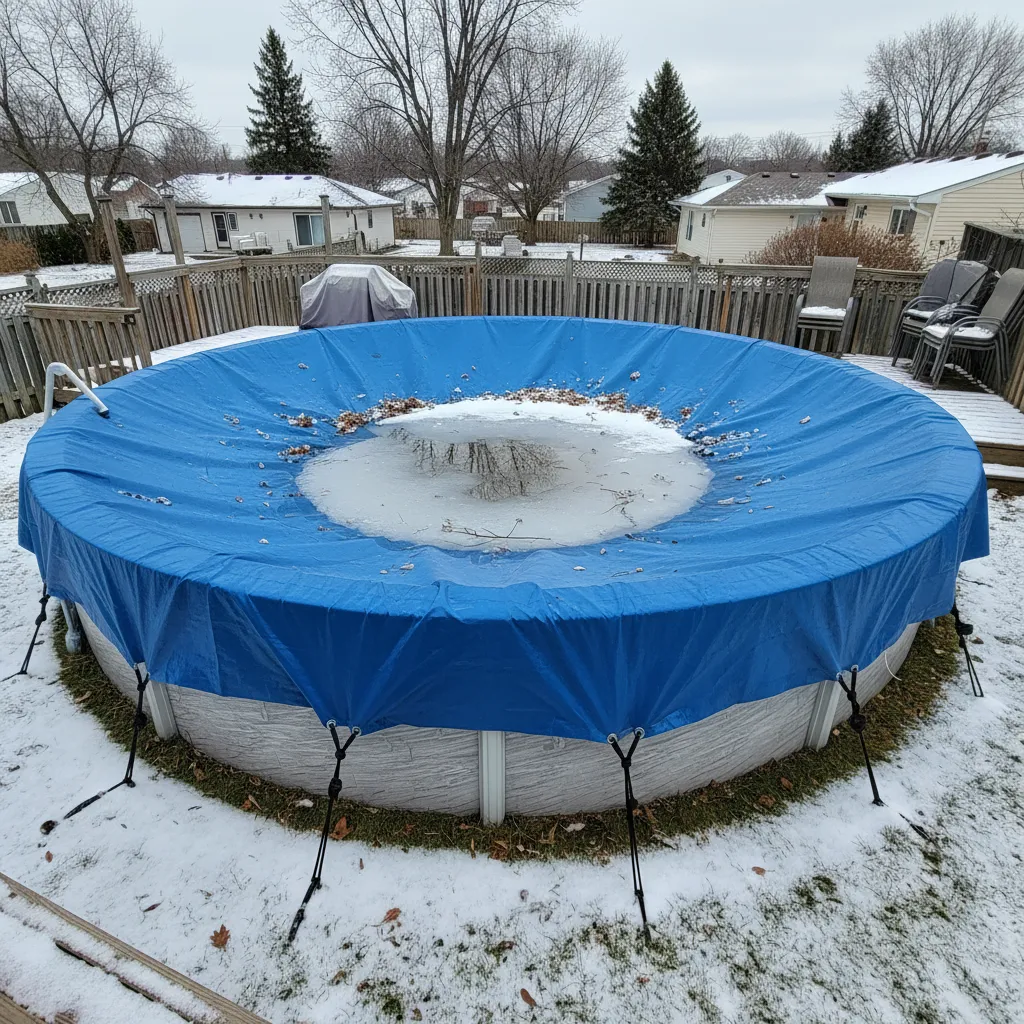
"Invest once to protect your liner and prevent a swamp in the spring."
Heavy-Duty Winter Pool Cover
Winter demand is high - check stock
Coagulation in Simple Terms
Think of pool water as a soup of tiny, same-charged bits. Since same charges push apart, these bits stay spread out. Coagulants act like glue. They add a charge that cancels the push, letting bits form clumps (called “flocs”). These clumps grow big enough for filters to catch or vacuums to remove.
The Science Behind Coagulation: Neutralizing Charges to Form Clumps
Most dirt in pools has a negative charge (zeta potential). Coagulants like aluminum sulfate or polyaluminum chloride release positive ions. These ions swarm the bits, drop their charge, and let them bind. The right pH (7.2-7.6) boosts this reaction. Once neutral, bits bump into each other, forming clumps 10-100 microns wide—large enough for filters to grab.
But how does this charge dance affect your pool’s health? Let’s break down why this step can’t be skipped.
Why Coagulation is Critical for Pool Care
Pool owners aiming for spotless water must tackle contaminants invisible to the human sight. Standard filtration systems miss particles smaller than 20 microns—think body oils, sunscreen residues, or dust—which stay suspended due to negative ionic charges. This is where coagulation shifts outcomes. The effectiveness of products like Pool Rx can play a significant role in addressing these issues. Knowing how long these solutions last can help maintain clean and clear pool water consistently.
Addressing Microscopic Particles in Pool Water
Colloids, particles ranging from 0.001 to 1 micron, resist settling naturally. Coagulants like polyaluminum chloride (PACl) or polymer-based formulas neutralize their charges. By binding these particles into clusters (flocs) exceeding 10 microns, they become filterable. Without this step, pools accumulate a foggy layer of unresolved contaminants.
Preventing Cloudiness and Algae Growth
Unchecked colloids act as a food supply for algae, providing nutrients like phosphates. Coagulation strips this fuel source, slowing algal blooms. Clear water also permits UV rays from sunlight to penetrate deeper, disrupting algae’s reproductive cycle. A study by the National Swimming Pool Foundation found pools using coagulants cut algal growth by up to 60% compared to non-treated systems. Maintaining proper water quality is important, especially when it comes to the pipes that carry it. Regular pressure testing of pool lines can help prevent leaks and ensure optimal flow.

Key Benefits Of Coagulation in Pool Maintenance
Beyond basic clarity, coagulation transforms how pools function. It optimizes filtration, protects hardware, and amplifies chemical results—all while cutting long-term costs. This improved efficiency can lead to better maintenance and fewer repairs. Choosing a solid pool warranty coverage ensures you are protected against unexpected issues that could arise.
Crystal-clear Water Visibility
When coagulants group tiny particles into larger masses, sand or cartridge filters trap them efficiently. This process reduces turbidity to below 0.3 NTU (Nephelometric Turbidity Units), giving water a polished, glass-like look. Such clarity isn’t just aesthetic—it allows swimmers to spot hazards like dropped items or cracks in pool liners.
Reduced Filter Clogging and Longer-lasting Components
Filters battling microscopic debris require backwashing 2-3 times more often, wearing out seals and motors. Coagulation slashes this strain by creating clumps that sit on the filter’s surface layer instead of lodging deep within media. This can prolong filter lifespans by 30% and trim water waste from backwashing by 15-20% annually. The efficiency of these systems can directly impact overall performance. Choosing the best time run pump can further enhance filtration and water management.
Improved Performance Of Other Pool Chemicals
Sanitizers like chlorine lose potency when attacking organic particles. Coagulation removes these distractions, letting 70-80% of free chlorine target pathogens directly. Balanced pH (6.5-7.5) during coagulation also stabilizes bromine or biguanides, avoiding pH-induced breakdowns that waste up to 40% of chemical stock.
Selecting a coagulant that aligns with your pool’s chemistry and filtration setup is vital for sustaining these gains. Factors like calcium hardness or existing algaecide treatments will guide ideal choices. Choosing the right algaecide is just as important for keeping your pool water clear and clean. This guide will help you find the best algaecides to prevent and treat algae growth effectively.
Optimizing coagulation relies heavily on picking the right chemical formulation—a decision shaped by water composition, budget, and long-term pool goals.
Also See: Bromine Vs Chlorine Hot Tub: Which is Best?
Types Of Coagulants Used in Pool Water Treatment
Pool-safe coagulants work by binding microscopic particles into larger clumps for easier removal. The right choice depends on water chemistry, particle load, and equipment compatibility.
Common Pool-safe Coagulants (E.g., Aluminum-based, Polymer)
Aluminum sulfate (alum) remains a staple due to its high positive charge (+3) and cost-effectiveness at $15-$25 per 5 lbs. Poly aluminum chloride (PAC) offers faster action in wider pH ranges (6-8.5) and reduces alkalinity less than alum. Synthetic polymers like polyDADMAC (cationic) or acrylamide copolymers (anionic) excel at capturing oils and fine debris but require precise dosing to avoid foaming.
Factors to Consider When Selecting a Coagulant
- pH sensitivity: Aluminum coagulants lose efficiency below pH 6.8, while polymers tolerate 7-8.5
- Cost per treatment: Polymers cost 2-3x more than alum but require smaller doses (5-10 ppm vs 25-50 ppm)
- Pool surface type: PAC causes less staining on plaster than alum

Step-by-step Pool Coagulation Process
Effective coagulation demands precise chemical balance and mechanical action. A 20,000-gallon pool typically requires 6-8 hours for full treatment.
1. Pre-treatment: Balancing Pool Chemistry
Adjust pH to 7.2-7.6 using sodium bisulfate or soda ash. Total alkalinity should sit at 80-120 ppm. High calcium hardness (>400 ppm) reduces coagulant efficiency by competing for binding sites. Keeping track of these levels is essential for maintaining pool water quality. The cost of pool chemicals can vary, and regular testing can help you control expenses effectively.
2. Proper Coagulant Dosage and Application
Liquid coagulants mix directly into the skimmer at 1-2 oz per 10,000 gallons. Powdered versions need pre-dissolving in a bucket. Overdosing (>100 ppm alum) causes milky water or equipment scaling.
3. Circulation and Clump Formation
Run the pump at high speed for 2-4 hours. Particles aggregate into flocs visible as cloudy “snow.” Poor circulation leaves dead zones with unclumped debris.
4. Vacuuming and Post-treatment Filtration
Switch the filter to “waste” mode and manually vacuum settled flocs. Cartridge filters may need cleaning post-treatment. Backwash sand filters if pressure rises by 8-10 psi.
Troubleshooting Common Coagulation Issues
Failed coagulation often stems from three root causes: chemical imbalance, mechanical failures, or dosage errors.
Why Coagulant Isn’t Working (Poor Clumping or Cloudiness)
- High TDS (>2000 ppm) neutralizes coagulant charge
- Low free chlorine (<1 ppm) allows organic interference
- Old coagulants lose potency after 2 years unopened
White Residue or Undissolved Chemicals
Aluminum hydroxide precipitates form when pH exceeds 7.8 during treatment. Use a metal sequestrant like HEDP (15-30 oz) to dissolve residue. Never mix coagulants with chlorine tablets – store separately.
Overuse and Equipment Damage Risks
Excessive polymer buildup clogs filter pores, reducing flow rates by 40-60%. Sand filters may develop channeling, while DE grids require full breakdown cleaning. Always measure with a graduated cup, not guesswork.
With these techniques mastered, let’s examine how to handle coagulants safely for swimmers and the environment.

Safety Of Coagulants in Swimming Pools
While coagulation plays vital roles in maintaining pool clarity, managing chemical safety remains top priority for swimmers. Proper use of coagulants requires balancing effectiveness with precautions to protect people using the pool. Additionally, maintaining clean water is essential for safety and comfort. A backwash pool cartridge filter helps in achieving this by efficiently removing impurities and debris from the water.
Swimmer Safety Guidelines
Most pool-safe coagulants like polyaluminum chloride (PACl) or chitosan-based polymers pose minimal risks when used correctly. Wait 6-8 hours after treatment before allowing swimmers back into the water. Test pH levels post-application—coagulants perform best between 7.2-7.6, but deviations outside this range may cause skin or eye irritation. Watch for these symptoms in swimmers: It’s important to ensure that the water is safe before anyone swims again. Keeping everyone out of the pool after the acid treatment helps prevent any negative reactions.
- Temporary redness or dryness of skin
- Mild eye discomfort if opened underwater
- Unusual cloudiness persisting beyond 24 hours (indicates dosage errors)
Rinse off with fresh water after swimming to remove residual particles. Never apply coagulants while the pool is occupied, as direct contact with concentrated forms may cause chemical burns. Regular cleaning and proper maintenance are essential for keeping the pool safe. It’s equally important to balance pool chemicals to ensure water quality and swimmer safety.
Proper Storage and Handling Of Coagulant Chemicals
Liquid aluminum sulfate or dry polymer blends require specific storage conditions to maintain stability. Keep containers sealed in cool, dry spaces below 80°F to prevent caking or degradation. Follow these protocols:
- Store at least 10 feet from chlorine tablets to avoid toxic gas formation
- Use dedicated measuring cups for powders to prevent cross-contamination
- Wear nitrile gloves and splash goggles when handling
For spills, neutralize liquid coagulants with baking soda before rinsing with water. Sweep powdered versions gently into sealed waste containers—never use high-pressure hoses, which create airborne particles.
Environmental Considerations in Pool Coagulation
Modern pool maintenance increasingly focuses on minimizing ecological impacts. Coagulation generates waste sludge containing trapped contaminants, requiring thoughtful disposal strategies. One important aspect of pool safety is protecting the water from debris and contaminants. Pool safety covers can help keep the water clean and safe, making maintenance easier.
Responsible Disposal Of Coagulation Waste
Backwash water rich in coagulated debris should never enter storm drains or natural waterways. The concentrated mix of metals, organics, and chemicals can harm aquatic ecosystems. Follow local regulations—many municipalities mandate these steps:
- Filter backwash through settling tanks to separate solids
- Test sludge pH; adjust to neutral (6.5-7.5) using soda ash
- Dispose of dried waste via licensed hazardous material facilities
For home pools, vacuum coagulated clumps to waste settings, bypassing standard filters. Collect debris in reusable filter socks rated for 10-micron particles, then dispose of contents with household trash. Proper maintenance can help keep pool water clean and clear. Using Pool RX can make this process easier by providing additional control over algae and bacteria.
As we examine best practices for coagulation, questions often arise about optimizing this process. Let’s clarify key points in our next segment.

Frequently Asked Questions
How Often Should Coagulation Be Performed in a Pool?
Coagulation frequency depends on pool usage and environmental factors. For residential pools, apply coagulant every 2-4 weeks during peak season. Heavy bather loads, pollen seasons, or sandstorms may require weekly treatments. Test water clarity monthly—if particles remain suspended after 24 hours of filtration, it’s time to coagulate.
Can Natural Coagulants Like Chitosan Replace Traditional Options?
Yes, chitosan (derived from crustacean shells) offers a biodegradable alternative. It works best in pH 6.5-7.5 and binds organic debris effectively. However, it requires higher doses (15-20 ppm vs 5-10 ppm for polymers) and may not perform as well with inorganic particles like clay. Always check for shellfish allergies if using in public pools.
Is Coagulation Necessary for Saltwater Pools?
Absolutely. Saltwater chlorination generates sanitizer but doesn’t address microscopic particles. In fact, salt cells can increase water conductivity, making colloidal particles more stable. Coagulation remains essential—opt for aluminum-free polymers to avoid corrosion risks with salt systems. This leads to an important question about the overall cleanliness of saltwater pools are as sanitary as traditional chlorinated ones.
How Does Water Temperature Affect Coagulation?
Cold water (<60°F) slows clump formation by reducing particle collision rates. Below 50°F, switch to high-charge cationic polymers that work at lower kinetic energy. In heated pools (>90°F), monitor pH closely—warmer water accelerates coagulant hydrolysis, requiring more frequent pH adjustments.
Are There Eco-friendly Coagulants That Reduce Environmental Impact?
Emerging options include plant-based tannins and microbial polysaccharides. These break down naturally in 7-10 days versus 30+ days for synthetic polymers. However, they may leave slight tannin discoloration and often cost 50-70% more. Always verify local regulations—some regions restrict aluminum-based coagulants near sensitive watersheds.
Closing Thoughts
Coagulation transforms pool maintenance by tackling microscopic contaminants that standard filtration misses. Proper use of aluminum sulfate or polymer coagulants creates visible clumps for easy removal, ensuring water clarity and reducing strain on your filtration system.
For precise chemical dosing tailored to your pool’s volume and conditions, try My Pool Calculator. Our tools help optimize coagulation cycles while preventing overuse—key to protecting equipment and swimmers.
Mastering this process means fewer cloudy days, longer filter life, and water that stays inviting all season. Pair coagulation with balanced pH and regular vacuuming for truly pristine results.
Additional Resources for You:
- American National Standards Institute (ANSI). (2020). ANSI/PHTA Standards for Residential Swimming Pools. New York, NY: ANSI.
- Coagulants Used in Water Treatment: Optimizing Process Efficiency
- What is coagulation in water treatment? | Malvern Panalytical
- How are coagulants and flocculants used in water and wastewater treatment?
- What is the Coagulation Process in Water Treatment? – Oxyl-Pro
A pool care geek who’s been testing water chemistry since she was tall enough to reach the skimmer.
Cloudy Water Solutions, Common Problems, Pool Chemistry