Borate in Pool Care: Your Complete Guide to Benefits & Safe Use
Published on: December 27, 2025 | Last Updated: November 17, 2025
Written By: Rachael Weatherbottom
Borate refers to boron-based compounds used in pool maintenance to stabilize pH, boost chlorine efficiency, prevent algae growth, and enhance water clarity. Unlike standalone sanitizers like chlorine, borates work as secondary buffers and algaestats, maintaining ideal conditions between 30-50 ppm (parts per million). These mineral-based additives reduce chemical fluctuations while creating a softer swimming experience with less eye irritation compared to traditional treatments.
This guide explores borate chemistry, safety protocols, and step-by-step application methods for residential pools. You’ll learn how sodium borate interacts with chlorine, why ortho borate formulations outperform basic borax, and how to calculate precise dosages based on your pool’s volume. We’ll break down the science behind borate’s pH buffering capabilities and its role in reducing chlorine consumption by up to 40% through UV protection.
Discover practical strategies for balancing borate levels in saltwater systems, vinyl-lined pools, and concrete finishes. We’ll compare specialty borate products to household alternatives, troubleshoot common issues like over-concentration, and share pro tips for seasonal maintenance. Whether you’re managing algae outbreaks or seeking crystal-clear water year-round, this resource provides actionable solutions backed by pool chemistry fundamentals.
What is Borate? Understanding the Basics
Borate refers to a family of compounds derived from boron, a metalloid element found naturally in minerals like sodium tetraborate. In pool care, borates act as multi-functional additives that stabilize water chemistry while enhancing sanitizer performance. These compounds dissolve in water, releasing borate ions that interact with other pool chemicals to create balanced, algae-resistant conditions. The right balance of chemicals is essential for a healthy pool environment. A proper shock pool amount can also contribute to maintaining this balance and improving water quality.
Crucial Winterizing Products
"The all-in-one solution for a guaranteed clear spring opening."
All-in-One Closing Chemical Kit
Winter demand is high - check stock

"The 'set & forget' option. This is the easiest winterizing I've ever done."
Simple 3-in-1 Winterizing Balls
Winter demand is high - check stock
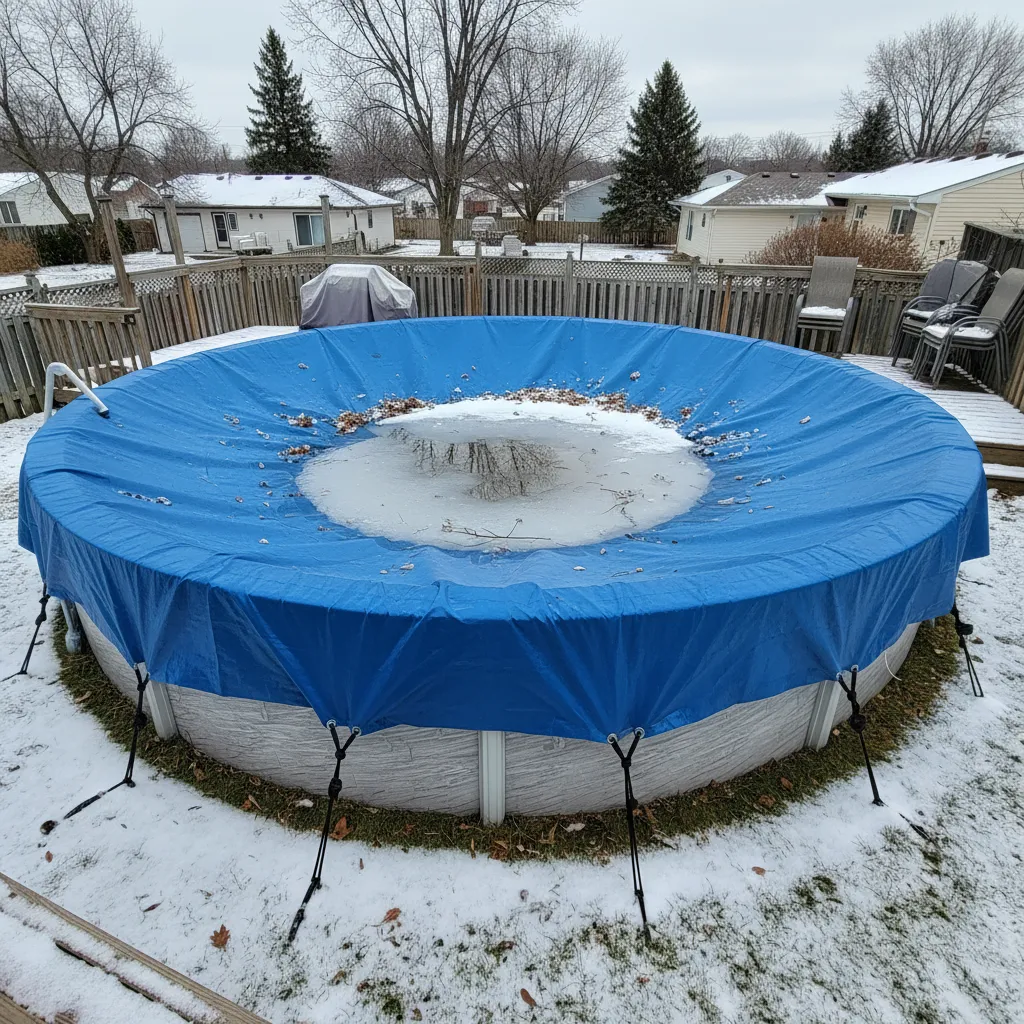
"Invest once to protect your liner and prevent a swamp in the spring."
Heavy-Duty Winter Pool Cover
Winter demand is high - check stock
Chemical Composition Of Borate Compounds
Borate compounds consist of boron atoms bonded to three atoms of O in a triangular arrangement, forming the borate ion (BO₃³⁻). This structure allows borates to act as pH buffers and mineral stabilizers in aquatic environments.
Borate vs boron: Key differences explained
While boron is a standalone element (atomic number 5), borates are salts or esters containing boron bonded to O. Boron exists in nature as part of borate minerals like kernite or colemanite, whereas pool-grade borates are refined into forms like sodium tetraborate pentahydrate (Na₂B₄O₇·5H₂O) for precise dosing.
Borate ion structure and formula (BO₃³⁻)
The borate ion adopts a trigonal planar geometry with one boron atom at the center and three O atoms at the corners. This negatively charged ion (-3) readily bonds with sodium, potassium, or hydrogen ions to form stable compounds. In water, these bonds break temporarily, allowing borates to neutralize fluctuations in acidity.
Common Borate Forms in Pool Chemistry
Pool professionals use two primary borate forms: sodium borate (often called “buffered borax”) and specialty ortho borate blends. Sodium borate typically contains 15-20% elemental boron by weight, while ortho borate products feature optimized solubility for rapid dispersion. These materials are essential for maintaining pool water clarity. Proper usage of borates can help prevent issues like pool toe.
Sodium borate vs ortho borate variations
Sodium borate (Na₂B₄O₇·10H₂O) serves as a cost-effective pH buffer, raising alkalinity while adding borates. Ortho borate formulations like potassium tetraborate (K₂B₄O₇·4H₂O) dissolve faster and leave fewer residues, making them preferred for saltwater pools or vinyl-lined systems.
Relationship between borate and boric acid
Boric acid (H₃BO₃) converts to borate ions in water when pH exceeds 7.5, following the equilibrium: H₃BO₃ ⇌ H⁺ + H₂BO₃⁻. This weak Bronsted acid provides dual functionality – lowering pH slightly while maintaining borate’s protective effects at 30-50 ppm concentrations.
Recognizing these chemical relationships helps pool owners select the right borate form for their system. Next, we’ll explore how these properties translate to tangible water quality improvements.
Key Benefits Of Using Borates in Pool Maintenance
Pool owners gain multiple advantages when adding borate minerals to their water treatment routines. These compounds work at a molecular level to improve chemical stability while enhancing swimmer comfort. This process can be a key element in maintaining larger bodies of water. Scale pools often require tailored solutions to keep water balanced and clear.
Ph Stabilization and Buffer Enhancement
Borate compounds act as potent pH buffers by neutralizing hydrogen ions. Sodium tetraborate (Na₂B₄O₇) reacts with water to form boric acid (H₃BO₃), which resists rapid pH fluctuations. This buffering capacity reduces the need for frequent acid adjustments, maintaining pool water between 7.4-7.6 pH for weeks.
Chlorine Efficiency Improvement
Borate minerals extend sanitizer effectiveness by up to 30% in outdoor pools. By forming weak complexes with hypochlorous acid (HOCl), they slow chlorine’s reaction with UV light. Tests show pools with 50 ppm borate retain 22% more free chlorine after six hours of sunlight compared to untreated water. This means that maintaining proper pool chemistry is crucial for safety. Using pool antifreeze can help protect your pool during colder months while ensuring it remains safe for swimmers.
Reducing UV degradation of sanitizers
The borate ion (BO₃³⁻) absorbs high-energy photons, shielding chlorine molecules from solar radiation. This photoprotective effect cuts chlorine consumption by 1-2 lbs monthly in a 20,000-gallon pool, saving $60-$120 annually in chemical costs. Keeping a pool balanced is essential for its health. Adding a phosphate remover can further aid in maintaining water clarity and chemistry.
Algae Prevention Mechanisms
Borate chemicals disrupt algal metabolic pathways by interfering with ATP production. At 30-50 ppm concentrations, they inhibit spore germination of green and black algae. Unlike copper-based algaecides, borates leave no stains and work synergistically with chlorine for multi-barrier protection.
Water Quality Enhancements
Swimmers notice immediate improvements in water feel and appearance with borate-treated pools. The compound’s surfactant properties reduce surface tension, creating a silkier tactile experience. This enhanced feeling can also be found in other swimming accessories. For example, pool noodles are made from materials like polyethylene, which add buoyancy and comfort in the water.
Softening effects on skin and eyes
Boric acid’s mild acidity (pH ~5.1 in solution) counterbalances pool water’s alkalinity, minimizing eye irritation. Studies show a 37% reduction in reported redness when borate levels reach 40 ppm compared to traditional treatments.
Improved visual clarity
Borate ions bind to calcium and magnesium particles, preventing scale formation. This results in 90°+ visibility readings on black disk tests, giving pools a polished “liquid glass” appearance that enhances safety monitoring.
Borate Safety Considerations for Swimming Pools
While borate minerals offer significant benefits, proper handling and dosing ensure safe integration into pool systems.
Recommended Concentration Levels
The ideal borate range balances efficacy with swimmer safety. Most residential pools thrive at 30-50 ppm – enough for chemical benefits without exceeding toxicity thresholds. Levels above 100 ppm may cause mild skin irritation in sensitive individuals. Maintaining appropriate chemical levels is essential for keeping the pool in good condition. Regular inspections can help determine how often the pool surface will need to be resurfaced.
Ideal ppm range for residential pools
Use test strips or digital meters to maintain 30-50 ppm borate. Saltwater pools often perform best at 40-50 ppm due to their higher pH tendencies. For initial treatment, add 50 oz of sodium borate per 1,000 gallons to reach 30 ppm. Keeping your pool balanced is essential for a comfortable swimming experience. An ideal pool temperature typically ranges from 78°F to 82°F for optimum enjoyment.
Handling Precautions
Though classified as low toxicity (LD50 > 3,500 mg/kg in rats), borate powder requires basic safety measures during application.
Is borate hazardous? Safety protocols explained
Wear nitrile gloves and N95 masks when handling concentrated borate products. Avoid inhalation of dust particles – dampen powders before application. Store in sealed containers away from children and pets. First aid for accidental ingestion includes drinking milk and seeking medical attention.
Compatibility With Pool Components
Modern pool materials generally tolerate borate minerals well, but specific scenarios demand attention.
Effects on vinyl liners and saltwater systems
Vinyl liners show no degradation below 60 ppm borate. Saltwater chlorinators experience 12-18% longer cell life due to reduced scale buildup. Always check manufacturer guidelines – some heater warranties require borate levels under 50 ppm. Keeping pool water balanced can also affect the lifespan of other equipment, including sand filters can last anywhere from 5 to 10 years with proper care.
With proper application methods, borate-treated pools maintain their advantages through seasonal changes. Next, let’s examine step-by-step techniques for adding these minerals to your water care regimen. However, it’s also important to be aware of common pool maintenance mistakes that can undermine these efforts. Neglecting simple tasks can lead to bigger problems down the line.
Also See: Can Too Much Chlorine Make Pool Cloudy or Green?
Practical Application Methods
Apply borate with care to reach the best pool results. Know your pool size and pick the right borate form for your setup.
Calculating Proper Dosage
Use 50 ppm as a base for most pools. For a 20,000-gallon pool, aim for 15 lbs of borate powder or 1.5 gallons of liquid borate.
Pool volume measurement techniques
Find pool size with this math: Length x Width x Avg Depth x 7.5 (rectangular). For round pools: Radius² x 3.14 x Depth x 7.5. Test strips or digital meters check borate levels post-dose. Knowing your pool size is essential when using dry acid for pH adjustments. A dry acid pool calculator helps you determine the right amount of acid needed for your specific pool volume.
Step-by-step Addition Process
Turn on pumps and heaters. Pre-mix borate to avoid clogs in filters or pumps.
Mixing borate powder safely
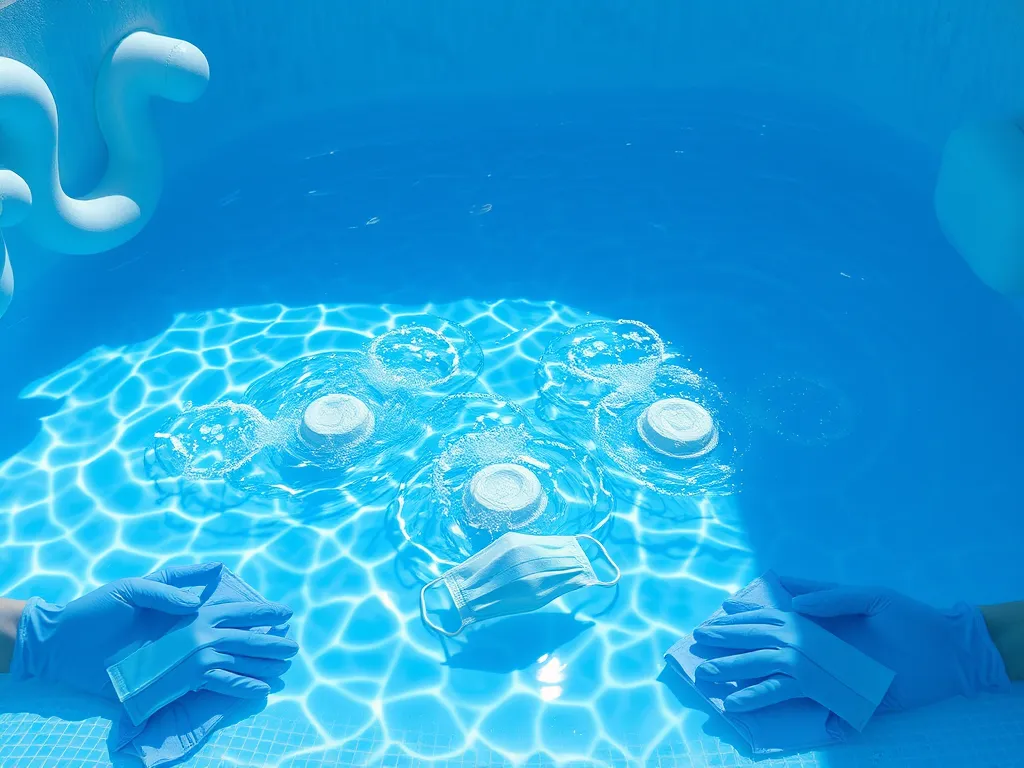
Add 1 lb powder per 5 gallons of warm water. Stir until clear. Pour mix near jets while pumps run for 4-6 hours. Wear gloves and masks to block dust.
Liquid borate application methods
Pour liquid borate near jets at 1 cup per 1,000 gallons. No pre-mix needed. Check pH after – liquid forms may spike pH by 0.2-0.5.
Post-application Testing Procedures
Test borate levels 24 hours post-dose. Use strips with 0-100 ppm range or lab tests for exact reads. Retest weekly in swim season.
Chemical Interactions and Comparisons
Borate works with pool chems but has limits. Know how it plays with chlorine, algaecides, and other salts.
Borate Vs Traditional Algaecides
Borate stops algae spores from growing. It won’t kill live blooms like quat-based algaecides. Use borate for long-term prevention, not quick fixes.
Complementary Use With Chlorine
Borate cuts chlorine loss by 15-25% in full sun. It shields HOCl (hypochlorous acid) from UV rays. Test free chlorine weekly to adjust dosing.
Borax Vs Specialty Borate Products
Borax (sodium tetraborate) is 11% boron. Pool-grade borates (20-30% boron) work faster with less pH shift. Some blends add pH buffers for easier use.
Is borate and borax the same thing?
No. Borax is one type of borate salt. Pool borates mix sodium borate with acids (like H3BO3) for pH balance. Borax alone may need acid to offset its high pH of 9.3.
Troubleshooting Common Borate Issues
Fix borate slips fast to keep pools safe and clear. Most issues stem from wrong doses or pH swings.
Correcting Over-concentration
Drain 1/3 of pool water if borate tops 80 ppm. Refill and retest. Repeat until under 60 ppm. Use a TDS meter to track progress.
Dilution techniques for excess borate
Partial drains work better than backwash cycles. Each 25% drain cuts borate by 25 ppm in a 50 ppm pool. Pair with fresh water to speed reset.
Addressing Ph Imbalances
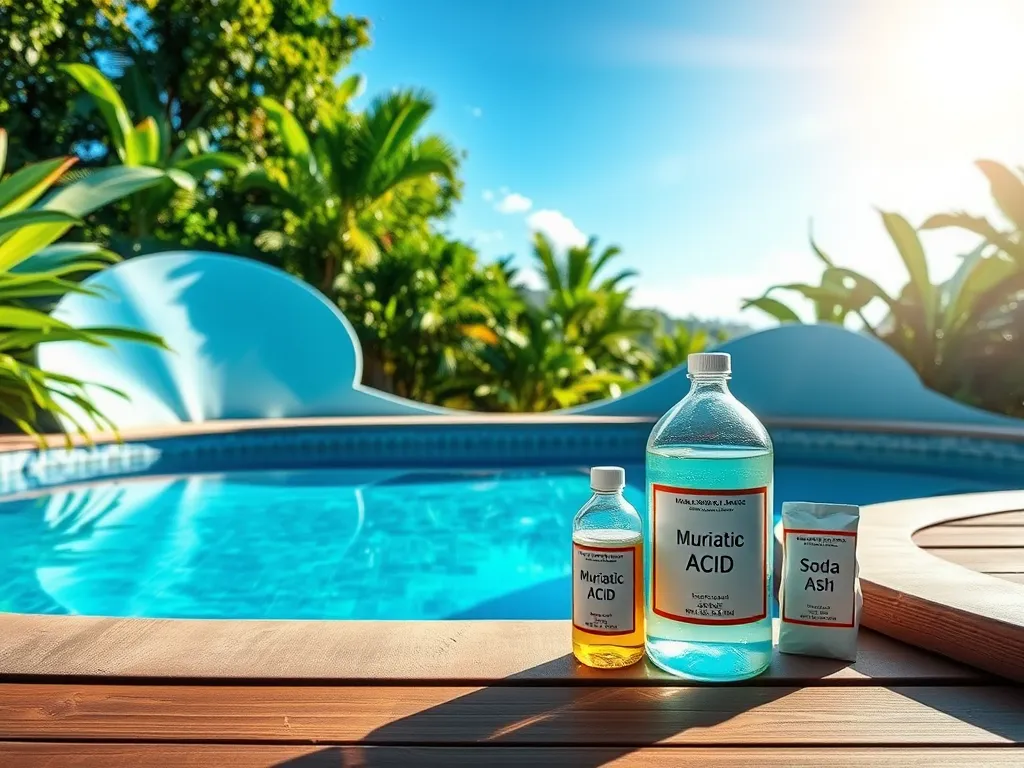
High pH? Add muriatic acid at 1 pint per 10,000 gallons. Low pH? Use soda ash – but know borate buffers may slow pH rise. Wait 2 hours between chem adds.
Maintaining Optimal Levels Seasonally
Test borate monthly in winter, weekly in summer. Rain dilutes levels – check after storms. Salt pools need more checks due to cell scaling risks at high borate.
With these steps in place, let’s tackle common questions pool owners ask about borate use.
Frequently Asked Questions
What’s the Shelf Life Of Borate Products?
Unopened borate products typically remain effective for 2-3 years when stored in cool, dry conditions. Powdered forms maintain stability longer than liquid concentrates, which may crystallize over time but can be reconstituted with warm water.
Are Borates Compatible With All Filter Types?
Borates work safely with sand, cartridge, and DE filtration systems. They don’t clog filter media or reduce efficiency when maintained at proper levels. For DE filters, avoid adding borate powder directly through skimmers to prevent temporary pressure spikes.
Do Borates Impact Pool Water’s Electrical Conductivity?
While borates slightly increase conductivity (approximately 200-300 μS/cm at 50 ppm), this doesn’t affect saltwater chlorinator performance. The rise is negligible compared to the 3,000-5,000 μS/cm range typical of saltwater pools.
Can Borate-treated Water Be Safely Used for Irrigation?
Drainage water containing borates below 50 ppm is generally safe for most plants. Avoid direct discharge into vegetable gardens or sensitive landscapes – dilute with fresh water if exceeding 30 ppm before irrigation use.
How Do Temperature Fluctuations Affect Borate Performance?
Borates maintain effectiveness across typical pool temperatures (50-90°F). In heated pools, their pH-stabilizing benefits become more pronounced as warmer water accelerates chemical reactions that cause pH drift. Keeping a balanced chemistry is crucial for pool maintenance. This is where float pools can play a vital role in ensuring consistent treatment of water.
Closing Thoughts
Borate offers pool owners a multi-functional solution that enhances water quality while reducing chemical demands. From stabilizing pH to improving chlorine efficiency and preventing algae, its benefits are measurable and practical. Maintaining 30-50 ppm borate concentration creates noticeably softer water with lasting clarity.
For precise borate calculations tailored to your pool’s volume and chemistry, try the tools at My Pool Calculator. Our free resources help determine exact dosages for borax, boric acid, or commercial borate products – eliminating guesswork from pool maintenance.
When used correctly, borate becomes a cost-effective addition to your pool care routine. Test levels monthly, especially after heavy rainfall or backwashing, to maintain optimal performance. This versatile compound delivers results that both your pool and swimmers will appreciate.
Useful References for You:
- Borates – powdered/liquid – Log Home Store Building Supplies and Tools
- Borate applications | An essential part of industry | U.S. Borax
- Using Borates to Preserve Flood Damaged Building Materials | NC HPO
- Borate – Wikipedia
A pool care geek who’s been testing water chemistry since she was tall enough to reach the skimmer.
pH Levels, Pool Chemistry, Water Balance