Can You Go in the Pool With Bleached Hair? Will Chlorine Turn It Green?
Published on: January 17, 2026 | Last Updated: November 17, 2025
Written By: Rachael Weatherbottom
Yes, you can swim with bleached hair, but chlorine and metals in pool water can damage it or cause green tints. Bleached hair is porous, absorbing chlorine (a disinfectant) and copper (often present in pool algaecides or pipes). The green color isn’t from chlorine itself but from oxidized metals binding to hair proteins. Immediate risks include dryness and breakage, while repeated exposure raises the odds of discoloration.
Let’s break down the science behind pool chemistry and bleached hair. We’ll explore how chlorine interacts with lightened strands, why copper targets blonde tones specifically, and how long it takes for damage or discoloration to occur. Real-world examples include swimmers who’ve faced green tints after one pool session versus those who avoid it for months.
You’ll learn actionable strategies to protect your hair before swimming, neutralize green tones afterward, and choose pool types that minimize risks. We’ll cover pre-soaking with tap water, using swim caps correctly, and why coconut oil outperforms standard conditioners as a barrier. Data reveals how proper pool maintenance slashes copper levels by up to 80%, reducing hair exposure.
Can You Swim With Bleached Hair?
Swim with bleached hair? Yes, but risks exist. Pool chem mix can harm light locks fast. Plan steps to shield hair or face dry strands, split ends, or green tints. Know the facts before you dip. After using baking soda in your pool, it’s important to wait a bit. This waiting period helps the chemicals balance before you dive in.
Crucial Winterizing Products
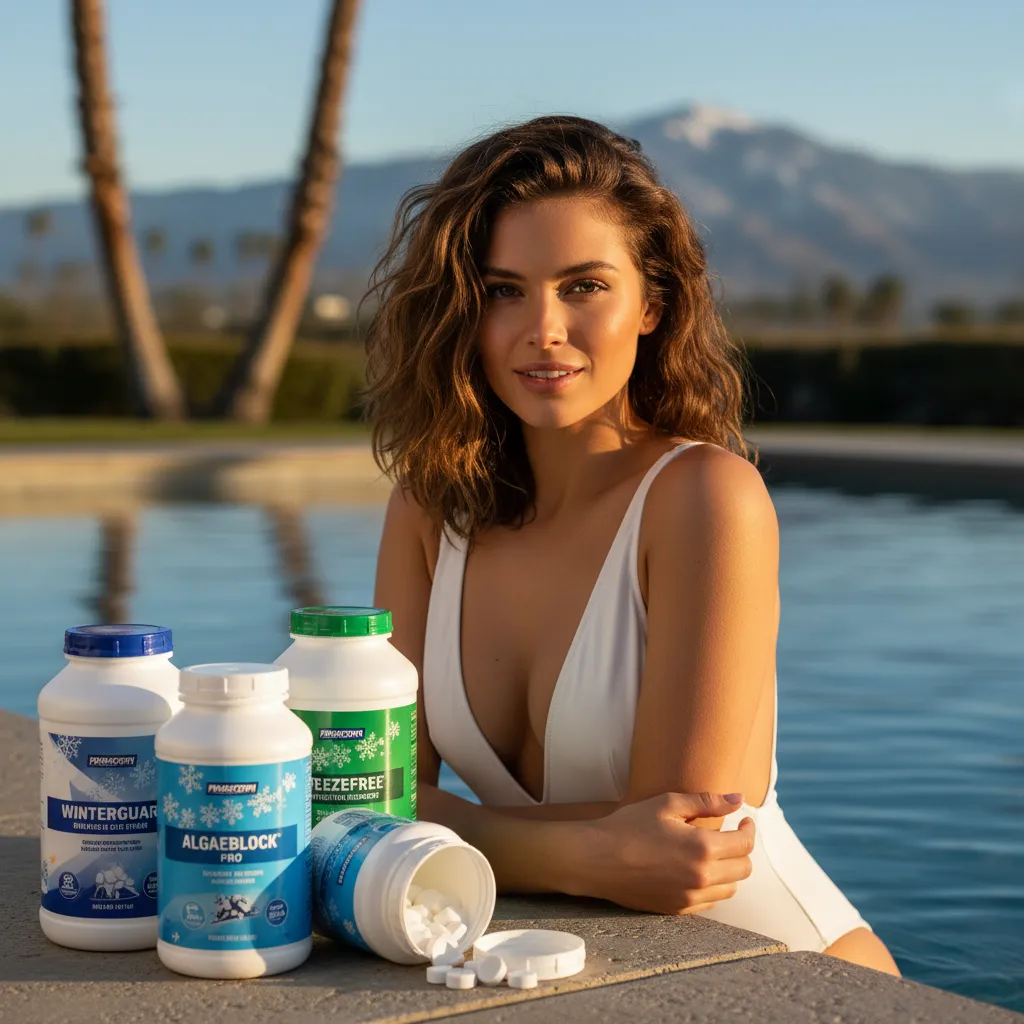
"The all-in-one solution for a guaranteed clear spring opening."
All-in-One Closing Chemical Kit
Winter demand is high - check stock

"The 'set & forget' option. This is the easiest winterizing I've ever done."
Simple 3-in-1 Winterizing Balls
Winter demand is high - check stock
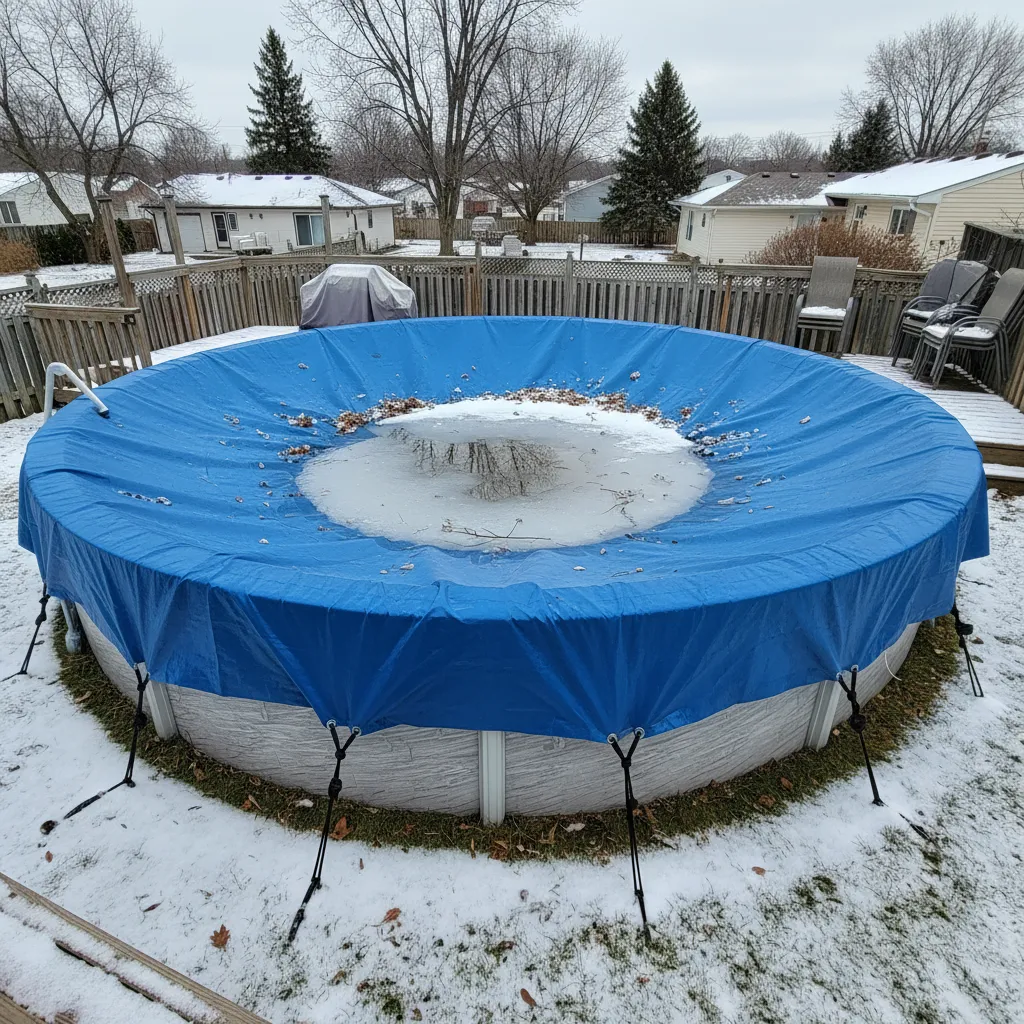
"Invest once to protect your liner and prevent a swamp in the spring."
Heavy-Duty Winter Pool Cover
Winter demand is high - check stock
Immediate Risks Of Chlorine Exposure
Chlorine strips oils from bleached hair fast. This leaves strands dry and weak. Worse, pool water holds metals like copper. When chlorine meets copper, it sticks to porous hair. Light hair acts like a sponge, soaking up these bits. Green tint shows up in just one swim if levels are high. Inconsistent chlorine readings can make it hard to know how much chlorine is really in the pool. This can lead to unexpected hair damage if the levels are too high or too low.
Bleached hair has a raised cuticle layer. Think of it like lifted roof tiles. This lets pool chem mix seep deep. Metals bind to hair’s cortex, changing its hue. Pool pH above 7.8 speeds this. More alkaline water opens hair cuticles wider.
How Long to Wait After Bleaching Before Swimming
Wait 7-10 days post-bleach. Fresh dye jobs need time to seal. Hair cuticles stay open right after bleach. Jump in a pool too soon, and damage triples. Use deep condish masks first. Test hair strength: if it snaps wet, wait longer.
Saltwater pools? Still wait 5 days. Salt dries hair, though less than chlorine. Post-swim, rinse hair with fresh water fast. Even a 60-second rinse cuts metal buildup by half. Pair with a leave-in spray made for pool days.
Why the green scare happens next? Let’s break down the science behind the tint shift.
Why Does Bleached Hair Turn Green in Pools?
Bleached hair acts like a sponge for minerals due to its lifted cuticle structure. Lightened strands absorb elements from pool water faster than untreated hair, leading to unexpected color shifts. The green tint isn’t directly caused by chlorine but by a chemical reaction between oxidized metals and porous hair.
The Role Of Chlorine and Copper in Pool Water
Chlorine oxidizes copper present in pool water, often from algaecides, pipes, or heating systems. At concentrations above 0.4 ppm (parts per million), copper ions bond with proteins in hair. This creates a green-blue compound visible on lightened strands. Pool pH levels between 7.2-7.8 accelerate this reaction, making bleached hair more susceptible. Keeping track of various pool levels is important for pool care. One crucial aspect is to check the salt level of your pool to ensure proper chlorine production.
How Bleached Hair Reacts to Metals
Bleaching removes melanin and opens the hair’s cortex, creating voids that trap metal particles. A single 30-minute swim can deposit up to 1.2 mg of copper per gram of hair. Blonde levels above level 9 on the lightness scale show discoloration faster due to increased porosity. The result? A swampy green hue that worsens with repeated exposure.

How to Prevent Bleached Hair From Turning Green
Protecting bleached hair requires a dual approach: shielding strands pre-swim and managing pool chemistry. Proactive measures reduce metal absorption while maintaining vibrant color.
Pre-swim Hair Protection Strategies
Saturating hair before pool entry minimizes how much chlorinated water it absorbs. Dry hair can hold up to 30% of its weight in water, while pre-wet strands absorb 50% less. Keeping hair protected is especially important for those who wear braids. Braids can help manage hair in the wet pool environment while reducing damage from chlorine.
Applying Barrier Oils (Coconut, Olive, or Specialty Products)
Coconut oil’s lauric acid creates a hydrophobic layer that repels copper ions. Apply 1-2 teaspoons evenly from mid-lengths to ends before swimming. For frequent pool use, silicone-based serums ($15-$30) with dimethicone block metals without greasiness. Avoid heavy products that might cloud pool water.
Using Swim Caps Effectively
Silicone caps with a snug fit reduce water contact by 80% compared to latex. Double-cap with a lycra liner for active swimming. Tuck all hair inside and secure straps to prevent slippage during laps.
Pool Water Maintenance Tips to Reduce Copper
Test copper levels monthly with a Taylor K-2006 test kit. Keep concentrations below 0.2 ppm using metal sequestrants like ProTeam Metal Magic. Adjust pH to 7.4-7.6 to slow oxidation reactions. Replace copper-based algaecides with polyquat alternatives to eliminate the metal source.
While prevention helps, knowing the timeline for color changes ensures quick action when needed.
Also See: Can You Swim in a Pool With High Copper Levels? Here’s What to Know
How Long Before Chlorine Affects Blonde Hair?
Bleached hair starts reacting to pool chemicals within minutes of exposure. The speed of green discoloration depends on multiple variables, from hair porosity to pool maintenance practices. Lightened strands act like sponges, absorbing metals faster than untreated hair due to raised cuticles from the bleaching process. Similarly, frog pools can be homes for many creatures, including frogs. Frog pools provide a unique environment for these amphibians, supporting their life cycle and ecosystem.
Factors Influencing Green Discoloration Speed
High porosity hair (common after multiple bleach sessions) absorbs copper particles 3-5x faster than healthy strands. Pools with copper-based algaecides or pH above 7.8 accelerate metal bonding. Frequent swimmers might notice a brassy tint after 2-3 exposures, while single dips in heavily treated pools can cause immediate pale green undertones. Keeping your pool clean is important for more than just hair health. Simple measures can help keep gnats out of your pool and create a more pleasant swimming environment.
Signs Your Hair is Absorbing Metals
Watch for dullness at the midsection first, followed by subtle yellow-green shifts under bright light. Strands might feel straw-like even when wet—a telltale sign of chlorine and copper buildup. Test by blotting hair with a white paper towel after swimming; blue-green streaks indicate active metal absorption.
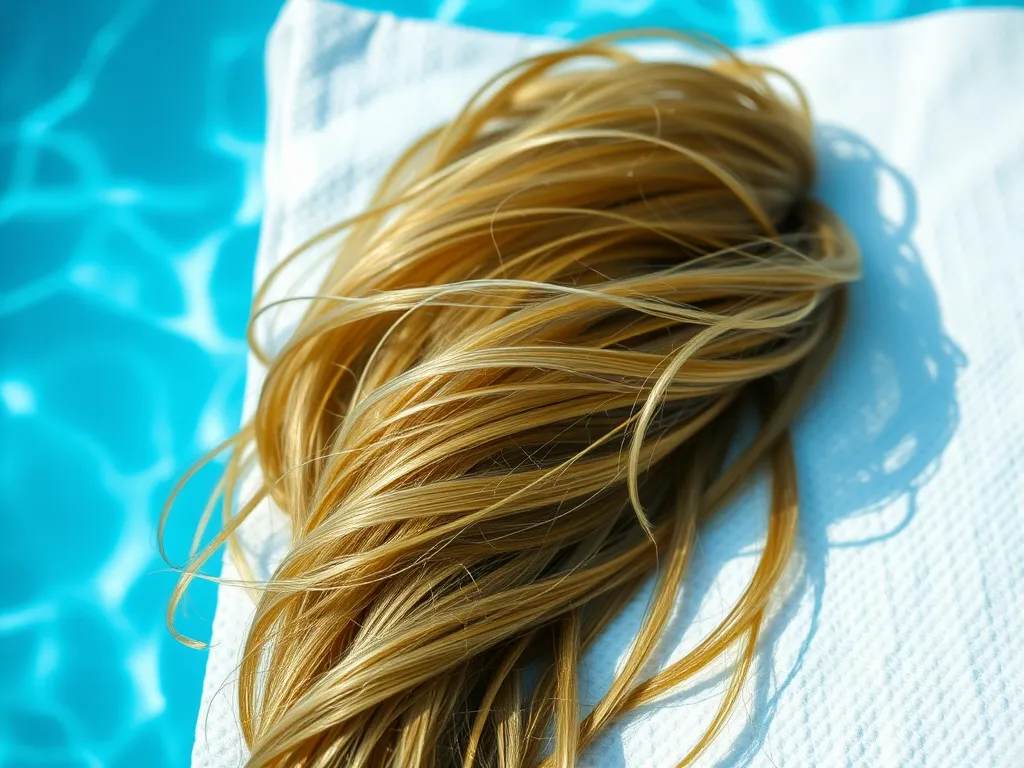
Fixing Green Tint in Bleached Hair After Swimming
Act quickly to prevent permanent staining. Green hues from copper react differently than typical chlorine damage, requiring specialized removal techniques.
Immediate Post-swim Care Routine
Rinse hair with cool fresh water for 3-5 minutes before exiting the pool area. This stops ongoing chemical reactions. Follow with a chelating treatment within 30 minutes to bind metals. It’s important to be aware of how different chemicals interact in a pool. One such chemical is sulfuric acid, which can impact water quality and safety.
Clarifying Shampoos for Chlorine Removal
Use formulas containing EDTA or ascorbic acid—Malibu C Swimmers Wellness Shampoo removes 89% of copper ions in one wash according to lab tests. Avoid sulfates if hair is severely dry; opt for a cream-based clarifier like Paul Mitchell Shampoo Three.
Targeted Treatments for Green Neutralization
Green sits opposite red on the color wheel, making copper stains responsive to reddish toners. The approach varies based on severity.
DIY Tomato Juice or Baking Soda Rinses
Acidic tomato juice (pH 4.3-4.9) breaks down copper oxide deposits. Apply strained juice to damp hair, leave for 20 minutes, then rinse. For mild cases, mix 1 tbsp baking soda with 2 cups water to lift surface metals without lightening color further.
Professional Color-Correcting Solutions
Salons use demi-permanent dyes with red-violet bases to cancel green. Celeb-loved treatments like Olaplex No. 4P Blonde Enhancer Toning Shampoo ($30) maintain results between appointments. For stubborn cases, a 10-volume peroxide gloss removes oxidation without re-damaging strands.
Saltwater Vs. Chlorine Pools: Impact on Bleached Hair
Not all pools pose equal risks. Saltwater systems generate chlorine through electrolysis, typically maintaining lower levels (1-3 ppm vs 3-5 ppm in traditional pools). But copper heat exchangers or ionizers in some salt pools still introduce metals. This raises questions about their cleanliness. Many people wonder **if saltwater pools are as sanitary as they seem.**
Does Ocean Swimming Pose the Same Risk?
Natural seawater contains trace metals (0.9 ppm copper vs 0.5-1.0 ppm in treated pools), but lacks added algaecides. Salt’s drying effect can lift cuticles, making bleached hair more porous. Always rinse with fresh water post-swim—salt crystals magnify UV damage by 60% on lightened strands.
Comparing Pool Types for Hair Safety
Mineral pools using magnesium chloride (like those with AquaRite systems) reduce copper exposure by 70% compared to chlorine pools. UV-sanitized public pools average lower metal content but higher chlorine (4-6 ppm). Test water with Copper Test Strips (Taylor K-1720) before swimming—levels above 0.4 ppm risk green tints. Chloramines can also be a concern in traditional pools. Finding ways to eliminate chloramines will help improve water quality and enhance your swimming experience.
With proper precautions, bleached hair can survive pool season intact. For those balancing regular swims with color maintenance, the next considerations involve long-term care strategies. Many Disney fans love to enjoy the various hotel pools during their visits. Pool hopping at Disney can be a fun way to experience different resort vibes.
FAQs: Bleached Hair and Pool Swimming
How Often Should I Use Clarifying Shampoo After Swimming?
Limit clarifying shampoos to 1-2 times weekly to avoid over-drying. For casual swimmers, once post-swim is sufficient. Alternate with moisturizing shampoos containing panthenol or keratin to maintain hydration balance.
Does Hair Porosity Impact Green Tint Likelihood?
High-porosity bleached hair absorbs metals 3x faster than low-porosity strands. Use porosity tests (strand float time) to gauge risk—hair sinking in water within 1 minute indicates extreme susceptibility to discoloration.
Are Swim Caps 100% Effective at Keeping Hair Dry?
No cap provides full waterproofing. Silicone caps block 80% of water, while latex allows 50% seepage. For maximum protection, combine a silicone cap with a pre-swim oil layer and avoid submersion deeper than 3 feet.
Can Hard Water Exacerbate Pool-related Hair Issues?
Yes. Hard water (calcium/magnesium) combines with pool metals, creating stubborn mineral buildup. Install shower filters with EDTA (like AquaBliss SF220) to remove 95% of home water metals post-swim. Keeping water clean is essential for pool maintenance. To effectively remove iron from your pool, consider using a specialized iron removal product or a flocculant.
Do UV Pool Systems Reduce Hair Discoloration Risks?
UV-treated pools use 50% less chlorine, lowering oxidative stress on hair. However, they don’t eliminate copper from source water—test metal levels monthly even in UV-sanitized pools. It’s also important to monitor mineral levels in the water. This can be done through a calcium saturation index test, which helps maintain balanced water chemistry and prevents corrosion.
Closing Thoughts
Bleached hair and pools can coexist with the right precautions. Chlorine and copper are the main culprits behind green discoloration, but pre-swim protection and proper pool maintenance minimize risks. Barrier oils, swim caps, and regular water testing keep your color vibrant.
If you notice a green tint, act fast with clarifying shampoos or targeted treatments like tomato juice rinses. For stubborn discoloration, professional color correction may be needed. Saltwater pools pose less risk than chlorinated ones, but ocean swimming won’t cause green hair.
Want to maintain perfect pool chemistry? Use My Pool Calculator to balance chlorine, pH, and metal levels. Proper water care protects both your hair and your pool.
Additional Resources for You:
- CDC – Healthy Swimming & Pool Safety Guidelines
- Why does my hair turn green from the swimming pool?
- How to protect your blonde hair from turning green in the pool – Milkshake USA
- Blonde hair turning green! | Salon Geek – Salon Professionals Forum
- r/Swimming on Reddit: Will chlorine ruin my bleached hair?
A pool care geek who’s been testing water chemistry since she was tall enough to reach the skimmer.
Common Problems, Pool Chemistry, Stain & Scale Removal