Does a Black Pool Cover Heat the Water? (pool Care Guide)
Published on: February 20, 2026 | Last Updated: November 17, 2025
Written By: Rachael Weatherbottom
Yes, a black pool cover heats water more effectively than other colors by absorbing up to 95% of solar energy, while all pool covers raise temperatures by preventing 70% of heat loss from evaporation. Black covers can boost water temperature by 5-15°F in optimal conditions, depending on sunlight exposure and climate. Clear or blue covers also trap heat but focus more on UV protection, typically raising temps by 3-8°F. The key difference lies in solar absorption: darker colors convert sunlight into thermal energy, while lighter shades prioritize light transmission.
This guide breaks down how pool covers influence water warmth through evaporation control and passive solar heating. You’ll learn why color choice impacts performance, how regional weather patterns affect results, and why a black cover might overheat pools in Arizona but excel in Michigan. We’ll explore technical details like R-value ratings, material conductivity, and the role of infrared radiation in nighttime heat retention.
Expect direct comparisons between black, blue, and clear covers using real-world temperature data from pool owners. We’ll also share pro tips: when to pair covers with solar heaters, how to avoid algae growth with dark covers, and why cover thickness matters more than color in windy areas. By the end, you’ll know exactly which cover type aligns with your local climate, pool usage habits, and heating budget.


How Pool Covers Influence Water Temperature
Pool covers work as thermal barriers, managing warmth through two primary functions: slowing heat loss and blocking water from turning into vapor. This dual action can lift water temps by 5-15°F, but outcomes vary based on factors like material, color, and local conditions. When considering your pool’s setup, it’s also important to look at how to convert a saltwater pool effectively. Converting a saltwater pool can provide clearer water and a gentler swimming experience.
Crucial Winterizing Products
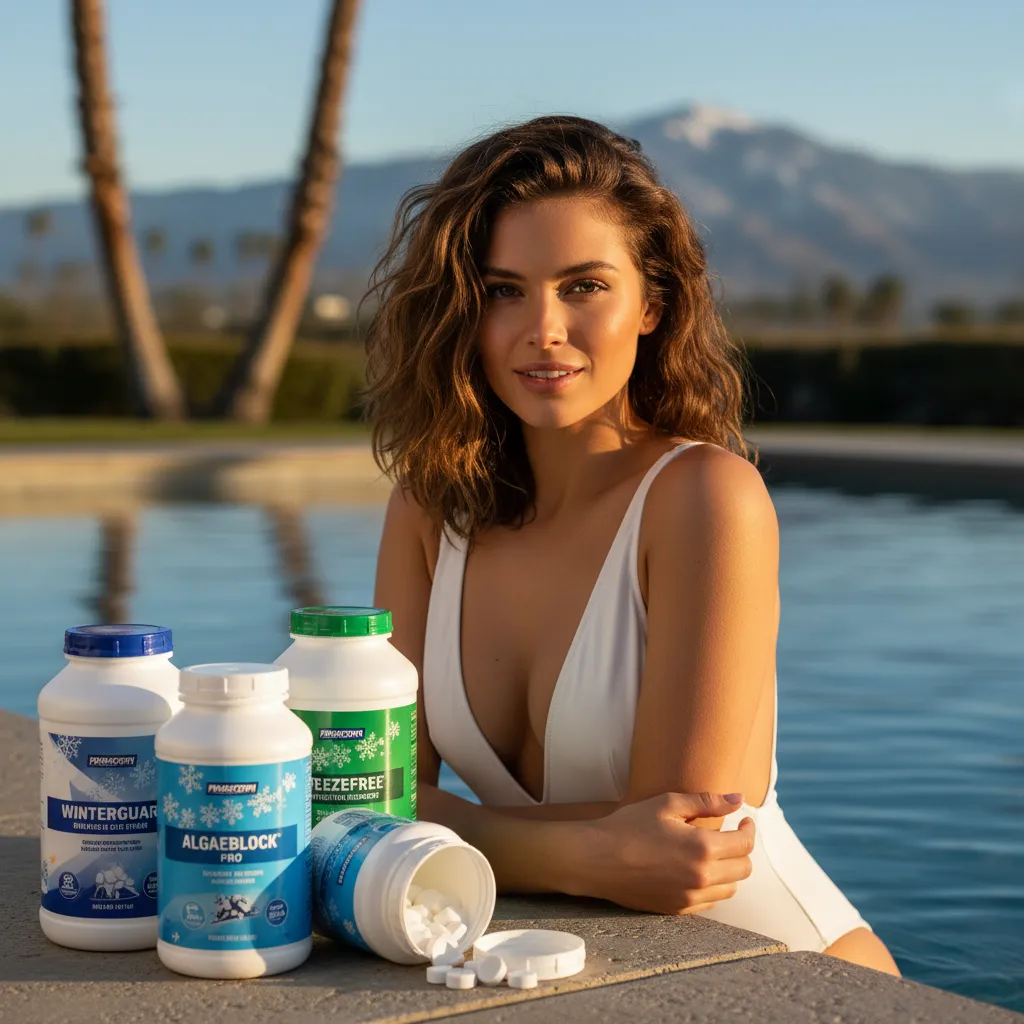
"The all-in-one solution for a guaranteed clear spring opening."
All-in-One Closing Chemical Kit
Winter demand is high - check stock

"The 'set & forget' option. This is the easiest winterizing I've ever done."
Simple 3-in-1 Winterizing Balls
Winter demand is high - check stock
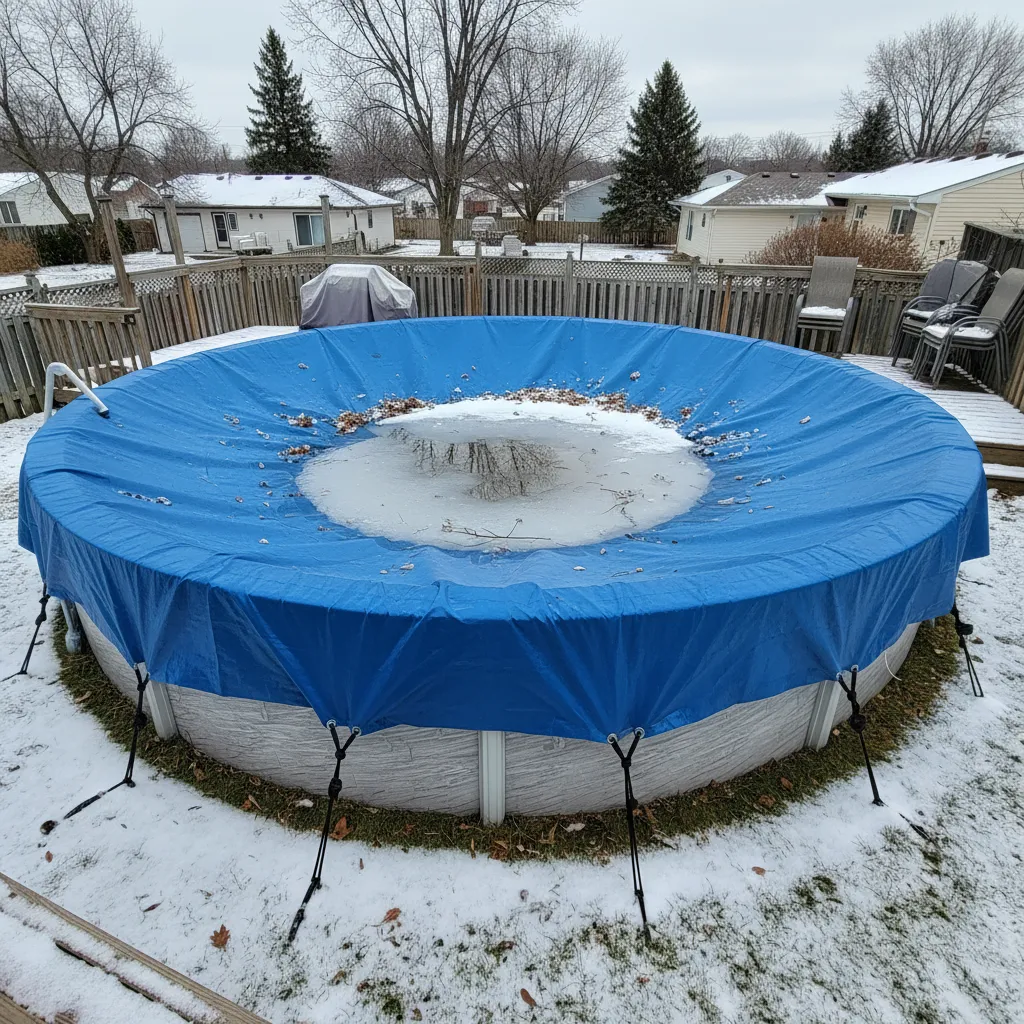
"Invest once to protect your liner and prevent a swamp in the spring."
Heavy-Duty Winter Pool Cover
Winter demand is high - check stock
The Science Of Heat Retention Vs. Active Heating
Heat retention differs from active heating. Systems like solar panels or gas heaters add warmth directly, while covers focus on trapping existing heat. Black pool covers absorb up to 90% of sunlight, transforming solar radiation into thermal energy that warms the water through conduction. A 12-mil vinyl cover, for instance, can boost temps by 8°F over 48 hours in sunny regions by capturing this passive warmth. To ensure safety and stability, it’s important to consider how pool steps are weighed down. Properly weighing down pool steps can help prevent them from moving or floating in the water.

Active heating requires pumps or panels, costing $3,000-$6,000 upfront. Covers, though, operate at $100-$800 with minimal upkeep. While they won’t match a heater’s 20-30°F boosts, they slash ongoing bills by up to 70% when paired with solar systems. Dark colors like black amplify solar absorption but don’t generate new heat—they simply slow what’s already there from slipping away. Maintaining proper water chemistry is also important for pool efficiency. A soda ash pool calculator can help you find the right balance for your pool’s pH levels.
Role Of Evaporation Prevention in Warming Pools
Evaporation drains warmth fast. For each gallon that vaporizes, 8,000 BTUs of latent heat vanish—a loss accounting for 70% of a pool’s total heat drop. A snug-fitting cover cuts this by 50-95%, locking in warmth day and night. Tests show pools with covers lose just 0.25°F hourly, versus 2°F without.
Black covers add a slight edge here. Their opacity blocks UV rays that degrade covers over time, maintaining a tighter seal against vapor. Still, even clear versions reduce evaporation effectively. The key is coverage: gaps as small as 10% can slash a cover’s insulating power by half. For maximum impact, pair a black solar blanket with a liquid solar cover for dual vapor barriers.
Up next: How much can a pool cover truly lift temps, and what variables dictate its warming potential?
Does a Pool Cover Make a Pool Hotter?
Pool covers work by capturing solar energy and reducing heat loss. While they don’t generate heat like gas heaters or heat pumps, they act as a thermal barrier. This dual function can raise water temperatures by 5-15°F over several days under ideal conditions. In addition to keeping your pool warm, you might consider adding features like pool fountains. Pool fountains not only enhance the beauty of your space but also provide soothing sounds and improve water circulation.
How Solar Cabsorb and Trap Heat
Solar covers absorb sunlight through their surface material, transferring energy to the water below. Darker colors like black excel at this process due to high solar absorptivity—a measure of how well surfaces convert sunlight into heat. The trapped heat then circulates through the water, preventing rapid cooling. Materials like polyethylene or vinyl with UV inhibitors enhance this effect by resisting degradation from prolonged sun exposure.
Key Factors Affecting Temperature Increase
Material thickness plays a critical role—thicker covers (12-16 mil) retain heat better than thinner options. Climate also matters: regions with 6+ daily sunlight hours see faster warming. Cover fit is equally vital; gaps allow heat and water vapor to escape, reducing efficiency by up to 30%. Nighttime air temperature and wind speed further influence how much warmth stays trapped.
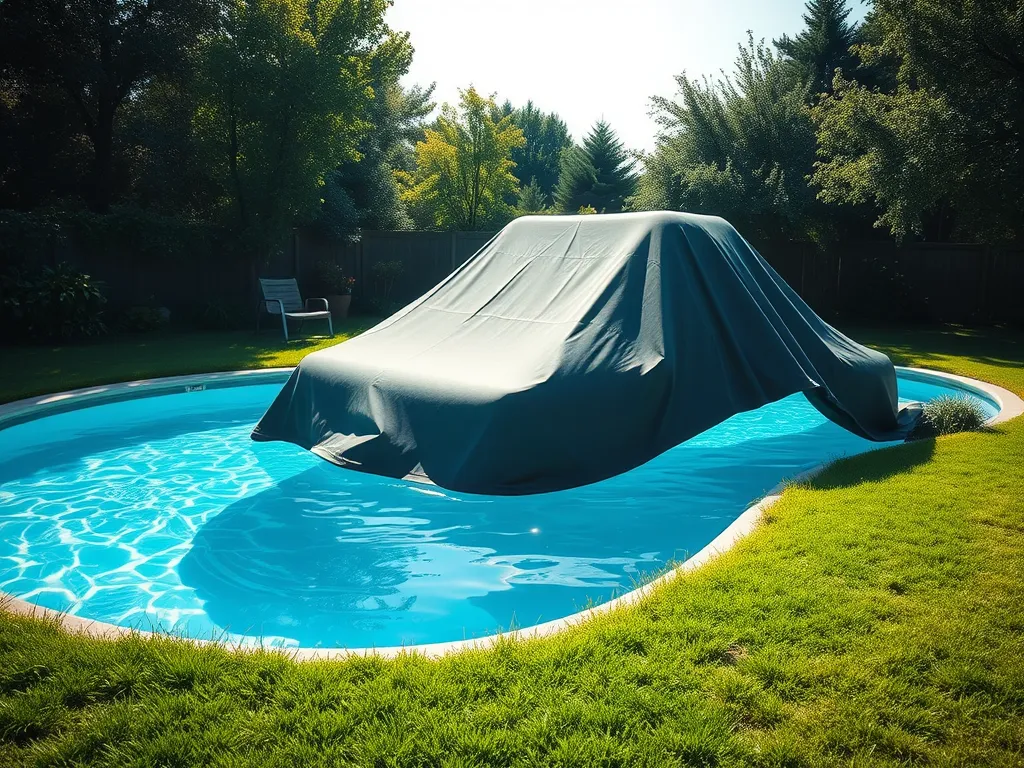
Does a Black Pool Cover Heat the Water More Effectively?
Black pool covers leverage color physics to boost heat absorption. While all covers reduce evaporation, black materials convert more sunlight into usable warmth. Tests show black covers can raise water temperatures 2-5°F higher than clear or blue alternatives under identical conditions. However, these benefits can be negated if the cover begins to sag. Proper tension is important to prevent sagging and ensure optimal performance of your pool cover.
Why Color Matters: Black’s Solar Absorption Advantage
Black surfaces absorb up to 90% of solar radiation, compared to 35-50% for light-colored covers. This energy transfers directly into the water through conduction. The process works best when the cover remains in place during peak sun hours (10 AM–4 PM). For every 1,000 BTU/sq ft of sunlight, a black cover can deliver 600-800 BTUs to the pool—a 20-30% efficiency gain over blue covers.
Black Vs. Clear/blue Covers: Direct Temperature Comparisons
In a 7-day study, a black cover raised pool temperatures to 82°F, while a clear cover reached 78°F. Clear covers allow sunlight to penetrate the water directly, warming it gradually. But they lose heat faster at night due to lower surface insulation. Black covers maintain steadier temperatures, reducing daily fluctuations by 40-60%. However, in extremely hot climates (90°F+), black covers risk overheating—water temps can exceed 90°F without shade or partial cover removal. It’s important to give the pool some time after shocking. Waiting allows the chemicals to disperse properly and ensures a safe swimming environment.
While color significantly impacts heating potential, the next section explores how environmental factors and usage patterns affect real-world performance.
Also See: Can You Do Earthing in a Swimming Pool? Here’s the Answer
Will a Black Pool Cover Help Heat the Pool?
Black pool covers excel at absorbing solar energy during daylight hours. Tests show these covers can raise water temperatures by 5-10°F over 6-8 hours of direct sunlight. Dark pigments convert up to 85% of UV rays into thermal energy, creating a greenhouse effect that warms surface layers. However, many people also choose to install screened pools block direct sunlight. Screened pools block direct sunlight, which can help maintain cooler water temperatures and protect swimmers from harmful UV exposure.
Daytime Heat Gain Vs. Nighttime Heat Loss
While black covers boost daytime warming, they lose effectiveness after sunset. Up to 70% of absorbed heat can dissipate overnight without proper insulation. Covers made with air-bubble technology or reinforced edges perform better, cutting nighttime losses to 30-40%. For every 10°F gained by day, expect a 4-6°F drop by morning under standard conditions.
Limitations Of Color-based Heating
Ambient air temperature, wind exposure, and water depth impact results more than color alone. A 12,000-gallon pool in 60°F weather with a black cover may only reach 68°F, while the same pool in 80°F climates could hit 85°F. Dark covers also degrade faster under intense UV exposure, losing 15-20% efficiency after three seasons. When considering pool maintenance, it’s important to look at all factors that affect temperature. A float pool can offer flexible solutions for managing variations in water temperature efficiently.
What Color Pool Cover is Best for Heat?
Color selection depends on regional climate and pool usage patterns. Black covers work best where average summer temperatures stay below 85°F, while clear/blue options suit hotter zones. Hybrid designs with reflective undersides are gaining popularity, blending 60% solar absorption with 50% heat retention.
Black Covers: Ideal for Moderate to Cool Climates
In areas like the Pacific Northwest or New England, black covers extend swimming seasons by 3-5 weeks. They outperform clear covers by 2-3°F daily in sub-80°F environments. For vinyl-lined pools, ensure the cover’s underside uses non-abrasive materials to prevent surface damage.
Clear/blue Covers: Balancing Heat and UV Protection
Transparent covers allow sunlight to penetrate up to 18 inches deep, warming the entire water column more evenly. Though they absorb only 40-50% of solar energy compared to black covers, they reduce chlorine loss by blocking 99% of UV rays. In Phoenix or Miami, this balance prevents water from exceeding 92°F while maintaining chemical stability. Proper lighting can enhance the beauty of your pool, especially at night. Led pool lights provide energy-efficient illumination that can transform your swimming experience.
| Cover Type | Daily Heat Gain | Night Heat Loss | UV Protection |
|---|---|---|---|
| Black | 8-10°F | 4-6°F | 70% |
| Clear/Blue | 5-7°F | 2-3°F | 99% |
Maximizing Your Pool Cover’s Heating Efficiency
Proper usage techniques can amplify a cover’s warming capacity by 20-30%. Combine timed deployment with complementary heating systems for optimal results.
Optimal Cover Placement and Usage Times
Deploy covers between 10 AM and 4 PM when solar intensity peaks. Remove them during rainstorms to prevent conductive cooling—water droplets on the cover’s surface can siphon away 1-2°F per hour. For oval pools, align the cover’s longest edge east-west to capture maximum sunlight. Before you perform a backwash, it’s important to vacuum the pool. This process helps remove dirt and debris, ensuring your vacuum operates efficiently.
Pairing With Solar Heaters for Enhanced Results
When used with solar mats or panels, black covers reduce heater runtime by 45%. A 4’x20’ solar blanket paired with a cover raises temperatures 12-15°F daily versus 8-10°F alone. Set heaters to circulate water during cover-free periods, allowing warmed surface layers to mix with cooler depths. Proper pool maintenance also includes draining the water when necessary. Knowing how to drain an above ground pool can help protect its structure and keep it in good shape.
While covers significantly impact water warmth, other factors like pump settings and landscaping also play roles. Let’s explore how to troubleshoot common heating challenges…
FAQ: Pool Cover Heating
Does Cover Thickness Impact a Black Pool Cover’s Heating Performance?
Yes, thicker covers (12-16 mil) provide better insulation and durability, reducing nighttime heat loss by up to 30% compared to thinner options. However, excessive thickness may limit solar absorption during daytime.
Are Black Pool Covers Compatible With Saltwater Pools?
Most modern black covers are saltwater-resistant, but check material specifications—vinyl with UV inhibitors and reinforced edges withstands salt corrosion best. Rinse covers monthly to prevent salt buildup.
Do Black Covers Affect Pool Chemical Balance Differently Than Lighter Colors?
No direct chemical interference occurs, but reduced evaporation from black covers can slow chlorine dissipation. Test water chemistry weekly, as stabilized heat levels may require 10-15% less chlorine than uncovered pools. Maintaining balanced water chemistry is crucial for optimal pool performance. One way to achieve this is by using borax, which helps to lower alkalinity levels effectively.
Can Black Pool Covers Function As Winterization Tools?
While primarily designed for heating, black covers provide partial winter protection by blocking debris and reducing ice expansion pressure. Pair with a safety cover in freezing climates for full winterization.
How Often Should Black Pool Covers Be Replaced for Optimal Heating?
Replace every 3-5 years, as UV exposure degrades absorptive capacity. Signs include fading, brittle edges, or reduced temperature gains—indicating efficiency drops below 60% of original performance.
Closing Thoughts
Black pool covers do heat water more effectively than lighter colors—absorbing up to 90% of solar energy compared to 50-60% for blue or clear covers. But they work best as heat retainers, not primary heaters. The real magic happens by preventing evaporation, which accounts for 70% of a pool’s heat loss.
For optimal results, pair a black cover with strategic daytime deployment and consider solar heaters in cooler climates. In scorching regions, balance warmth with UV protection using lighter shades.
Need precise calculations for your pool’s heating needs? Try My Pool Calculator for tailored advice on cover types, solar gain, and energy savings.
Additional Resources for You:
- Pool & Hot Tub Alliance (PHTA) – Industry Standards & Training
- Does A Pool Cover Keep Water Warm?
- How Long Does it Take a Solar Cover to Heat a Pool? – PoolPartsToGo
- thermodynamics – Pool cover efficiency of absorbing and retaining heat in pool water – Physics Stack Exchange
- Will a black tarp heat a pool? – Quora
A pool care geek who’s been testing water chemistry since she was tall enough to reach the skimmer.
Pool Covers, Pool Equipment Repair, Safety Equipment