Do You Need Sand Under a Pool? Can Paver Sand Be Used?
Published on: February 6, 2026 | Last Updated: November 17, 2025
Written By: Rachael Weatherbottom
Sand is commonly recommended under above-ground pools to cushion the liner, level uneven ground, and protect against rocks or roots. While not always mandatory, paver sand can serve as an alternative to traditional pool sand if it’s finely graded and properly compacted. The choice depends on your pool type, local soil conditions, and budget. Alternatives like high-density foam pads or gravel bases may also work in specific scenarios.
This article breaks down when sand is required versus optional, focusing on above-ground and inground pool differences. You’ll learn why mason sand is a go-to for many installers but may lack the stability of paver sand in wet conditions. We’ll explore how grain size and compaction rates affect performance—paver sand grains are angular and lock together better, while pool sand particles are smoother and easier to level.
Beyond materials, we’ll cover cost comparisons (sand averages $30–$60 per ton versus $100–$200 for synthetic pads), step-by-step installation tips, and signs your base needs replacement. Whether you’re weighing paver sand against crushed stone or deciding if a foam pad alone suffices, this guide clarifies the trade-offs for lasting pool stability.
Is Sand Necessary Under a Pool?
Sand serves as a foundational layer for many pools, but its necessity depends on several variables. Let’s break down where it’s required, why it’s preferred, and how pool type impacts these decisions. Regular maintenance of pool sand is important for optimal filtration. An all-purpose sand pool filter can ensure clean and clear water, making it a great choice for different types of swimming pools.
Crucial Winterizing Products
"The all-in-one solution for a guaranteed clear spring opening."
All-in-One Closing Chemical Kit
Winter demand is high - check stock

"The 'set & forget' option. This is the easiest winterizing I've ever done."
Simple 3-in-1 Winterizing Balls
Winter demand is high - check stock
"Invest once to protect your liner and prevent a swamp in the spring."
Heavy-Duty Winter Pool Cover
Winter demand is high - check stock
Why Sand is Commonly Used for Pool Bases
Sand provides three core benefits: cushioning, drainage, and leveling. Its fine granules (0.5mm to 2mm particle size) conform to uneven surfaces, reducing pressure points that could puncture vinyl liners. Mason sand, a popular choice, offers smooth texture and uniform grading, while paver sand contains coarser grains for better compaction. A 2-3 inch layer of sand can absorb minor ground shifts caused by frost or soil settling, preventing wrinkles or tears in above ground pool floors.
Cost plays a role too. Sand averages $30-$60 per ton, making it cheaper than synthetic underlayment. It’s readily available at landscaping suppliers and requires no specialized tools for installation. For inground pools, sand often acts as a bedding layer beneath concrete or pavers to enhance stability.
When Sand Under a Pool is Required
Sand becomes mandatory if your pool manual specifies it, your soil is rocky or sloped, or you’re installing on bare grass. Clay-heavy soil, common in regions like the Midwest, benefits from sand’s drainage properties to prevent water pooling. In freeze-thaw zones, sand minimizes frost heave damage by allowing moisture to escape.
Some scenarios allow alternatives. Prefab pools with rigid floors or foam padding systems may skip sand if the ground is already level within 1-inch tolerance. Always check manufacturer guidelines—for example, Intex often recommends sand for their inflatable-ring pools but permits foam tiles for Ultra Frame models.
Above Ground vs. Inground Pool Requirements
Above ground pools almost always need sand. Their flexible floors (typically 20-30 mil vinyl) require protection from sharp rocks or roots. A 2-inch sand layer absorbs ground movement, which is critical since these pools lack the structural rigidity of inground designs. Paver sand can work here but must be compacted to 95% Proctor density to prevent settling—a step not needed with finer mason sand.
Inground pools rarely use standalone sand bases. Instead, contractors mix sand with cement for a “mud slab” under gunite shells or use it as a 1-inch leveling bed beneath pavers. Paver sand’s angular grains lock together, making it ideal for hardscape projects but less forgiving under pool liners unless topped with a protective pad.
Now that we’ve clarified when sand is essential, let’s examine which types perform best under different pool styles.
Types Of Sand Suitable for Pool Bases
Picking the right sand for your pool base stops dips, bumps, and liner tears. Not all sands work the same. Pool makers often call for washed, fine sand with no rocks. Let’s break down two common types: mason sand and paver sand. Regular maintenance is key to keeping your pool water clean and safe. This includes checking how often to add liquid chlorine to ensure proper sanitation.
Mason Sand: Pros and Cons
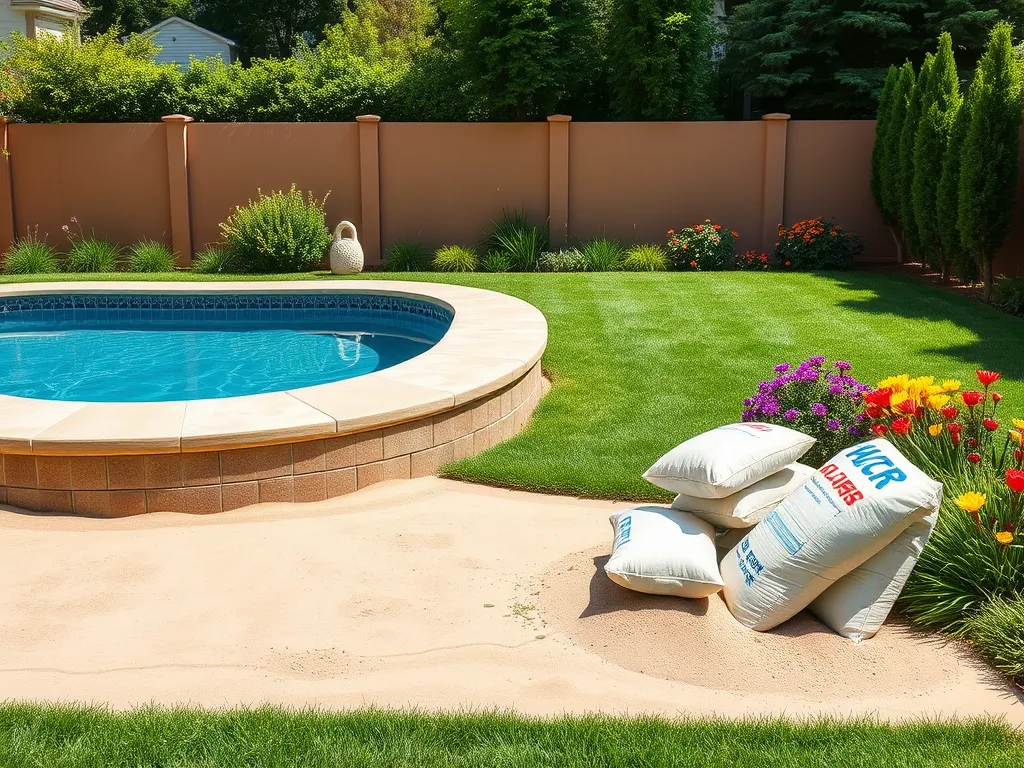
Mason sand is fine, washed sand used for bricks or blocks. Its smooth grains pack tight, making a flat base. Pros: cheap ($5-$8 per 50 lb bag), easy to spread, and soft underfoot. Cons: can wash away in rain or shift if not packed well. Avoid using it near slopes or wet zones.
Is Mason Sand Suitable for Above Ground Pools?
Yes, but check your pool guide first. Most above ground pools need 1-2 inches of sand under the liner. Mason sand works if it’s labeled “pool-safe” and free of debris. Test it: grab a handful. If it feels gritty or leaves dust, skip it. Fine grains cut liner wear but may need a foam pad on top for extra cushion. A clean pool floor is essential for a safe swimming experience. Keeping the floor clean helps prevent slips and pool stains.
Paver Sand: Can You Use It Under a Pool?
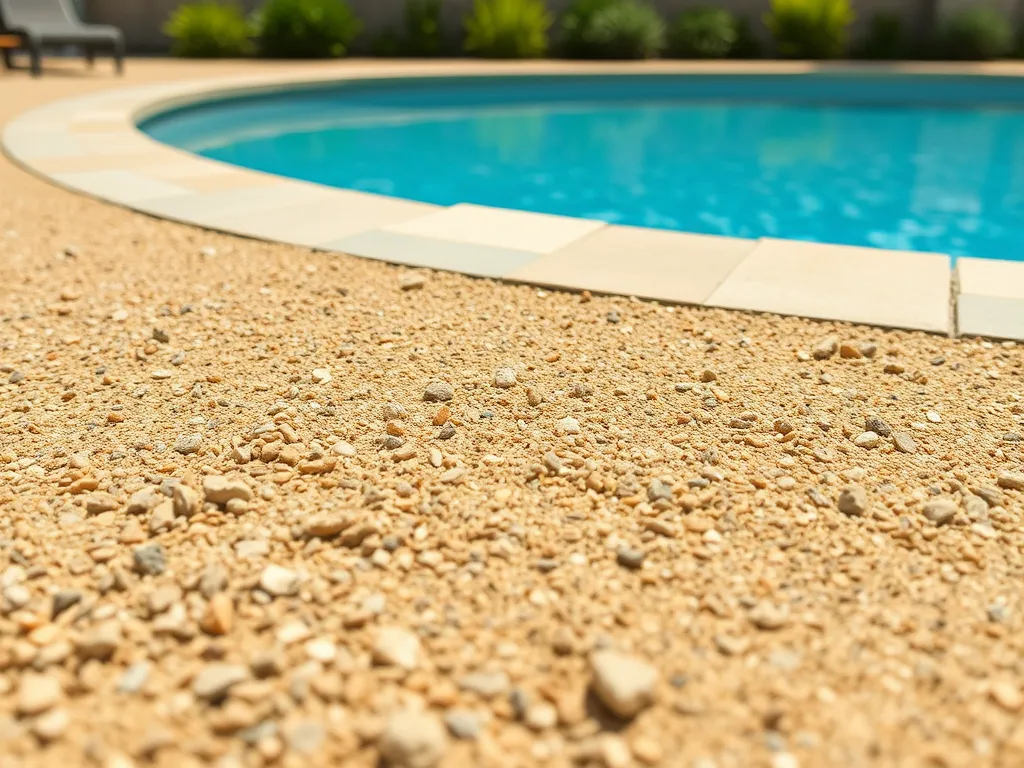
Paver sand is coarse, gritty sand made to lock paving stones in place. Grain size ranges from 0.5mm to 2mm—bigger than pool sand. Some pool owners use it for better drainage, but it has risks. Sharp edges can poke holes in liners over time. Always lay a thick pad (6mm+) between paver sand and the pool floor. Keeping the area around the pool tidy helps maintain a clean look. Clean pool lines enhance the overall appearance and hygiene of your swimming area.
Key Differences Between Paver Sand and Pool-Specific Sand
Pool sand is finer (0.2mm-0.4mm grains) and washed to remove clay. Paver sand has jagged, mixed-size grains for stability. Cost differs too: pool sand runs $7-$12 per bag, while paver sand costs $4-$6. For long-term use, pool sand stays smooth. Paver sand needs more checks for bumps but drains 30% faster in wet soil. When considering the overall setup for your pool, it’s important to factor in additional costs like a pool chiller. These chillers can vary significantly in price, depending on their size and efficiency.
Alternative Materials to Sand
Not sold on sand? Other base options shield your pool from roots, rocks, and shifts. Each has perks based on soil type, pool size, and budget.
High-density Foam Pool Pads
Foam pads (1/2” thick) sit under the liner to block rocks and roots. Brands like Gorilla Pad cost $50-$200, based on pool size. They last 5-10 years and add warmth. Pair them with 1” of sand for best results. Avoid using foam alone—it can tear if the ground moves.
Crushed Stone or Gravel Bases
#57 gravel (1/2” stones) works for pools on sloped or soggy ground. It drains fast and won’t wash away. Spread 2-3 inches, then top with sand or a pad. Cost: $40-$70 per ton. Note: sharp edges need a thick liner pad (10mm+) to prevent wear.
Commercial Pool Base Mats
Pre-cut mats (like Armor Shield or Pool Floor Guard) mix foam and fabric for a no-sand fix. They block weeds and feel soft underfoot. Mats cost $100-$300 but save time—no digging or leveling. Check if your pool brand approves them. Most last 7-12 years with no upkeep.
Up next: how pool pads team up with sand to boost your base’s life and cut repair costs.
Also See: Can You Add a Hot Tub to an Existing Pool?
Role Of Pool Pads in Base Preparation
Pool pads made of polypropylene or geotextile fabric act as protective barriers between your pool liner and the ground. These synthetic layers prevent punctures from rocks or roots while smoothing minor imperfections in the base material. For best results, many installers pair them with sand. The choice of materials is crucial for ensuring durability and safety in pool maintenance. Pool noodles, for example, are often made of foam, which offers buoyancy and comfort in the water.
Benefits Of Combining Sand With Pool Pads
A 1-2 inch sand layer beneath pool pads creates a hybrid base that balances comfort and durability. The sand fills microscopic gaps in the soil, while the pad distributes weight evenly. This combo reduces wear on vinyl liners and minimizes “footprint dents” caused by uneven settling. Brands like Armor Shield or Gorilla Pad recommend this method for pools larger than 18’ round or those placed on clay-heavy soil. These considerations are also important when dealing with brown pool issues. A well-prepared base can help prevent the conditions that lead to a brown pool, ensuring clearer water for everyone to enjoy.
Cost Comparison: Sand Vs. Synthetic Underlayment
Traditional sand bases cost $25-$50 per ton, covering 80-100 sq ft at 2” depth. Synthetic pads range from $100-$300 for a 24’ round pool. While pads have higher upfront costs, they last 5-7 years versus sand’s 1-3 year lifespan before needing top-offs. Hybrid systems (sand + pad) average $150-$400 depending on pool size. As pool owners seek to maintain their investment, they also look for effective ways to manage water quality. One method gaining attention is the use of hydrogen peroxide to lower chlorine levels in swimming pools.
Installing a Sand Base for Pools
For above ground pools, sand serves multiple roles: leveling the site, cushioning the liner, and preventing vegetation growth. Proper installation prevents 90% of early liner failures according to industry surveys. Choosing the right liner is also essential for a long-lasting pool. Above ground pool liners come in various materials and thicknesses to fit every need.
Step-by-step Guide for Above Ground Pools
- Clear the area of debris and grass within 12” beyond the pool wall
- Spread 2-3” of masonry sand or pool-specific sand (avoid paver sand)
- Use a 2×4 board to screed the sand into a smooth surface
- Compact with a plate compactor (rental: $75/day) or hand tamper
- Verify levelness with a laser level – deviations under 1” per 10’ are critical
How Much Sand is Needed Under a Pool?
Calculate sand volume using this formula: (Pool diameter ÷ 2)² x 3.14 x depth. A 24’ round pool with 3” sand base requires 3.14 x (12²) x 0.25 = 113 cubic feet (4.2 cubic yards). Always order 10% extra for settling – typical costs run $200-$400 delivered. When planning for a fiberglass pool installation, it’s important to consider all associated costs. A fiberglass pool cost calculator can help you estimate expenses and ensure you stay within your budget.
Cost Considerations
Base preparation accounts for 15-20% of total above ground pool installation costs. Material choice impacts both initial spend and long-term maintenance.
Price Range for Pool-specific Sand
Washed masonry sand (most recommended) costs $30-$60 per ton. Pool-grade sand with uniform 20-30 grit particles runs $45-$75 per ton. Delivery fees add $50-$150 depending on location. A 24’ pool typically needs 4-5 tons. It’s important to consider all expenses when maintaining a pool. Drain pool costs can also vary based on factors like location and size.
Budget-friendly Alternatives to Traditional Sand
Crushed limestone ($20-$40/ton) works for partial bases when combined with pads. Recycled glass sand (meets ASTM C33 standards) costs 30% less than new masonry sand in some regions. Paver sand ($25-$55/ton) can be used temporarily but requires replacement within 12 months due to compaction issues.
While base materials set the foundation, proper drainage planning ensures their longevity. Let’s examine how water management impacts your pool’s structural integrity.
Frequently Asked Questions
Can I Use Play Sand or Builders Sand Instead?
Play sand is too fine and prone to shifting, while builders sand often contains debris like clay or silt. Neither provides the stability or cleanliness of pool-specific sand. Use only washed, graded sands labeled for pool use to avoid liner damage.
How Often Should Sand Under a Pool Be Replaced?
Sand rarely needs full replacement if properly installed. However, top off low spots annually and inspect for erosion after heavy rains. Full replacement is only necessary if contamination (e.g., mold, soil mixing) occurs.
Does Pool Type Affect Base Material Choices?
Yes. Soft-sided pools require sand or foam pads for puncture protection, while rigid-frame pools tolerate compacted gravel. Saltwater pools may need corrosion-resistant underlayment. Always prioritize manufacturer specifications over generic guidelines. Keeping the right materials in mind can help maintain the pool’s cleanliness. This raises questions about the sanitation of saltwater pools overall.
Closing Thoughts
Choosing the right base material for your pool impacts longevity, comfort, and maintenance. Sand remains a popular choice for its cushioning and drainage properties, but alternatives like foam pads or crushed stone may suit specific setups better.
Paver sand can work under pools if properly compacted, though mason sand or specialized pool sand often provides better results. Always consider your pool type, local soil conditions, and budget when selecting materials.
For precise calculations on sand quantities or cost comparisons, visit My Pool Calculator. Our tools help simplify pool planning—from base preparation to chemical balancing—ensuring your project stays on track.
Useful References for You:
- National Swimming Pool Foundation (NSPF). (2022). Pool & Spa Operator Handbook (4th ed.). Colorado Springs, CO: NSPF.
- Why do you need to put sand under your pool? – Quora
- Expert Answers on Sand for Pool Filters and Leveling | JustAnswer
- Have a question about Quikrete 50 lb. All-Purpose Sand? – Pg 5 – The Home Depot
- Anyone ever set up above ground pool on pavers? | Hometalk
A pool care geek who’s been testing water chemistry since she was tall enough to reach the skimmer.
Inground Pool, Pool Care By Type