Can You Run Pool Filter With Solar Cover on? Here’s What You Need to Know
Published on: January 30, 2026 | Last Updated: November 17, 2025
Written By: Marcus Thornfield
Yes, you can run your pool filter with a solar cover on, but proper setup matters. Solar covers trap heat and reduce evaporation while allowing water circulation through their bubble-patterned material. Compatibility depends on your filter type (cartridge, sand, or DE), pump speed settings, and how tightly the cover fits. Leaving the cover on during filtration helps maintain warmth but requires monitoring chemical distribution and debris buildup. Never run the pump if the cover sags into the water or blocks skimmer access.
This guide breaks down how solar covers interact with pool systems. You’ll learn how to balance heat retention with effective filtration, adjust pump speeds for different seasons, and spot risks like reduced chlorine effectiveness. We’ll compare scenarios where leaving the cover on works versus when it’s safer to remove it – including during storms, algae outbreaks, or chemical treatments.
Practical tips include setting daily runtimes based on pool size, positioning chlorine floaters correctly, and preventing suction-side clogs. You’ll also find maintenance checklists for cleaning solar covers without damaging them and optimizing filter pressure. Whether you’re using a 12-mil bubble cover or a liquid solar blanket, these strategies keep your pool clean and energy-efficient year-round.
Can You Run the Pool Filter With a Solar Cover on?
Pool owners often ask if they can keep the solar cover on while the filter runs. The short answer: yes, but with care. This setup affects how well your system works. Let’s break down the key points.
Crucial Winterizing Products
"The all-in-one solution for a guaranteed clear spring opening."
All-in-One Closing Chemical Kit
Winter demand is high - check stock

"The 'set & forget' option. This is the easiest winterizing I've ever done."
Simple 3-in-1 Winterizing Balls
Winter demand is high - check stock
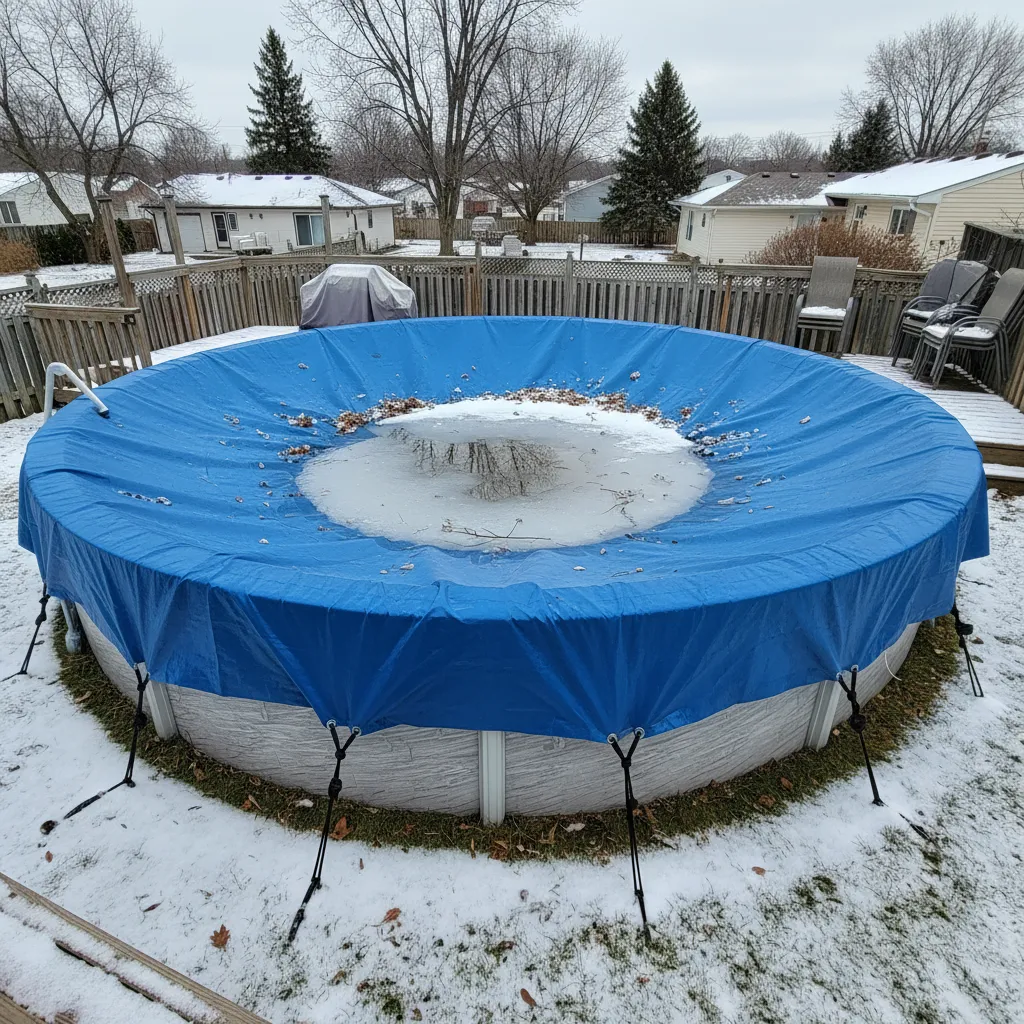
"Invest once to protect your liner and prevent a swamp in the spring."
Heavy-Duty Winter Pool Cover
Winter demand is high - check stock
Direct Answer: Balancing Efficiency and Safety
Running the pool filter with a solar cover on is safe but needs smart tweaks. The cover traps heat and cuts down on water loss, but it can block skimmers and slow flow. Aim for 6-8 hours of daily run time to keep water clean without losing heat gains. Use a variable-speed pump set to low RPM (revolutions per minute) to save power while moving water through the cover’s edges. It’s also important to consider how to maximize sun exposure while enjoying the pool. A tan-through pool screen can help you soak up the sun’s rays while still providing protection from insects and debris.
Factors Influencing Filter Performance
Three main things change how your filter works with a cover: pump type, cover thickness, and debris levels. Thick covers (12 mil) block more sun but may slow flow. Thin covers (8 mil) let water move easier but hold less heat. Single-speed pumps may strain if the cover blocks skimmers, while variable-speed models adjust flow. Check the filter’s PSI (pressure per square inch)—a rise of 5-10 PSI signals clogging risks from leaves or dirt trapped under the cover.
Impact on Water Circulation and Heat Retention
Solar covers can lower heat loss by up to 70%, but they also change how water moves. Skimmers work less well when covered, so dirt may sink instead of being pulled in. Run the pump longer to hit full turnover (cycling all pool water). Pairing a solar cover with a heat pump? Keep the cover on during filter runs to lock in warmth, but remove it weekly to let gas from chemicals like chlorine escape.
Next, we’ll show how to set up your pump and cover for top results without harming your gear.
Operational Guidelines for Running the Filter With a Solar Cover
Operating a pool filter with a solar cover requires balancing circulation needs with heat retention benefits. Proper management prevents water stagnation while maximizing energy efficiency. Let’s explore key operational factors. One important aspect is ensuring that Open pool valves are open when the filter is running. Open pool valves allow for better water flow and circulation, promoting a healthier swimming environment.
Recommended Daily Filter Runtime Duration
Most pools need 8–12 hours of daily filtration. With a solar cover, runtime can drop to 6–8 hours since reduced debris and evaporation lower strain on the system. For pools under heavy use or in dusty environments, maintain 8+ hours to compensate for limited skimming action. Variable-speed pumps set to 1,800–2,200 RPM during covered operation strike a balance between flow rate and energy savings. Keeping the pool area clean is important for maintenance. One way to enhance the pool’s appearance is to consider resurfacing the pool deck.
Adjusting Pump Speed and Flow Rate
Solar covers inhibit surface agitation, potentially creating “dead zones” where debris settles. Increase pump speed by 10–15% if using a single-speed pump, or program a variable-speed model to run at 2,500 RPM for 2–3 hours daily. This surge cycle dislodges particles trapped under the cover. Ensure skimmer baskets are clear, as covers redirect leaves toward the pool’s edges. After cleaning, it’s important to attach the pool vacuum hose securely to ensure effective suction. Properly attaching the hose helps remove any remaining debris from the pool floor.
When to Remove the Cover for Optimal Filtration
Remove the solar cover for 2–3 hours daily during peak sunlight. This allows the skimmer to capture floating debris and prevents localized chlorine depletion. After adding pH adjusters or algaecides, wait 30–60 minutes before reapplying the cover to let chemicals disperse. Always remove covers before shocking the pool to avoid chemical damage to the material.
Chemical Treatment Considerations
Solar covers alter water chemistry dynamics by limiting sunlight exposure and gas exchange. Adjust your treatment strategy to avoid imbalances that could damage equipment or irritate swimmers.
Using Chlorine Floaters With Solar Covers on
Chlorine floaters risk over-concentrating sanitizer levels under a cover. Trapped chlorine gas can degrade the cover’s UV inhibitors and cause vinyl brittleness. Instead, use an automatic chlorinator or liquid chlorine dispensed through a chemical feeder. Maintain 1–3 ppm free chlorine, testing levels twice weekly with a Taylor K-2006 kit to avoid spikes. Proper pool maintenance also includes considering the base beneath the pool. Sand under the pool can provide stability and improve drainage.
Shocking the Pool: Should the Cover Stay on?
Never shock the pool with the solar cover on. Calcium hypochlorite or dichlor shocks release gases that get trapped, accelerating cover deterioration and creating hazardous pressure. Remove the cover, add shock at dusk, and let the pool breathe overnight. Reinstall the cover only after chlorine drops below 5 ppm—typically 8–12 hours post-treatment. Maintaining proper chemical balance is crucial for a healthy pool. This also helps control saltwater pool bacteria that can thrive if conditions aren’t right.
Maintaining Balanced Chemistry Under the Cover
Covers reduce cyanuric acid (CYA) degradation but slow pH normalization. Test pH weekly, aiming for 7.4–7.6. Use aeration stones or spillover features periodically to offset rising pH caused by limited CO2 exchange. Monitor total alkalinity (80–120 ppm) and calcium hardness (200–400 ppm) monthly, as covers minimize water dilution from rain or splashing.
Proper chemical management supports system longevity, but equipment setup plays an equally vital role in solar cover compatibility.
Also See: Can You Paint Pool Noodles? Quick Spray Painting Tips
When to Avoid Using a Solar Cover
Solar covers boost heat retention and reduce evaporation but aren’t suitable for every scenario. Certain conditions demand removal to protect equipment, water quality, and the cover itself. Lighting is another important factor to consider for pool enjoyment. LED pool lights enhance the swimming experience, offering energy efficiency and vibrant colors.
During Heavy Storms or High Winds
Leaving a solar cover on during storms risks debris accumulation and physical damage. Wind speeds exceeding 20 mph can displace covers, allowing leaves or branches to slip underneath. This debris may clog skimmer baskets or strainers, forcing the pump to work harder. Pool filters operating with solar covers on during storms often see pressure spikes of 8-10 psi above normal levels, stressing the system.
When Algae Growth is Active
Keeping a pool in good condition is essential for both enjoyment and property value. Covers trap heat and organic matter, creating ideal conditions for algae proliferation. If green or yellow algae colonies appear, remove the cover immediately. Restricted sunlight exposure slows chlorine effectiveness, while poor gas exchange lets carbon dioxide build up, lowering pH. Running the pool filter with solar cover on during an outbreak limits surface skimming, allowing spores to circulate instead of being trapped. In Florida, pools can significantly enhance the appeal and worth of a home, making it a valuable investment for homeowners.
During Extended Periods Of Non-use
For pools left unused for 5+ days, solar covers should be removed. Stagnant water beneath the cover encourages biofilm formation on filter cartridges or sand beds. Multi-speed pumps set below 1,800 RPM may fail to generate enough flow to prevent dead zones, letting contaminants settle. Without regular skimming, oils and fine particles accumulate, reducing the filter’s dirt-holding capacity by up to 40%. It’s also important to think about how to protect your pool equipment during the colder months. Insulating pool pipes can help prevent freezing and damage, ensuring your pool is ready for use whenever you are.
Best Practices for Solar Cover and Filter Compatibility
Pairing solar covers with filtration systems requires strategic adjustments. Follow these protocols to maintain efficiency without compromising equipment.
Proper Cover Installation to Avoid Debris Buildup
Secure the cover tightly using built-in grommets or water tubes, leaving no gaps. Position the pool filter with solar cover on so the skimmer cutouts align perfectly with the pool’s intake. Misaligned covers block the weir door, reducing skimming efficiency by 50-70%. Trim excess material near ladders or steps to prevent folds that trap dirt.
Ensuring Adequate Water Skimming and Circulation
Run variable-speed pumps at 2,200-2,800 RPM for 6-8 hours daily when using a pool filter solar blanket. This maintains turnover rates while balancing energy costs. Check that at least 70% of the cover’s surface floats above water to allow gas exchange. For pools with single-speed pumps, limit runtime to 4-6 hours to prevent overheating the motor. Keeping your pool equipment functioning well can help enhance the overall lifespan of your pool heater. Regular maintenance and proper use are key factors in ensuring that your heater lasts for many seasons.
Monitoring Filter Pressure and Clog Risks
Cartridge filters under solar covers require cleaning every 2-3 weeks instead of the standard 4-6. Sand filters backwashed monthly may need weekly cycles due to increased fine particle load. Track pressure gauges: a 10 psi rise signals immediate maintenance. Install leaf canisters or pre-filter baskets to catch debris before it reaches the pump.
Maintenance Tips for Long-term Performance
Preserve both solar covers and filtration systems with proactive care routines. Neglect leads to premature wear and costly repairs.
Cleaning and Storing Solar Covers Correctly
Rinse covers weekly with a garden hose, focusing on seams where dirt collects. For calcium deposits, apply a 3:1 water-to-vinegar solution before scrubbing. Store rolled covers on elevated racks—never folded—to prevent creases. UV-resistant storage bags extend lifespan by 2-3 seasons compared to tarp covers.
Regular Filter Checks and Cleaning Schedules
Inspect filter media every 14 days when running pool pump with solar cover on. Cartridge pleats show rips faster due to trapped sunscreen oils. For DE filters, bump grids every 7 days and perform full breakdowns quarterly. Note sand filter channeling by checking for “dead spots” during backwash cycles—replace media every 5 years. Proper maintenance of your pool equipment is essential for a longer lifespan of your pool salt cell. Keeping the filter in good condition can improve the efficiency and longevity of the salt cell, allowing for better water quality and fewer replacements.
Preventing Cover Damage From Pump Suction
Strong suction at main drains can pull lightweight covers into grates. Use weighted cover clips or switch to a mesh safety cover near drains. For pools with flow rates over 60 GPM, install a suction relief valve to automatically reduce pull when the pool filter runs with solar cover on. Repair holes promptly with vinyl repair kits to avoid tears expanding during pump cycles.
With these protocols, pool owners can safely explore common questions about solar covers and filtration—like chemical interactions or shock treatments—covered next.
Frequently Asked Questions
Can a Solar Cover Increase Bacterial Growth Risk?
While solar covers limit UV exposure, proper filtration and sanitizer balance prevent bacterial proliferation. Run the filter 6–8 hours daily and maintain 1–3 ppm free chlorine. Test water weekly with a DPD kit to ensure bacteria-killing effectiveness, especially in covered pools with limited sunlight.
How Does a Solar Cover Affect Saltwater Chlorine Generators?
Solar covers trap chlorine gas, which may lead saltwater systems to over-produce chlorine. Lower generator output by 20–30% when the cover is on. Use an ORP (oxidation-reduction potential) monitor to automate adjustments and keep levels between 1–2 ppm. After adding chemicals, it’s important to wait before swimming. This helps ensure the water is safe and properly balanced.
Is a Solar Cover Compatible With Automatic Pool Covers?
Most automatic covers aren’t designed for layered use. Solar covers can snag in tracks or motors, risking tears. For hybrid setups, install a dual-roller system with at least 4″ clearance between covers. Always consult the manufacturer—some motorized covers have heat-retaining layers built in.
Can Solar Covers Be Used With Water Features Like Waterfalls?
Yes, but remove the cover when running waterfalls or deck jets. Flowing water accelerates heat loss, negating the cover’s insulation benefits. For partial use, position the cover to leave features exposed, securing it with weighted clips to prevent flapping.
What Maintenance Extends a Solar Cover’s Lifespan With High Chemical Use?
Rinse covers monthly with a 4:1 water-to-baking-soda solution to neutralize chlorine residue. Apply 303 Aerospace Protectant every 60 days to shield against UV and chemical degradation. Store rolled—not folded—on a shaded rack to prevent material fatigue.
Closing Thoughts
Running your pool filter with a solar cover on is possible, but requires attention to circulation, chemistry, and equipment performance. Properly balancing heat retention with filtration needs ensures both energy savings and clean water.
Key takeaways include monitoring filter pressure, adjusting pump speeds, and removing the cover periodically for chemical distribution. Avoid using covers during storms, algae outbreaks, or extended inactivity periods.
For precise calculations on runtime, chemical dosing, or energy savings with solar covers, visit My Pool Calculator. Our tools help optimize your pool’s performance while keeping maintenance simple.
Additional Resources for You:
- Grimes, R. J. (2015). Troubleshooting and Repairing Pool Plastics, PVC, and Vinyl Liners. Chicago, IL: CreateSpace Independent Publishing.
- Please Help! – solar cover use – Swimming Pool Help
- Can You Run Pool Pump With Solar Cover On? – BackYard Assist
- Can You Run A Pool Pump With A Solar Cover On? | Create It Go
- Just installed a solar cover, when is the best time to run the filter?