Can You Swim With Floc in the Pool? Safety, Timing &Amp; Pool Care Guidelines
Published on: February 10, 2026 | Last Updated: November 17, 2025
Written By: Lila Fairholme
No, you should never swim in a pool while flocculant is actively treating the water. Pool floc (short for flocculant) is a chemical that clumps debris like algae, dirt, or dead organic matter into large clusters for easier removal. These clumps make the water temporarily unsafe for swimming due to skin or eye irritation risks and potential equipment damage. Swimming is only safe after waiting 24–48 hours, vacuuming all settled floc to waste, and restoring balanced water chemistry (pH 7.2–7.6, chlorine 1–3 ppm).
This guide explains how floc works, why swimming during treatment risks health and equipment, and how to confirm your pool is swim-ready. You’ll learn how floc affects water chemistry, the optimal waiting period based on pool size and filtration, and why using floc before shocking your pool matters. We’ll also cover common mistakes, like letting floc enter your filter system or skipping vacuuming steps.
You’ll find actionable steps to remove floc safely, troubleshoot cloudy water post-treatment, and test if your pool is truly clear. Discover how factors like improper dosing or delayed vacuuming can extend your waiting time by days and why rushing the process may lead to costly filter repairs. Let’s dive into the specifics of balancing fast results with safe swimming conditions.
What is Pool Flocculant &Amp; How Does It Work?
Pool flocculant, commonly called “floc,” is a coagulant that rapidly clears cloudy or murky pool water. This thick liquid or powder acts as a fix for tiny particles that standard filtration can’t catch—think dust, dirt, or algae fragments. It’s a go-to solution for pools with visibility so poor that a clarifier won’t work. Keeping your pool clear not only improves its appearance but also ensures a safer swimming environment. Proper pool chemistry is essential to maintain water balance and prevent issues like algae growth.
Crucial Winterizing Products
"The all-in-one solution for a guaranteed clear spring opening."
All-in-One Closing Chemical Kit
Winter demand is high - check stock

"The 'set & forget' option. This is the easiest winterizing I've ever done."
Simple 3-in-1 Winterizing Balls
Winter demand is high - check stock
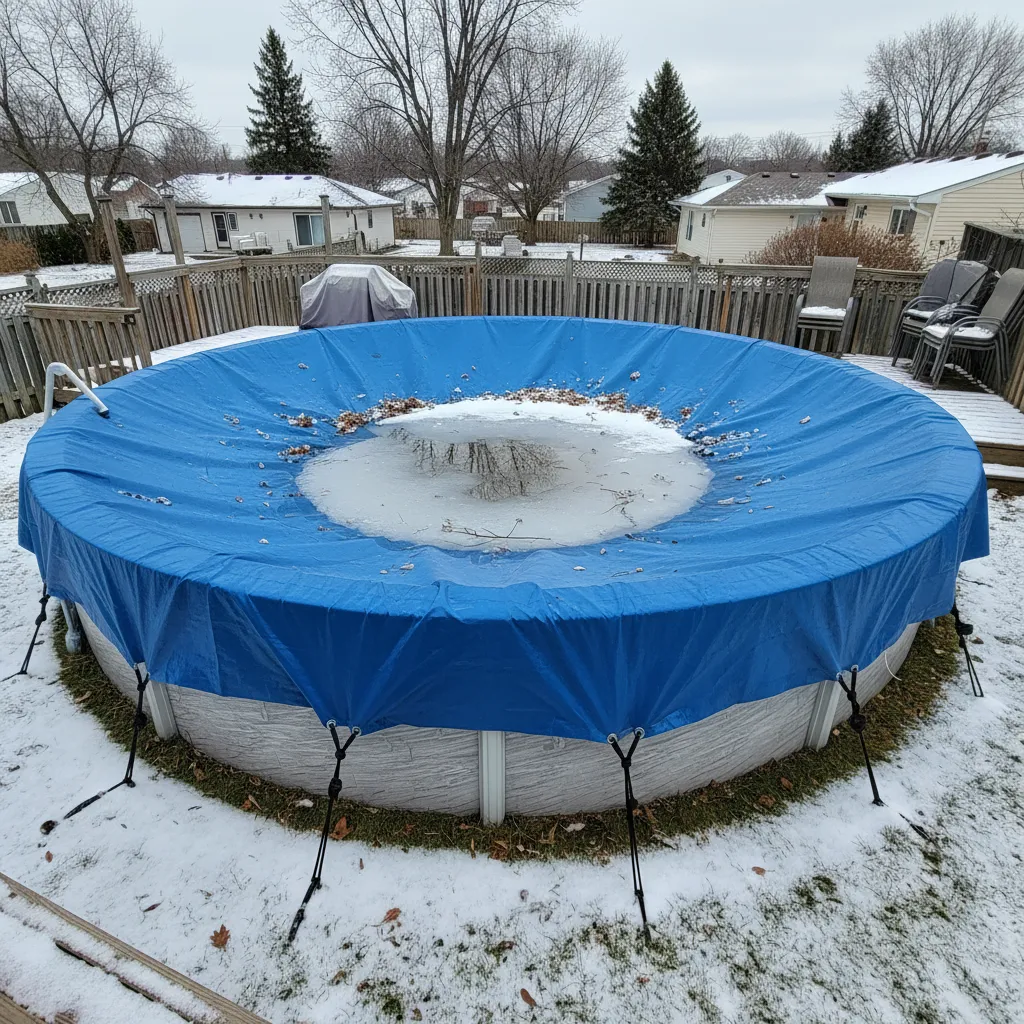
"Invest once to protect your liner and prevent a swamp in the spring."
Heavy-Duty Winter Pool Cover
Winter demand is high - check stock
Definition Of Flocculant in Pool Care
Flocculant contains polyacrylamide compounds, which carry a strong positive charge. This contrasts with clarifiers, which slowly group small bits into filterable clusters. Floc works faster and more aggressively, forming clumps big enough to sink to the pool floor. Its main job? To turn water cloudy from a hazy mess into a vacuum-ready mass within hours.
Mechanism: Clumping Particles for Easier Removal
When floc enters pool water, its ions attract negatively charged debris. This binding action forms visible clumps, or “flocs,” that sink. For this to work, pumps must stay off for 8–12 hours so gravity pulls particles down. Vacuuming follows, but only on “waste” mode to avoid pushing floc into filters. A typical dosage is 1–2 quarts per 10,000 gallons, though heavy cloudiness might call for doubling that amount.
Now that you know how floc operates, its impact on swimming conditions comes into focus. Timing and protocol matter—both for clarity and safety.
Is It Safe to Swim With Floc in the Pool?
Swimming with floc in the pool poses clear risks. Floc works by grouping tiny bits into clumps that sink, but those clumps can harm both people and gear if you swim too soon.
Immediate Risks Of Swimming During Floc Treatment
Floc has strong stuff like alum that can burn skin or eyes. When you move in water, you stir up the clumps. This makes water harsh and cloudy, blocking your view of the pool floor. Kids or pets might swallow bits, leading to belly pain or worse. Pump systems can clog if floc gets pulled in, costing up to $500 to fix.
How Floc Affects Water Chemisty and Swimmer Safety
Floc can shift pH levels fast. A spike to 8.5+ or drop below 7.2 makes water rough on skin. Chlorine loses power when pH swings, letting germs grow. Even after clumps settle, leftover floc in pool water can stick to suits or gear, leaving stains that need special cleaners to remove. Keeping the pool water balanced is crucial for a safe swim. Swim shocking the pool helps restore proper chemical levels and keeps it clean and clear.
How Long After Adding Floc Can You Swim?
Wait times depend on how well the floc clears the water. Rushing back in can undo all your work and force you to start over.
Standard Waiting Period (24-48 Hours)
Most pools need 1-2 days post-floc before swim-safe. This lets clumps fully sink so you can vacuum them out. Test water with strips before entry: pH 7.4-7.6, free chlorine 1-3 ppm, and clear sight of the main drain mean it’s likely okay. Proper maintenance is essential for all types of pools. A tile pool can enhance both the beauty and durability of your swimming area.
Factors That Influence Safe Swim Time
Two main things change wait times: how much floc you used and how the pool clears up.
Pool Size and Floc Dose
A 15k-gallon pool with 1 quart of floc may clear in 24 hours. Double the dose in the same pool adds 12-18 hours. Big pools (30k+ gallons) often need the full 48 hours even with right doses. This process is important for maintaining water clarity. In long drain pools, proper chemical dosing can make a significant difference in water quality and clarity.
Water Flow and Filter State
After vacuuming, run the pump 6-8 hours to catch leftover bits. A dirty filter slows this step—clean or backwash it if pressure tops 10 PSI over normal. Poor flow leaves haze that can hide unsafe spots. Properly maintaining your pool equipment is essential, including check valves. Installing a pool check valve helps keep the water flowing in the right direction, preventing backflow and ensuring a clean and safe swimming environment.
Once water passes tests, check if shock treatment should come next to lock in balance.
Also See: Does Sunscreen Wash Off in the Pool? Here’s What to Know
Should You Floc or Shock First? Treatment Order Explained
Proper treatment sequence ensures flocculant works effectively while maintaining water safety. Pool owners often debate whether to shock before or after using floc – but chemistry dictates the answer. It’s also important to be aware of the microorganisms that can thrive in different pool environments. Saltwater pools can have their own unique types of bacteria that need to be managed to keep the water clean and safe for swimming.
Why Flocculant Typically Precedes Shocking
Flocculant requires still water to bind particles into clumps that sink. Shocking first raises chlorine levels above 10 ppm, breaking down the polymer chains in floc formulas. Applying floc first allows it to function without chemical interference. Once particles settle, shocking at 5-8 ppm sanitizes the cleared water without disrupting settled debris.
Consequences Of Reversing the Process
Shocking before floccing creates three issues:
- High chlorine degrades floc polymers, reducing clumping efficiency by 60-70%
- Agitation from shocking chemicals redistributes particles
- Organic matter killed by shock remains suspended instead of sinking
This sequence often leads to cloudiness returning within hours, requiring repeat treatments.
Critical Precautions When Using Flocculant
Floc treatments demand strict protocols to protect swimmers and equipment. Ignoring these risks costly repairs or extended pool closures.
Preventing Floc From Entering the Filter System
Set pump valves to “closed” or “recirculate” before adding floc. The product’s 5-10 micron particle clusters will destroy sand filters and clog cartridge pleats within 15 minutes of contact. DE filters face permanent coating if floc enters grids.
Why Swimming During Treatment Damages Equipment
Swimmer movement creates currents that push floc into skimmers. Just 2 oz of flocculant in a filter can reduce flow rates by 80%, requiring complete media replacement. This repair costs $300-$800 depending on filter type. Keeping your pool clean can also involve additional expenses, such as installing a pool chiller. It’s important to consider these costs when budgeting for pool maintenance.
Delaying Vacuuming: Risks Of Leaving Floc in the Pool
Unremoved floc dissolves within 72 hours, releasing captured particles back into the water. The pool may develop a grayish tint from redistributed metals and require double the normal chlorine dose to combat bacterial regrowth. Proper sanitation is crucial for maintaining water quality. A bleach pool can help keep the water clean and safe for swimming.
How to Remove Floc From the Pool Safely
Proper removal techniques prevent cloudiness recurrence and equipment harm. Always wear gloves – some floc formulas contain aluminum sulfate that irritates skin at 500 ppm concentrations.
Vacuuming to Waste: The Standard Method
Set multiport valves to “waste” before vacuuming settled floc. This bypasses the filter, ejecting debris directly through the backwash line. Expect to lose 1-2 inches of water per 10,000 gallons vacuumed. Pre-hydrate lawns if draining near landscaping. The speed of the vacuum pump plays a significant role in how effectively debris is removed. Faster vacuum pump speeds can help to reduce the total time needed for the cleaning process.
Alternative Methods Without a Vacuum
For pools lacking vacuum systems:
- Use a submersible pump ($90-$220) with a fine mesh bag attachment
- Install temporary bottom drains connected to sump pumps
Manual Skimming and Settling Techniques
Attach a skimmer sock to pool nets for catching surface floc clusters. For sunken debris, place weighted settling plates on the deep end floor – these trap floc for batch removal. Manual methods take 3-5x longer than vacuuming. Keeping the pool clean is important for safety and enjoyment. That’s why some pool owners are looking into pool urine detectors to help maintain water quality.
Even with proper removal, some pools show recurring issues that demand advanced solutions…
Troubleshooting Common Floc Problems
Even when done right, floc jobs can hit snags. Learn how to fix issues fast to get your pool swim-ready.
Cloudy Water Persisting After Treatment
If haze remains post-floc, check three things: pH balance, dose math, and pump settings. Floc needs pH 7.2-7.6 to clump well. Test strips help spot imbalances. Too little floc? It won’t grab all dirt. Too much? It might cloud more. Match doses to pool size—1 quart per 10k gallons is common. Once that’s sorted, you can explore adding a bubbles pools create a playful and relaxing atmosphere, enhancing your swimming experience.
Did you run the pump long enough? Floc needs 2-4 hours of slow stir to mix, then full stop. Jumpy kids or pets can break up clumps. Wait 8-12 hours for specks to sink. Still murky? A second round may help, but wait 48 hours first. Sand filters sometimes need a clarifier boost after floc.
Floc Residue in Filters: Immediate Action Steps
Floc in filters means trouble. It plugs grids, mats, and pipes fast. If pressure gauges spike 8-10 PSI above normal, act now. For sand filters: backwash 5-7 minutes, then rinse. Add new sand if flow stays weak. Cartridge users: pull grids, hose off gunk with a strong jet. DE filters need full breakdown and fresh powder. It’s also important to check if the pool pump is working properly. Signs like strange noises or low water flow can indicate that the pump is bad.
Why this happens? Pump left on during settle time, or vacuum set to “filter” not “waste.” Always shut off pumps once floc mixes. Vacuum clumps slow on “waste” mode to bypass the filter. If flakes sneak in, clean gear within 6 hours to avoid $50-$200 in parts.
Got these fixes down? The FAQ section next breaks down how to test water safety post-floc and handle early swimmer slips.
FAQ: Swimming With Floc in the Pool
Is Flocculant Safe for Saltwater Pools or Hot Tubs?
Flocculant is generally compatible with saltwater systems, but avoid formulas containing aluminum sulfate in hot tubs or acrylic surfaces. These can react with salt cells or cause etching. For spas, use a clarifier instead—floc’s sinking clumps are harder to remove in compact plumbing systems.
Can Pool Floc Damage Vinyl Liners or Pool Surfaces Over Time?
Overdosing floc (3x+ recommended amounts) may leave residue on vinyl liners or fiberglass, creating stubborn stains. Always vacuum thoroughly after treatment. For plaster pools, improper pH balancing post-floc can accelerate surface erosion—test and adjust alkalinity before resuming regular use.
How Does Temperature or Weather Affect Floc Treatment Efficiency?
Floc works best in 60–85°F water. Cold temperatures below 50°F slow clumping, extending settling time to 18–24 hours. Heavy rain during treatment dilutes floc concentration, reducing effectiveness by 40–60%. Delay treatment if storms are forecast within 12 hours.
Are There Natural Alternatives to Chemical Flocculants for Pools?
Chitosan-based flocculants (derived from shellfish) offer a biodegradable option, but require precise dosing. Some users report success with papaya seed powder for mild cloudiness, though results take 2–3 days. These alternatives lack the strength of traditional floc for severe algae outbreaks.
What Precautions Should Be Taken When Storing Flocculant?
Store floc in original containers away from chlorine tablets or acids—chemical reactions can produce toxic fumes. Keep in a cool, dry place (below 80°F) and avoid stacking containers. Liquid floc freezes at 32°F; crystallized product loses 70% potency and should be discarded.
Closing Thoughts
Swimming with floc in the pool is never a good idea. The treatment requires patience—typically 24-48 hours—for particles to settle and be vacuumed out. Disturbing the water during this process risks equipment damage, ineffective cleaning, and potential skin or eye irritation.
Always follow the manufacturer’s instructions for dosage and wait times. Test water clarity and chemistry before reopening the pool. If issues persist, avoid re-treating without first diagnosing the root cause, whether it’s improper filtration, incorrect pH levels, or insufficient circulation.
For precise calculations on flocculant dosing, filtration run times, or post-treatment balancing, try My Pool Calculator. Our tools simplify complex pool care tasks, ensuring safety and efficiency.
When in doubt, wait it out. Clear water isn’t just about aesthetics—it’s a sign your pool is truly swim-ready.