
Can You Run a Pool Pump With a Cover on?
Published on: January 30, 2026 | Last Updated: November 17, 2025
Written By: Marcus Thornfield
Yes, you can run a pool pump with the cover on, but safety and equipment performance depend on the cover type, pump setup, and water chemistry. While covers reduce debris and evaporation, improper use may strain the filtration system or limit water circulation. Solid covers block sunlight but restrict surface skimming, while mesh designs allow partial flow—choices that directly impact pump efficiency and energy costs.
This article explains how different covers affect pump operation, from solar blankets trapping heat to safety covers resisting debris. Learn why running a pump under a solid winter cover in Michigan differs from using a mesh shield in Arizona’s monsoon season. We’ll analyze risks like motor overheating with restricted airflow or chemical imbalances caused by poor circulation under tightly sealed covers.
Explore guidelines for above-ground Intex pools versus in-ground concrete designs, including heater compatibility and maximum daily run times. Get actionable tips for optimizing filtration cycles during leaf-heavy autumn months or freezing winters. Whether you’re battling pine needles in Maine or dust storms in Nevada, you’ll learn how to balance cover benefits with equipment longevity.
Running a Pool Pump With a Cover: Safety and Risks
Pool owners often ask if their pump can work when the cover stays on. The answer depends on your cover type, pump setup, and how well water moves through the system.
Crucial Winterizing Products
"The all-in-one solution for a guaranteed clear spring opening."
All-in-One Closing Chemical Kit
Winter demand is high - check stock

"The 'set & forget' option. This is the easiest winterizing I've ever done."
Simple 3-in-1 Winterizing Balls
Winter demand is high - check stock
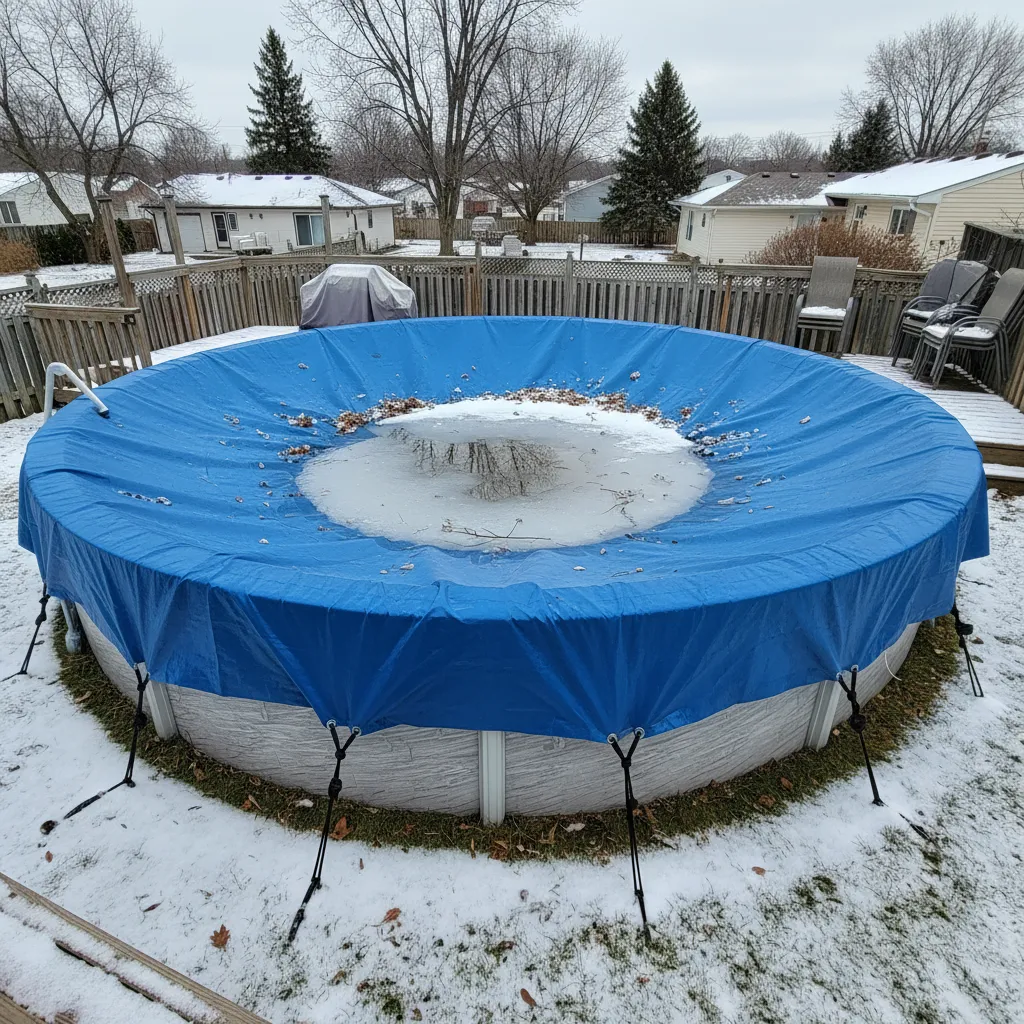
"Invest once to protect your liner and prevent a swamp in the spring."
Heavy-Duty Winter Pool Cover
Winter demand is high - check stock
Is It Safe to Operate the Pump With the Cover on?
Most pumps can run with a cover, but not all setups are the same. Solid covers block air and water flow, which may starve the skimmer. Mesh or safety covers let some water pass, which helps the pump pull in water. Check if the cover sits loose or presses tight on the pool surface. A tight seal might trap air, leading to pump strain or air leaks. Always check the maker’s rules for your pump model and cover type. For example, Intex pumps need at least 2 inches of water above the skimmer when covered.
Potential Risks to Equipment and Water Circulation
A tight cover can create a vacuum, forcing the pump to work harder. This raises PSI levels by 2-3 points, which may crack pipes or burn out motors costing $300-$600 to fix. Poor flow also lets dirt settle, clogging filters or heaters. In tests, covered pools with low water flow saw RPM drops of 500-800 in 24 hours. Solar covers left on for days can trap heat too well, pushing water temps over 90°F and stressing seals. Covers with tears or gaps let leaves block the pump basket, cutting flow by up to 40%.
The type of cover plays a key role in how these risks show up. Let’s break down how materials and designs change the game.
How Pool Cover Types Affect Pump Operation
Pool covers vary in design and function, which impacts how your pump works. Choosing a cover that aligns with your filtration goals can boost pump longevity and cut down on upkeep. A good-fitting cover is crucial for maintaining proper tension. When covers sag, they can collect water, adding stress to your pump and making maintenance harder.
Solid Covers Vs. Mesh/safety Covers
Solid vinyl or tarp-style barriers block all water and dirt from entering. While this stops contamination, it can trap standing water on top, adding hydrostatic pressure. Pumps might pull air through skimmers if water levels drop too low. Mesh or safety options allow around 85-90% of rainfall through, minimizing pressure shifts but letting fine dirt sink into the pool. For pumps, this means solid styles work best with automatic covers or manual checks to maintain water height, while mesh types need skimmer baskets cleaned daily. Regular maintenance is essential for optimal pool cleanliness. One effective solution is using a vacuum pool waste cartridge filter.
Solar Covers and Heat Retention Dynamics
Thin, bubble-style solar barriers prioritize warmth retention over dirt blocking. Lightweight and porous, they rarely disrupt circulation but can trap air pockets if not trimmed properly. A pump’s suction might pull parts of the cover into skimmers, risking clogs. Trim edges to stay 6-8 inches from pool walls and run the pump during daylight hours to align with solar heating cycles. This maintains warmth without straining the system. Keeping the pool clean also involves checking skimmers regularly. Installing a pool skimmer helps catch debris before it sinks, making maintenance easier.
Impact Of Cover Material on Filtration Efficiency
Material density dictates how much dirt bypasses the cover. Heavy-duty vinyl stops leaves but lets algae thrive in stagnant zones if the pump isn’t active long enough. Permeable mesh allows smaller particles like pollen to sink, requiring pumps to filter more frequently. For optimal results, pair solid covers with a runtime of 8-10 hours daily and mesh with 6-8 hours, adjusting PSI by 5-10% based on dirt load.

Climate and Seasonal Considerations
Local weather shapes how covers and pumps interact. From icy winters to humid summers, adapting pump settings to your climate prevents costly hiccups.
Running the Pump With a Cover in Winter Months
In freezing zones, solid covers paired with continuous pump operation prevent ice damage. Set pumps to run at low speeds 24/7, maintaining water movement without tripping freeze guards. For mesh covers, reduce runtime to 4-6 hours daily but add antifreeze to plumbing lines if temps dip below 32°F. Always clear snow buildup to avoid collapsing covers into skimmers. In addition to protecting your pool, keeping it free of mosquitoes is important for enjoyment. Regular maintenance and proper covering can help keep these pests away from your pool area.
Hot Climate Operation: Florida and Texas Best Practices
High heat speeds up dirt breakdown and chlorine loss. Use mesh covers in Florida’s rainy summers to allow overflow drainage, running pumps 10-12 hours during daylight. In Texas, UV-resistant solid covers block scorching sun but require midday pump checks to avoid airlocks from rapid water loss. Both regions benefit from variable-speed pumps set to 2200-2500 RPM for optimal flow without spiking bills.
Managing Debris in Different Seasons
Spring pollen and fall leaves demand distinct tactics. During peak shedding, pair solid covers with robotic cleaners to grab dirt before it sinks, cutting pump load by 30%. In summer, switch to mesh for daily rain flushing, but boost pump cycles after storms. Winter demands a balance: run pumps just long enough to circulate algaecides without losing heat through open vents.
Adapting to your pool’s unique needs starts with grasping how its design interacts with your setup.
Also See: Can You Use an Extension Cord for a Pool Pump?
Pool-specific Guidelines
Pool type shapes how pumps work with covers. Design, pump size, and cover fit change rules for safe use.
Intex and Above-ground Pool Pump Compatibility
Intex and basic above-ground pools use smaller pumps (1,000-1,500 GPH flow rates). Light vinyl or mesh covers let air pass but may sag into water if not tight. Check for these signs: Pool pumps often come into contact with water, as they are designed to work with the system. Keeping them dry is essential to ensure their longevity and efficiency.
- Cover touching pump intake ports
- Wrinkles creating air pockets
- Water pooling on top after rain
Run the pump on low speed if your model allows it. Use a skimmer adapter ($15-$30) to keep the cover flat and avoid suction issues.
In-ground Pool Cover and Pump Scenarios
In-ground pools often pair heavy safety covers (200-400 lb weight capacity) with 1.5-3 HP pumps. Solid covers block debris but cut surface skimming. Solutions include:
- Automatic cover pumps ($120-$250) for rain
- Skimmer cutouts for water flow
- Daily 30-minute uncovered runs to check chemistry
Test chlorine levels weekly. Covered pools can hide pH swings from poor circulation.
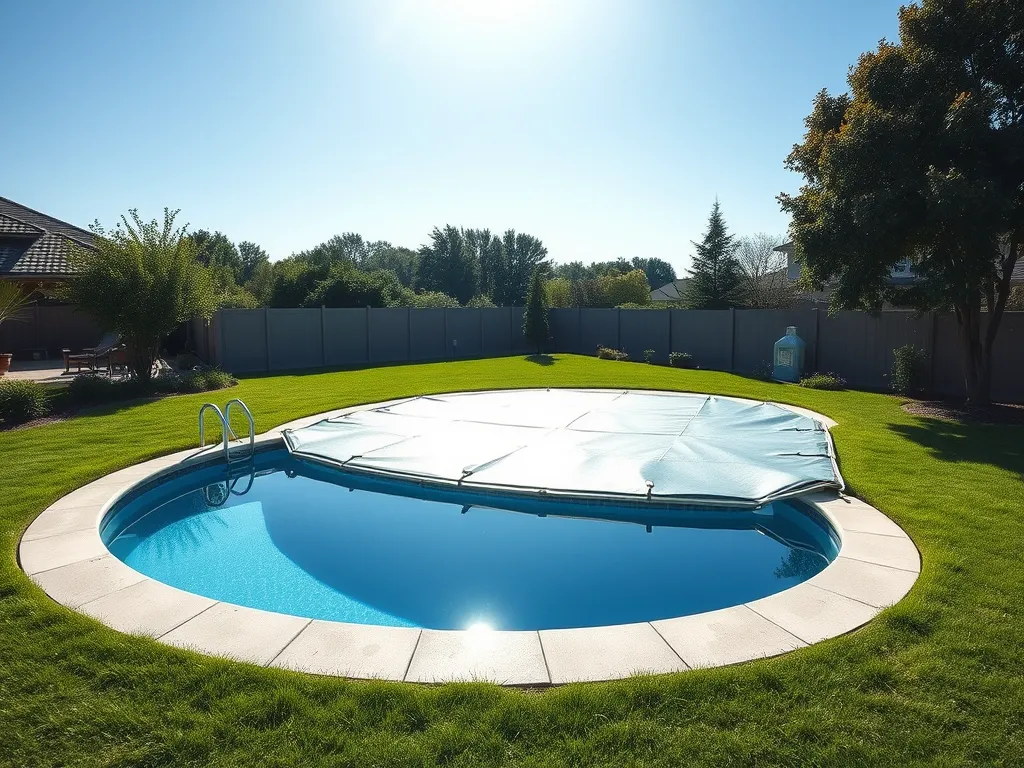
Duration Limits for Pump and Heater Use
Timing matters. Covers trap heat and block air, changing how long gear should run.
Maximum Recommended Run Time With Cover on
Run pumps 6-8 hours daily with covers in summer. Drop to 4-6 hours in winter. Watch for:
- Water temp over 90°F (algae risk)
- Pump motor hotter than 140°F
- Cover fading from trapped heat
Using Pool Heaters Safely Under Covers
Gas heaters need caution. High temps (over 95°F) can warp vinyl covers. Keep water below 90°F. Heat pumps run cooler but cost $0.30-$0.70 per hour. For solar covers, remove them when heating to let surface gas escape.
Does a Pool Pump Require an Enclosure?
Covers and enclosures serve different roles. Know when to use each.
Ventilation Needs for Covered Pumps
Pumps need 12+ inches of clear space around vents. Enclosures with solid walls trap heat. Use louvered panels ($45-$90) or open-frame designs. Check motor temps monthly with an IR thermometer ($25-$50).
Weatherproofing Vs. Cover Use Trade-offs
Hard covers shield pumps from rain but reduce airflow. Soft covers breathe but won’t stop floods. In snowy areas, use a hard roof (36+ inches high) over the pump. Avoid wrapping motors in plastic—it holds moisture.
Proper setup keeps water clean and gear safe—but how do you balance filtration needs with cover use? Let’s explore pump tweaks for peak performance.
Optimizing Pump Performance With a Cover
Operating your pool pump while using a cover demands precise adjustments to balance filtration needs with physical barriers. Proper configuration prevents strain on the system while keeping water pristine. The right setup is crucial for maintaining a clean and safe pool environment. A pool cove can make this process easier by providing a smooth transition between the pool wall and the floor.
Balancing Filtration and Cover Use
Solid covers block debris but restrict surface agitation, reducing skimmer efficiency. Increase pump runtime by 1-2 hours daily to compensate for limited surface flow. For mesh covers, maintain standard cycles but monitor pressure gauges closely—expect 5-8 PSI spikes as finer particles enter the system. Solar covers require partial removal during pump operation; leave 12-18 inches exposed near skimmers to enable proper suction.
Variable-speed pumps set to 2,450 RPM optimize circulation under covers without wasting energy. Track flow rates using a gallon-per-minute (GPM) meter—most residential systems perform best at 30-50 GPM when covered. Test water weekly for chlorine distribution using test strips, targeting 1-3 ppm levels.
Maintenance Tips to Prevent Clogging
- Clear skimmer baskets every 48 hours when using solid covers during leaf-heavy seasons
- Backwash sand filters at 8-10 PSI above normal operating pressure
- Lubricate pump lid O-rings monthly with silicone-based products to maintain suction
- Inspect cover vents quarterly for blockages—use compressed air on safety cover mesh
Install leaf traps between the skimmer and pump for pools near trees. For cartridge filters, clean cells every 4-6 weeks using trisodium phosphate solutions to dissolve oily residues from covered water surfaces. Keeping the pool clean also includes paying attention to the clean pool screen. A clean pool screen helps maintain water quality and keeps debris out.
Common Mistakes to Avoid
Even minor oversights can lead to costly repairs when running pumps under covers. Stay vigilant against these frequent errors.
Ignoring Water Level or Debris Accumulation
Water sitting 1-2 inches below the skimmer throat causes pump cavitation, generating air pockets that damage impellers. Use garden hoses with float valves to maintain levels at mid-skimmer height. For solid covers, deploy cover pumps to remove standing water—1/2 HP models process 3,000 gallons hourly. Keeping the water level balanced is vital for overall pool maintenance. One important aspect of maintenance is managing calcium hardness for a healthy pool environment.
Allowing debris piles to form on covers adds weight that strains anchoring systems. Blow off leaves daily using backpack blowers or install automated cover cleaners like the Poolskim™ attachment.
Overlooking Manufacturer Guidelines
Hayward’s TriStar pumps mandate maximum 20 PSI when used with solid covers, while Pentair IntelliFlo systems require priming times under 10 minutes. Check warranty documents—many void coverage if pumps operate continuously under non-breathable covers exceeding 30 days. Keeping pool areas safe is crucial, and a well-maintained deck plays an important role. Resurfacing the pool deck can improve both safety and aesthetics, ensuring a pleasant environment for users.
Consult your heater’s manual: Raypak units permit covered operation only when thermostats stay below 104°F. Jandy heat pumps need 36-inch clearance around vents when used with enclosures.
While these strategies enhance performance, many pool owners still have questions about integrating covers with their specific equipment setup.
Frequently Asked Questions
Do Solar Covers Impact Pump Efficiency Differently Than Solid Covers?
Yes. Solar covers allow partial water flow (30-50 GPM) through their porous material, reducing strain on pumps compared to solid covers that block surface skimming entirely. However, improperly aligned solar covers may increase RPM demands by 10-15% to maintain circulation, while solid covers often require longer run times (1-2 extra hours daily) to compensate for stagnant zones.
How Does a Pool Cover Influence Chemical Distribution?
Covers limit surface gas exchange, which can cause pH levels to rise and chlorine to dissipate unevenly. Testing alkalinity and sanitizer levels twice weekly is critical—covered pools often need 20% more circulation time to distribute chemicals effectively. Robotic cleaners help target “dead zones” near drains where debris accumulates under solid covers. A well-maintained pool is essential for safe swimming. Proper diving pool depth ensures that swimmers can dive without risk of injury.
Can Automatic Covers Safely Run With the Pump Active?
Most motorized automatic covers include built-in safety systems that pause closure if resistance is detected. Ensure skimmer cutouts align with the cover’s track system and maintain a 1-inch gap around edges for airflow. Avoid running pumps at full speed during cover deployment to prevent suction entrapment risks. Proper lighting in indoor pools is essential for safety and ambiance. Good lighting allows for clear visibility and enhances the overall experience in the pool area.
What Indicates a Cover is Restricting Pump Performance?
Watch for air bubbles in the pump basket (signaling air leaks), pressure spikes above 10 PSI, or motors exceeding 140°F. A flow meter reading below 25 GPM with a solid cover or visible debris bypassing mesh covers also indicates inadequate circulation. Address these immediately to prevent impeller damage. Additionally, keeping an eye on your pool’s condition is crucial. Signs like cracks in the surface may suggest underlying structural issues that need attention.
Should Pump Schedules Change When Switching Cover Types Seasonally?
Absolutely. Transitioning from a winter solid cover to a summer mesh model typically reduces required pump runtime by 2-3 hours daily. Adjust variable-speed pumps to 2,200 RPM for mesh in summer and 1,800 RPM for solid covers in winter. Always reset timers after cover swaps to align with material-specific flow rates.
Closing Thoughts
Running your pool pump with a cover on is possible but requires careful consideration of cover type, climate, and equipment specifications. Solid covers demand more monitoring for water circulation, while mesh variants allow better flow. Seasonal adjustments—like winterizing or managing summer debris—keep your system efficient.
Always check manufacturer guidelines for Intex, above-ground, or in-ground pools to avoid pump strain. Pairing heaters with covers needs strict runtime limits to prevent overheating. Proper ventilation prevents moisture damage to enclosed pumps.
For precise calculations on pump duration, filtration cycles, or heater settings with a cover, explore tools at My Pool Calculator. Keeping these factors in check ensures crystal-clear water without compromising equipment longevity.
Additional Resources for You:
- ASTM International – Pool & Spa Standards
- Can You Run a Pool Pump With a Solar Cover On? – Pool Research
- The Winter Pool: Off-Season Tips for Warmer Climates
- Can I Run My Pool Pump While it is Covered? – PoolPartsToGo
- If my pool is covered for the winter, can I get away with running the pool pumps for a shorter duration? – Quora