Can You Put a Pool on a Deck? Safety, Design, and Installation Guide
Published on: January 26, 2026 | Last Updated: November 17, 2025
Written By: Rachael Weatherbottom
Yes, you can install a pool on a deck if it meets specific weight limits, material requirements, and safety standards. Above-ground pools, inflatable models, or built-in designs work best, but success depends on your deck’s load capacity (measured in pounds per square foot or PSF), local building codes, and proper waterproofing. A typical 12’x24’ pool holds over 10,000 lbs of water, so decks must handle at least 100 PSF – double standard residential deck limits. Always consult a structural engineer before proceeding.
This guide explores every factor for safely placing a pool on your deck. Learn how to calculate your deck’s weight limits based on materials like pressure-treated wood, composite, or concrete. Discover which pool types fit your space, from temporary inflatable options to permanent fiberglass designs. We’ll cover permit requirements, drainage solutions, and cost-saving installation tips.
You’ll get step-by-step advice on reinforcing existing decks, avoiding rot or collapse, and integrating plumbing systems. We’ll also tackle unique scenarios like rooftop pools or combining decks with freestanding platforms. By the end, you’ll know exactly how to transform your outdoor space without compromising safety or structure.
Assessing Your Deck’s Structural Capacity
Before placing any pool on a deck, verify the structure can handle the load. Even sturdy-looking decks might lack the strength for water weight, which adds pressure most materials aren’t designed to bear. Start with these critical evaluations.
Crucial Winterizing Products

"The all-in-one solution for a guaranteed clear spring opening."
All-in-One Closing Chemical Kit
Winter demand is high - check stock

"The 'set & forget' option. This is the easiest winterizing I've ever done."
Simple 3-in-1 Winterizing Balls
Winter demand is high - check stock
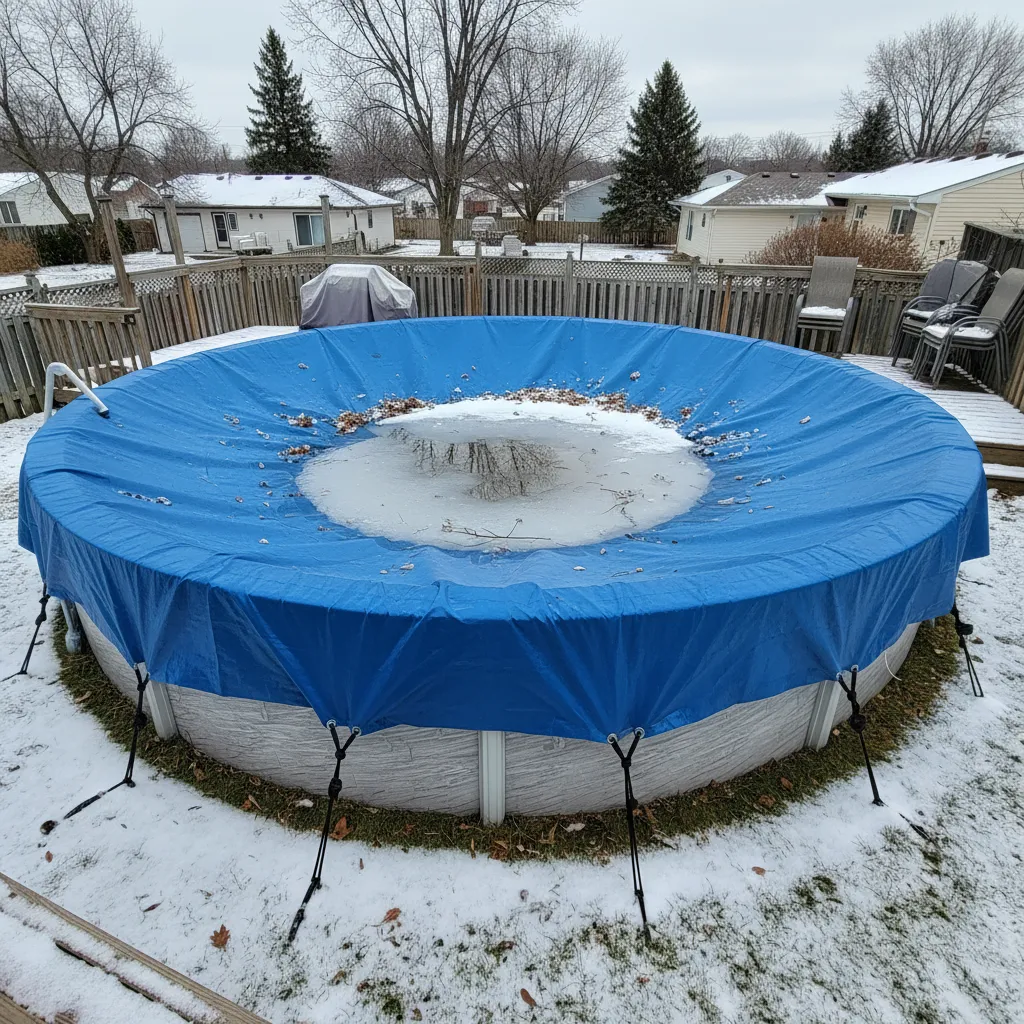
"Invest once to protect your liner and prevent a swamp in the spring."
Heavy-Duty Winter Pool Cover
Winter demand is high - check stock
Understanding Weight Limits and Load Distribution
Decks built for lounging or grilling rarely account for pools. A typical residential deck holds 50-100 pounds per square foot (PSF), but filled pools demand much more. Weight distribution matters—uneven loads strain weak points, risking collapse.
Calculating Pool Water Weight
Water weighs 8.34 pounds per gallon. For a 12’x24’ pool filled 3 feet deep:
| Volume | 12ft x 24ft x 3ft = 864 cubic feet |
| Gallons | 864 x 7.48 = 6,462 gallons |
| Total Weight | 6,462 x 8.34 = 53,893 pounds |
Spread across 288 sq ft, that’s 187 PSF—triple the capacity of many decks.
Deck Material Load-Bearing Capabilities
Material strength varies widely:
- Pressure-treated wood: 60-80 PSF (requires reinforcement)
- Composite decking: 70-90 PSF (prone to warping under moisture)
- Concrete piers: 150+ PSF (ideal for permanent pools)
Decks with steel beams or helical piles handle higher loads better than wood-framed structures.
Professional Structural Evaluation Requirements
Licensed engineers assess footings, joist spacing, and beam integrity. Expect to pay $300-$800 for a report detailing needed upgrades like:
- Adding support posts every 4-6 feet
- Replacing joists with 2x10s or LVL beams
- Installing cross-bracing to prevent lateral movement
Local building codes often mandate permits for deck modifications exceeding 200 PSF loads.
With structural readiness confirmed, explore which pools align with your deck’s limits and design goals.
Pool Types Compatible With Deck Installations
Not all pools work well on decks. The right fit depends on size, weight, and how long you plan to keep it. Let’s break down three common types that pair with deck setups.
Above-ground Pools on Decks
Steel-frame or resin-shell pools (12ft to 24ft round/oval) are top picks for decks. A 15ft round pool holds 5,000 gal (41,700 lbs). Decks must handle 40+ lbs per sq ft. Use beams or piers under the deck. Pair with wood or composite decking for grip. Add rail gaps to let water drain. When considering pool sizes, it’s important to know how much water they will hold. For example, a 16×32 pool typically holds around 24,000 gallons, providing ample space for family and friends to enjoy.
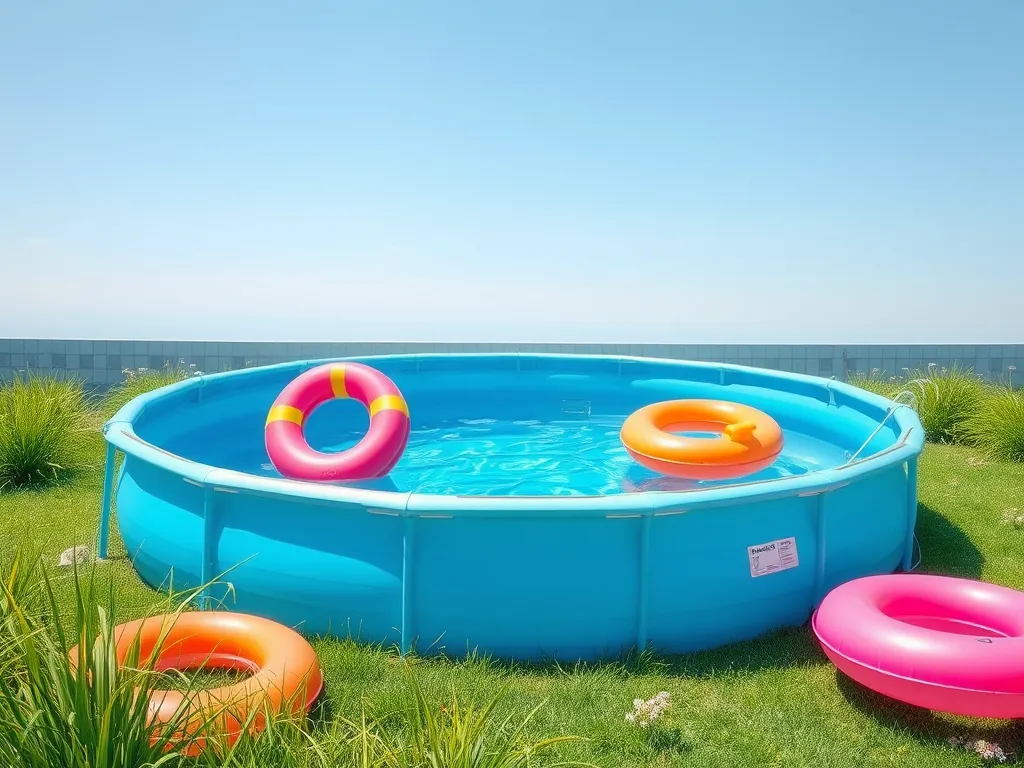
Inflatable and Temporary Pool Options
Lightweight blow-up pools (500-2,000 gal) suit decks with lower weight limits. A 12ft inflatable holds 1,700 lbs. Still, check if your deck can take 8-10 lbs per sq foot. Lay foam pads or rubber mats to shield the deck. These work for renters or seasonal use.
Built-in Pools for Permanent Deck Integration
Custom fiberglass or concrete pools built into decks need pro plans. They add 50-100 lbs per sq foot. Use poured footings and steel beams. Blend edges with deck boards or tile. Add slip-proof coating. Built-ins cost $30k-$80k but boost home value. A well-maintained pool also benefits from proper water chemistry. For a 10,000-gallon pool, using a stabilizer helps keep chlorine effective and the water clear.
Legal Compliance and Safety Standards
Adding a pool to a deck means playing by local rules. Skip permits or codes, and you risk fines or worse. Let’s cover key legal boxes to check.
Building Permits and Zoning Regulations
Most areas need permits for decks over 200 sq ft or pools deeper than 24in. Fees range $150-$500. Rules vary: some towns ban rooftop pools; others require 10ft setbacks from fences. Check if your deck is zoned for “recreational loads.”
Safety Codes for Deck-based Pools
Follow the IRC (Int’l Residential Code) for deck rails (36in min height) and pool gates (self-closing, 54in tall). Use decking with a 0.5+ slip score. Meet NEC codes for pool pumps (GFCI outlets 6ft from water). Add drain covers to avoid suction risks.
Now that we’ve covered legal basics, let’s explore how deck materials impact your pool setup.
Also See: Can You Tan Through a Pool Screen? The Truth
Deck Material Considerations
Not all decks handle pool weight the same way. Material choice affects safety, cost, and upkeep. Let’s break down options for pool deck ideas.
Wooden Decks: Durability and Limitations
Wood decks (like pressure-treated pine or cedar) hold up to 50 PSI but rot fast with pool leaks. Water weight warps planks over time. For a 12’x24’ pool holding 10,000 lbs, joists need 12” spacing and 6×6 posts. Use sealants every 6 months to slow wear. Avoid softwoods like fir—they crack under 40 PSI loads.
Composite and Aluminum Decking Solutions
Composite planks (Trex, TimberTech) handle 60-75 PSI without rot. Aluminum decks support 100+ PSI—ideal for deck pools up to 15,000 lbs. These cost $12-$25 per sq.ft but last 25+ years. Slip-proof textures cut fall risks near water. No sanding or stains needed, saving $500/year in upkeep.
Concrete and Brick Deck Stability
Poured concrete slabs (4” thick, 3,000 PSI strength) hold 150 PSI—best for built-in pools. Brick patios need mortar joints checked yearly. Both need footings 12” below frost line. Add drain lines to stop water pooling. Costs run $8-$15 per sq.ft but last 30+ years with minimal fixes. Maintaining pool water quality is important for longevity. Using hydrogen peroxide can help lower chlorine levels while still keeping the water clean and safe.

Installation Process for Deck Pools
Pool deck construction needs precise steps to avoid collapse or leaks. Follow this guide for safe setups.
Preparing the Deck Surface
Clear the area of nails, splinters, or rot. Add cross-braces under joists for extra support. Lay EVA foam pads (1/2” thick) to shield the pool liner. For sloped decks over 2”, build a level frame with 2×6 treated lumber. Keeping your pool area safe and well-constructed is important. An inground pool cleaner can help maintain a clean and inviting swimming space.
Securing and Leveling the Pool
Use a laser level to check for gaps. Shim low spots with plastic wedges—never wood. Bolt above ground pool walls to deck posts with stainless steel brackets. Inflatable pools need non-slip mats glued to the deck. Allow 18” clearance around edges for access.
Plumbing and Electrical Setup
Run PVC pipes through pre-cut deck holes (seal with silicone). Keep pumps 3+ feet from pool edges. Hire an electrician to install GFCI outlets (120V, 20-amp) on dedicated circuits. Bury wires 18” deep if crossing under the deck. It’s also important to ensure your pool heater is protected by a GFCI. This helps prevent electrical shocks and enhances safety around the pool area.
Special Cases: Balcony and Rooftop Pools
Elevated spots need extra planning. A wrong move risks collapse or code fines.
Balcony Weight Capacity Challenges
Most balconies hold 40-60 PSI—barely enough for a 4’ deep kiddie pool. Check building plans or hire an engineer. Use light inflatable pools (under 3,000 lbs) and spread weight with plywood sheets. Avoid placing near railings—they may lack internal rebar.
Rooftop Pool Structural Requirements
Roofs need steel beams and 8” concrete slabs (3000 PSI+) to hold pools. Expect $25,000+ in upgrades. Permits require stamped plans showing load zones. Use fiberglass shells—they weigh 30% less than concrete. Add rubber roofing mats to stop leaks into rooms below. The choice of materials can affect chemical balance in waters. This balance often relates to pH and alkalinity, which are crucial for maintaining water quality.
Now let’s explore how to keep your deck and pool in top shape year-round.
Maintenance and Damage Prevention
Proper upkeep ensures your deck remains safe and functional when supporting a pool. Neglecting maintenance can lead to costly structural failures or safety hazards over time. When considering a pool, it’s also important to think about the right pool liner. A well-chosen pool liner contributes to the overall durability and aesthetic appeal of your pool area.
Preventing Water Damage to Decks
Water exposure is the primary threat to decks with pools. A single gallon of water weighs 8.34 pounds, and even minor splashes or leaks add up. Use rot-resistant materials like composite decking (rated for 50+ PSI load capacity) or pressure-treated lumber sealed with waterproof coatings like polyurethane. Install gutter systems or slope the deck surface 1/4″ per foot to direct water away. For wooden decks, apply sealant every 2–3 years to reduce moisture absorption by up to 80%. Properly managing water around your pool is essential to preserving your deck. This is where a pool cover pump can play an important role in effectively removing excess water.
Routine Deck Inspections and Repairs
Inspect decks bi-monthly during pool season. Check for:
- Cracks or warping in boards
- Loose fasteners (replace rusted screws with galvanized alternatives)
- Soft spots indicating rot
- Corrosion on metal supports or joist hangers
Reinforce weak areas with steel braces or sister joists. Budget $500–$1,500 annually for repairs to maintain load-bearing integrity.
Alternative Solutions if Decks Aren’t Suitable
If structural upgrades aren’t feasible, these options balance aesthetics and safety without compromising your pool setup.
Freestanding Pool Platforms
Construct a dedicated platform using concrete footings or helical piers anchored 4–6 feet into stable soil. Steel-framed designs support up to 100 lbs/sq ft, ideal for 12’x24’ above-ground pools. Modular systems like EZ Dock’s polyethylene platforms ($25–$40/sq ft) allow customization for irregular shapes or sloped yards.
Partial Deck Integration Designs
Combine deck sections with ground-supported bases to reduce weight strain. Examples include:
- Wraparound decks with a recessed pool area on compacted gravel
- Multi-level designs where only the pool’s entry steps connect to the deck
- Floating decks adjacent to inground pools, separated by a 2″ expansion gap
Considering these options? Explore real-world examples in our gallery of pool on deck pictures to visualize your project’s potential.
Frequently Asked Questions (FAQ)
Does Adding a Pool to My Deck Affect Homeowners Insurance?
Yes. Most insurers require updated liability coverage for deck-based pools due to increased risks. Premiums may rise 10-20%, and some providers demand proof of structural certification or safety fencing.
Can I Install a Heated Pool on a Deck?
Heated pools add complexity due to extended plumbing and electrical needs. Solar heaters work for lightweight setups, but gas or heat pumps require reinforced decks (150+ PSF) and dedicated 240V circuits. When planning your pool area, it’s important to consider the overall landscape design. Exploring DIY pool landscaping can enhance the beauty and functionality of your outdoor space.
What’s the Maximum Pool Size for a Standard Residential Deck?
For decks rated at 100 PSF, limit pools to 8’x16’ (2,500 gallons). Larger sizes require helical piers or steel beams. Always confirm capacity with a structural engineer before installation. Keeping the pool safe and well-maintained is crucial for enjoyment. A smart pool monitor can help you track water quality and save time on maintenance.
Can I Convert an Existing Deck Into a Pool Platform?
Only if footings and joists meet current codes. Retrofit costs average $8,000-$15,000 for sistering joists, adding posts, and waterproofing. Demolition/rebuild is often cheaper for decks over 10 years old.
Are Deck Pools More Expensive Than Ground Installations?
Yes—deck pools cost 25-50% more due to structural upgrades. A 12’ round pool costs $3,500 on dirt vs. $9,000+ on a reinforced deck. Maintenance costs also rise 15% for waterproofing and inspections. When considering a small inground pool, costs can vary widely based on factors like materials and installation. It’s important to plan your budget to account for all expenses associated with the project.
How Do I Winterize a Pool on a Elevated Deck?
Drain 90% of water, add antifreeze to pipes, and cover with a breathable tarp. Remove snow buildup within 48 hours to prevent excess weight. Check for ice damage to deck boards monthly.
Can I Add Non-slip Coatings to My Deck for Pool Safety?
Yes. Apply epoxy-based coatings with silica sand (cost: $3-$7/sq ft) to achieve a 0.6+ slip resistance rating. Recoat every 2-3 years, avoiding oil-based sealants that trap moisture.
Closing Thoughts
Installing a pool on a deck requires careful planning—from assessing structural capacity to choosing the right materials. Weight limits, local regulations, and proper installation all play critical roles in ensuring safety and longevity.
For those considering this project, always consult a structural engineer first. Use durable materials like composite decking or reinforced concrete if possible. Regular maintenance checks will prevent water damage and structural wear over time.
Need help calculating your deck’s load capacity or pool weight? Check out My Pool Calculator for tools and resources to simplify your planning.
Useful References for You:
- Grimes, R. J. (2015). Troubleshooting and Repairing Pool Plastics, PVC, and Vinyl Liners. Chicago, IL: CreateSpace Independent Publishing.
- Can you put a pool under a deck? – Quora
- Building an Above-Ground Pool Deck: Ideas & Design | Decks.com
- DIY Building an Intex 12′ Pool Platform Deck [Time Lapse] – YouTube
- Is it okay to put a inflatable/kiddie pool on deck? – RedFlagDeals.com Forums
A pool care geek who’s been testing water chemistry since she was tall enough to reach the skimmer.
Above ground pool, Pool Care By Type