Can You Paint Pool Noodles? Make Them Colorful & Water-ready
Published on: January 23, 2026 | Last Updated: November 17, 2025
Written By: Rachael Weatherbottom
Yes, you can paint or spray paint pool noodles with the right materials. Standard craft acrylics, latex spray paints, and specialty foam-safe sprays work best on closed-cell polyethylene foam. Spray painting offers faster coverage, while brush methods allow detailed designs. Success depends on proper cleaning, light sanding, and using flexible paints that won’t crack when the foam bends.
This guide breaks down paint types that stick to pool noodles without peeling. Learn why some sprays outperform others, how to prep foam surfaces for maximum adhesion, and which brushes work for intricate patterns. We’ll compare acrylics, tempera, and epoxy-based options, including their drying times and water resistance.
Discover step-by-step techniques for spray painting, dipping, and hand-painting noodles for pool floats, safety markers, or kids’ crafts. Get tips on sealing designs with clear waterproof sealants and maintaining color vibrancy through chlorine exposure. Explore answers to common issues like paint flaking or color bleeding in wet conditions.
Can You Paint or Spray Paint Pool Noodles?
Painting pool noodles opens up creative possibilities but requires navigating their unique material. These buoyant foam tubes, made from polyethylene foam, present challenges due to their smooth, non-porous surface. While standard paints may peel or flake, specialized techniques and products can yield vibrant, lasting results. To make the most of your painting project, it’s important to consider the properties of the material. Pool noodles are lightweight and waterproof, which enhances their versatility for various crafts and activities.
Crucial Winterizing Products
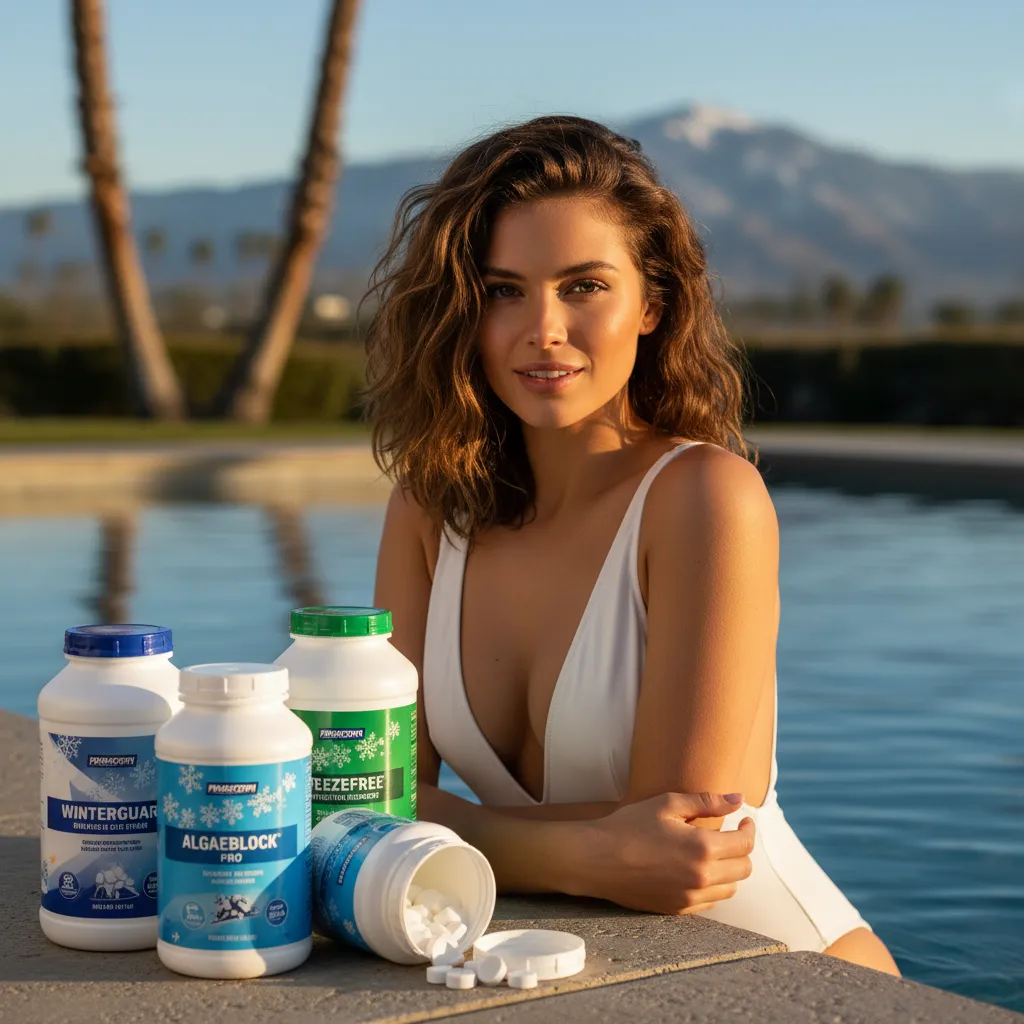
"The all-in-one solution for a guaranteed clear spring opening."
All-in-One Closing Chemical Kit
Winter demand is high - check stock

"The 'set & forget' option. This is the easiest winterizing I've ever done."
Simple 3-in-1 Winterizing Balls
Winter demand is high - check stock
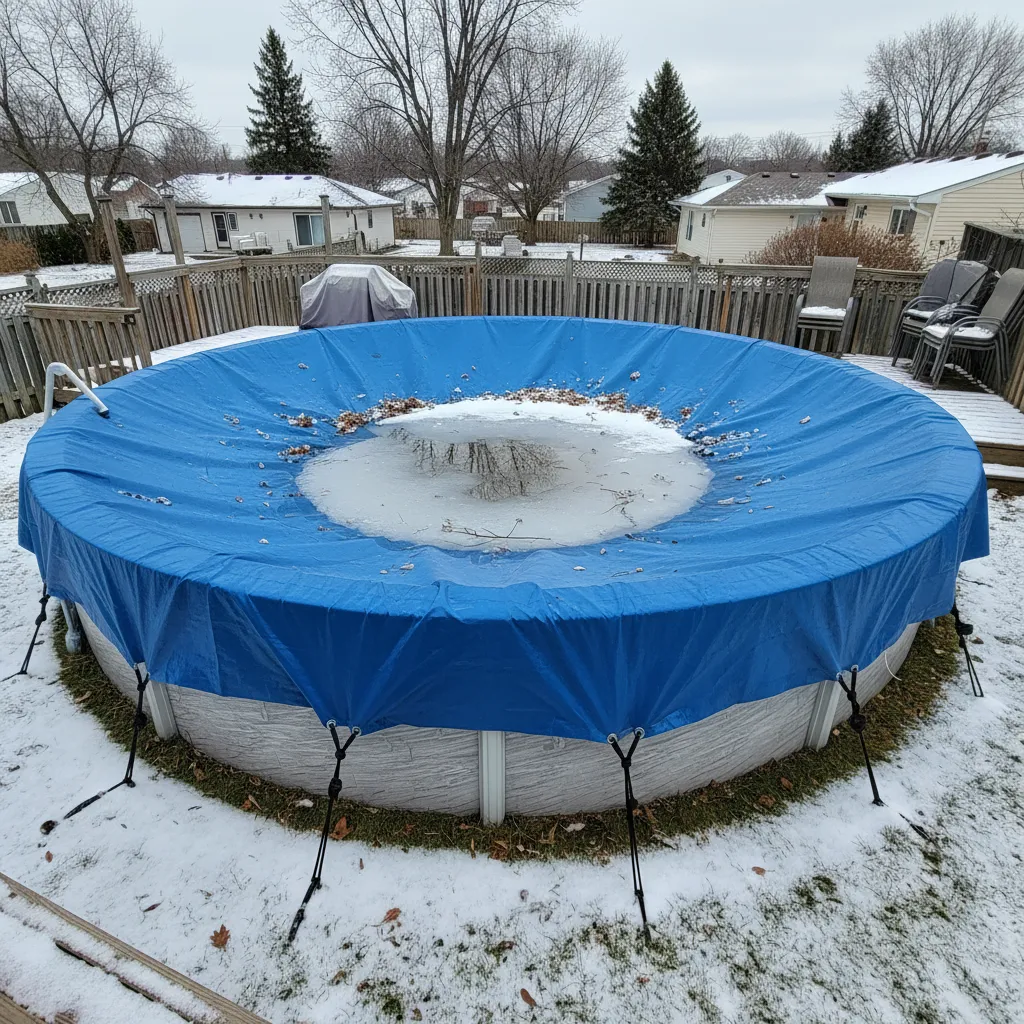
"Invest once to protect your liner and prevent a swamp in the spring."
Heavy-Duty Winter Pool Cover
Winter demand is high - check stock
Understanding the Feasibility Of Painting Foam Noodles
Polyethylene foam’s closed-cell structure resists liquid absorption, making adhesion tricky. Spray paint often works better than brush-applied formulas due to finer particles that cling to the textured surface. For spray paint to stick to pool noodles, light coats and proper prep—like sanding with 120-220 grit sandpaper—are vital to create a grippable base.
Flexibility matters. Pool noodles bend during use, so paints must withstand movement without cracking. Acrylics and latex sprays rated for plastics flex with the foam. Avoid thick layers that restrict motion. Testing a small area first helps gauge durability—submerge painted sections in water for 24 hours to check for peeling.
Environmental factors play a role. Direct sunlight can fade colors, while chlorine may degrade certain paints. UV-resistant sprays like Krylon Fusion All-In-One or Rust-Oleum Painter’s Touch last longer in pools. Always allow 48 hours drying time before exposing noodles to water.
Ready to explore your paint options? The next step involves matching materials to your project’s needs.
Types Of Paint for Pool Noodles
Choosing a coating for foam pool toys impacts both look and function. Not all paints bond with this material, so picking options built for plastics or foams is vital. Factors like drying speed, flexibility, and water resistance play a role in what lasts through pool conditions. The choice of materials can also influence the water quality in your pool. For instance, certain coatings might contribute to cloudy water if they break down and release particles into the pool.
Can You Spray Paint Pool Noodles?
Short-throw spray paints work on pool noodles if formulated for plastic. Brands like Krylon Fusion All-In-One or Rust-Oleum Painter’s Touch bond without dissolving foam. Hold cans 10-12 inches away, applying light layers to avoid drips. Allow 15-20 minutes between coats. Opt for paints labeled “flexible finish” to maintain buoyancy. Taking care of your pool accessories can enhance the overall look of your pool area. Similarly, a fresh coat of paint on a gunite pool can revitalize its appearance and protect the surface.
Is Acrylic Paint Suitable for Pool Noodles?
Acrylics stick to dry noodles but lack long-term water resistance. Mixing with a fabric medium (like Liquitex) improves adhesion. Brush strokes may show, so thin coats work best. For submerged noodles, add a waterproof sealant post-painting. Avoid thick layers—they crack when foam bends.
Using Latex Spray Paint on Pool Noodles
Standard latex sprays often peel off foam. Look for hybrid formulas such as Montana Gold’s water-based line, which flex with the material. Test on a small area first. Costs range from $8-$15 per can, with coverage around 12-15 noodles per 12 oz can.
Tempera Paint: Pros and Cons for Foam
Tempera offers bright colors for kids’ crafts but washes off in water. It’s ideal for dry projects like party decorations. Apply with sponge brushes for smooth finishes. No priming needed, but expect touch-ups if noodles contact moisture. Budget-friendly at $2-$5 per bottle.
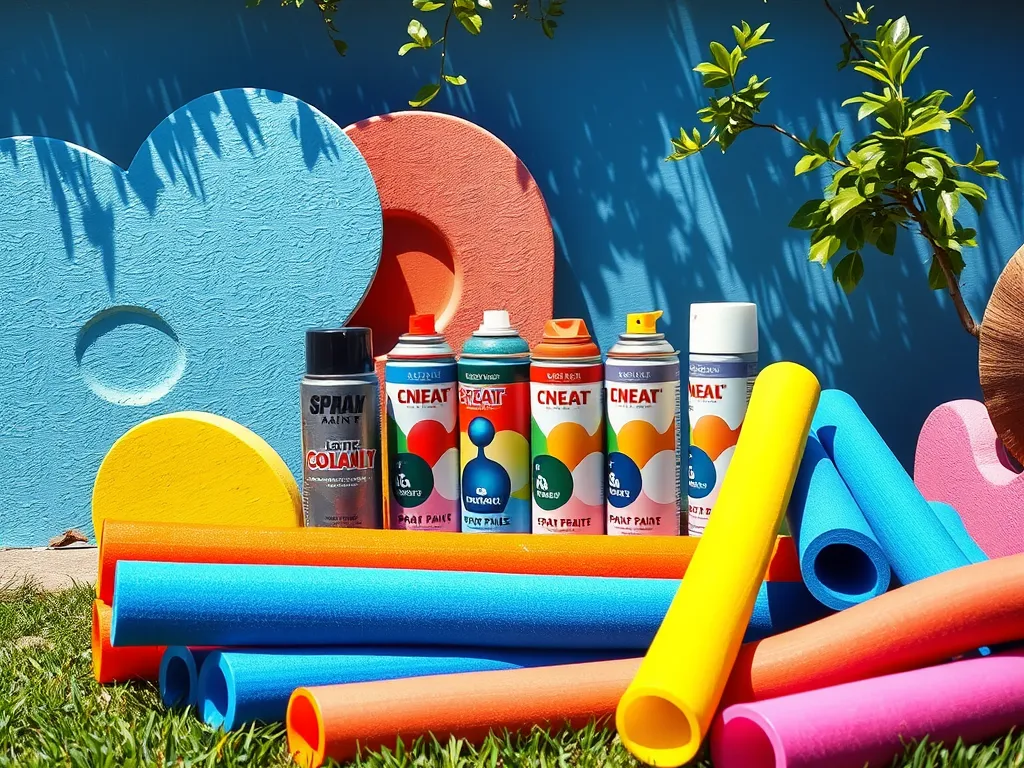
Best Spray Paint Options for Pool Noodles
| Brand | Dry Time | Price | Key Feature |
|---|---|---|---|
| Krylon Fusion | 10 min | $9 | No primer needed |
| Rust-Oleum FlexiDip | 30 min | $12 | Rubberized finish |
| Montana Cans Plastic | 15 min | $14 | UV protection |
Preparing Pool Noodles for Painting
A smooth, clean surface makes paint stick. Skipping prep leads to chips or flaking. Focus on removing dirt, oils, and creating texture for coatings to grip.
Cleaning and Sanding Techniques
Wash noodles with a mix of dish soap and warm water. Scrub gently with a soft cloth, then air-dry fully. Lightly sand with 220-grit sandpaper in circular motions. This roughs up the slick surface, boosting adhesion. Wipe away dust with a tack cloth before priming.
Priming Pool Noodles for Better Adhesion
Zinsser BIN Shellac-Based Primer seals foam and prevents paint absorption. Spray 2-3 thin coats, waiting 10 minutes between layers. Avoid oil-based primers—they stay tacky. For brush-on options, try Mod Podge Waterbase Sealer. Primer adds $5-$10 to project costs but triples paint longevity.
With noodles prepped and primed, it’s time to pick your application method. Let’s look at how spray, brush, or dip tactics affect final results.
Also See: Can You Use an Extension Cord for a Pool Pump?
Step-by-step Painting Methods
Transforming pool noodles with paint requires technique-specific approaches. Each method offers unique results, from smooth finishes to bold patterns, while addressing the foam’s porous surface. When considering their use, it’s also important to think about what happens to pool noodles after they are no longer needed. This raises the question: are pool noodles recyclable?
Spray Painting Pool Noodles: Detailed Process
Krylon Fusion All-In-One or Rust-Oleum Painter’s Touch work best for spray painting pool noodles. Hold the can 10-12 inches away and apply light coats, rotating the noodle slowly. Allow 20 minutes between layers to prevent drips. Three thin coats typically provide full coverage without cracking when bent. When it comes to pool areas, attention to detail matters. A painted concrete pool deck can also enhance the look of your outdoor space, making it both stylish and fun.
Brush Application Tips for Acrylics
FolkArt Multi-Surface or Liquitex BASICS acrylics adhere well when applied with foam brushes. Load the brush lightly to avoid globs, and stroke lengthwise along the noodle’s grooves. For stripes, wrap painter’s tape at 2-inch intervals after the base coat dries (1-2 hours). Remove tape before the final layer sets completely.
Dipping Pool Noodles in Paint (Alternative Method)
Mix 1 part water with 2 parts acrylic paint in a PVC pipe cut lengthwise. Submerge the noodle section, twist twice, and lift vertically to let excess drip off. Hang dry using clothespins for 4-6 hours. This method creates gradient effects but uses 30% more paint than spraying. Proper care of your projects is important, especially when planning to relax by the pool. Just like maintaining vibrant colors, knowing how to operate the pool filter ensures clean and clear water for enjoyment.
Creative Uses for Painted Pool Noodles
Custom-colored noodles serve purposes beyond flotation. Strategic designs enhance both safety and aesthetics around water areas.
Poolside Decorations and Safety Markers
Bright orange or yellow spray-painted sections mark ladder edges or shallow zones. Glow-in-the-dark acrylic paints create underwater runway lights when wrapped around pool stairs. For parties, alternating neon stripes turn noodles into temporary tiki torch posts with LED tea lights inserted. However, keeping a pool clean often involves using too much algaecide. Too much algaecide can lead to harmful effects on the environment and health.
Craft Projects for Kids and Parties
Transform spray-painted pool noodles into obstacle course arches using 6-8 coated noodles and zip ties. Tempera-painted segments become lightweight building blocks when cut into 4-inch pieces. For birthdays, brush metallic acrylics onto noodles, then slice them into 1-inch medallions for drink floaters. Keeping the pool in use will lead to evaporation, which can reduce water levels. Regularly checking and replenishing the water is important to maintain balance.
Functional Repairs With Color-matched Noodles
Patch cracked pool steps by spray painting replacement noodle slices to match existing tiles. Use a color-mixing guide: 3 parts Lapis Blue + 1 part White creates a standard pool liner hue. Epoxy-coated painted noodles last 2-3 seasons as temporary skimmer covers. Keeping the pool in good condition helps maintain the right chemical balance. If bromine levels get too high, steps can be taken to lower them effectively.
Maintaining Painted Pool Noodles
Proper care extends painted designs through chlorine exposure and UV rays. Regular checks prevent color degradation.
Protecting Paint From Water Damage
Apply Mod Podge Outdoor or Minwax Polycrylic sealant in two thin layers, allowing 45 minutes between coats. These reduce color fading by 60% compared to unsealed noodles. Store painted noodles horizontally on a mesh rack to prevent pressure points when not used.
When to Reapply Paint
Check for chalky residue or visible foam texture returning – signs paint has worn below 0.3mm thickness. Spray-painted noodles typically need touch-ups every 15-20 water exposures. Acrylic-brushed versions last longer (25-30 uses) but show edge cracking first. Maintaining your pool’s appearance is important for enjoyment and safety. A calcium chloride pool can help keep the water balanced and clear, enhancing your swimming experience.
As color retention depends on application methods and sealants, evaluating performance under actual pool conditions helps plan maintenance schedules.
FAQs About Painting Pool Noodles
Are Painted Pool Noodles Safe for Saltwater Pools?
Saltwater can accelerate paint degradation compared to chlorinated pools. Opt for epoxy-based spray paints or marine-grade coatings designed for boats, as they resist salt corrosion. Rinse noodles thoroughly with fresh water after each use to prevent salt crystallization from lifting paint layers.
Does Painting Affect the Buoyancy Of Pool Noodles?
Properly applied thin paint layers have negligible impact on buoyancy. Avoid heavy sealants or multiple thick coats, which can add up to 8% weight. Test painted noodles by submerging them—if they sink more than 1 inch deeper than unpainted ones, reduce coating thickness in future projects. When considering additions like pools, it’s also important to factor in the cost of materials and construction. Gunite pools can be an investment, often ranging widely in price based on size and complexity.
What Non-toxic Paints Are Recommended for Children’s Projects?
Water-based tempera and ASTM D-4236 certified acrylics (like Crayola Washable Paints) are safest for kids. Avoid aerosols; instead, use sponge applicators for mess-free control. These paints wash off skin easily but require reapplication if noodles contact water frequently. It’s also important to consider safety when using pool noodles can be flammable and should be kept away from open flames.
Closing Thoughts
Painting pool noodles opens up endless creative possibilities for poolside fun and practical uses. Whether spray painting for vibrant colors or using acrylics for detailed designs, the right techniques ensure lasting results. Proper prep work—cleaning, sanding, and priming—makes all the difference in paint adhesion and durability.
Remember to choose paints specifically formulated for foam or flexible surfaces. Latex spray paints and acrylics work well, while tempera may require sealants for water resistance. For projects needing frequent submersion, consider marine-grade sealants to protect your designs.
Looking for more pool care tips? Check out My Pool Calculator for expert advice on maintenance, water chemistry, and creative pool hacks. Transform ordinary pool noodles into personalized floats, safety markers, or craft supplies with confidence!
Additional Resources for You:
- Pool & Hot Tub Alliance (PHTA) – Industry Standards & Training
- How To Spray-Paint Pool Noodles Safely and Effectively
- Pool Noodle Question | Halloween Forum
- Can you Spray Paint Swimming Pool Noodles & How to Do it!
- Help with MM/paint on pool noodles | Halloween Forum
A pool care geek who’s been testing water chemistry since she was tall enough to reach the skimmer.
Pool Barriers, Pool Equipment Repair, Safety Equipment