Are Telescopic Pool Poles Rust-resistant? What Pool Owners Need to Know
Published on: December 22, 2025 | Last Updated: November 17, 2025
Written By: Rachael Weatherbottom
Telescopic pool poles can resist rust, but it depends on their material. Aluminum poles resist corrosion through protective oxide layers, stainless steel may develop pitting in chlorine-heavy or saltwater pools, and fiberglass poles never rust. Durability hinges on factors like chemical exposure, storage habits, and material quality. For example, budget aluminum poles under $50 may lack anti-corrosion coatings, while marine-grade stainless steel models over $100 offer better saltwater resistance.
This article breaks down the science behind rust in telescopic poles. We’ll explore how aluminum’s oxidation works, why stainless steel isn’t fully rust-proof, and fiberglass’s complete immunity. You’ll learn how saltwater accelerates corrosion 3x faster than freshwater and why chlorine levels above 3 ppm can degrade cheaper metals.
You’ll get actionable tips: rinsing poles within 30 minutes of use cuts rust risk by 60%, while silicone sprays add 2-3 years to a pole’s lifespan. We compare top brands like Xtend-A-Pole and Blue Devil, testing their claims in real pool environments. Whether you’re maintaining a chlorine pool or saltwater system, these insights help you choose poles that last.
Materials Used in Telescopic Pool Poles
Telescopic pool poles rely on specific materials to balance durability, weight, and resistance to rust. The three most common options—aluminum, stainless steel, and fiberglass—each behave differently in pool environments. Let’s break down how their properties affect rust resistance.
Crucial Winterizing Products

"The all-in-one solution for a guaranteed clear spring opening."
All-in-One Closing Chemical Kit
Winter demand is high - check stock

"The 'set & forget' option. This is the easiest winterizing I've ever done."
Simple 3-in-1 Winterizing Balls
Winter demand is high - check stock
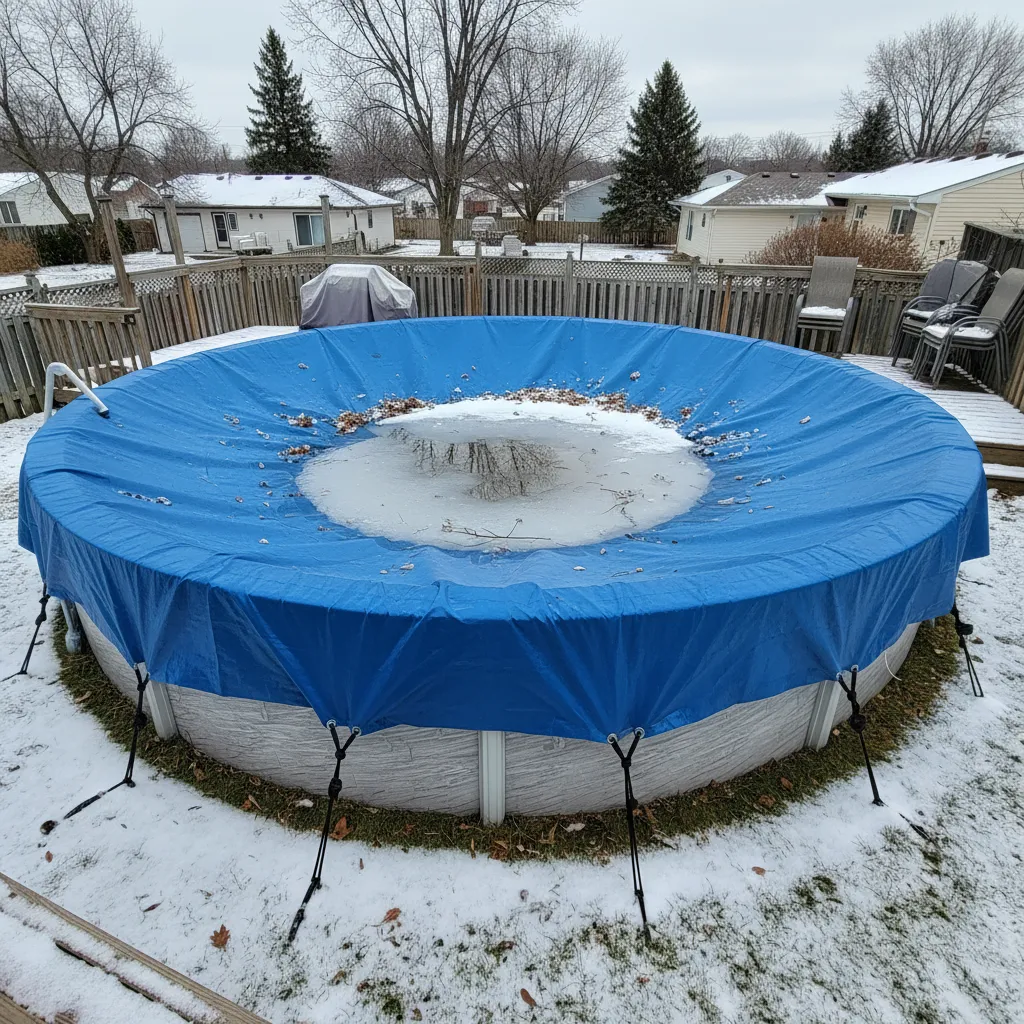
"Invest once to protect your liner and prevent a swamp in the spring."
Heavy-Duty Winter Pool Cover
Winter demand is high - check stock
Aluminum Poles
Aluminum poles are lightweight and naturally corrosion-resistant due to a thin oxide layer that forms on the surface. This layer acts as a shield against moisture and oxidation. Most telescopic pool poles use anodized aluminum, which undergoes an electrochemical process to harden the surface and enhance protection. For example, Type III anodized aluminum can withstand saltwater exposure up to 10x longer than untreated versions.
- Pros: Weighs 1.5–2 lbs per 6-foot section, making it easy to handle
- Cons: Lower-grade alloys (like 6000 series) may pit in chlorine-heavy or saltwater pools
Stainless Steel Poles
Stainless steel poles offer strength but require careful grade selection. Grade 304 steel, used in many mid-priced poles, resists rust in freshwater but may corrode in saltwater pools or high-chlorine conditions. Premium poles use marine-grade 316 steel, which contains 2–3% molybdenum to combat pitting from chlorides. Even so, scratches or prolonged exposure to chlorine levels above 3 ppm can compromise the protective chromium oxide layer.
Fiberglass Poles
Fiberglass is the only fully rustproof option, as it contains no metal. These poles use woven glass fibers bonded with resin, making them immune to pool chemicals and saltwater. They’re less common due to limited adjustability—most fiberglass poles have fixed lengths—and a stiffer feel. However, they’re ideal for saltwater pools or areas with high humidity, where metal corrosion is a recurring issue.
While material choice sets the foundation, environmental factors and maintenance habits also shape a telescopic pool pole’s lifespan. Up next: how pool chemistry and storage practices influence rust development.
Factors Influencing Rust Resistance
The longevity of telescopic pool poles depends on multiple variables. Material choice, chemical exposure, and water type play pivotal roles in determining whether corrosion develops over time. Maintaining your pool equipment is essential for optimal performance. One important aspect to consider is the long backwash pool, which can help efficiently clean the system.
Material Composition &Amp; Quality
High-grade metals like marine-grade 316 stainless steel or powder-coated 6061-T6 aluminum resist oxidation better than cheaper alternatives. Thicker wall construction (1.5-2mm) slows wear at adjustment points. Defects in protective layers—like cracked coatings or uneven anodizing—create entry points for moisture.
Exposure to Pool Chemicals
Chlorine levels above 3 ppm accelerate metal degradation. Bromine systems, though gentler, still weaken steel components when concentrations exceed 5 ppm. Imbalanced pH (below 7.2 or above 7.8) intensifies chemical reactions, speeding up rust formation on vulnerable surfaces. Keeping the right balance is essential for pool maintenance. Regularly ordering the correct pool chemicals can help prevent damage and ensure optimal water quality.
Saltwater Vs. Freshwater Pool Environments
Saltwater pools with 2,500-4,000 ppm salinity trigger galvanic corrosion in metal poles 3x faster than freshwater. Chloride ions penetrate microscopic gaps in stainless steel, causing pitting. Freshwater poles face lower risks but still degrade if scale buildup traps moisture against metal. Similarly, when considering other materials for plumbing, the strengths and weaknesses of copper pipes become relevant. Exploring the pros and cons of copper pipes can help homeowners make informed decisions for their plumbing needs.
Do Telescopic Pool Poles Rust?
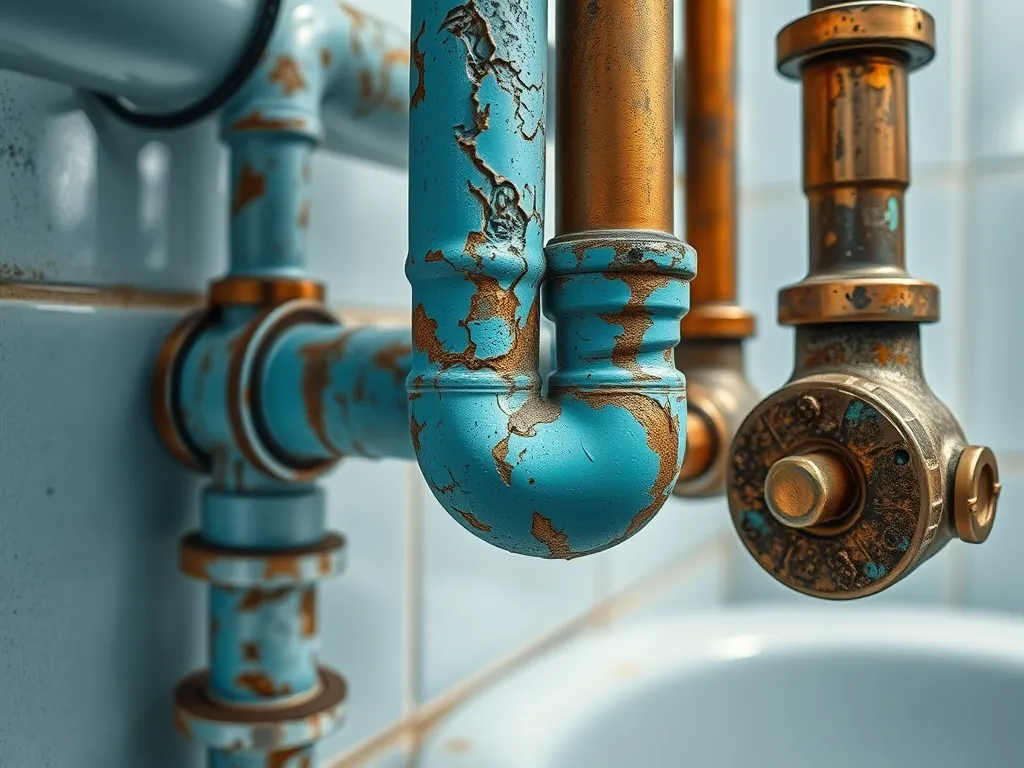
Rust potential varies by material. While no telescoping pole is fully impervious, design improvements have minimized corrosion in modern models.
Aluminum’s Resistance to Corrosion
Anodized aluminum poles form a 10-25 micron oxide barrier that self-repairs minor scratches. They withstand freshwater indefinitely but may pit in saltwater after 2-3 seasons. Non-anodized versions show white oxidation within months when used in pools with pH imbalances.
Stainless Steel’s Vulnerability to Chlorine &Amp; Saltwater
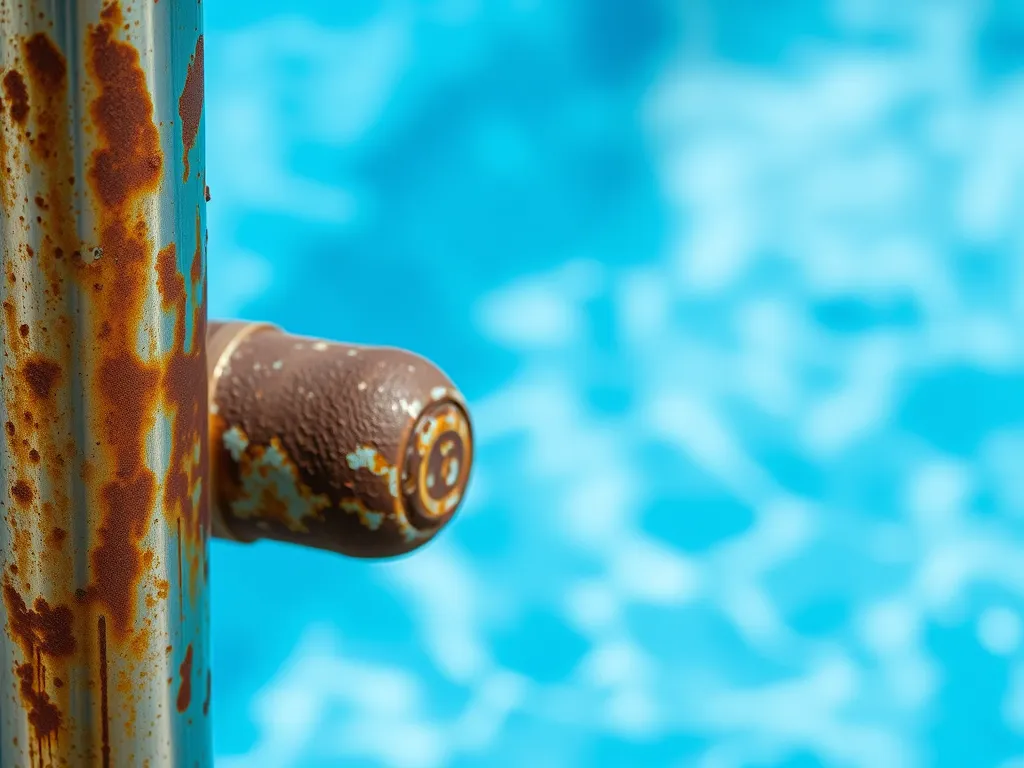
Grade 304 stainless develops surface rust in saltwater within 6-12 months without weekly rinsing. Grade 316 variants last 2-3 years but eventually succumb to chloride-induced crevice corrosion. Chlorine above 5 ppm attacks passive layers, leading to reddish-brown staining. Many locals enjoy swimming in places like the Red rock pool, where the beauty of nature surrounds them. Red rock pool offers a refreshing escape and is a popular spot for free activities among the community.
Fiberglass’s Immunity to Rust
Fiberglass poles use resin-bonded strands that won’t corrode in any pool type. Their non-conductive nature prevents galvanic reactions. Trade-offs include limited length adjustments and potential for UV-induced brittleness after 5+ years. When considering materials for pool projects, fiberglass is a reliable option. It can also be used effectively in constructing a DIY automatic pool cover.
While material science has improved rust resistance, proper care remains critical. Next, we’ll explore maintenance strategies to maximize your pole’s lifespan.
Also See: Can You Pressure Wash a Pool With Water in It?
How to Prevent Rust on Telescopic Pool Poles
Keeping telescopic pool poles rust-resistant requires proactive care. Even materials labeled “corrosion-resistant” can degrade over time without proper maintenance. Follow these strategies to extend your pole’s lifespan and maintain smooth telescoping action. Regular pool maintenance is key to overall health. One effective way to ensure water quality is to use a Taylor pool test kit.
Cleaning &Amp; Maintenance Best Practices
Rinse poles with fresh water after every use, focusing on joints and threaded connectors where debris accumulates. For saltwater pools, double-rinse to remove chloride deposits. Use mild soap and a soft brush monthly to scrub away mineral buildup. Avoid abrasive cleaners—they strip protective layers, accelerating oxidation. Dry poles completely before storage, as trapped moisture triggers rust on pool poles. Maintaining clean pool pavers is also important for the overall appearance and safety of your pool area. Regular cleaning prevents the buildup of dirt and grime, ensuring a safe and inviting space for swimming.
Proper Storage to Minimize Moisture Exposure
Store poles horizontally in a shaded, dry area—never leaning against wet surfaces. Disassemble telescoping sections to prevent internal condensation. For saltwater pool owners, apply a silicone-based lubricant to threads and locking mechanisms every 3 months. Consider using moisture-absorbing packs in storage areas with high humidity above 60%. Proper maintenance of pool equipment helps prevent leaks and damages. This is especially important for copper pipes, which can easily develop leaks over time.
Protective Coatings &Amp; Treatments
Apply automotive wax or marine-grade protectants to aluminum poles annually. For stainless steel, use passivation treatments to restore chromium oxide layers. Fiberglass poles benefit from UV-resistant sprays to prevent resin degradation. Always check manufacturer guidelines—some warranties void if third-party coatings are applied.
Comparing Rust Resistance Of Pool Pole Materials
Not all telescoping pool pole materials perform equally in wet environments. Let’s break down how aluminum, stainless steel, and fiberglass handle corrosion—and where they fall short. When maintaining a pool, it’s also important to consider the equipment that helps manage water levels. Proper drainage, especially below the skimmer, ensures that your pool stays clean and functions effectively.
Aluminum: Lightweight Vs. Oxidation Risks
Aluminum poles (6xxx series alloys) resist rust but form white oxide crusts when exposed to pH levels below 7.0. Anodized aluminum lasts 2-3 years longer than untreated versions but costs 20-30% more. Watch for galvanic corrosion if connected to brass or copper fittings.
Stainless Steel: Strength Vs. Potential Pitting
Grade 304 stainless steel poles withstand freshwater but pit in saltwater with chloride concentrations over 500 ppm. Upgrade to 316 marine-grade steel for coastal areas—it contains 2-3% molybdenum for enhanced resistance. Check for magnet test failures; low-quality steel alloys rust faster. When considering maintenance, it’s essential to protect all metal components from corrosion. Using RV antifreeze can help prevent damage in pool systems during colder months.
Fiberglass: Rustproof but Less Adjustable
Fiberglass poles can’t rust but sacrifice telescoping range. Most max out at 16-foot extensions versus 24-foot metal poles. They degrade under UV exposure, showing microcracks after 2-3 seasons. Ideal for saltwater pools but requires epoxy resin repairs when damaged. When considering the materials used for pool maintenance, it’s also crucial to look at the lifespan of the pool itself. Concrete pools, for instance, can last several decades with proper care.
Answering Key Rust-related Questions
Pool owners often grapple with material myths and real-world performance. Let’s clarify two persistent concerns.
What Metal Won’t Rust in a Pool?
Titanium is the only truly rustproof metal, but it’s rarely used due to costs exceeding $200 per pole. For budget-friendly options, 316 stainless steel performs best in chlorinated water. Remember—no metal is 100% immune. Even titanium corrodes at pH levels under 6.8. Caring for pool equipment also means protecting it from the cold. Ensuring pipes do not freeze is essential for maintaining your pool’s integrity during winter.
Will Stainless Steel Rust in Pool Water?
Yes, if exposed to aggressive chemicals. Stainless steel relies on a passive chromium layer that breaks down when chlorine levels exceed 5 ppm or cyanuric acid stabilizers drop below 30 ppm. Inspect poles monthly for brown staining—early pitting signs. Polish affected areas with 600-grit sandpaper to restore surfaces.
Want to tackle existing rust issues? The next section explores proven removal techniques and equipment compatibility checks.
Frequently Asked Questions (FAQ)
Are Telescoping Pool Poles Safe for Saltwater Pools?
Yes, if made from saltwater-resistant materials like anodized aluminum (Type III), marine-grade stainless steel (316), or fiberglass. Always rinse poles thoroughly after use and avoid leaving them submerged. Saltwater accelerates corrosion in standard aluminum or 304 stainless steel by 3x, so material quality is critical.
How Do I Remove Rust From a Pool Pole?
For light surface rust:
- Mix equal parts water and white vinegar; scrub with a nylon brush
- Use baking soda paste for stubborn spots
- Rinse and dry immediately
Avoid steel wool or harsh abrasives—they strip protective coatings. Severe pitting may require professional polishing or part replacement.
Can a Rusty Pole Damage My Pool Equipment?
Yes. Rust flakes can:
- Clog filter systems, reducing efficiency by 15-20%
- Scratch pool liners during cleaning
- Contaminate water with iron oxide, causing staining
Replace heavily corroded poles to protect your pool’s ecosystem and equipment lifespan.
Closing Thoughts
Telescopic pool poles vary in rust resistance based on materials and maintenance. Aluminum offers lightweight durability with minimal oxidation, while stainless steel may pit in chlorinated or saltwater pools. Fiberglass stands out as completely rustproof but lacks adjustability.
Proper care extends pole lifespan—rinse after use, store dry, and consider protective sprays for metal components. For saltwater pools, anodized aluminum or fiberglass are top choices to avoid corrosion.
Need help calculating pool chemical balances or equipment lifespans? Check out My Pool Calculator for precise maintenance tools tailored to your pool type.
Additional Resources for You:
- National Swimming Pool Foundation (NSPF). (2022). Pool & Spa Operator Handbook (4th ed.). Colorado Springs, CO: NSPF.
- Pool Poles at Lowes.com
- Pool Poles – Telescopic and Straight
- Best Pool Pole – Carbon Fiber Ever
- Leslie’s Pool Supplies | Telescoping Pool Poles
A pool care geek who’s been testing water chemistry since she was tall enough to reach the skimmer.
Cleaning Tools, Pool Cleaning & Maintenance, Telescopic Poles