Do You Sweat in a Pool? What Pool Owners Need to Know
Published on: February 22, 2026 | Last Updated: November 17, 2025
Written By: Lila Fairholme
Do you sweat in a pool? Yes, your body produces sweat even during swimming. While water conducts heat 25 times faster than air—making cooling more efficient—physical exertion still triggers sweat glands. This sweat mixes with pool water, releasing salts, urea, and organic compounds that affect chemical balance. Though less visible than land-based sweating, aquatic perspiration impacts both swimmers’ comfort and water quality. The sensation of “sweating” in pools often stems from warm water or humidity, not just actual perspiration.
This article examines the science behind underwater sweating and its effects on pool maintenance. Learn how water temperature alters sweat production, why swimmers rarely notice perspiration, and how sweat interacts with chlorine. Discover practical strategies for managing water chemistry in high-activity pools and maintaining hygiene standards.
Explore the relationship between exercise intensity and sweat rates in different aquatic environments. We’ll break down testing protocols for tracking contaminants like total dissolved solids (TDS) and combined chlorine. Get actionable advice on optimizing filtration cycles and establishing pre-swim routines to protect your pool’s ecosystem.
The Science Of Sweating in Water
Your body maintains a core temperature of 98.6°F through thermoregulation – a process controlled by the hypothalamus. When swimming, water’s thermal conductivity (25x faster than air) accelerates heat transfer. This creates a paradox: water cools you rapidly, but physical exertion during laps or water aerobics generates internal heat that must still be managed. To enjoy swimming comfortably, especially in an above ground pool, it’s essential to consider heating options. Heating your pool can make those refreshing dips even more enjoyable, allowing for longer swim sessions regardless of the season.
Crucial Winterizing Products
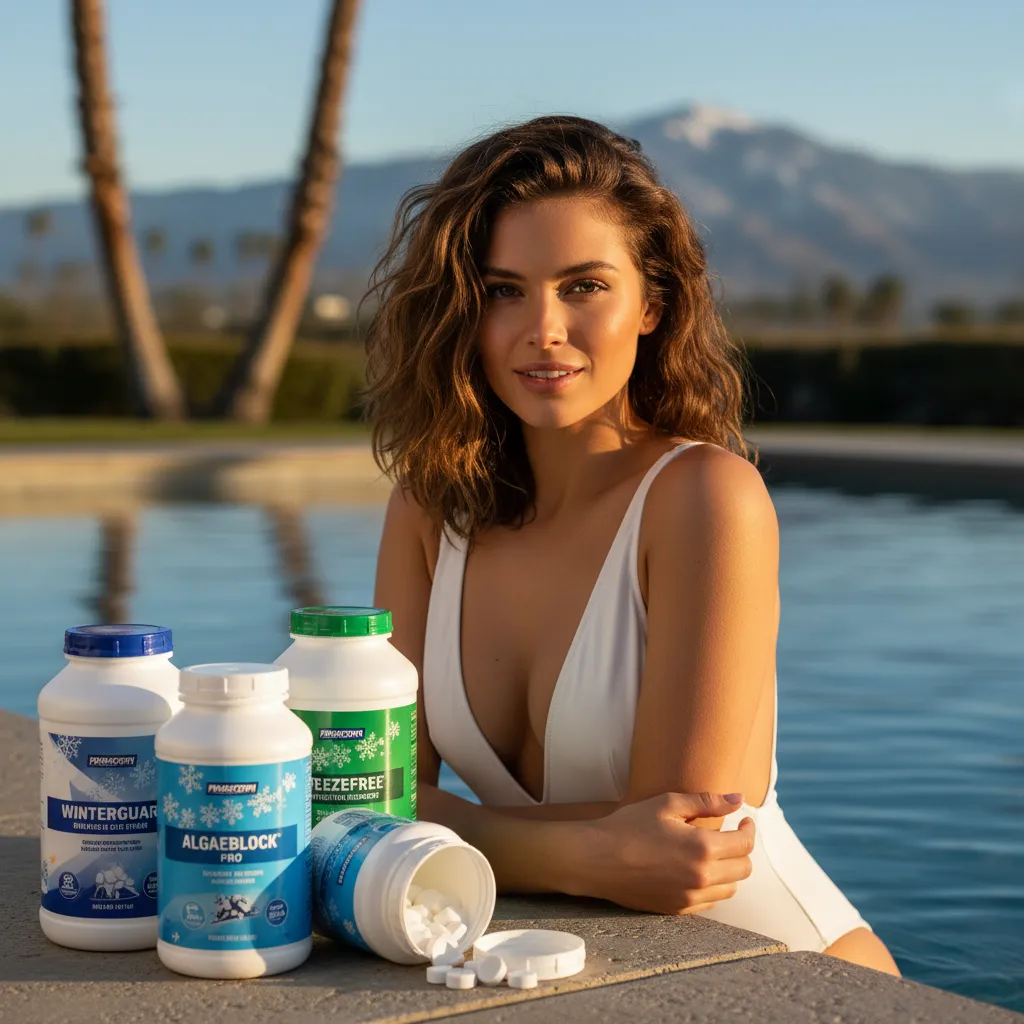
"The all-in-one solution for a guaranteed clear spring opening."
All-in-One Closing Chemical Kit
Winter demand is high - check stock

"The 'set & forget' option. This is the easiest winterizing I've ever done."
Simple 3-in-1 Winterizing Balls
Winter demand is high - check stock
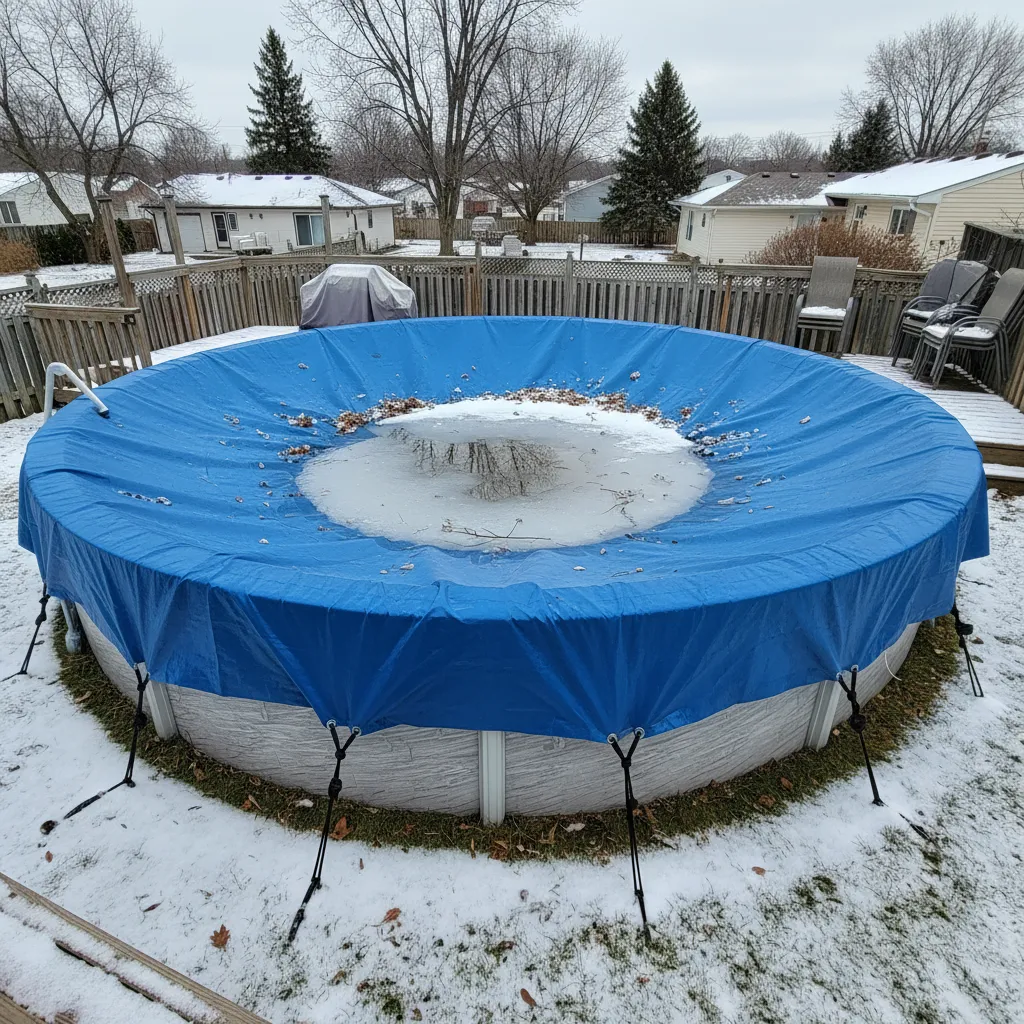
"Invest once to protect your liner and prevent a swamp in the spring."
Heavy-Duty Winter Pool Cover
Winter demand is high - check stock
How the Body Regulates Temperature During Swimming
During aquatic exercise, two cooling mechanisms activate simultaneously. Evaporative cooling via sweat continues working where skin contacts air – typically the head and shoulders. Concurrently, conductive cooling occurs through direct skin-water contact. The body prioritizes conductive cooling in water below 91.4°F (33°C), but intense activity can still trigger sweating. A 2020 study in the Journal of Thermal Biology found swimmers in 75°F water produced 0.4-0.8 liters of sweat per hour during vigorous training.
Why Sweating Occurs Even in Aquatic Environments
Sweat production persists in pools because water temperature rarely matches the body’s ideal cooling needs. Warm pool water (85°F+) reduces heat dissipation efficiency, forcing increased sweating. Even in cooler water, high-intensity interval training or competitive swimming elevates metabolic heat production by 500-700 watts. The common misconception that “water prevents sweating” stems from sweat dilution – swimmers lose up to 30% more fluid through urine compared to land exercise, masking sweat losses.
While the biological processes explain how and why perspiration happens during aquatic activities, many swimmers remain unaware of their actual fluid losses. This disconnect between physiological reality and perceived experience leads to widespread myths about sweating in pools.
Do You Sweat While Swimming? Debunking Myths
The idea of sweating in water seems contradictory – but human physiology defies expectations. While swimmers might not feel dampness on their skin, internal temperature regulation works full-time during aquatic activity.
Key Factors That Determine Sweat Production
Three primary elements drive sweat rates during swimming: water conductivity, movement intensity, and biological wiring. Water conducts heat 25 times faster than air, forcing the body to work harder maintaining its 98.6°F core temperature. High-intensity laps generate metabolic heat comparable to land-based cardio, triggering sweat glands despite the cooling medium. Genetic factors like sweat gland density (ranging from 2-4 million per person) and fitness adaptations also play roles – trained athletes initiate cooling through perspiration faster than casual swimmers.
Why Swimmers Often Don’t Notice They’re Sweating
The pool environment masks typical sweat cues. Water continuously rinses salt deposits from skin, eliminating sticky residues. Cooler temperatures (78-82°F) suppress thermal discomfort signals sent to the brain. Studies using biochemical markers reveal lap swimmers lose 0.5-1.5 liters of fluid hourly through perspiration – quantities similar to jogging – without the telltale dripping. Only when exiting might swimmers feel sudden chills as evaporative cooling accelerates. Maintaining proper water chemistry is crucial for swimmer comfort. Using baking soda can help manage phosphates and keep the pool water balanced.

Critical Factors Influencing Pool Sweat
Not all pool sessions generate equal perspiration. Variables from water properties to personal biology create a complex heat exchange equation.
Water Temperature: Cold Vs. Warm Pools
Thermal gradients dictate heat transfer rates. In chillier pools (below 77°F), the body prioritizes shivering over sweating for warmth. But during vigorous exercise, core temps still rise enough to activate sweat glands. Warmer water (85°F+) reduces the temperature differential, slowing heat dissipation. This forces the body to rely more on evaporative cooling – sweat output increases 30-50% compared to cooler pools, per sports medicine research. After experiencing a shocking situation, the body may need time to adjust. Waiting helps restore balance and allows for a more efficient recovery.
Exercise Intensity and Water Resistance
Water’s density (800x thicker than air) multiplies effort. A moderate freestyle stroke burns 500-700 calories hourly, generating 400-600 watts of metabolic heat. At 70% max heart rate, core temps climb 1.8°F within 20 minutes, crossing the sweat activation threshold. Resistance drills like treading water with weights amplify this effect – sweat rates spike 25% higher than steady-paced swimming.
Individual Physiology and Fitness Levels
Body composition alters thermal dynamics. Those with higher BMI retain more heat due to insulating fat layers. A 2018 study showed obese individuals sweat 20% sooner but with lower electrolyte efficiency. Aerobic conditioning matters too – triathletes demonstrate 15% greater sweat output than recreational swimmers during matched efforts, per the Journal of Sports Sciences. Gender differences exist: males average 1.2L sweat loss/hour versus 0.8L for females at equal intensities.
While sweat factors vary, all swimmers contribute organic loads to pool water. Next, we’ll examine how these biological inputs challenge chemical balance.
Also See: Can You Swim With Floc in the Pool? Know This
How Sweat Affects Pool Water Chemistry
Swimmers often ask, “Do you sweat in a swimming pool?” without realizing their perspiration directly alters water balance. Even small amounts of sweat introduce compounds requiring chemical adjustments to maintain safe conditions. This is where effective filtration comes into play. A sand filter pool pump can help keep the water clean by removing impurities, making the swimming experience much better.
Sweat Composition: Oils, Salts, and Organic Matter
Human sweat contains 99% water plus sodium (900-1,400 mg/L), chloride (1,200-2,300 mg/L), and trace urea. Oils from sebaceous glands and dead skin cells add organic load. A single swimmer sheds up to 1L of sweat during vigorous laps, depositing 1,000+ mg of dissolved solids.
Impact on Chlorine Demand and Ph Stability
Chlorine reacts with sweat’s ammonia derivatives, creating chloramines that reduce sanitizer efficiency. Each 100 mg of urea consumes 7-8 ppm chlorine. Salt content elevates total dissolved solids (TDS), forcing pH levels upward despite alkalinity buffers. Pools with heavy use require 30% more chlorine stabilizer to combat sweat-driven degradation. Similarly, maintaining a clean pool environment is essential to prevent unwanted visitors. Finding ways to deter ducks is important to keep the water fresh and safe for swimming.
Maintaining Pool Hygiene With Active Swimmers
Frequent testing and equipment adjustments become non-negotiable when addressing “Can you sweat in a swimming pool?” scenarios. Proactive measures prevent water cloudiness and skin irritation. Keeping the water clean is essential for maintaining a healthy swimming environment. Pool filters play a vital role in absorbing harmful chemicals that can affect both water quality and swimmer comfort.
Essential Water Testing Parameters for Contaminants
Test strips or digital meters should track free chlorine (2-4 ppm), combined chlorine (<0.2 ppm), pH (7.4-7.6), and TDS (<1,500 ppm). Advanced systems measure urea specifically using photometric analysis, with action thresholds at 25 mg/L. Keeping your pool chemistry balanced is important for overall maintenance. Another key aspect of pool care is knowing how to [flexible_link url="https://mypoolcalc.com/measure-pool-liner" type="permanent"]measure the pool liner properly[/flexible_link].
Optimizing Filtration Systems for Sweat Removal
Sand filters capture 20-40 micron particles but struggle with dissolved sweat components. Cartridge filters (10-15 micron) paired with DE powder achieve 3-5 micron filtration. Run pumps 8-12 hours daily, increasing to 16 hours for pools hosting swim teams or water aerobics groups. When setting up a salt pool, understanding the filtration needs is crucial for clear water. A well-designed system can keep your salt pool clean while offering a smoother swimming experience.
The Role Of Pre-swim Showering Protocols
A 60-second rinse removes 75% of surface sweat and body oils. Facilities enforcing shower rules reduce chlorine demand by 40% and maintain cyanuric acid levels below 50 ppm. Post-swim showers also minimize residual chloramine absorption through skin. Keeping the pool clean helps protect the liner from issues. One common problem is wrinkles in pool liners, which can be prevented with proper maintenance.
Sweating in Specialized Pool Conditions
Water temperature dramatically alters answers to “Do you sweat while swimming?” Thermal extremes push human thermoregulation systems into overdrive.
Hot Water Pools: Increased Sweat Production
Hydrotherapy pools heated to 100°F (37.8°C) trigger sweat rates matching land-based exercise—up to 2L/hour. This demands ozonation systems (0.1-0.2 ppm residual) alongside UV sterilization to handle organic surges without chlorine spikes. When considering the off-season, it’s important to protect your pool. You can winterize your pool without draining by using proper covers and chemicals to maintain water quality.
Cold Water Swimming: Delayed Sweat Response
In 60°F (15.6°C) water, shivering generates metabolic heat first. Sweat emerges only after 20+ minutes of continuous laps as core temps rise. Cold pools still accumulate 200-400 mg/L of sodium chloride per hour from combined sweat and respiration during competitive training. This management of body heat and electrolyte balance becomes crucial in various settings. Many facilities use float pools to provide athletes with optimal recovery and performance support.
As swimmers push their limits across temperature extremes, new challenges emerge for balancing workout benefits with water quality. Let’s examine common questions about these dynamics. One popular solution for swimmers is the rooftop pool, where they can enjoy unique settings. Rooftop pools often provide a refreshing escape while allowing for a great workout experience.

FAQs About Sweating in Swimming Pools
How Can Swimmers Monitor Their Personal Sweat Output During Pool Workouts?
Swimmers can track sweat loss by weighing themselves before and after sessions (1 kg loss ≈ 1L sweat). Wearable devices measuring heart rate variability and skin temperature also provide indirect sweat rate estimates. Electrolyte-replenishment needs correlate with these metrics.
What Are the Long-term Effects Of Sweat Accumulation in Residential Pools?
Chronic sweat buildup increases total dissolved solids (TDS), causing liner degradation, pump corrosion, and persistent chlorine odor. Annual partial drain-and-refresh cycles (30-50% water replacement) prevent cumulative damage from sodium and organic compounds.
Do Children Sweat Differently Than Adults in Aquatic Environments?
Prepubescent swimmers have 15-20% lower sweat rates due to underdeveloped eccrine glands. However, their higher surface-area-to-mass ratio accelerates conductive heat loss, potentially reducing sweat triggers in cool pools compared to adults exercising at equal intensity.
How Does Pool Sweat Contribute to Surface Corrosion on Equipment?
Chloride ions in sweat (1,200-2,300 mg/L) accelerate oxidation of metal components. Ladders, heater cores, and light housings in salt-rich environments require quarterly inspections and anti-corrosive coatings like zinc chromate for protection.
Are Certain Swimwear Materials Better at Managing Sweat Transfer?
Polyester blends resist chlorine degradation and reduce organic absorption by 40% compared to nylon. Hydrophobic fabrics like XtraLife Lycra® minimize sweat retention, decreasing contaminant transfer to pool water during intense sessions.
Closing Thoughts
Sweating in pools is a real phenomenon with tangible effects on water chemistry. While swimmers may not always notice perspiration, the salts, oils, and organic compounds released impact chlorine efficiency and pH balance. Understanding these dynamics helps maintain crystal-clear water.
For pool owners, regular testing for free chlorine (1-3 ppm), pH (7.2-7.8), and total dissolved solids (<1500 ppm) becomes vital with frequent use. Upgrading to a variable-speed pump or adding supplemental oxidation can combat sweat-related contaminants.
Want precise calculations for your pool’s chemical adjustments? Try the tools at My Pool Calculator to factor in swimmer load, temperature, and other variables affecting your water balance.
Additional Resources for You:
- Tamminen, T. (2019). The Complete Pool Manual for Homeowners: A Step-by-Step Maintenance Guide. New York, NY: Skyhorse Publishing.
- Do Swimmers Sweat? You Might Be Surprised – A3 Performance
- Do you sweat when you swim? by Precision Fuel & Hydration