Can You Get MRSA From a Swimming Pool? Here’s What Science Says
Published on: January 15, 2026 | Last Updated: November 17, 2025
Written By: Rachael Weatherbottom
MRSA (methicillin-resistant Staphylococcus aureus) can technically spread in swimming pools, but properly chlorinated water drastically reduces the risk. This antibiotic-resistant staph infection thrives through skin contact or contaminated surfaces rather than treated water. To stay safe, avoid swimming with open wounds, shower before entering, and ensure pools maintain 1-3 ppm chlorine levels with pH 7.2-7.8.
This article examines how MRSA spreads in aquatic environments, analyzes the effectiveness of pool chemicals against staph bacteria, and provides actionable prevention strategies. You’ll learn the science behind waterborne pathogen survival rates and practical steps to protect yourself and others.
We’ll explore real-world case studies of pool-related infections, break down CDC recommendations for pool operators, and show how proper filtration systems remove up to 99.9% of contaminants. From recognizing early MRSA symptoms to optimizing shock treatments, these insights help swimmers and facility managers create safer aquatic spaces.
What is MRSA?
MRSA (Methicillin-resistant Staphylococcus aureus) is a type of staph bacteria resistant to beta-lactam antibiotics like methicillin, penicillin, and amoxicillin. Unlike typical staph infections, MRSA evolves rapidly, creating thick cell walls and enzyme defenses that neutralize common medications. This adaptability makes it a persistent threat in both healthcare settings (HA-MRSA) and community spaces like gyms or pools (CA-MRSA).
Crucial Winterizing Products
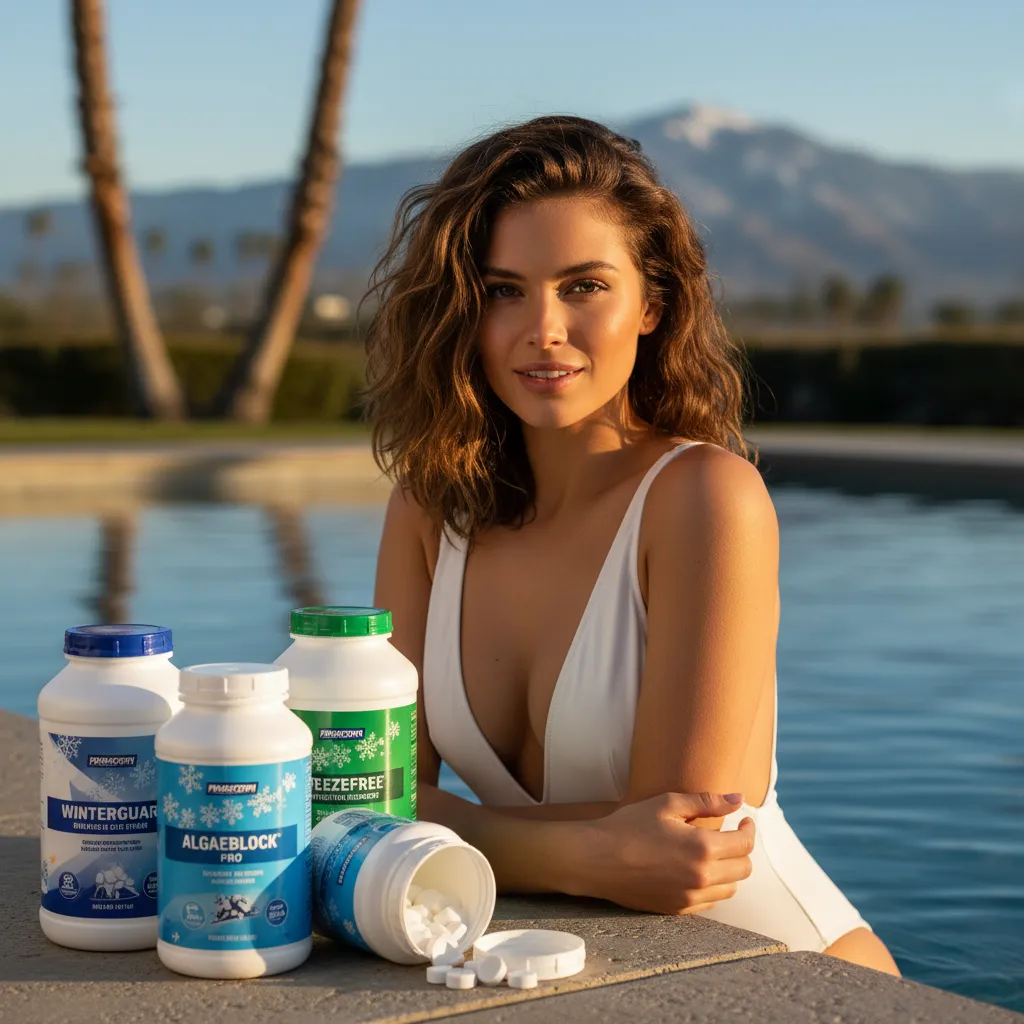
"The all-in-one solution for a guaranteed clear spring opening."
All-in-One Closing Chemical Kit
Winter demand is high - check stock

"The 'set & forget' option. This is the easiest winterizing I've ever done."
Simple 3-in-1 Winterizing Balls
Winter demand is high - check stock
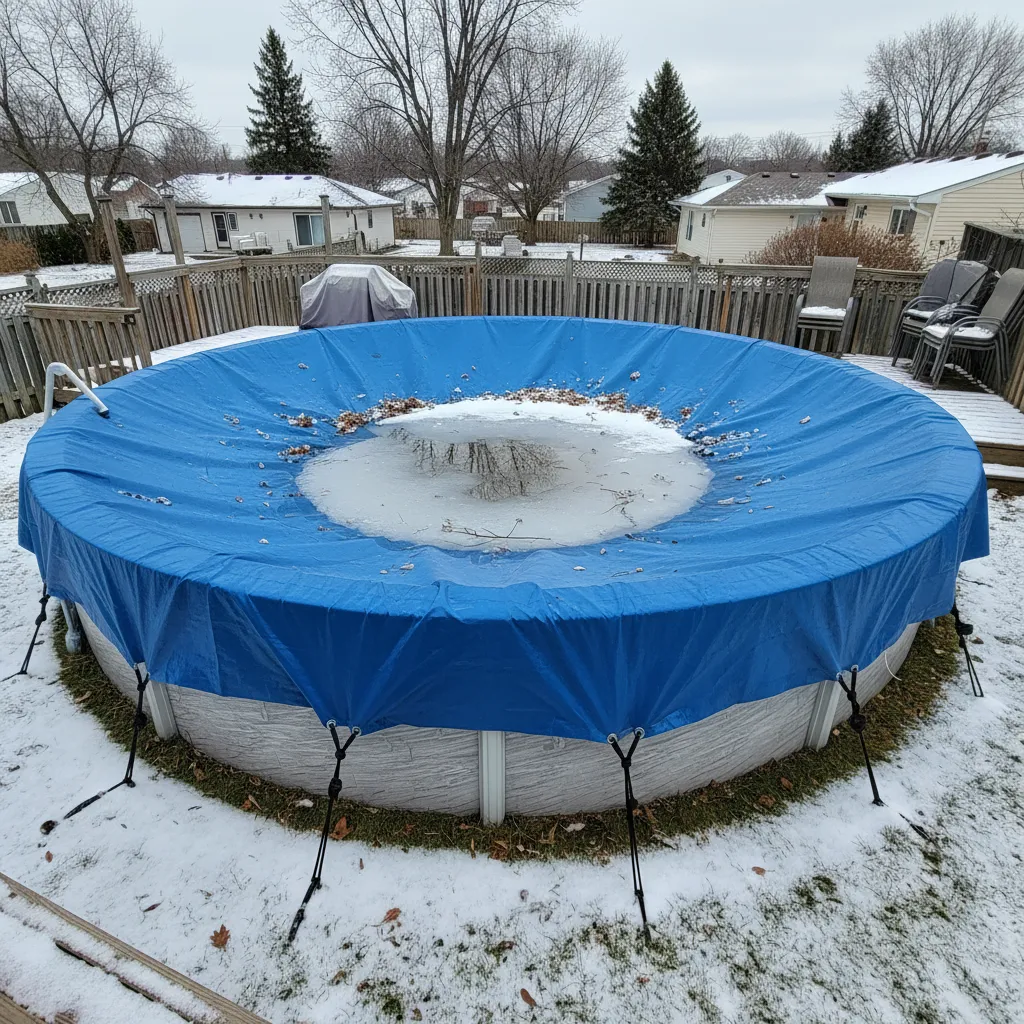
"Invest once to protect your liner and prevent a swamp in the spring."
Heavy-Duty Winter Pool Cover
Winter demand is high - check stock
Definition and Characteristics Of MRSA
MRSA thrives in warm, moist environments and spreads through direct skin contact or shared surfaces. It’s identifiable by red, swollen bumps resembling spider bites or boils, often accompanied by fever. The bacteria can survive for hours on pool decks, towels, or equipment, with studies showing viability for up to 48 hours on non-porous surfaces. Its resistance stems from the mecA gene, which alters antibiotic binding sites, rendering treatments ineffective.
Why MRSA Poses a Health Risk
MRSA infections escalate quickly, penetrating deep tissue and causing cellulitis, abscesses, or bloodstream infections. The CDC reports 323,700 hospitalizations yearly linked to MRSA, with treatment costs averaging $14,000 per case. In pools, open wounds or poor chlorine levels (below 1 ppm) create entry points for the bacteria. Once inside the body, MRSA’s resistance delays healing, requiring stronger antibiotics like vancomycin or daptomycin. Vulnerable groups, including children, seniors, or those with weakened immunity, face higher risks of severe complications.
With MRSA’s resilience in mind, let’s examine how pool environments influence transmission risks.
How MRSA Spreads in Pool Environments
While pool water itself isn’t the most common source of MRSA transmission, specific conditions can create risks. Factors like crowded spaces, shared equipment, or poor maintenance practices contribute to potential exposure. As people look for safe places to swim, hygiene practices become even more important. It’s essential to stay updated on whether Hancock Springs Pool is open and what measures are in place to keep everyone safe.
Common Routes Of MRSA Transmission
MRSA spreads through direct contact with infected skin, surfaces, or contaminated water. Shared pool toys, benches, or handrails may harbor the bacteria if not sanitized. Cuts, scrapes, or existing skin breaks increase vulnerability since MRSA enters through compromised barriers. Studies show MRSA survives up to 8 weeks on dry surfaces, but chlorinated water reduces viability.
Can You Get MRSA From Hot Tubs or Public Pools?
Hot tubs pose higher risks due to warmer water (98°F–104°F), which depletes chlorine faster. The CDC reports improper chemical balance in 71% of inspected public spas. Warm, stagnant water supports biofilm growth on jets or filters, shielding MRSA from disinfectants. Public pools with high traffic also face challenges maintaining consistent chlorine levels below 3 ppm, increasing contamination likelihood. Maintaining proper pool chemistry is essential for safety and cleanliness. Klean Strip muriatic acid can help adjust pH levels effectively in pools and hot tubs.
Preventing MRSA Infections in Swimming Pools
Reducing MRSA risks requires proactive steps from swimmers and facility operators. Hygiene and maintenance protocols form the first line of defense.
Avoid Swimming With Open Wounds or Skin Infections
Open sores, cuts, or active staph infections create entry points for MRSA. Cover wounds with waterproof bandages rated for swimming, like hydrocolloid dressings. Those with boils, abscesses, or impetigo should stay out of pools until healed.
Shower Before and After Pool Use
Pre-swim showers remove sweat, dirt, and bacteria from the skin. Post-swim rinsing eliminates residual pool chemicals and pathogens. Use antibacterial soap focusing on areas like the underarms, groin, or feet where MRSA thrives. Keeping your pool clean is essential to avoid issues, much like maintaining your pool liner. Wrinkles in a pool liner can create hidden spots for dirt and bacteria, potentially compromising water quality.
Maintain Proper Pool Hygiene Practices
- Never share towels, razors, or goggles
- Wash swimsuits in hot water (140°F+) after use
- Disinfect personal gear like floats with chlorine solutions
Also See: Are Clorox Pool Chemicals Good? Quick Insights
Pool Maintenance to Reduce MRSA Risks
Proper chemical management and cleaning routines minimize MRSA survival chances. Operators should follow CDC-recommended guidelines for public aquatic venues.
Balancing Pool Chemicals and Ph Levels
Free chlorine levels between 1–3 ppm (parts per million) effectively neutralize most pathogens. pH must stay within 7.2–7.8 to optimize chlorine’s potency. Test strips or digital meters should check levels twice daily during peak usage. Keeping these levels balanced is crucial for pool safety. Regular swimming in a well-maintained, shock-treated pool ensures a clean and enjoyable experience for everyone.
Regular Cleaning and Filtration Protocols
Filtration systems remove debris but require consistent upkeep. Sand filters need weekly backwashing, while cartridge filters demand monthly deep cleans. Automatic pool cleaners reduce biofilm buildup on floors and walls. Keeping the filtration system in good shape is essential for any pool type. Regular checks and maintenance are especially important for stainless steel pools to prevent corrosion and ensure longevity.
Scrubbing Pool Surfaces and Filters
Scrub tiles, ladders, and drains with NSF-certified cleaners to disrupt bacterial colonies. Soak removable parts in 10% bleach solutions weekly. Replace filter media every 2–5 years based on manufacturer guidelines. Keeping pools clean is essential for a great swimming experience. This is especially true when visiting the pool areas at Disney resorts, which offer fun for guests of all ages.
Replacing Pool Water Regularly
Drain and refill 5%–10% of pool water weekly to dilute contaminants. Complete water changes every 3–5 years prevent total dissolved solids (TDS) from exceeding 1,500 ppm, which diminishes sanitizer efficiency. Keeping your pool pump in good working order is also essential. If you’re looking to maintain your pump, you may need to disassemble the Hayward pool pump for thorough cleaning or repairs.
Symptoms and Treatment Of MRSA Infections
Early detection prevents severe complications. MRSA often mimics minor skin issues initially but progresses rapidly.
Recognizing MRSA Symptoms
- Red, swollen bumps resembling spider bites
- Pus-filled abscesses with yellow/white centers
- Fever over 100.4°F accompanying skin changes
Medical Treatment and Recovery Steps
Doctors culture infections to confirm MRSA. Oral antibiotics like Bactrim or doxycycline treat mild cases. Intravenous vancomycin addresses resistant strains. Incision and drainage procedures remove pus from abscesses. Recovery takes 7–14 days with proper wound care.
FAQs About MRSA and Swimming Pools
Addressing common concerns helps swimmers make informed decisions.
Can You Get a Skin Infection From a Pool?
Yes, though MRSA accounts for less than 2% of pool-related infections. More frequent issues include pseudomonas (hot tub rash) or molluscum contagiosum. Proper chlorination reduces but doesn’t eliminate all risks.
Is It Safe to Swim With a Staph Infection?
No. Active staph infections—even non-MRSA types—can spread to others. Wait until lesions fully heal and receive medical clearance.
How Long Can MRSA Live in Pool Water?
In properly chlorinated pools (1–3 ppm), MRSA survives under 60 minutes. Poorly maintained water allows survival for 24+ hours. Biofilms in filters or pipes extend viability to several days.
With prevention strategies covered, let’s examine final steps to safeguard your swimming experience.
Preventing MRSA Infections in Swimming Pools
Guarding against MRSA in pools starts with smart habits. Focus on three core steps to lower risks for all users.
Avoid Swimming With Open Wounds or Skin Infections
Breaks in the skin—like cuts, scrapes, or rashes—act as gates for MRSA. Stay out of the water if you have sores or fresh wounds. Cover healed areas with water-proof bandages (like Tegaderm) rated for 24-72 hour use. Public pools may deny entry if open wounds are visible.
Shower Before and After Pool Use
Rinse off for 60 seconds with soap before entering the pool. This removes germs from your skin. Post-swim, shower again to wash off pool water. Use a clean towel each time, and avoid sharing personal items like razors or washcloths. Keeping these hygiene tips in mind is essential for any public pool experience. At the South Point Pool, cleanliness and safety are top priorities to ensure a fun day for everyone.
Maintain Proper Pool Hygiene Practices
- Wash swim gear (suits, goggles) in hot water after each use
- Disinfect pool toys with a 10% bleach solution weekly
- Keep food, drinks, and diapers 6 feet from the water’s edge
Pool Maintenance to Reduce MRSA Risks
Clean water and gear are your best defense. Follow tested steps to keep pools safe.
Balancing Pool Chemicals and Ph Levels
Keep free chlorine at 1-3 ppm (parts per million) to kill germs. Test levels daily with strips or a digital meter. Balance pH to 7.2-7.8—too high (over 8), and chlorine stops working. Shock the pool weekly with 5-10 ppm chlorine if used heavily. Chlorine works best in the right conditions, and that’s where cyanuric acid helps protect chlorine from being broken down by sunlight, ensuring it lasts longer in the water.
Regular Cleaning and Filtration Protocols
Run filters 8-12 hours daily. Backwash sand or DE filters when pressure gauges rise 8-10 psi above normal. For cartridge filters, clean every 2-4 weeks.
Scrubbing Pool Surfaces and Filters
Brush walls and floors 2x weekly to stop biofilm buildup. Use a stainless steel brush for concrete pools, nylon for vinyl. Soak filter cartridges in a 1:10 muriatic acid solution yearly to dissolve grime. Keeping your pool clean not only helps with maintenance but also ensures a pleasant swimming experience. A clean dirt bottom pool can make the water look clearer and more inviting.
Replacing Pool Water Regularly
Swap 30% of the water each spring to lower total dissolved solids (TDS). For saltwater pools, check TDS monthly—drain if levels exceed 1,500 ppm over baseline.
Symptoms and Treatment Of MRSA Infections
Spotting MRSA early prevents severe issues. Act fast if signs appear post-swim.
Recognizing MRSA Symptoms
- Red, swollen bumps that feel warm
- Pus-filled blisters with yellow crust
- Fever over 100.4°F (38°C) with chills
Medical Treatment and Recovery Steps
Doctors may drain abscesses and prescribe antibiotics like Bactrim or Doxycycline. Finish all pills, even if symptoms fade. Cover wounds with dry gauze until healed. Wash bedding and clothes in hot water (140°F/60°C) to kill lingering germs.
While MRSA in pools is rare, knowing these steps helps swimmers stay safe. Next, we’ll tackle common questions about risks and best practices.
FAQs About MRSA and Swimming Pools
Can MRSA Spread Through Pool Water Without an Open Wound?
While open wounds significantly increase risk, MRSA can still enter through mucous membranes (eyes, nose) or microscopic skin abrasions. However, intact skin provides strong protection. Properly chlorinated water (1–3 ppm) neutralizes most bacteria before contact.
Are Saltwater Pools Safer Than Chlorinated Pools for MRSA Prevention?
Saltwater pools generate chlorine through electrolysis, maintaining similar disinfectant levels (1–3 ppm). Neither system inherently outperforms the other—safety depends on consistent chemical balance. Saltwater’s lower pH (7.2–7.6) may enhance chlorine efficacy slightly compared to traditional pools. This raises the question of how sanitary saltwater pools really are. Many people find them to be a clean and safe option for swimming.
What Immediate Steps Should You Take After Suspected MRSA Exposure?
- Shower thoroughly with antibacterial soap within 30 minutes
- Wash swimwear in hot water (140°F+) and dry on high heat
- Monitor for symptoms (redness, fever) for 7–10 days
- Consult a healthcare provider for culture testing if signs appear
Do Outdoor Pools Pose Lower MRSA Risks Than Indoor Facilities?
UV sunlight in outdoor pools breaks down organic matter and may reduce bacterial survival. However, CDC studies show infection rates correlate more closely with bather load and maintenance habits than pool type. Indoor pools often have stricter hygiene protocols, balancing the equation. Maintaining water quality is essential for safe swimming. One way to achieve this is through the calcium saturation index test, which helps ensure proper calcium levels in pool water.
Can Pool Testing Kits Detect MRSA Presence?
Standard home test kits measure chlorine/pH but not specific pathogens. Advanced PCR testing ($150–$300) can identify MRSA DNA in water samples. Public pools should follow CDC’s Model Aquatic Health Code guidelines, which include microbial testing for coliforms—a general hygiene indicator—not direct MRSA screening.
Closing Thoughts
While MRSA transmission in properly maintained pools is rare, understanding the risks helps keep swimmers safe. Chlorine at 1-3 ppm and balanced pH levels (7.2-7.8) significantly reduce bacteria survival rates. Open wounds remain the primary concern, with studies showing 10x higher infection risk when swimming with uncovered cuts.
Pool owners should prioritize regular maintenance – scrubbing surfaces weekly, replacing 10-15% of water monthly, and testing chlorine levels daily. Swimmers can protect themselves by showering before entering and avoiding shared towels. If you develop red, swollen skin after pool exposure, seek medical evaluation promptly.
For precise chemical balancing to combat pathogens like MRSA, try our free My Pool Calculator tool. It provides customized dosing recommendations based on your pool’s size, current readings, and local water conditions.
Useful References for You:
- ASTM International – Pool & Spa Standards
- Facts About MRSA and Swimming Pools.
- Survival of MRSA in swimming pools | Worms & Germs Blog
- Prevalence of MRSA as an Infectious Agent in Sanitary Swimming Pools and Jacuzzis – PMC
- Preventing Lice, Pinworms, and MRSA at the Pool | Healthy Swimming | CDC
A pool care geek who’s been testing water chemistry since she was tall enough to reach the skimmer.
Chlorine, Pool Chemistry, Sanitizers