Why Are So Many Gnats Dying in My Pool? A Pool Care Guide
Published on: December 15, 2025 | Last Updated: November 17, 2025
Written By: Rachael Weatherbottom
Finding a lot of gnats dying in your pool occurs when these pests are drawn to water, light, or algae and get trapped by chlorine or drown. Gnats, like fungus gnats or drain flies, mistake pools for breeding grounds but cannot survive contact with sanitizers. Dead gnats can clog filters, alter water chemistry, and create debris. Immediate solutions include skimming them daily, balancing chlorine levels between 1-3 ppm, and using pool covers to block access.
This guide breaks down why gnats swarm pools, how they die in the water, and what their presence means for your pool’s health. You’ll get actionable steps to stop infestations before they start, from fixing chemical imbalances to removing nearby standing water where gnats breed. We’ll also cover how to clear dead gnats efficiently without damaging equipment.
Explore proven methods like vacuuming debris, adjusting pH to 7.2-7.6, and using algaecides to eliminate organic matter that attracts pests. Learn why skimming alone isn’t enough for severe infestations and when to shock your pool with 10-30 ppm chlorine to restore clarity. Whether you’re tackling a seasonal swarm or recurring issues, these strategies keep your pool gnat-free.
Understanding Why Gnats Invade Pools
Gnats flock to swimming pools for reasons tied to their survival instincts. While seeing gnats floating in the pool might seem random, their presence stems from specific ecological triggers. Let’s explore the factors driving these pests toward your pool.
Crucial Winterizing Products
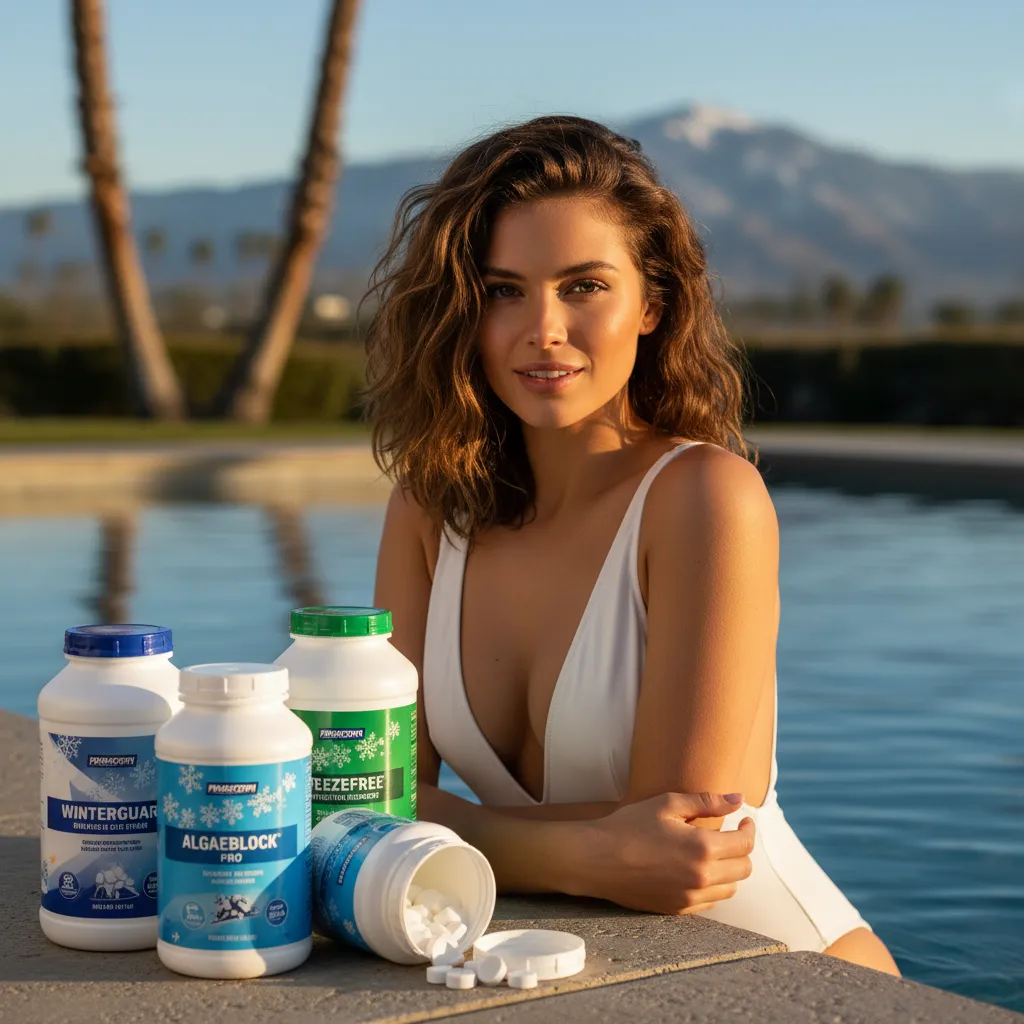
"The all-in-one solution for a guaranteed clear spring opening."
All-in-One Closing Chemical Kit
Winter demand is high - check stock

"The 'set & forget' option. This is the easiest winterizing I've ever done."
Simple 3-in-1 Winterizing Balls
Winter demand is high - check stock
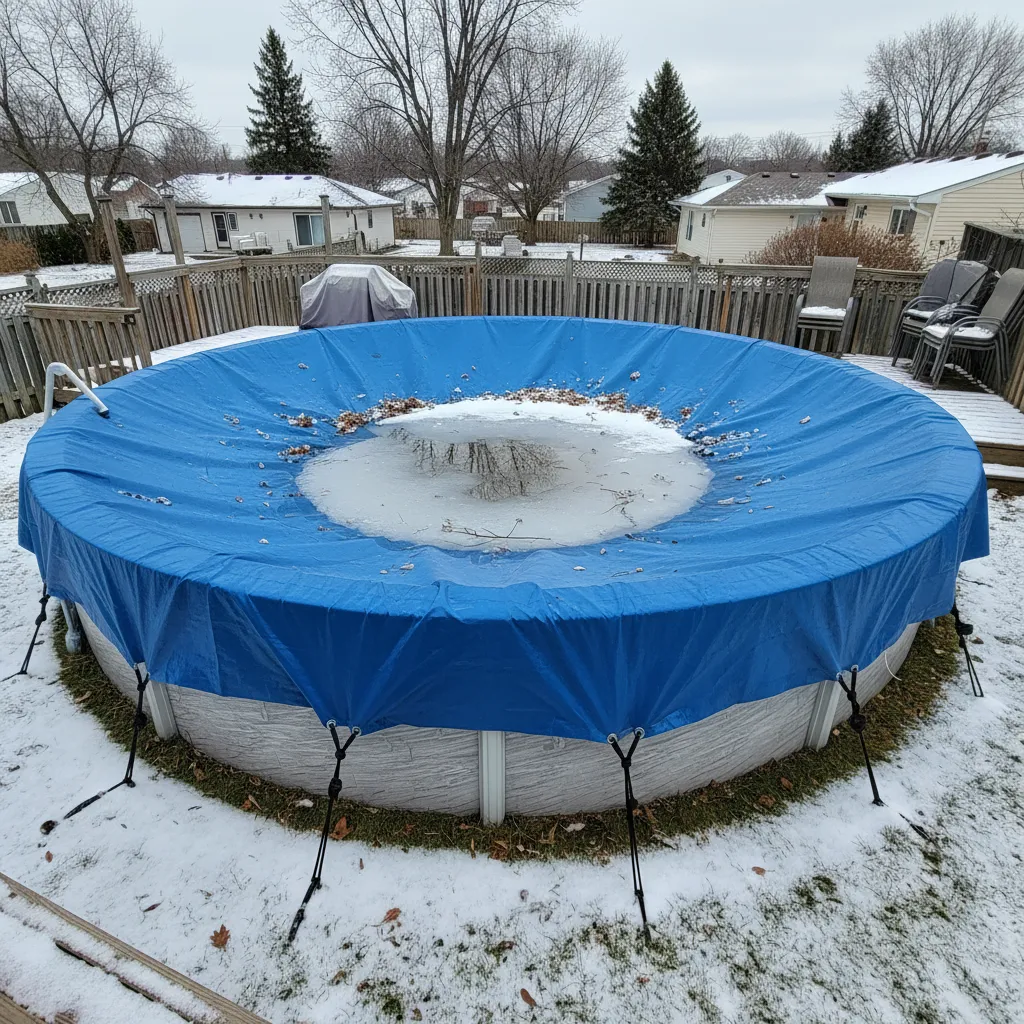
"Invest once to protect your liner and prevent a swamp in the spring."
Heavy-Duty Winter Pool Cover
Winter demand is high - check stock
Environmental Factors Attracting Gnats
Pools create microenvironments that mimic natural breeding grounds for gnats. Standing water in gutters, planters, or birdbaths near the pool draws them closer. Overwatered lawns or dense vegetation within 20-30 feet of the pool compound the issue. These conditions provide moisture for egg-laying while offering shelter from wind. Pool lights left on after dusk further pull gnats toward the water’s surface, where they become trapped. Switching to a saltwater pool can help reduce these pesky insects due to less standing water. Saltwater pools also have many benefits, such as lower maintenance costs and gentler water on the skin and eyes.
Gnat Behavior and Water Attraction
Gnats rely on water to complete their life cycles. Females seek still surfaces to deposit eggs, mistaking the pool’s reflective sheen for ponds or puddles. Their compound eyes detect polarized light bouncing off the water, triggering an instinct to land. Once on the surface, the tension of the water traps their delicate legs. Even brief contact with chlorine concentrations of 1-3 ppm can damage their exoskeletons, leaving them unable to escape.
Lifecycle Stages Leading to Pool Infestation
Gnat populations surge when eggs hatch into larvae within moist soil or decaying matter near the pool. Within 4-7 days, adults emerge, seeking new water sources. If larvae develop in nearby mulch or wet grass, newly matured gnats swarm toward the nearest body of water—often your pool. Chlorine disrupts their reproductive cycle by killing larvae before they reach maturity. This creates a cycle where dying adults accumulate while new ones continue to arrive.
With gnats in the pool linked to both their biology and your pool’s conditions, the next step is examining why these pests struggle to survive once they enter the water.
Why Gnats Die in Pool Water
Gnats die in pools due to a combination of chemical and physical factors. Their small size and attraction to water make them vulnerable to common pool conditions, leading to rapid mortality.
The Role Of Chlorine in Killing Gnats
Chlorine, a primary sanitizer in pools, disrupts gnat survival. At standard concentrations of 1–3 ppm (parts per million), chlorine damages their exoskeletons and respiratory systems. Fungus gnats, a common pool-invading species, are particularly sensitive to oxidizing agents like chlorine. Prolonged exposure dehydrates their bodies, causing death within minutes. High chlorine levels above 3 ppm accelerate this process, though balancing sanitizer levels remains critical for swimmer safety. Keeping pool chemistry in check is essential, and monitoring the salt level is part of that. Regularly checking the salt level helps maintain optimal chlorine production for effective sanitation.
Drowning and Physical Trapping
Gnats lack the strength to escape once submerged. Water tension traps them on the surface, while pool currents from pumps or skimmers pull them under. Unlike mosquitoes, gnats cannot lay eggs in moving water, but adults seeking moisture often mistake pools for safe hydration sources. Filter systems with fine mesh (100–150 microns) further trap carcasses, preventing escape and leading to accumulation.
Signs Of a Gnat Infestation in Your Pool
Persistent gnat activity around your pool often precedes visible infestations. Early detection helps mitigate larger issues with water quality or equipment strain.
Identifying Dead Gnats Floating in the Pool
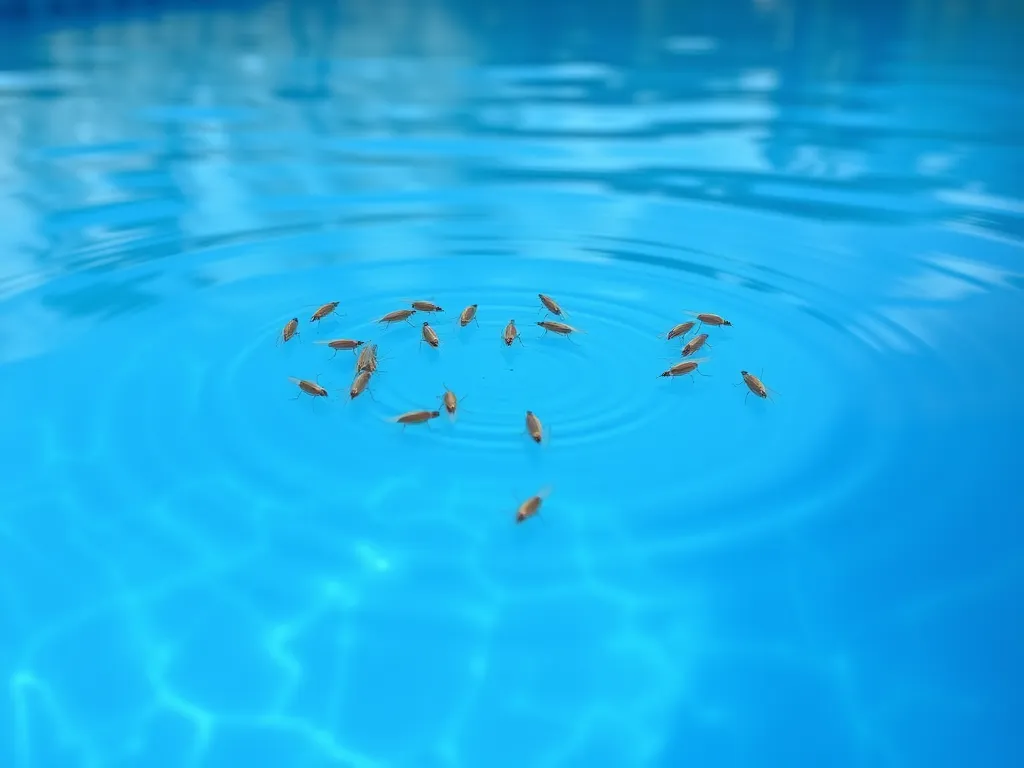
Dead gnats in swimming pools appear as tiny, dark specks clustered near skimmer baskets or floating in calm corners. Fungus gnats measure 1.5–3 mm long, with translucent wings often detached post-mortem. A sudden surge in carcasses—dozens per square foot—signals nearby breeding grounds, like overwatered lawns or decaying vegetation. To maintain a healthy pool environment, it’s essential to manage these pests. Regular testing with saltwater pool test strips can help ensure proper water chemistry and discourage gnats and other unwanted visitors.
Increased Gnat Activity Around the Pool Area
Swarming behavior at dusk or dawn near pool lights indicates an active infestation. Female gnats lay eggs in moist soil, and adults gravitate toward reflective surfaces like water. If hundreds of live gnats hover within 3–5 feet of the pool’s edge, check for standing water in plant saucers, clogged gutters, or compost piles within 30 feet of the pool deck. Maintaining pool hygiene is crucial for a pleasant swimming experience. Pool test kits can help ensure your water remains clean, but remember that they expire and may not provide accurate readings if used past their expiration date.
Spotting gnats in the pool daily? The next section explores how these pests impact filtration and water chemistry over time.
Transition Statement for Next Section: While dead gnats might seem harmless, their buildup can strain your pool’s ecosystem. Let’s examine how decomposing insects affect equipment and swimmer comfort.
Also See: Do Unused Pools Affect Mosquitoes? Learn the Facts
Impact Of Dead Gnats on Pool Maintenance
Dead gnats in your pool cause more than just a mess. Their small bodies create real problems for your pool’s health and your upkeep routine.
Clogged Filters and Reduced Efficiency
When gnats die in the pool, they often get pulled into the filter. Sand and cartridge filters can trap these bugs, but over time, layers of dead gnats slow water flow. A clogged filter works 20-30% less, forcing pumps to run longer. This strains the system and may add $50-$100 to your next power bill if not fixed fast. Keeping the filter clean is crucial for the overall health of your pool. A well-maintained filter can help extend the lifespan of your pool salt cell.
Water Quality Issues From Decomposing Gnats
Rotting gnats release oils and waste into the water. This feeds algae and bacteria, making pool water hazy. You might notice a sour smell or skin itch after swimming. Testing kits often show higher phosphate levels (above 100 ppb) when bugs decay, which can trigger green water blooms.
How to Prevent Gnats From Infesting Your Pool
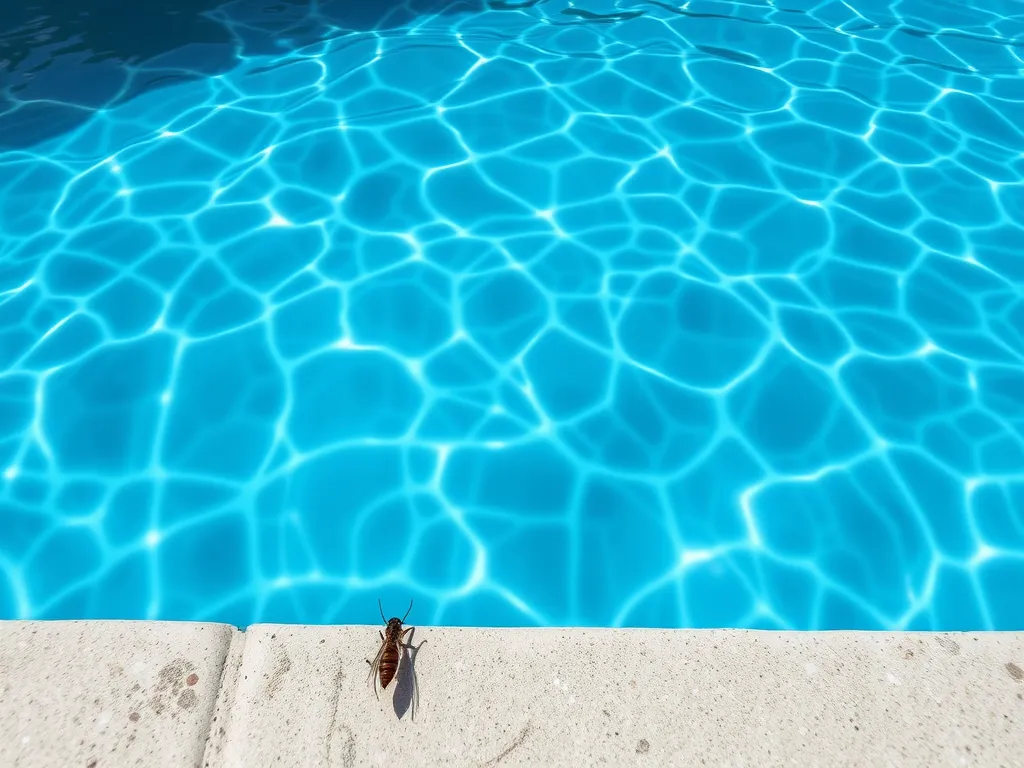
Stopping gnats before they reach the pool saves time and cash. Focus on three key steps to keep them away.
Maintaining Proper Pool Chemical Balance
Gnats hate balanced water. Test weekly and adjust these two levels:
pH Levels
Aim for 7.4-7.6 pH. Water outside this range (too acid or too basic) loses its bug-fighting power. Use pH increaser or decreaser in 1 lb doses per 10,000 gallons to fix shifts. Keeping the right pH level is important, especially when swimming. A swim shocked pool helps to ensure that the water remains safe and clear for everyone.
Chlorine Concentration
Keep free chlorine at 1-3 ppm. Below 1 ppm, gnats can lay eggs on the surface. Use 3-inch chlorine tabs in floaters to hold steady levels. Shock weekly with calcium hypochlorite (12.5% strength) if bugs swarm.
Using Pool Covers When Not in Use
A solid cover blocks 95% of gnats. Choose thick vinyl or thermal blankets—their tight seals leave no gaps. Covers also cut chlorine loss by 50%, saving $15-$20 monthly on chemicals.
Eliminating Standing Water Sources Nearby
Check for buckets, plant trays, or clogged drains within 30 feet of the pool. These hold stagnant water where gnats breed. Fill low spots in the yard with gravel and clean gutters every 2 weeks during wet months. Keeping your pool area clean and dry can help prevent other pests as well. To get rid of back swimmers in the pool, make sure to remove any debris on the water surface that could attract them.
Effective Methods to Remove Dead Gnats
Once gnats die in the pool, act fast to clear them. Quick removal stops stains and keeps filters working right.
Skimming Gnats From the Pool Surface
Use a fine mesh net (300-500 micron) each morning. Skim in figure-8 patterns to collect bugs without pushing them under. For heavy loads, add 2 oz of enzyme cleaner to break down bug oils before skimming.
Vacuuming Dead Gnats From the Pool Floor
Set your vacuum to “waste” mode to bypass the filter. Move slowly (1 foot per 5 seconds) to suck up sunken gnats. After vacuuming, top up the pool to replace lost water.
Shocking the Pool to Eliminate Contaminants
Boost chlorine to 5-10 ppm overnight using sodium hypochlorite shock. This kills gnat larvae and breaks down bug waste. Run the pump for 8 hours post-shock and avoid swimming until levels drop below 3 ppm. Keeping track of your pool’s chemical levels is essential for clear water. It’s important to measure pool chemicals regularly to maintain a safe swimming environment.
While these steps help clear dead gnats, knowing how chlorine works can boost your defense. Let’s break down its role in gnat control.
Does Chlorine Work to Kill Gnats in Pools?
Pool owners facing a gnat swarm often ask if standard pool chemicals can stop bugs. Chlorine acts as a strong tool against tiny invaders, but its impact on gnats depends on factors like concentration and contact time. Additionally, maintaining the right balance of chemicals is vital for overall pool health. This is where the relationship between chlorine and cyanuric acid becomes significant.
How Chlorine Impacts Gnat Survival
Chlorine attacks gnats in two ways: through direct toxicity and physical breakdown. At 1-3 parts per million (ppm), it disrupts cell membranes, drying out wings and bodies. Gnats landing on chlorinated water absorb this chemical through their cuticle, a waxy outer layer. This process slows mobility, making drowning likely within minutes. High pH above 7.8 reduces chlorine’s potency, allowing gnats to stay alive longer.
Best Chlorine Amounts to Stop Gnats
Maintaining 1-3 ppm chlorine is vital for gnat control. Below 1 ppm, adults can lay eggs or escape, while larvae might hatch in pool corners. For major infestations, a shock treatment of 5-10 ppm for 4-6 hours boosts results. Pair this with a pH of 7.2-7.6 to maximize chlorine activity. Test kits or digital strips should check levels daily during bug season.
- Daily goal: 1-3 ppm free chlorine
- Shock dose: 5-10 ppm (calcium hypochlorite)
- pH sweet spot: 7.2-7.6
Physical barriers work hand-in-hand with chemical tactics. Up next: how pool covers and landscaping changes can block gnats before they hit the water.
FAQs About Dead Gnats in Pools
Are Dead Gnats in the Pool Harmful to Swimmers?
While dead gnats themselves aren’t toxic, their decomposition can degrade water quality, leading to skin irritation or allergic reactions in sensitive individuals. Ensure chlorine levels stay at 1–3 ppm and skim debris promptly to minimize risks.
How Often Should I Clean My Pool to Prevent Gnat Buildup?
Skim the surface daily during peak gnat seasons, vacuum the pool floor weekly, and backwash/clean filters every 1–2 weeks. This routine prevents clogs and maintains water clarity. Keeping your pool clean is also important for preventing frogs from laying eggs. By managing the water and surrounding areas, you can discourage frogs from making your pool their home.
Do Gnats Lay Eggs in Pool Water?
Most gnats avoid chlorinated water for egg-laying, as chlorine kills larvae. However, poorly maintained pools with low sanitizer levels (below 1 ppm) might attract egg-laying females to stagnant corners or algae-covered surfaces.
Can Natural Remedies Like Vinegar Deter Gnats From Pools?
Vinegar traps placed near the pool may reduce adult populations, but they won’t eliminate infestations. For pool-safe solutions, use enzyme-based clarifiers to break down organic matter gnats feed on. If you’re also dealing with get rid of horse flies, it’s important to take additional steps. Keeping your pool area clean and using specific repellents can help get rid of horse flies too.
Why Do Gnats Keep Returning to My Pool Despite Cleaning?
Persistent infestations often stem from overlooked breeding sites nearby, like overwatered plants or clogged drains. Combine pool maintenance with yard inspections to remove standing water and trim dense vegetation. Proper chlorine levels in pools can also help control mosquito populations. A high chlorine fix can ensure your pool is not a breeding ground for these pests.
Final Thoughts on Managing Gnats in Your Pool
Dealing with gnats in your pool can be frustrating, but understanding their behavior and implementing preventive measures makes a difference. Proper chemical balance, regular skimming, and eliminating nearby breeding grounds reduce infestations. Dead gnats affect water quality and equipment, so staying proactive keeps your pool clean.
For precise chemical adjustments, use My Pool Calculator to maintain ideal chlorine and pH levels. A well-balanced pool deters pests while keeping swimmers safe. Covering the pool when unused and addressing standing water nearby further minimizes gnat attraction.
Consistent maintenance is key—skimming daily, shocking weekly, and vacuuming debris prevents buildup. With these steps, your pool stays gnat-free and inviting all season.
Additional Resources for You:
- Lowry, R. (2018). Pool Chemistry for Service Pros: The Ultimate Guide to Water Balance. Laguna Hills, CA: Pool Chemistry Training Institute.
- Gnats or something in pool surface water – Swimming Pool Help
- How to Control Gnat Infestation in Backyard | Orkin
- Weapons of Gnat Destruction: A Guide to Killing Fungus Gnats – Learning with Experts
- Solution to stop gnats, tiny black flies floating in pool ?? | Trouble Free Pool
A pool care geek who’s been testing water chemistry since she was tall enough to reach the skimmer.
Pool Cleaning & Maintenance, Routine Care, Skimming & Debris Removal