Are Vinyl Pools Good? Evaluating Pros, Cons & Value
Published on: December 24, 2025 | Last Updated: November 17, 2025
Written By: Marcus Thornfield
Vinyl pools are a popular residential choice, using a flexible waterproof liner anchored to a steel, polymer, or composite frame. These pools cost $25,000-$45,000 initially—30-50% less than concrete or fiberglass options—and come in custom shapes with smooth, non-porous surfaces that deter algae. Drawbacks include liner vulnerability to punctures from sharp objects or pool toys, requiring replacements every 7-15 years at $3,000-$5,000 per install. While their 10-20 year lifespan trails behind fiberglass (25+ years) and concrete (50+ years), vinyl balances upfront savings with design flexibility for mid-range budgets.
This guide examines vinyl pools’ cost-effectiveness over time, comparing 10-year ownership expenses against other materials. We break down installation processes, liner durability factors, and maintenance routines that prevent premature wear. Detailed charts show how vinyl’s $1,200-$1,800 annual upkeep costs stack up against fiberglass ($800-$1,500) and concrete ($2,500-$4,000).
Explore design options like built-in benches, tanning ledges, and mosaic patterns available with modern liners. Learn how UV-resistant finishes combat fading and why proper water chemistry (pH 7.2-7.8, alkalinity 80-120 ppm) prevents liner brittleness. We’ll also reveal strategies to avoid common issues like wrinkles, leaks, and winter damage—plus expert tips to maximize your pool’s lifespan and resale value.
What Are Vinyl Pools?
Vinyl pools feature a flexible liner made from polyvinyl chloride (PVC) or reinforced polymer materials, stretched over a pre-formed structure. These pools rank as the second most popular inground option in the U.S., offering a middle ground between budget-friendly above-ground models and high-end concrete or fiberglass designs. Their construction relies on precise engineering to balance durability with adaptability. Beneath the surface, the unique features of vinyl pools allow for various designs. This makes them a great choice for creating a special atmosphere under the pool water.
Crucial Winterizing Products
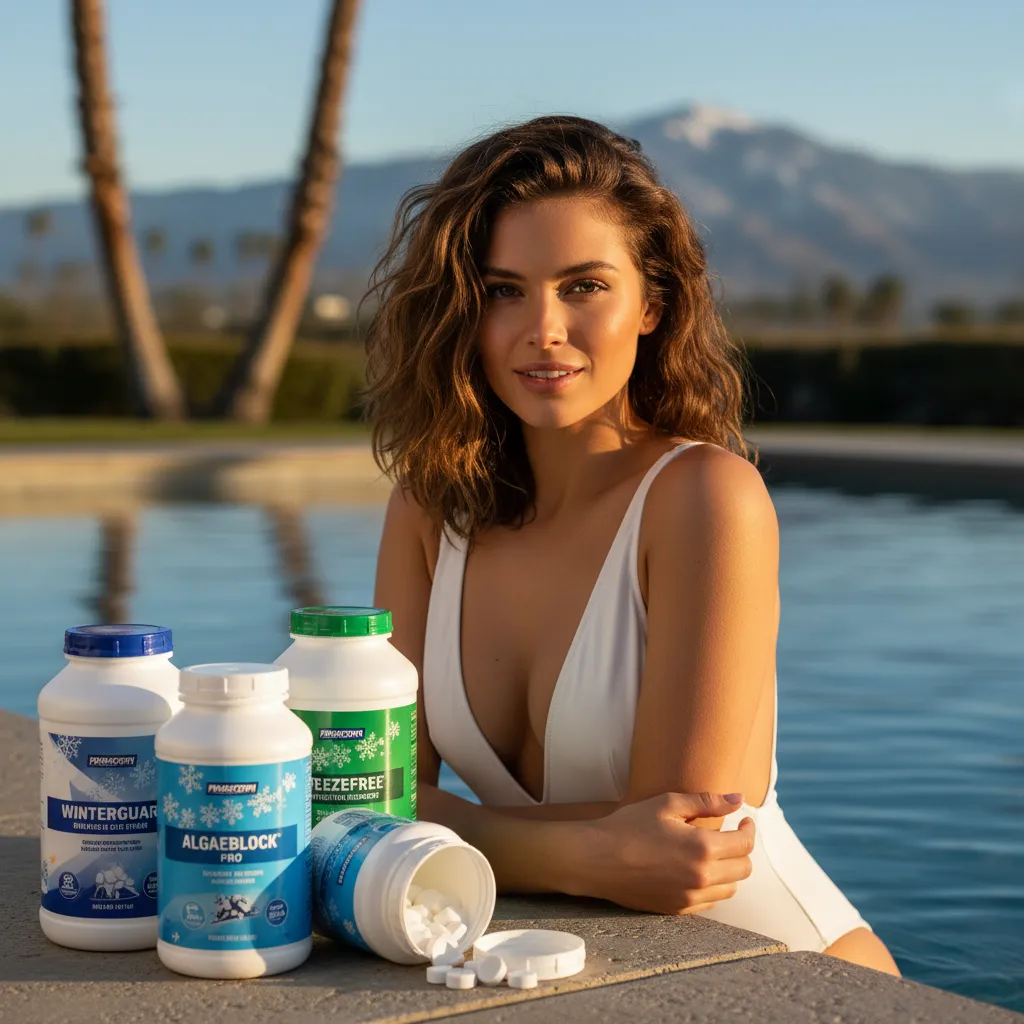
"The all-in-one solution for a guaranteed clear spring opening."
All-in-One Closing Chemical Kit
Winter demand is high - check stock

"The 'set & forget' option. This is the easiest winterizing I've ever done."
Simple 3-in-1 Winterizing Balls
Winter demand is high - check stock
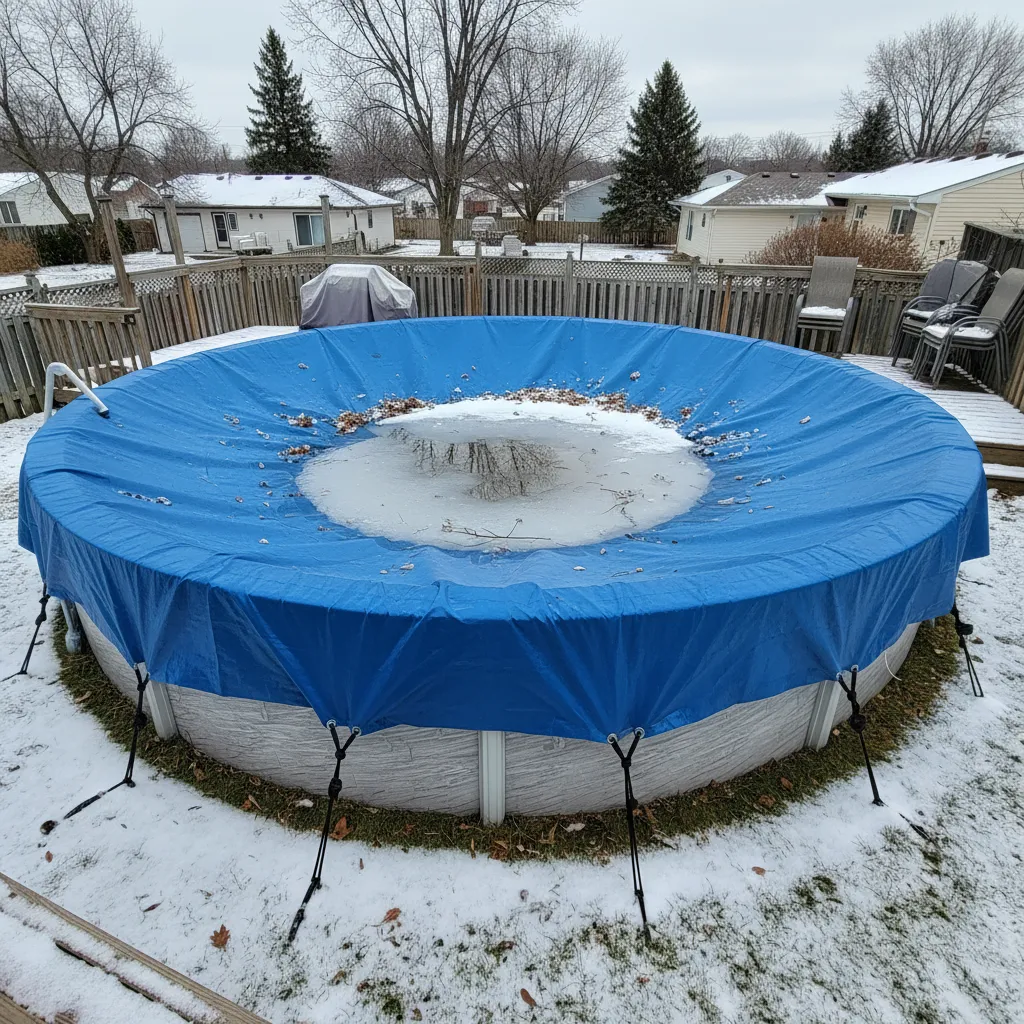
"Invest once to protect your liner and prevent a swamp in the spring."
Heavy-Duty Winter Pool Cover
Winter demand is high - check stock
Basic Structure and Components
A vinyl pool’s framework typically combines steel, polymer, or concrete walls with vertical braces for support. The liner—ranging from 20-30 mil thickness—snaps into an aluminum or plastic track (called a coping strip) along the pool’s edges. A sand or concrete base cushions the liner, while steps and benches get molded directly into the vinyl or built with separate panels. Key parts like skimmers and returns get cut into the liner post-installation.
Common Uses in Pool Care
Vinyl liners excel in residential settings where owners prioritize customization and comfort. Their non-porous surface resists mineral scaling, simplifying pH balance management compared to concrete. Many installers recommend them for irregularly shaped yards since they adapt to curves without expensive forming work. Repair teams frequently patch small tears with vinyl-specific kits, avoiding full replacements for minor damage.
Next, we’ll break down how these structural traits translate to real-world benefits and limitations for pool owners.
Pros and Cons Of Vinyl Liner Pools
Vinyl liner pools offer unique benefits and challenges that impact their suitability for different homeowners. Let’s explore their strengths and limitations in detail.
Key Advantages Of Vinyl Pools
Vinyl pools stand out for their accessibility and user-friendly features. These qualities make them a popular choice for budget-conscious families and design-focused buyers alike.
Affordability and Lower Initial Cost
Vinyl pools typically cost $35,000–$65,000 for inground installations, significantly less than fiberglass ($45,000–$85,000) or concrete ($50,000–$100,000). The prefabricated liner system reduces labor and material expenses, making them 20–40% cheaper upfront than other materials. Lower excavation requirements and faster installation (3–6 weeks) further cut initial costs. Once installed, filling the pool with water is an important step. Hiring a water truck can affect the overall cost of getting your pool ready for use.
Design Flexibility and Custom Shapes
Unlike pre-molded fiberglass shells, vinyl liners adapt to freeform designs, kidney shapes, or geometric layouts. Custom depths (up to 8 feet) and integrated features like built-in steps or benches are achievable without the structural constraints of rigid materials. This versatility suits irregular yards or homeowners seeking unique poolscapes.
Comfort and Smooth Surface
The non-porous vinyl surface feels softer underfoot than concrete’s rough texture and resists heat absorption better than fiberglass. With a surface temperature 10–15°F cooler than plaster in direct sun, vinyl reduces foot discomfort and minimizes slips due to its lightly textured finish.
Major Drawbacks to Consider
While vinyl pools excel in affordability and comfort, they demand careful maintenance and long-term budgeting to address inherent vulnerabilities.
Susceptibility to Rips and Tears
Vinyl liners average 20–30 mil thickness, making them prone to punctures from sharp objects, pet claws, or improper cleaning tools. Small tears can escalate into full liner failure if unrepaired, costing $300–$800 per repair. Protective measures like pool pads or avoiding abrasive brushes are necessary to prevent damage.
Liner Replacement Costs Over Time
Every 10–15 years, vinyl liners require replacement at $3,000–$5,000, including labor and materials. Factors like UV exposure, chemical imbalances, or water pressure changes accelerate wear. Homeowners should budget $200–$400 annually as a sinking fund for eventual replacement.
Potential for Algae Growth
Though non-porous, vinyl’s seams and wrinkles trap debris, creating micro-environments for algae. Maintaining 1–4 ppm chlorine and 7.2–7.8 pH is critical, as imbalances degrade liners and foster microbial growth. Weekly brushing and algaecide treatments help mitigate risks. To ensure the longevity of pool lines, regular inspections are necessary. One important practice is to pressure test pool lines to identify any leaks or weaknesses.
Vinyl Pools Vs. Fiberglass and Concrete
Choosing between pool materials depends on priorities like durability, aesthetics, and lifetime costs. Here’s how vinyl stacks up against fiberglass and concrete.
Durability Comparison
Fiberglass resists cracks and stains for 25–30 years, while concrete lasts 20–25 years with replastering every 10–15 years. Vinyl liners, averaging 10–15 years, require more frequent replacements but avoid structural issues like fiberglass blistering or concrete’s inevitable cracking.
Cost Differences Over Time
Vinyl’s lower upfront costs contrast with long-term liner replacements. A 20-year ownership period might cost $55,000–$75,000 for vinyl (including one replacement), versus $60,000–$90,000 for fiberglass and $80,000–$130,000 for concrete (factoring in acid washes and replastering).
Installation Complexity
Vinyl requires precise measurements for custom liners but installs faster (2–4 weeks) than concrete (3–6 months). Fiberglass shells drop into pre-dug holes in 1–3 weeks but limit design options. Improper vinyl installation risks wrinkles or leaks, demanding experienced contractors.
Aesthetic Options Across Materials
Vinyl liners offer printed patterns mimicking tile or stone, but designs fade over 5–7 years. Concrete allows fully customizable finishes like pebbletec or glass tiles, while fiberglass provides glossy, fade-resistant surfaces in limited color options. Vinyl’s aesthetic flexibility diminishes with time compared to permanent materials.
While material choice shapes your pool experience, the financial implications require careful analysis. Let’s break down the numbers behind vinyl pool ownership.
Also See: Can You Power Wash a Pool Liner? Here’s What to Know
Cost Analysis Of Vinyl Liner Pools
Vinyl pools strike a balance between upfront cost and long-term value. Let’s break down where your money goes.
Initial Installation Expenses
Vinyl liner pools cost $35,000-$65,000 for full installs. This beats fiberglass ($45k-$85k) and concrete ($50k-$100k). Price depends on pool size, site slope, and add-ons like steps or lighting. A basic 16×32-foot pool starts near $28,000 with standard walls and a 20-mil liner. Keeping pools clean is essential, and many owners explore different methods. One option is using hydrogen peroxide, as it can effectively lower chlorine levels while still maintaining water clarity.
| Feature | Vinyl Cost Range |
|---|---|
| Excavation | $5k-$15k |
| Steel/Polymer Walls | $8k-$20k |
| Standard Liner | $3k-$7k |
Long-term Maintenance Costs
Yearly upkeep runs $500-$800 for vinyl pools. You’ll spend less than concrete (no acid washes) but more than fiberglass. Key costs:
- Chemicals: Keep pH 7.2-7.8; alkalinity 80-120 ppm
- Cleaning: Use soft brushes to avoid liner scrapes
- Winterizing: $150-$300 for closing services
Vinyl Liner Replacement Pricing
Plan to swap liners every 7-12 years. Replacement costs $3,000-$5,000 including labor. Thicker 28-mil liners last longer but add 15-20% to the price. Custom shapes (like kidney or L-designs) cost 25% more than standard rectangles.
Vinyl Pool Installation Process
Vinyl pools take 4-6 weeks to install versus 3-5 months for concrete. Here’s how crews build them:
Site Preparation and Measurements
Teams dig the hole 6-12 inches wider than the pool’s planned size. Laser tools check depth to within 1/4 inch. A 6-inch sand base gets packed down to cushion the liner.
Liner Placement and Sealing
Liners arrive folded – pros unfold them on sunny days (60°F+) for better stretch. Vacuum seals remove air pockets between liner and walls. Seams get heat-welded, and coping strips lock edges in place.
Filling and Final Adjustments
Fill the pool at 1-2 inches per hour. Crews smooth wrinkles as water rises, using soft brooms. After 24 hours, they trim excess liner and secure the top track.
Design Flexibility and Aesthetic Options
Vinyl pools offer more looks than most expect. New tech lets liners mimic tile, stone, or even beach entries.
Custom Shapes and Sizes
Choose free-form curves, Roman ends, or sport pools (shallow ends on both sides). Depth ranges from 3.5-8 feet. Built-in benches or tan ledges add $1k-$3k.
Color and Pattern Choices
Top brands like Latham and Merlin offer 50+ designs. Light blue liners make water glow; dark gray creates a lagoon vibe. New digital prints add mosaic tiles or stone borders without seams.
Texture and Finish Varieties
Textured liners (like PebbleTek or Reef) hide small scrapes. Gloss finishes reflect light but show more dirt. Most liners now have UV blockers to fight fading for 10+ years.
Next up: How to care for your vinyl pool to make it last.
Maintenance Requirements for Vinyl Pools
Vinyl pools demand specific care routines to keep the liner intact and water quality optimal. Proper maintenance extends the life of the liner while reducing repair costs.
Routine Cleaning Best Practices
Weekly skimming with a leaf net removes debris before it settles. Use a soft-bristle brush to gently scrub walls and floors twice weekly—abrasive tools can scratch the surface. Automatic cleaners with vinyl-friendly wheels prevent liner tears. Vacuuming every 7–10 days stops algae-friendly dirt buildup.
Chemical Balance Management
Keep pH between 7.2–7.6 to avoid liner brittleness or discoloration. Stabilize alkalinity at 80–120 ppm to buffer pH swings. Chlorine levels above 3 ppm may fade patterns, while levels below 1 ppm risk algae. Test water 2–3 times weekly using kits calibrated for vinyl surfaces. Add chemicals slowly near return jets to prevent concentrated contact with the liner. Proper maintenance is crucial for enjoying a great pool experience. At Harrah’s New Orleans, the pool area offers a relaxing escape and pristine waters for guests to enjoy.
Preventing Liner Damage
Trim nearby trees to limit fallen branches. Install a mesh safety cover to block sharp objects. Maintain water levels within 3 inches of the pool’s midpoint to avoid overstretching. Avoid sharp-edged toys or pool accessories. Patch minor punctures immediately with vinyl repair kits ($15–$30) to prevent tears from expanding. Keeping your pool in top shape includes checking for leaks in the filter. Repairing a leaking pool filter can save water and improve filtration efficiency.
Longevity and Durability Concerns
Vinyl liners face unique wear factors compared to concrete or fiberglass. Proactive care directly influences how long they last.
Average Lifespan Of Vinyl Liners
Most liners last 10–15 years. Thicker 20–30 mil liners may reach 15 years with meticulous care, while thinner 15–20 mil options often need replacement after 8–12 years. Harsh climates or heavy usage can shorten this by 2–4 years. Taking care of your pool equipment is just as important. A well-maintained sand pool filter can last 5-10 years before needing a replacement.
Factors Affecting Liner Longevity
UV exposure fades colors and weakens material over time. Imbalanced chemicals erode the plasticizer layer, causing brittleness. Poor installation leaves wrinkles that strain seams. Freeze-thaw cycles in colder regions may cause contraction cracks. Pets or sharp objects account for 60% of premature liner replacements.
Signs It’s Time for Replacement
Fading beyond 30% of the original color indicates UV damage. Leaks that persist after patching suggest widespread seam failure. Visible wrinkles that resist smoothing often signal stretched-out material. A chalky texture underfoot means the liner has lost its protective coating.
Resale Value Of Vinyl Liner Pools
Homebuyers often weigh a pool’s material when assessing property value. Vinyl pools present unique considerations in real estate markets.
Impact on Home Value
Vinyl pools typically add $10,000–$25,000 to home value—less than fiberglass ($15,000–$35,000) or concrete ($20,000–$50,000). Buyers may deduct $5,000–$10,000 if the liner is over 8 years old, anticipating replacement costs. When considering the value of a pool, it’s also important to think about the costs related to pool inspection costs. Pool inspection costs can vary, but they are an essential part of maintaining a safe and valuable pool.
Buyer Perceptions and Preferences
35% of buyers view vinyl pools as “budget-friendly” but less luxurious. Custom shapes and modern prints attract families seeking kid-safe surfaces. Concerns focus on long-term costs: 55% negotiate lower offers if the liner’s age exceeds 7 years.
Cost Vs. Value Over Time
A $45,000 vinyl pool might boost resale by $18,000 after 5 years, assuming a new liner. After 12 years, the same pool could contribute just $8,000–$12,000 due to anticipated $4,000–$8,000 replacement expenses. Regular upkeep records help justify higher appraisals. This is important when considering a small inground pool cost. Knowing the potential resale value can help you plan your budget for a small inground pool cost.
While vinyl pools offer upfront savings, their long-term value depends on proactive care and market trends. Next, let’s explore common operational challenges owners face with these systems.
Common Problems With Vinyl Pools
Vinyl liner pools offer unique benefits but come with distinct challenges. Addressing these issues early can save time, money, and frustration while maintaining your pool’s performance. Similarly, fiberglass pools have their own set of concerns. One common question is whether fiberglass pools crack over time.
Leak Detection and Repair
Vinyl liners develop leaks from punctures, seam splits, or wear near steps and fittings. Common culprits include sharp debris, pet claws, or ground shifting. Use dye tests or electronic leak detectors (devices that identify water movement) to locate tears. Small holes under 1/4 inch can be fixed with vinyl patches ($10-$30 per kit), while larger rips may require partial liner replacement ($200-$500). Ignored leaks lead to water loss (up to 2 inches daily), imbalanced chemicals, or even structural damage in severe cases.
- Prevent leaks: Trim nearby trees, avoid abrasive cleaners, inspect seams annually
- Repair urgency: Fix tears within 48 hours to prevent liner separation
Dealing With Wrinkles and Stretching
Wrinkles form from temperature swings, uneven water pressure, or installation errors. These creases aren’t just cosmetic—they trap debris, promote algae growth, and stress the liner’s seams. For minor cases, lower the water level to 6 inches below the wrinkle, then use a pool plunger to smooth the area. Stubborn wrinkles might need a professional heat treatment ($150-$400) to relax the vinyl. Prevent stretching by maintaining stable water levels and avoiding sudden temperature changes. Proper maintenance of the pool can also help manage problems like remove urine pools. Taking steps to remove urine pools is essential for keeping your pool clean and safe for swimmers.
- Installation tip: Ensure the sand or foam base is perfectly level
- Climate factor: Liners expand up to 3% in heat, requiring slack during installation
Fading and Surface Discoloration
UV rays, chlorine levels above 3 ppm, and metal stains cause vinyl liners to fade or turn blotchy. Darker colors fade faster, losing up to 40% vibrancy in 5-7 years. Prevent damage by using a UV-resistant liner (20+ mil thickness), balancing pH between 7.2-7.6, and adding a liquid solar cover during peak sunlight. For existing discoloration, try stain-specific treatments like ascorbic acid for metals or enzyme-based cleaners for organic marks ($20-$60 per treatment).
- Lifespan boost: Rotate pool furniture to prevent uneven fading
- Avoid scrubbing: Stiff brushes create micro-tears that accelerate wear
While addressing these common issues can extend your pool’s lifespan, many owners still have questions about vinyl liner maintenance—let’s tackle those next.
Frequently Asked Questions
Can Vinyl Pools Be Heated Without Damaging the Liner?
Yes, vinyl pools can safely use gas, electric, or solar heaters. Maintain water temperatures below 104°F to prevent liner warping or seam stress. Heat-resistant liners (30+ mil thickness) are recommended for frequent heating, as standard liners may degrade faster under thermal expansion.
How Does Winterizing a Vinyl Pool Differ From Other Pool Types?
Vinyl requires water level adjustment to 4-6 inches below skimmers to prevent ice damage. Use air pillows under the cover to absorb ice pressure, and add antifreeze to plumbing lines. Avoid draining completely, as empty vinyl liners can shrink or crack in freezing temps.
Are Saltwater Systems Compatible With Vinyl Pools?
Yes, but salt concentrations must stay between 2,500-3,500 ppm. Higher levels accelerate corrosion of metal components and may fade liner patterns. Use salt-resistant equipment like titanium heat exchangers and polymer pumps to extend system longevity.
Can You Add Water Features to Vinyl Pool Designs?
Waterfalls, fountains, and deck jets can be integrated during installation. Retrofits require careful liner cutting and reinforced plumbing connections. Opt for spillover features with soft edges to avoid sharp contact points that could puncture the liner.
What Warranties Do Vinyl Liner Manufacturers Typically Offer?
Most manufacturers provide 10-25 year prorated warranties against seam failure and material defects. Full replacement coverage usually lasts 3-5 years, with diminishing reimbursement rates. Exclusions often include pet damage, chemical burns, and improper installation.
How Do Vinyl Pools Handle Ground Shifting or Settlement?
Properly installed vinyl pools with compacted sand bases and flexible polymer walls can tolerate minor ground movement. Significant settling may cause liner wrinkles or track separation. French drains and proper site grading during installation help mitigate these risks. When discussing the aesthetics of backyard pools, installation quality becomes an important factor. Many people wonder if above ground pools are seen as trashy due to their appearance and the way they’re integrated into outdoor spaces.
Are Eco-friendly Vinyl Pool Options Available?
New recycled vinyl liners (30-50% post-consumer material) and energy-efficient variable-speed pumps reduce environmental impact. Solar-powered heating systems and cartridge filters (which use 80% less water than sand filters) pair well with vinyl pool setups.
Final Verdict: Are Vinyl Pools Worth It?
Vinyl liner pools offer a budget-friendly entry point for homeowners, with installation costs averaging $35,000–$65,000—significantly lower than concrete or fiberglass. Their smooth surfaces and custom design options make them appealing for families prioritizing comfort and aesthetics. But liner replacements every 7–15 years add $3,000–$5,000 per cycle, impacting long-term value.
For those seeking low-maintenance alternatives, fiberglass may prove more durable. Concrete offers unmatched customization but demands higher upkeep. Vinyl excels when balanced against initial investment, provided owners monitor pH levels (7.2–7.8 ideal) and avoid abrasive cleaning tools.
Explore detailed cost breakdowns and maintenance guides on My Pool Calculator to model your specific scenario. The right choice hinges on budget, climate, and how you plan to use your pool.