Can You Use Pool Shock in a Hot Tub? (and Shock in a Pool Without a Pump)
Published on: March 1, 2026 | Last Updated: November 17, 2025
Written By: Rachael Weatherbottom
Pool shock should not be used in hot tubs due to its high chlorine concentration and harsh additives, which can damage components and irritate skin. Hot tubs require lower chemical levels and gentler formulas like sodium dichlor or non-chlorine shock. Similarly, shocking a pool without a pump risks uneven chemical distribution and ineffective sanitization, though manual stirring or partial pump use can help temporarily. Always test water before and after treatment to avoid pH spikes or equipment corrosion.
This article explains why pool shock formulas differ from hot tub-specific products and how improper use impacts water chemistry. You’ll learn the risks of calcium hypochlorite (common pool shock) in acrylic tubs, how jet settings affect chemical dispersal, and emergency steps if pool shock is your only option. We’ll also break down why pumps matter for pool shocking and alternatives for broken systems.
Beyond that, we cover bromine-based shock compatibility, ideal wait times before using your tub post-treatment, and product recommendations for small-volume systems. Whether you’re troubleshooting cloudy water or planning maintenance without full equipment access, these guidelines help balance safety with practical solutions.
What is Pool Shock?
Pool shock is a concentrated chemical treatment designed to rapidly sanitize swimming pools by eliminating organic contaminants. It oxidizes bacteria, algae, and chloramines (combined chlorine) that cause cloudy water or strong odors. Most formulas contain high levels of chlorine or non-chlorine oxidizers to break down waste and restore water clarity. Using a pool oxidizer is essential for maintaining a clean and safe swimming environment. Regularly adding oxidizers helps keep your pool water free from harmful impurities.
Crucial Winterizing Products
"The all-in-one solution for a guaranteed clear spring opening."
All-in-One Closing Chemical Kit
Winter demand is high - check stock

"The 'set & forget' option. This is the easiest winterizing I've ever done."
Simple 3-in-1 Winterizing Balls
Winter demand is high - check stock
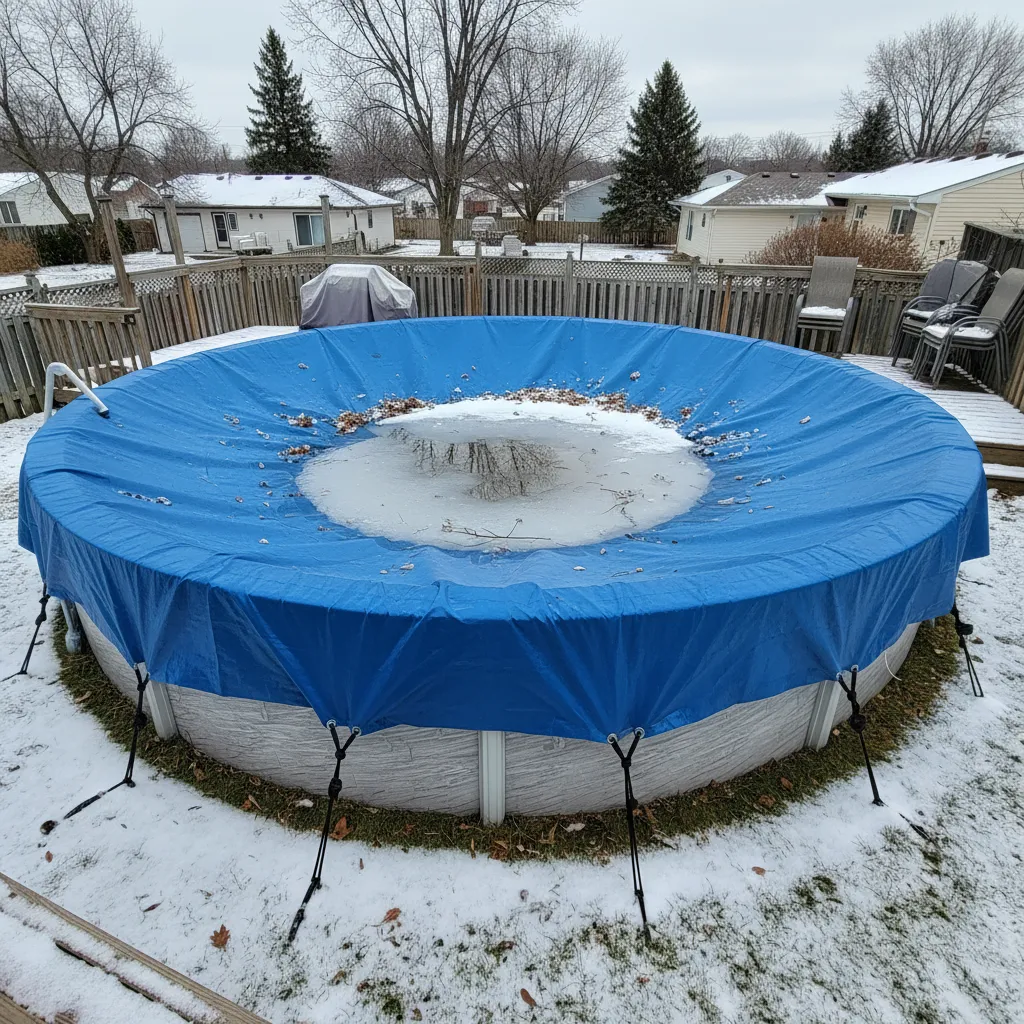
"Invest once to protect your liner and prevent a swamp in the spring."
Heavy-Duty Winter Pool Cover
Winter demand is high - check stock
Definition and Primary Uses in Pool Care
In pool care, “shocking” refers to raising chlorine levels to 5-10 ppm for a short period to tackle severe contamination. This process is critical after heavy rainfall, algae blooms, or when chlorine demand spikes. Pool shock works best in large water volumes where dilution prevents damage to surfaces or equipment. It’s not formulated for the smaller, heated environments of hot tubs, which require gentler treatments.
Types Of Pool Shock (Calcium Hypochlorite, Dichlor, Etc.)
Pool shocks fall into two main categories: chlorine-based and non-chlorine. Calcium hypochlorite (65-75% chlorine) is a granular option requiring pre-dissolving to avoid bleaching pool liners. Dichlor (55-62% chlorine) contains cyanuric acid to stabilize chlorine but adds cyanuric acid levels over time. Non-chlorine shocks like potassium monopersulfate work without raising chlorine but lack algae-killing power. These formulas are tailored for pools holding 10,000+ gallons, not the 200-500 gallons typical of hot tubs.
With the basics covered, let’s examine why using pool shock in hot tubs requires careful consideration.
Can You Use Pool Shock in a Hot Tub?
Pool shock contains concentrated sanitizers designed for large water volumes. While it might seem like a quick fix for cloudy spa water or algae, using it in hot tubs requires extreme caution. The chemistry of a 500-gallon hot tub behaves differently than a 15,000-gallon pool.
Risks Of Using Pool Shock in Hot Tubs
Pool shock formulations like calcium hypochlorite (65-75% strength) or lithium hypochlorite can overwhelm a hot tub’s delicate balance. Unlike pools, hot tubs operate at higher temperatures (100-104°F) and have acrylic surfaces, jets, and intricate plumbing systems.
Chemical Imbalance and Skin Irritation
Adding pool shock to a hot tub often spikes chlorine levels beyond 10 ppm, exceeding the safe 3-5 ppm range. This causes pH swings, eye irritation, and rashes. High calcium hardness from calcium hypochlorite can also lead to scaling on heaters and jet nozzles.
Potential Damage to Hot Tub Components
Undissolved granules from pool shock can settle in plumbing lines or cling to acrylic surfaces, causing bleaching or pitting. Seals and O-rings in pumps may degrade due to excessive chlorine concentrations, leading to leaks. Jet internals made of ABS plastic are particularly vulnerable to chemical corrosion.
When Pool Shock Might Be Acceptable (Emergency Situations)
In rare cases, calcium hypochlorite shock can treat severe bacterial contamination if hot tub-specific shock is unavailable. Use 1 tablespoon (not the standard pool dose) per 500 gallons, run jets for 2 hours, and wait 24-48 hours before retesting. Never enter the tub until chlorine drops below 5 ppm.
Hot Tub Shock Vs. Pool Shock: Key Differences
Hot tub shock is engineered for smaller water volumes and lower sanitizer demand. While both products sanitize, their formulations address distinct maintenance needs.
Concentration Levels and Formulation
Pool shock contains 65-75% available chlorine (calcium hypochlorite) or 56% dichlor. Hot tub shock uses 48-56% dichlor stabilized with cyanuric acid or 30% potassium monopersulfate (non-chlorine). The lower concentration prevents overshocking in spas holding 250-500 gallons. When it comes to larger bodies of water, such as a 10,000 gallon pool, the right balance of chemicals is crucial. Using bleach can be an effective way to maintain the proper chlorine level in such a large pool.
Additives and Compatibility With Smaller Water Volumes
Hot tub-specific shocks include buffers to stabilize pH and prevent foaming. Pool shock lacks these additives, which can lead to cloudy water or foaming in spas. Dichlor-based spa shock dissolves faster and doesn’t leave residue in jet pumps or filters.
Now that we’ve covered the critical differences between pool and hot tub shock, let’s explore how to apply pool shock safely in emergencies.
Also See: Can You Put Water Softener Salt in a Pool? Find Out!
Step-by-step Guide to Shocking a Hot Tub With Pool Shock
Shocking a hot tub with pool shock requires care. While not ideal, some pool shocks like dichlor (a fast-dissolving chlorine) can work if used right. Follow these steps to lower risks. After shocking, it’s important to keep the water clean and clear. Rinsing the pool filter regularly helps maintain water quality and ensures a safe swimming environment.
Precautions for Safe Application
Turn off jets and heaters. Put on gloves and goggles. Dissolve 1 oz pool shock (check label for exact dose) in 5 gal water first. Pour mix slowly near drains. Never add shock directly to water—high doses can bleach shells or harm seals. Keep the cover off for 30 min to let fumes escape. After this, it’s important to assess the clarifier levels in the pool. Too much clarifier can disrupt water balance and clarity.
Post-shock Waiting Periods and Testing
Wait 24 hrs before using the tub. Test free chlorine (FC) with strips or a kit. FC must drop to 3-5 ppm. If levels stay high, add a chlorine neutralizer. Check pH (7.2-7.8) and alkalinity (80-120 ppm). Rebalance if needed. Run jets for 20 min to mix any residue.
| Shock Type | Wait Time | Max Dose per 500 gal |
|---|---|---|
| Dichlor | 12-24 hrs | 2 oz |
| Cal Hypo | 48+ hrs | 0.5 oz |
Can You Use Shock in a Pool Without a Pump?
Pumps spread shock evenly. Without one, chemicals settle in spots. This creates “dead zones” with too much or too little sanitizer. Algae and germs can thrive in untreated areas.
Importance Of Circulation for Effective Shock Treatment
Pumps move 100% of pool water through filters every 8 hrs. This keeps chlorine levels steady. When shocking, pumps run non-stop for 6-8 hrs to break down waste and kill microbes. No pump means no way to mix shock fully. Properly managing shock levels is essential for a clean pool. Over shocking can lead to imbalanced chemical levels, making it less safe for swimming.
Risks Of Shocking a Pool Without a Pump
Adding shock without flow leads to two main issues:
Uneven Chemical Distribution
Shock granules sink to the bottom. This can bleach liners or etch plaster. Test strips may show safe levels in one spot but 20+ ppm chlorine in others.
Ineffective Sanitization
Bacteria in still water clump in corners or under debris. Shock can’t reach these zones. Cloudy water or algae may return within days.
Alternative Methods to Circulate Shock Without a Pump
Use a pool brush to push water for 15-20 min. Stir walls, floors, and steps. Rent a submersible pump ($40/day) to mimic flow. For vinyl pools, walk slowly in the water to create currents. Test every 2 hrs until levels stabilize.
Bromine Shock for Hot Tubs: Is It Suitable?
Bromine shock (like potassium monopersulfate) works in hot tubs but acts differently than chlorine. It breaks down waste without boosting sanitizer levels.
Pros and Cons Compared to Chlorine-based Shock
Pros: Works in heat up to 104°F, less harsh on skin, no strong smell. Cons: Costs 30% more, doesn’t kill germs as fast, may cloud water if pH is above 7.8. Use bromine shock weekly in heavy-use tubs.
Compatibility With Hot Tub Systems
Bromine pairs well with ozone systems. It reactivates used bromine ions, cutting sanitizer use by 50%. Avoid mixing with chlorine tabs—it creates a toxic gas. Check if your heater has copper parts; bromine can corrode them over time.
Next, let’s explore how long to wait after shocking a hot tub before diving back in.
How Long to Wait After Shocking a Hot Tub
Wait times after shock vary based on the type used. For chlorine shocks, let jets run for 30 mins to mix. Stay out of the water for at least 8 hours. If you use non-chlorine shock (like MPS), wait 15-30 mins before use. Check the product label for exact times. After adding cyanuric acid, it’s also important to give the pool some time. Waiting allows the acid to properly stabilize the chlorine levels in the water.
Timing for Adding Chlorine or Using the Tub
Never add more chlorine right after shock. High levels can harm skin and gear. Test free chlorine first. Aim for 3-5 ppm before you dip in. If levels top 5 ppm, wait 12-24 hours. Run jets to speed up gas-off. Keeping your pool clean can also be achieved with natural methods. Natural pool cleaners are a safe and eco-friendly alternative to traditional chemicals.
Testing Water Balance Post-shock
Test pH, alkalinity, and sanitizer levels once jets stop. Use test strips or a digital kit. pH should sit at 7.2-7.8. Alkalinity needs to be 80-120 ppm. If chlorine reads over 5 ppm, keep the lid off to let it drop. Retest every 2 hours till safe.
Best Shock Treatments for Hot Tubs
Not all shocks work for hot tubs. Pool shock has more strength and can wreck jets, seals, or heaters. Stick to products made for small water volumes. Look for “spa safe” or “hot tub use” on the label.
Factors to Consider (Chlorine Vs. Non-chlorine, Water Volume)
Pick chlorine shock if you fight algae or bad smells. Dichlor (56% chlorine) dissolves fast and won’t cloud water. For less harsh care, try non-chlorine shock (MPS). It kills germs without fumes. Dose based on tub size—1 oz per 500 gal is a common start. Maintaining the right balance of chemicals is important for water quality. Chlorine and cyanuric acid work together to ensure effective disinfection and protect chlorine from sunlight.
Recommended Products for Safe Hot Tub Maintenance
Leisure Time Renew (dichlor) works for weekly upkeep. SpaGuard Enhanced Shock (MPS) suits sensitive skin. Avoid pool shocks like calcium hypo unless in a bind. If you must use pool shock, cut the dose by 75% and rinse filters after.
Now, let’s tackle common myths and facts about shock care in the next section.
FAQs About Using Pool Shock in Hot Tubs
What Are Safe Alternatives to Pool Shock for Hot Tub Maintenance?
For routine hot tub care, use sodium dichlor (chlorine-based) or non-chlorine shock (potassium monopersulfate). Dichlor dissolves quickly and is pre-stabilized, while non-chlorine options oxidize contaminants without altering sanitizer levels. Bromine tablets paired with oxidizer shocks are another option for low-maintenance systems. Choosing the right sanitizer is important for keeping your water clean. Many hot tub owners debate the pros and cons of bromine versus chlorine in their maintenance routines.
How Do I Neutralize Excess Chlorine After Accidentally Using Pool Shock?
If chlorine levels exceed 10 ppm, add sodium thiosulfate (chlorine neutralizer) at 0.5 oz per 500 gallons. Alternatively, dilute the water by draining 25-30% and refilling. Run jets for 2 hours and retest. Avoid hydrogen peroxide unless recommended by your hot tub manufacturer. Maintaining proper chlorine levels is important not just for hot tubs, but also for swimming pools. Proper use of pool chlorine keeps the water clean and safe for everyone.
Can Non-chlorine Shock Be Used in Pools Without a Pump?
Non-chlorine shock (MPS) requires less circulation than chlorine-based products, making it marginally safer for pump-free pools. However, manual stirring with a brush or paddle is still critical to prevent localized chemical buildup, which can damage vinyl liners or concrete surfaces. Maintaining cleanliness in pools is essential to reduce bacteria can still thrive in saltwater pools. In saltwater pools, bacteria can still thrive and may require specific treatments to keep the water safe.
Does Pool Shock Affect Hot Tub Ph More Severely Than Spa-specific Products?
Yes. Calcium hypochlorite pool shock raises pH significantly (up to 8.5+), requiring heavy acid adjustments. Spa shocks contain pH buffers to maintain 7.2-7.8 ranges. Always test and adjust alkalinity first if forced to use pool shock in emergencies. If the pH is too high, it can cause problems with your pool heater. A heater that shuts off may be reacting to these imbalances in the water.
What Long-term Maintenance is Needed After Emergency Pool Shock Use?
After using pool shock, inspect jet seals and heater elements for corrosion monthly. Clean filters with a citric acid soak to remove calcium deposits. Perform a full water drain within 30 days to eliminate residual additives incompatible with hot tub systems.
Final Thoughts
Using pool shock in a hot tub or shocking a pool without a pump requires careful consideration. While pool shock can work in emergencies, its high concentration risks chemical imbalances and equipment damage. Hot tub-specific shock remains the safer choice for smaller water volumes.
For pools, proper circulation is non-negotiable—shocking without a pump leads to uneven sanitization. Manual stirring or partial draining may help temporarily, but these are short-term fixes.
Always test water after shocking and wait until chlorine levels drop below 3 ppm before using your hot tub. Bromine shock offers an alternative for sensitive systems but requires precise dosing.
For precise chemical calculations tailored to your pool or hot tub, try My Pool Calculator. When in doubt, consult a professional to avoid costly mistakes.
Useful References for You:
- CDC – Healthy Swimming & Pool Safety Guidelines
- Hot Tub Shock Guide – How To Easily Shock Your Hot Tub?
- Can you shock a pool without the pump running? – Quora
- How to Shock a Hot Tub The Right Way (with Video)
- How to Shock a Hot Tub
A pool care geek who’s been testing water chemistry since she was tall enough to reach the skimmer.
Chlorine, Pool Chemistry, Sanitizers