Above Ground Pool Liners: A Complete Guide to Selection, Installation, and Care
Published on: December 16, 2025 | Last Updated: November 17, 2025
Written By: Rachael Weatherbottom
An above ground pool liner is a protective vinyl layer that holds water in your pool and shields its structure from damage. Unlike in-ground pool liners, these are thinner (typically 20-30 gauge) and designed for specific shapes like round, oval, or rectangular frames. Available in materials like standard vinyl with overlap or beaded designs, these liners come in thicknesses measured by gauge (lower numbers mean thicker material) ranging from 20 to 30-gauge. Prices vary from $100 to $800 depending on size and quality, with top brands including Merlin, GLI, and Loop-Loc. Installation involves measuring your pool’s dimensions, smoothing the base, and securing the liner edges, while maintenance requires regular cleaning and balanced water chemistry.
This guide explores vinyl liner types like standard, overlap, and beaded designs, plus specialty options with tile borders or custom patterns. You’ll compare material grades such as 20-gauge (0.5mm thick) for heavy-duty use versus lightweight 30-gauge (0.3mm) for temporary setups. Learn how thickness impacts puncture resistance and lifespan, and discover why 25-gauge liners strike a balance for most residential pools.
You’ll learn proper installation techniques to avoid wrinkles and leaks, maintenance strategies to prevent fading from UV exposure, and cost-saving tips when replacing worn liners. We break down pricing for popular brands, explain how liner colors affect water temperature, and share expert methods to extend your liner’s life beyond 10 years. Whether you’re battling algae stains or planning a seasonal cover setup, this guide delivers actionable advice for every pool owner.
Types Of Above Ground Pool Liners
Selecting the right liner for your above ground pool directly impacts its appearance, longevity, and maintenance needs. With options ranging from basic vinyl to decorative designs, each type offers unique advantages. Let’s explore the most common styles and their practical applications.
Crucial Winterizing Products
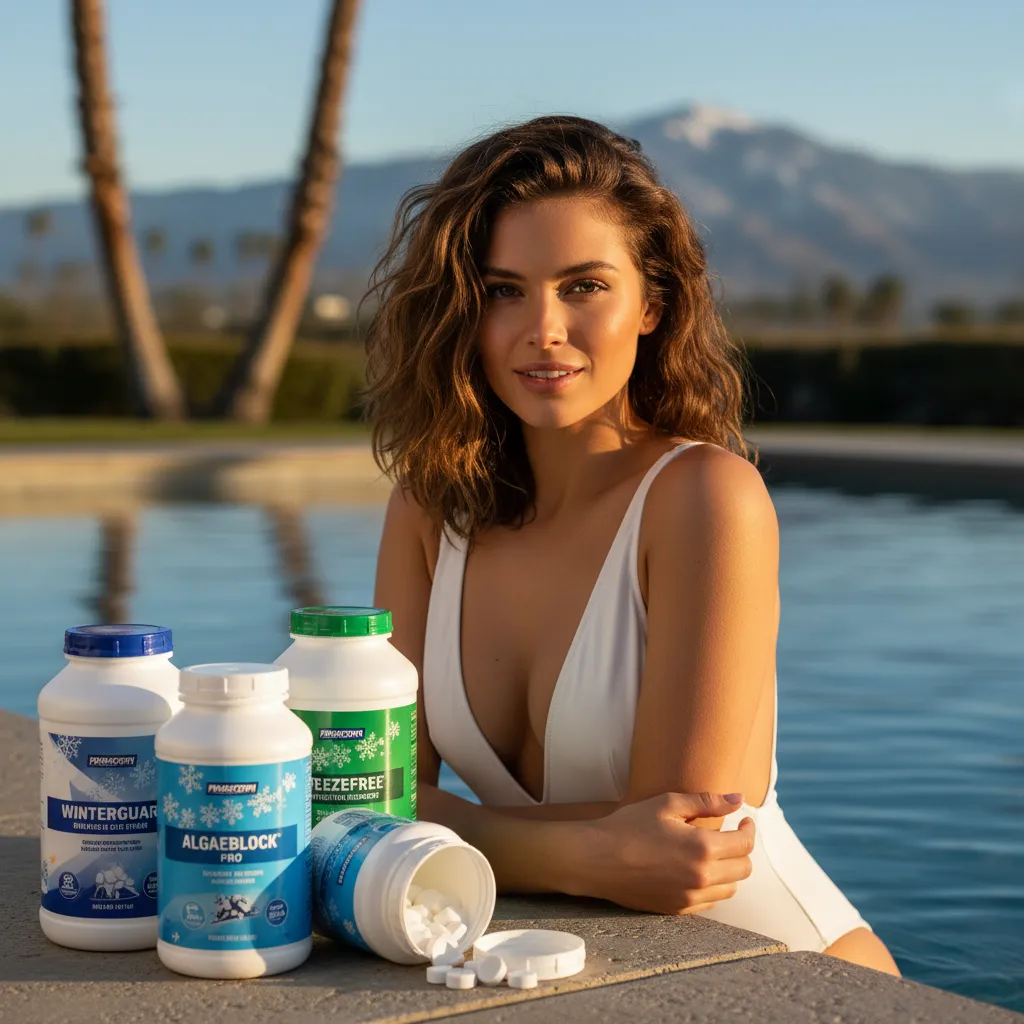
"The all-in-one solution for a guaranteed clear spring opening."
All-in-One Closing Chemical Kit
Winter demand is high - check stock

"The 'set & forget' option. This is the easiest winterizing I've ever done."
Simple 3-in-1 Winterizing Balls
Winter demand is high - check stock
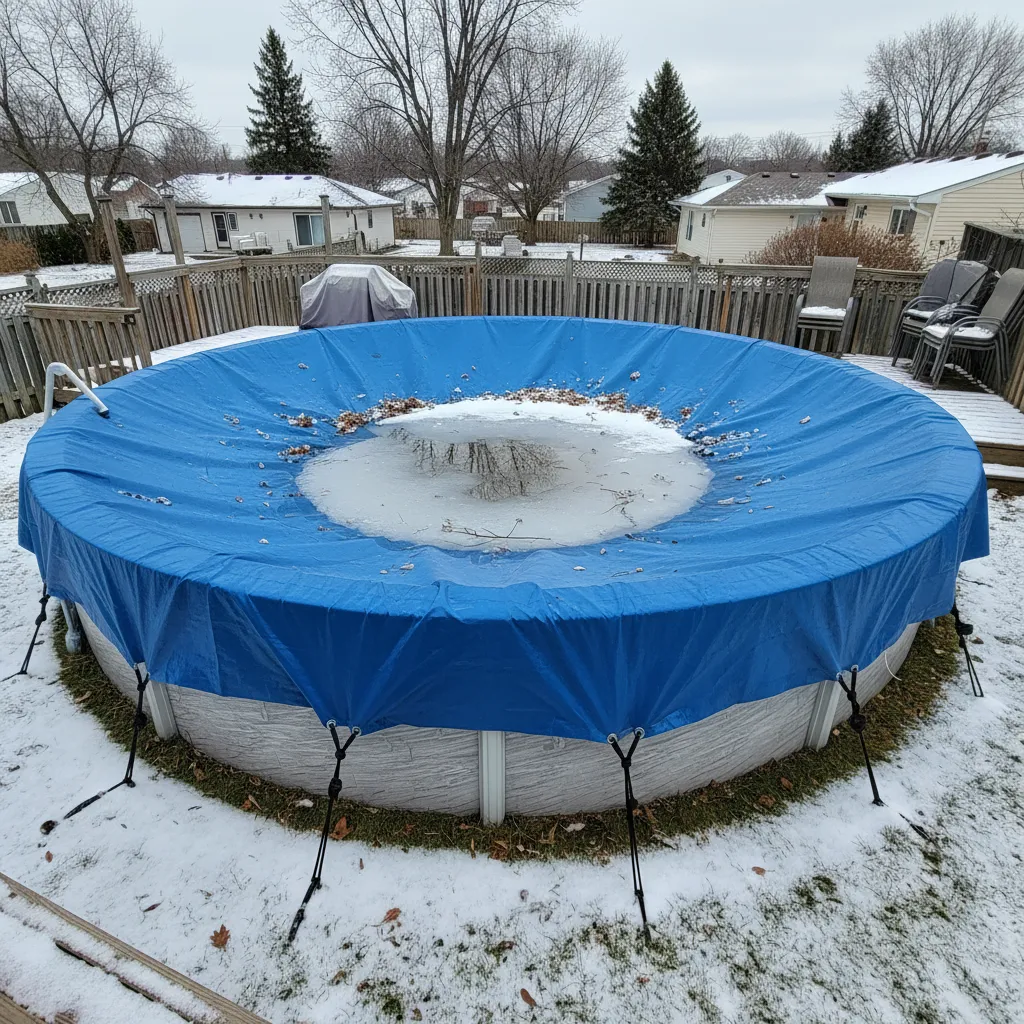
"Invest once to protect your liner and prevent a swamp in the spring."
Heavy-Duty Winter Pool Cover
Winter demand is high - check stock
Standard Vinyl Liners: Pros and Cons
Standard vinyl liners dominate the market for above ground pools due to their affordability and straightforward installation. Made from PVC material, these liners typically come in gauges from 20 (0.5mm) to 30 (0.3mm), with thicker options resisting punctures better. Budget-friendly 20-gauge models start at $100, while premium 30-gauge liners can exceed $400. While easy to replace, standard vinyl may fade faster under UV exposure and requires careful chemical balance to prevent brittleness. Avoid using abrasive cleaners or sharp tools near these liners to extend their 5-9 year lifespan.
Overlap Vs. Beaded Liner Designs
Installation methods separate overlap and beaded liners for above ground pools. Overlap liners drape excess material over the pool wall, secured with plastic coping strips – a practical choice for uneven walls or DIYers. Beaded liners feature a rigid groove along the top edge that snaps into a track on the pool frame, creating a seamless look. While beaded designs require precise above ground pool liner dimensions, they stay firmly in place during water filling. Overlap styles allow minor adjustments but may shift over time if not properly tensioned.
Specialty Liners: Tile Borders and Printed Patterns
Elevate your pool’s aesthetics with specialty liners featuring tile-mimic borders or full-print patterns like mosaic stones or tropical scenes. These designs use advanced digital printing on reinforced vinyl, often with protective topcoats to resist fading. Tile-border liners add upscale flair by simulating in-ground pool edges, while printed liners camouflage minor wrinkles. Expect to pay 20-30% more than standard options, with custom designs reaching $800+. Ensure compatibility with above ground pool covers – textured patterns may require gentler cover materials to prevent abrasion.
Now that you’ve explored liner styles, the next step is evaluating material quality. Gauge thickness and vinyl composition play critical roles in how well your above ground pool liner withstands seasons of use.
Material Grades and Thickness Options
Pool liners for above ground pools vary in thickness, measured in gauge. Lower gauge numbers indicate thicker material, which directly impacts longevity. Common options include 20-gauge (0.5 mil), 25-gauge (0.375 mil), and 30-gauge (0.25 mil) liners. Keeping a pool clean is essential for its maintenance. One effective way to achieve this is by manually vacuuming the pool.
20-gauge Vs. 25-gauge Vs. 30-gauge Liners
A 20-gauge liner, the thickest option, handles high foot traffic and resists punctures from rocks or pool toys. It’s common in pools with kids or pets, lasting up to 12 years with proper care. Mid-grade 25-gauge liners balance cost and durability, ideal for standard backyard pools. Thin 30-gauge liners suit temporary setups or tight budgets, averaging 5-7 years before replacement. Similarly, chickens can enjoy fun and safe splashes in kiddie pools. These small pools provide a great way for backyard chickens to cool off and play during warm weather.
- 20-gauge: 0.5 mil thickness | 10-12 year lifespan | $500-$800
- 25-gauge: 0.375 mil thickness | 7-9 year lifespan | $350-$550
- 30-gauge: 0.25 mil thickness | 5-7 year lifespan | $200-$400
How Thickness Impacts Durability
Thicker liners withstand UV rays, pool chemicals, and physical stress. A 20-gauge model maintains its form during temperature swings, while thinner options may stretch or wrinkle. Warranty terms often reflect this: 20-gauge liners carry 15-20 year prorated guarantees, compared to 5-8 years for 30-gauge. For pools in areas with harsh winters or intense sun, upgrading to 20-gauge prevents premature fading.
Choosing the Right Liner for Your Pool
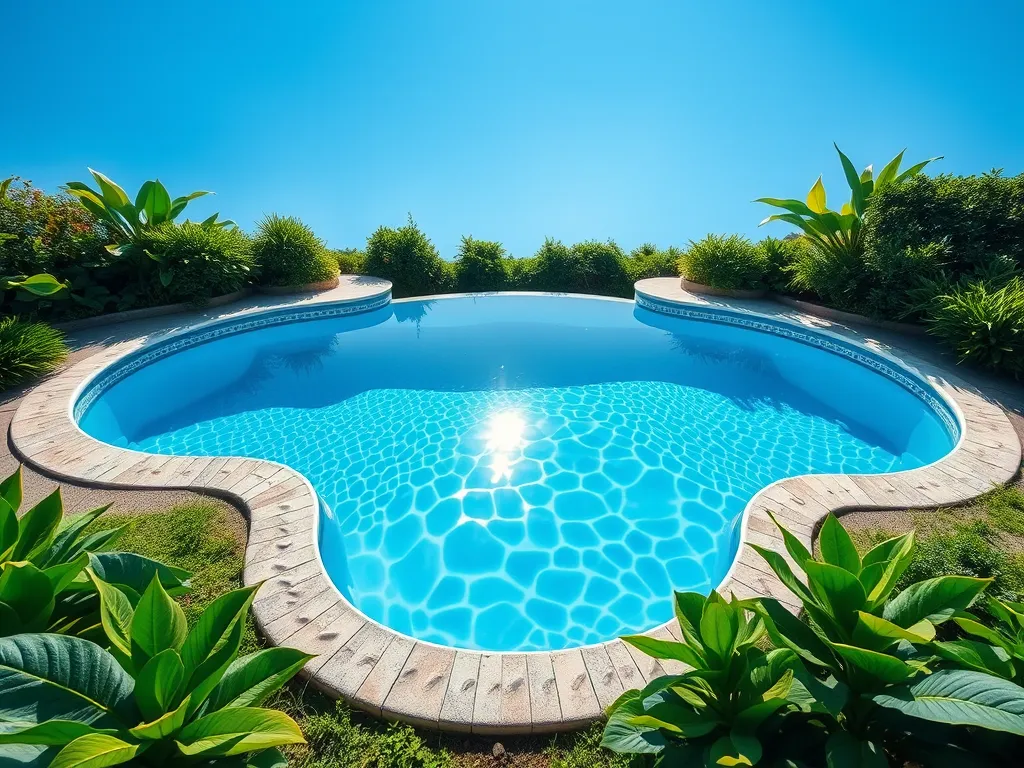
Picking a liner for an above ground pool involves matching technical specs to your pool’s layout and your visual goals. A wrong choice can lead to leaks, poor fit, or rapid wear. Many pool owners also consider the right cleaning equipment for maintaining their pools. An inground pool cleaner can help keep your pool liner in great condition by removing debris efficiently.
Matching Liner Dimensions to Pool Size
All above ground pool liner sizes must align with your pool’s diameter, wall height, and shape. A 24-foot round pool with 52-inch walls requires a 24’x52” liner. Custom sizes fit oval or irregular pools but cost 15-30% more. Measure twice: gaps over 2 inches cause folds that strain seams. When considering a pool for your backyard, it’s essential to weigh different options. Exploring the cheapest inground pool options can offer great value for your investment.
Color and Pattern Selection Tips
Light blue or gray liners create a tropical lagoon look but show dirt faster. Dark tones like navy mask debris but absorb heat, raising water temps by 3-5°F. Printed patterns with stone or mosaic designs hide minor wrinkles. Tile-border liners add a luxury touch but add $100-$300 to costs.
Compatibility With Above Ground Pool Covers
Beaded liners pair with hard covers using track systems, while overlap liners work with universal covers. Confirm your cover’s attachment style: a mismatched combo can leave gaps, allowing leaves or critters in. For solar covers, pick a liner with UV inhibitors to avoid color transfer.
With your liner chosen, focus shifts to installation steps—a process demanding accuracy to avoid costly errors.
Also See: Do Chickens Like Kiddie Pools? Quick Insights
Step-by-step Liner Installation Guide
A proper install keeps your pool watertight and extends the liner’s life. Follow these steps to avoid common mistakes during setup.
Preparing the Pool Base for Installation
Start by clearing the pool floor of rocks, roots, or debris. Spread a 2-3 inch layer of masonry sand or foam padding to create a smooth surface. Check for levelness with a 4-foot carpenter’s level—slopes over 1 inch per 10 feet cause uneven weight distribution. Dampen the sand lightly to help it hold shape without becoming compacted.
Unfolding and Aligning the Liner Properly
Lay the liner flat in direct sunlight for 30 minutes to increase flexibility. Position seams perpendicular to the pool’s longest wall for even tension. For overlap liners, let excess material drape over the walls. Beaded liners require precise alignment with the track system. Smooth out wrinkles by pushing air toward the walls using a soft broom, starting from the center. Proper installation helps the pool function correctly. However, if phosphate levels rise, it can lead to serious issues for the pool’s ecosystem.
Securing Edges and Adjusting Fit
Attach the liner’s top edge using plastic coping strips or a beaded receiver. Work clockwise around the pool, securing 12 inches at a time while maintaining even tension. Fill the pool with 1 inch of water to lock the liner in place, then trim excess material with utility shears. Continue filling while checking for shifting—pause at 6 inches to adjust minor folds. Regularly checking your pool for any signs of wear or damage is important. Fixing pool cracks promptly can prevent larger issues and ensure a safe swimming environment.
Maintenance for Long-lasting Pool Liners
Regular care prevents early wear and maintains visual appeal. Follow these protocols to maximize performance.
Cleaning and Chemical Balance Best Practices
Test water weekly with a digital kit, keeping pH between 7.2-7.6 and chlorine at 1-3 ppm. Brush walls gently with a nylon-bristle tool to prevent algae buildup. Use enzyme-based cleaners monthly to break down oils. Avoid chlorine tablets in skimmers—direct contact bleaches liner patterns. A well-maintained pool enhances the overall experience at any resort. At Harrah’s New Orleans, guests can enjoy a beautiful pool area that offers relaxation and fun in the sun.
Preventing Tears and Sun Damage
Install a pool cove around the wall base to reduce foot traffic near seams. Apply UV-resistant sprays like 303 Aerospace Protectant every 60 days. Keep pets’ nails trimmed and remove sharp jewelry before swimming. Patch punctures immediately with vinyl repair kits rated for underwater use.
Using Pool Covers for Seasonal Protection
Choose a solid safety cover with a 5-year warranty for winter months. During summer, deploy solar covers during non-use hours to block 95% of UV rays. Ensure covers are taut to prevent wind flapping, which rubs against liner surfaces. Use air pillows under winter covers to distribute ice pressure evenly.
When to Replace Your Above Ground Pool Liner
Timely replacements prevent structural damage to pool walls and floors. Watch for these red flags.
Signs Of Wear: Fading, Stretching, and Leaks
Discoloration beyond 30% of the surface indicates UV breakdown. Measure liner tautness—if it sags more than 2 inches below the rail, the material has overstretched. Locate leaks using dye tests near seams or returns. Multiple patches within a 12-inch area signal replacement time.
Average Lifespan by Material and Gauge
| Gauge | Material | Typical Lifespan |
|---|---|---|
| 20 | Reinforced vinyl | 10-15 years |
| 25 | Triple-layer PVC | 7-12 years |
| 30 | Standard PVC | 3-8 years |
Climate impacts longevity—liners in Arizona’s desert heat last 3-5 years less than those in mild Midwest regions.
Recognizing replacement needs early helps plan costs effectively. Let’s break down pricing factors for new liners.
Cost Analysis and Purchasing Considerations
Investing in the right liner for your above ground pool requires balancing upfront costs with long-term value. Material thickness, design complexity, and retailer choices all affect your budget and satisfaction. Lighting also plays a big role in enhancing your pool experience. One important aspect of this is choosing the right pool light bulb to brighten up those evening swims.
Price Ranges Based on Gauge and Design
Liner costs vary sharply based on gauge. A 20-gauge model ($300-$600) provides maximum puncture resistance for pools in areas with rocky soil or heavy use. Mid-grade 25-gauge liners ($200-$400) suit most residential settings, while budget 30-gauge versions ($150-$300) work best for temporary setups. Printed patterns add $50-$150 to base prices, and tile-border designs increase costs by 15-30%. Always verify if pricing includes seam welding or reinforced coving strips – these upgrades prevent leaks but may add $75-$200. Considering these factors is essential when planning your pool setup. Additionally, don’t forget that the costs of pool inspection can vary based on pool type and liner condition.
Where to Buy Quality Liners
Local pool supply stores provide face-to-face help with measuring and often include free installation guides with purchases. For specialty items like 2-piece liners or custom dimensions, web-based retailers like InTheSwim and PoolSuppliesPlus stock sizes up to 33′ round or 18’x40′ oval. Big-box stores sell basic 25-gauge models at $175-$350 but lack technical support. Top manufacturers like Latham and Tara Liners back products with 12-25 year prorated warranties when bought through authorized dealers. Always cross-check listed sizes against your pool’s actual wall height and diameter before purchasing. To keep your pool in top shape, knowing when to check and maintain water quality is important. This is where smart pool monitors come into play, providing real-time updates on your pool’s health and making maintenance easier than ever.
Proper maintenance extends liner life, but wear patterns raise questions many owners need answered. Up next: addressing common concerns about gauge choices, replacement timelines, and material performance.
Frequently Asked Questions (FAQ)
How Does Climate Affect Which Above Ground Pool Liner I Should Choose?
Harsh climates demand specific liner features: opt for 20-25 gauge vinyl in freezing regions to withstand ice expansion, and choose UV-resistant coatings in sunny areas to prevent fading. Humid environments benefit from antimicrobial liners to inhibit mold growth along the waterline.
Can Wrinkles in an Above Ground Pool Liner Be Fixed After Installation?
Minor wrinkles can often be smoothed by partially draining the pool (6-12 inches of water) and using a soft pool brush to push air bubbles toward the edges. For stubborn creases, apply gentle heat with a hairdryer on low setting while redistributing the vinyl – avoid overstretching the material. Keeping a clean and dry pool surface is also important. Regularly removing any urine pool helps maintain good hygiene and prevents damage to the pool liner.
Are Above Ground Pool Liners Compatible With Saltwater Systems?
Most modern vinyl liners work with saltwater chlorinators, but specify “saltwater-rated” models featuring reinforced seams and antioxidant additives. These liners typically cost 10-15% more but resist the corrosive effects of salt, maintaining integrity for 8-12 years versus 5-8 years for standard liners in saltwater setups. As the seasons change, it’s important to consider how to prepare your pool for winter. Using a pool pillow can help prevent damage from ice and snow during the colder months.
What Eco-friendly Options Exist for Above Ground Pool Liners?
Recyclable PVC-free liners made from thermoplastic polyolefin (TPO) are emerging, offering comparable durability to vinyl with 30% lower environmental impact. Some manufacturers also take back old liners for recycling into construction materials – ask about take-back programs when purchasing.
Final Thoughts on Pool Liner Care
Selecting and maintaining the right above ground pool liner ensures years of trouble-free swimming. From choosing the correct gauge to proper installation and upkeep, each step impacts your pool’s longevity. A well-cared-for liner can last 5–10 years, depending on material quality and maintenance habits.
Regular cleaning, balanced water chemistry, and using protective covers extend liner life. Watch for fading, stretching, or leaks—these signal it’s time for a replacement. Investing in a thicker gauge or specialty design adds durability and aesthetic appeal.
For precise water chemistry calculations or liner sizing, try My Pool Calculator. It simplifies maintenance tasks, helping you keep your pool in top shape. Enjoy your pool season with confidence!
Additional Resources for You:
- Lowry, R. (2018). Pool Chemistry for Service Pros: The Ultimate Guide to Water Balance. Laguna Hills, CA: Pool Chemistry Training Institute.
- Above Ground Swimming Pool Liners – Latham Pool
- Above Ground Swimming Pool Liners & Accessories – Pool Supplies Superstore
- Above Ground Swimming Pool Liners | Doheny’s
- Affordable Above Ground Pool Liners – LinerWorld
A pool care geek who’s been testing water chemistry since she was tall enough to reach the skimmer.
Above ground pool, Pool Care By Type