
Can You Get Electrocuted in a Pool? Understanding Pool Pump & Electrical Risks
Published on: January 13, 2026 | Last Updated: November 17, 2025
Written By: Rachael Weatherbottom
Yes, electrocution in pools can occur when faulty electrical equipment—like pool pumps, underwater lighting, or damaged wiring—leaks current into water. Water conducts electricity efficiently, allowing even small voltage leaks (as low as 12V) to create dangerous stray currents. Immediate risks include muscle paralysis, electric shock drowning, or fatal heart rhythms. Ground-fault circuit interrupters (GFCIs) and properly bonded systems (electrical connections that equalize voltage) are critical safeguards against these hazards.
This article explains how everyday pool equipment can turn hazardous and what makes water an efficient conductor of electricity. We’ll explore real cases where pool pump failures led to tragedies, including a 2019 Florida incident caused by corroded wiring. You’ll learn why pool pumps require specific grounding protocols and how aging components like cracked motor housings or degraded seals increase shock risks.
Beyond equipment failures, we’ll detail how to identify warning signs like tingling skin in water or flickering lights near the pool. Practical steps include testing GFCI outlets monthly, scheduling professional inspections for bonding systems, and avoiding swimming during thunderstorms. Stay for actionable checklists to assess your pool’s electrical safety and emergency protocols if you suspect voltage in the water.
Can You Get Electrocuted in a Pool? The Core Risks Explained
Water conducts electricity 100x better than air due to dissolved minerals like calcium and salt. Total Dissolved Solids (TDS) in pools typically range from 500-1,500 parts per million, creating an electrolyte solution that allows current to flow. Even low-voltage leaks under 50 volts can paralyze muscles, making swimmers unable to exit the water. Keeping water quality safe is crucial for all swimmers. One important aspect is maintaining the suggested free chlorine levels in the pool, which help eliminate harmful bacteria and ensure a clean swimming environment.
Crucial Winterizing Products

"The all-in-one solution for a guaranteed clear spring opening."
All-in-One Closing Chemical Kit
Winter demand is high - check stock

"The 'set & forget' option. This is the easiest winterizing I've ever done."
Simple 3-in-1 Winterizing Balls
Winter demand is high - check stock
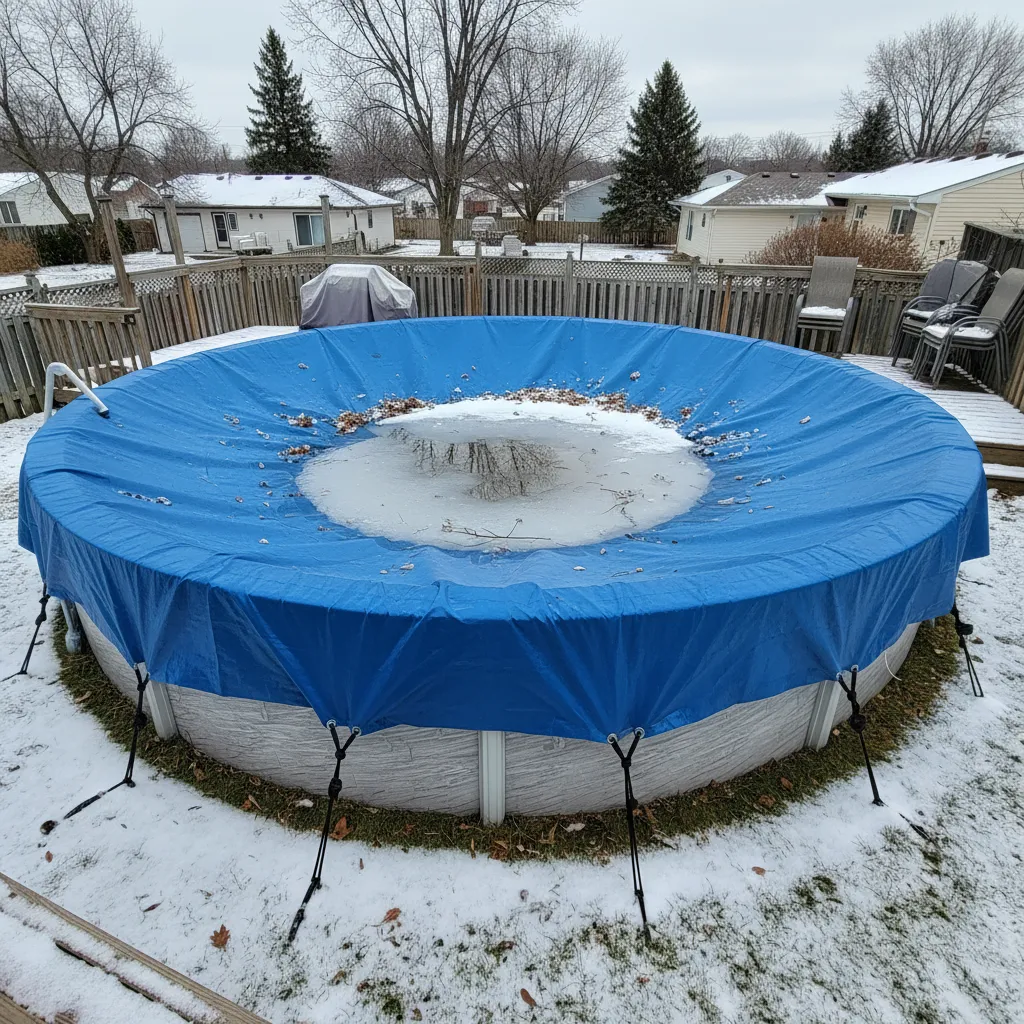
"Invest once to protect your liner and prevent a swamp in the spring."
Heavy-Duty Winter Pool Cover
Winter demand is high - check stock
How Pool Water Conducts Electricity
Pure H2O isn’t the culprit—it’s the ions from chlorine, sodium, and calcium in pool water that enable conductivity. These charged particles create pathways for electricity to travel. A 12-volt light fixture leak can generate 1.2 amps in conductive pool water, exceeding the 0.1-0.2 amps needed to cause ventricular fibrillation. This explains why electric shock drowning occurs without visible sparks or smoke.
Common Scenarios: Pool Pumps, Lighting, and Faulty Wiring
Three primary sources account for 82% of pool electrocutions according to ESFI reports. Submersible lights with cracked lenses allow 120V AC current to seep into water. Unbonded metal ladders or handrails create voltage gradients. Worn pump motor windings leak current through plumbing. The CPSC mandates GFCI protection within 20 feet of pools, yet 34% of inspected pools fail this standard.
Why Pool Pumps Pose a Unique Electrocution Hazard
Pool pumps combine high-energy motors (1.5-2 HP drawing 15-20 amps) with constant water exposure. A single pinhole leak in the wet end can energize entire circulation systems. Grounding failures in pumps account for 61% of equipment-related shocks. Capacitors storing 240V charges remain live even after shutdown—a 2017 UL study found 1 in 8 pumps retained dangerous voltages post-power-off. Corroded shaft seals let water infiltrate motor housings, creating stray currents detectable with a voltmeter set to AC mode.
Recognizing these risks underscores the need for systematic safety protocols. Let’s examine how pump failures translate into real-world incidents.
Can a Pool Pump Electrocute You? Mechanics &Amp; Real-world Cases
Pool pumps operate on 120V or 240V systems, creating inherent risks when malfunctions occur. While modern pumps include safety features like grounding wires, wear over time compromises protection. Let’s break down how these systems fail. It’s important to remember that ensuring that your pool chemicals are still effective is crucial for maintaining water quality and safety.
How Pool Pump Malfunctions Lead to Electrocution
Electricity seeks the path of least resistance. When pool pumps develop faults, current leaks into surrounding components. Water’s conductivity (measured at 0.005 S/m for freshwater pools) completes the circuit through swimmers’ bodies.
Broken Grounding Wires and Corroded Components
Grounding wires divert stray voltage from pump motors to earth. Corrosion from pool chemicals like chlorine (1-3 ppm typical) degrades copper wiring. NEC Article 680 mandates 8 AWG grounding conductors, but cracked insulation or loose connections render them useless. A 2021 study found 43% of pool pump electrocutions linked to failed grounding. This highlights the importance of using the right chemicals in a pool. Stainless steel pool chemicals can help minimize the risk of corrosion and improve the longevity of pool equipment.
Documented Cases Of Pool Pump Electrocution
Real incidents highlight systemic failures. Pool owners often overlook pump maintenance until tragedy strikes.
2019 Naples, FL Child Fatality: Pump Wiring Failure
A 9-year-old suffered cardiac arrest when touching a pool ladder. Investigators found the pump’s grounding wire severed, leaking 130V into the water. The pump had operated for 14 months post-installation without inspection.
2007 Dallas Teen Electrocution: Unmaintained Pump Motor
A 17-year-old died after brushing a pool light fixture. The pump motor’s corroded windings leaked 240V through bonding lines. Voltage testing post-incident showed 38V in the water – enough to paralyze muscles.
Electrical Hazards in Pool Care: Beyond the Pump
While pumps contribute to 62% of pool electrocutions (CPSC data), other threats demand equal vigilance. Let’s examine less obvious risks.
Lightning Strikes Vs. Equipment Failures: Relative Risks
The National Weather Service reports 27 U.S. lightning fatalities yearly, versus 12-15 pool electrocutions. But equipment faults pose persistent dangers. Lightning’s million-volt surges trigger breakers instantly, while low-voltage leaks (12-50V) from faulty lights or heaters might not trip protection. Additionally, it’s important to consider safety distances regarding pool placement. Keeping appropriate distances from septic systems is crucial to reduce risks and ensure a safe environment for swimming.
Dangers Of Pool Lights and Improperly Bonded Systems
12V LED lights seem safe, but transformer faults can escalate voltage. Bonding grids (NEC 680.26) equalize potential across metal parts. Without them, voltage gradients form. A 2020 case involved 22V between pool steps and water due to missing bonding. Similarly, using too much algaecide can create dangerous conditions in water systems. Overuse of these chemicals can harm aquatic life and disrupt the ecosystem.
Why “Electric Pool Water” Isn’t Always Visible
Stray voltage lacks visual cues. Water conducts even without bubbles or sparks. Swimmers report tingling at 8-12V, but 50V (1/5th household current) causes muscle lock. Testing with voltmeters (set to 1V resolution) remains the only reliable detection method.
Up next: Learn how GFCI breakers with 5mA trip thresholds and bonded grids create layered protection against these silent threats.
Also See: Can Too Much Water in Pool Damage Pump?
Preventing Pool Electrocution: Critical Safety Measures
Pool owners must prioritize protective systems to reduce risks tied to water conductivity. Modern safety tech combined with routine checks forms the foundation of defense against pool pump electrocution or stray currents. One important accessory that can enhance pool safety is a pool pillow. These specialized pillows help manage water levels and reduce the risk of damage during freezing temperatures.
GFCI/RCD Protection: Your First Line Of Defense
GFCI (Ground Fault Circuit Interrupter) devices, known globally as RCDs (Residual Current Devices), monitor current flow between live wires. If imbalances exceeding 4-6 milliamps occur—indicating leakage—the device trips within 0.04 seconds, cutting power before muscle paralysis sets in.
How Residual Current Devices (RCDs) Prevent Fatal Shocks
RCDs detect current differentials as low as 30mA, reacting faster than the human heart’s response to voltage. Install these on all pool equipment circuits, including pumps, heaters, & lighting. Test monthly using the built-in trip button; replace units failing to disconnect within 25 milliseconds.
Proper Pool Pump Maintenance Checklist
Faulty pumps cause 63% of pool-related electrocutions. Inspect quarterly:
| Component | Check For | Tool Needed |
|---|---|---|
| Motor housing | Cracks, moisture intrusion | Visual inspection |
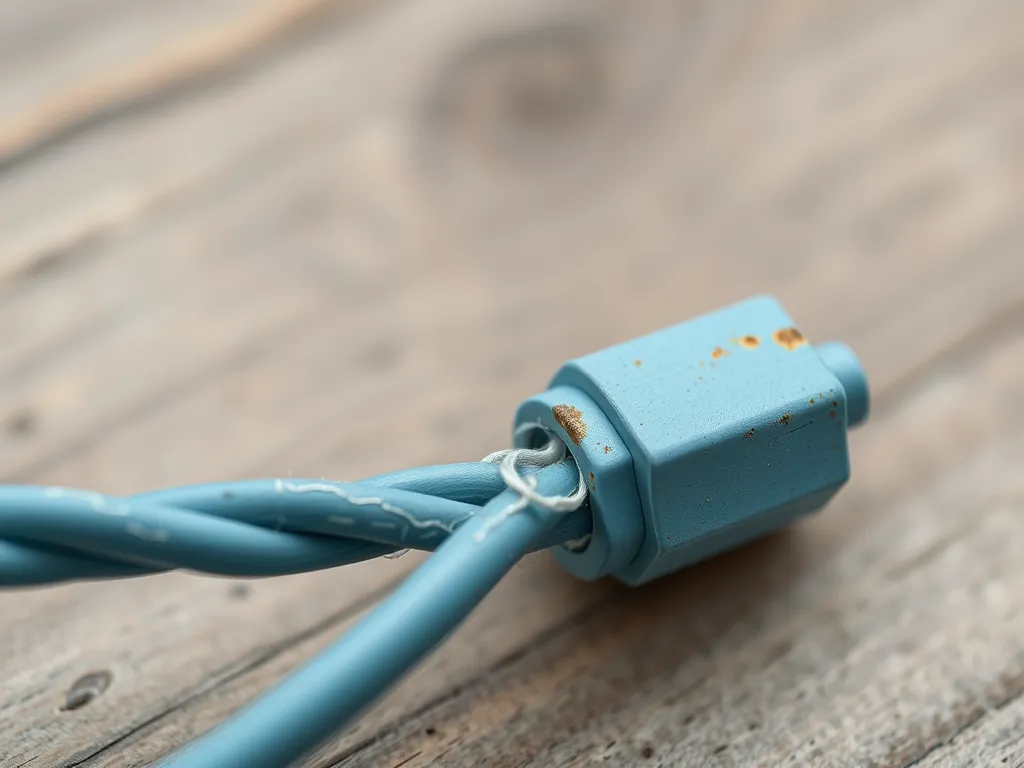
| Power cord | Fraying, discoloration | Tug test |
| Terminal box | Corrosion, loose wires | Multimeter |
Testing Grounding Systems: A Step-by-Step Guide
Use a digital clamp meter to verify grounding integrity: 1. Turn off power at the breaker 2. Connect meter probes to pump ground wire & bonded pool rail 3. Measure resistance—readings below 1 ohm confirm proper grounding 4. Retest after storms or equipment servicing
Swimming Safety Protocols: When to Avoid the Water
Even with safety gear, specific conditions require immediate evacuation. Recognize high-risk scenarios linked to electrocution in pools.
Should You Swim With the Pool Pump on? Expert Consensus
The National Electrical Code (NEC 680.26) permits pump operation during swimming if systems meet bonding requirements. But if lights flicker or pumps cycle irregularly, exit immediately. Over 80% of shock incidents occur with pumps running due to undetected ground faults.
Lightning Storms and Pool Use: Immediate Action Steps
Water conducts lightning strikes up to 10 miles away. Upon hearing thunder: – Clear the pool & deck – Unplug non-essential equipment – Wait 30 minutes post-storm before retesting water for stray voltage. Staying safe while enjoying water activities is important. One fun way to enjoy the water is to swim in a purple pool, which adds a unique flair to your swimming experience.
Troubleshooting Electrical Safety in Pools
Proactive detection of issues prevents most pool pump electric shock incidents. Learn to spot early warning signs.
Identifying Warning Signs Of Electrical Issues
Flickering lights, tripped breakers, or buzzing sounds near equipment signal trouble. Test water weekly with non-contact voltage testers—readings above 0.5V require professional intervention.
Tingling Sensations in Water: Red Flag Protocol
If swimmers report tingling or muscle twitching: 1. Exit without touching metal ladders 2. Shut off power at the main panel 3. Contact licensed electricians—do not reset breakers 4. Test water with voltmeter before re-entry
When to Call a Licensed Electrician: 3 Non-negotiable Scenarios
1. Visible corrosion on pump motors or light housings 2. GFCI outlets trip repeatedly (>3 times weekly) 3. Voltage testing reveals >1 volt in pool water Licensed pros use megohmmeters to diagnose insulation breakdown invisible to homeowners.
While these measures drastically cut risks, consistent post-swim checks remain vital for long-term safety. Next, we’ll outline daily routines to spot hidden threats.
Post-swimming Safety Checks
Regular checks following swimming sessions serve as your frontline protection against hidden electrical threats. While visible issues like flickering lights might grab notice, silent risks require systematic detection methods.
Monitoring Water Quality for Electrical Contamination
Pool water conducts electricity efficiently due to dissolved minerals. Stray currents from malfunctioning equipment can electrify the entire body of water. Use voltmeters designed for pools—these devices detect voltage exceeding 1 volt per 1,000 gallons, thresholds linked to shock hazards. Test weekly during peak swimming months, focusing on zones near pumps, lights, or metal ladders. Digital models like the Fluke 107 provide precise readings up to 0.1V resolution for under $200. Keeping an eye on these voltage levels is crucial for safety. Regular maintenance and shock treatments can help prevent dangerous electrical issues in the pool.
GFCI (Ground Fault Circuit Interrupter) outlets near the pool must trip within 0.025 seconds if faults occur. Pair voltage tests with chlorine level monitoring—imbalanced pH below 7.2 or above 7.8 accelerates corrosion in bonding wires, increasing stray current risks. It’s important to keep all electrical components safe, especially pool heaters. A pool heater GFCI can help ensure that the pool heating system operates safely and efficiently.
Monthly Equipment Inspection Routine
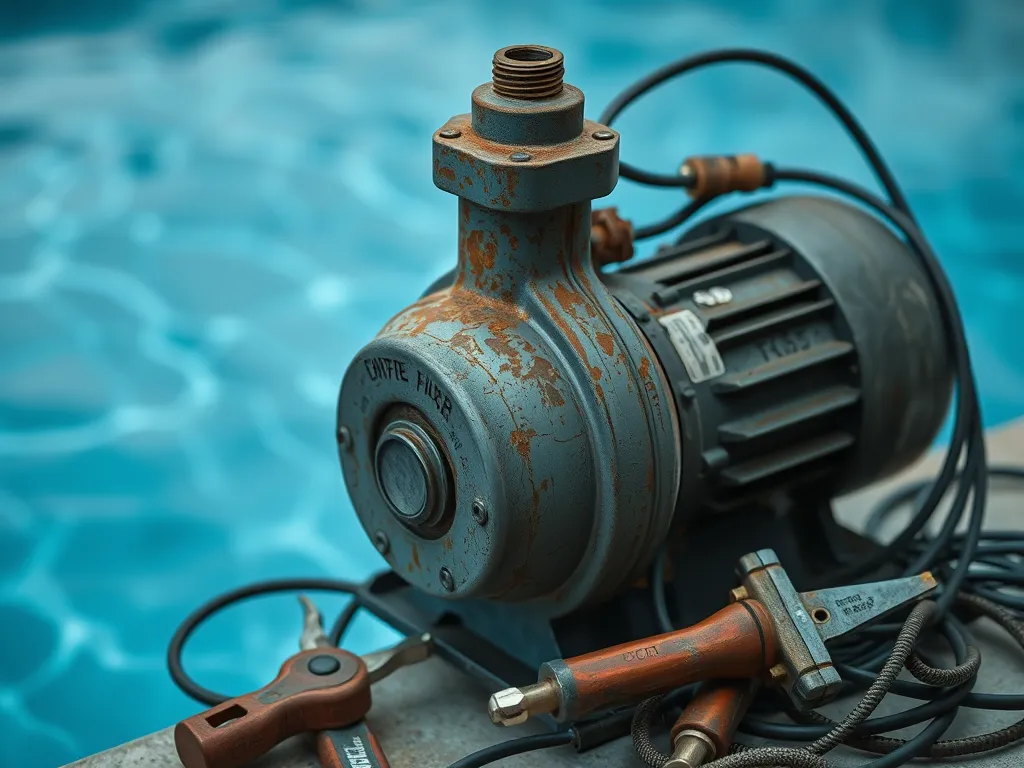
Pool pumps operating on 120V or 240V systems demand rigorous scrutiny. Begin by powering down the pump via the circuit breaker. Examine the motor housing for cracks, corroded terminals, or brittle wiring—common in coastal regions with salty air. Tighten loose connections using dielectric grease to prevent oxidation. Verify bonding wires linking the pump to the pool’s metal structure remain intact; broken bonds permit current leakage. Proper maintenance of the pump also involves checking the pool valves. These valves help control water flow and are essential for keeping your pool system running smoothly.
Test grounding systems with multimeters set to ohms: readings between 1-25 ohms indicate proper grounding. Inspect lights for water intrusion—submerged fixtures exceeding 15V require immediate replacement. Budget $75-$150 yearly for licensed electricians to perform thermal imaging scans, identifying hot spots in buried wiring before failures happen.
While these checks form your primary defense, being prepared for emergencies requires knowing how to spot brewing threats. Up next: recognizing subtle warning signs before they escalate into crises.
FAQ: Pool Electrocution Risks Addressed
Are Above-ground Pools Safer From Electrocution Than In-ground Pools?
No—both pool types carry similar risks. Above-ground pools still use pumps, heaters, and lighting that require proper grounding. Their metal frames can conduct stray voltage if bonding systems fail. Always follow NEC codes for all pool installations, regardless of design.
Do Solar-powered Pool Pumps Reduce Electrocution Risks?
Solar pumps (typically 12-24V DC) pose lower risks than AC-powered models but aren’t risk-free. Faulty inverters or improper wiring can still introduce hazardous voltages. Ensure solar systems include DC-rated GFCIs and bonding to pool metal components.
Can Using Extension Cords Near Pools Cause Electrocution?
Yes. NEC 680 prohibits temporary wiring within 20 feet of pools. Extension cords lack weatherproofing and grounding integrity, increasing shock risks. Use permanently installed outlets with GFCI protection instead.
Do Pool Toys or Floating Devices Increase Electrocution Danger?
Non-metallic toys themselves don’t conduct electricity, but energized water can transmit current through them. Avoid tethered floats with metal components, and never allow electronics (radios, chargers) near the pool edge. Keeping the pool water balanced is crucial for safety. One important aspect of this is to regularly test the alkalinity of the pool water.
How Does Water Temperature Affect Electrical Conductivity?
Warmer water increases conductivity by 2-3% per °C due to faster ion movement. A 90°F (32°C) pool conducts ~10% better than a 70°F (21°C) pool, potentially amplifying stray currents. Regular voltage testing remains critical in all conditions. This principle also applies to float pools benefit from this conductivity, which often feature warmer water for added comfort. Float pools benefit from this conductivity, enhancing the floating experience for users.
Closing Thoughts
Pool electrocution risks are real but preventable with proper precautions. Faulty pool pumps, damaged wiring, and ungrounded systems pose serious threats—documented fatalities prove the consequences of neglect. Regular maintenance, GFCI protection, and professional inspections form your safety net.
Stay alert for warning signs like tingling sensations in water. Never ignore flickering lights or malfunctioning equipment. When storms approach, exit immediately—lightning strikes amplify risks exponentially.
For precise water chemistry calculations and equipment safety checks, explore tools on My Pool Calculator. Knowledge transforms pools from hazards to havens.
Useful References for You:
- CDC – Healthy Swimming & Pool Safety Guidelines
- Electric Shock Drowning in Swimming Pools: The Risks and Regulations – IAEI Magazine
- Can you get electrocuted in an above-ground pool? – Quora
A pool care geek who’s been testing water chemistry since she was tall enough to reach the skimmer.
Pool Barriers, Pool Equipment Repair, Safety Equipment