Can You Do Earthing in a Swimming Pool? Here’s What You Need to Know
Published on: January 10, 2026 | Last Updated: November 17, 2025
Written By: Rachael Weatherbottom
Yes, you can perform earthing in a swimming pool, but it requires specialized electrical grounding to ensure safety. Earthing (also called grounding) in pools involves connecting metal components and electrical systems to the earth using conductors, reducing risks of electric shocks. Unlike grounding household outlets, pool earthing focuses on creating an equipotential bonding grid—a network linking ladders, pumps, lights, and other conductive parts to equalize voltage. Compliance with safety codes like the National Electrical Code (NEC) Article 680 is mandatory, with strict rules for bonding wire size (usually 8 AWG copper) and resistance limits (under 25 ohms).
This article breaks down how pool earthing works, step by step. Learn why bonding metal parts prevents stray currents from entering water, how earth rods divert excess electricity safely into the ground, and what tools professionals use to test grounding effectiveness. We’ll also explore how water conductivity impacts safety—even low voltages like 12V pool lights can become hazardous if grounding fails.
Stick around to uncover common mistakes, like using undersized bonding wires or skipping inspections. We’ll explain how proper earthing not only protects swimmers but also extends equipment life by reducing corrosion. Whether you’re installing a new pool or updating an old system, this guide gives actionable steps to meet safety standards and avoid costly hazards.
Understanding Pool Earthing: Basics and Requirements
Electrical earthing in swimming pools ensures safety by creating a path for stray currents to flow harmlessly into the ground. This process protects swimmers from shocks while preventing damage to pool equipment. Proper safety measures are essential for all pool components, including the sand filter pool pump. A sand filter pool pump plays a key role in keeping the water clean and free from debris, contributing to a safe swimming environment.
Crucial Winterizing Products

"The all-in-one solution for a guaranteed clear spring opening."
All-in-One Closing Chemical Kit
Winter demand is high - check stock

"The 'set & forget' option. This is the easiest winterizing I've ever done."
Simple 3-in-1 Winterizing Balls
Winter demand is high - check stock
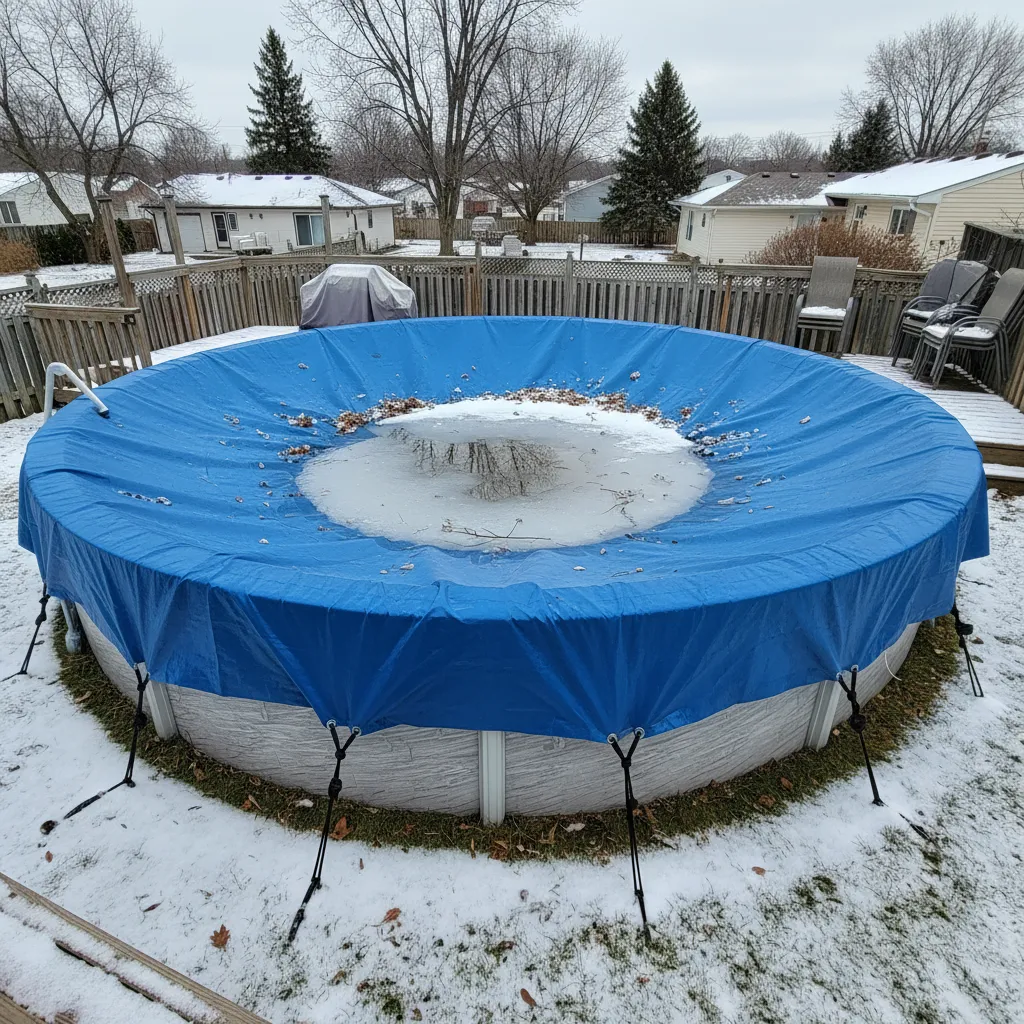
"Invest once to protect your liner and prevent a swamp in the spring."
Heavy-Duty Winter Pool Cover
Winter demand is high - check stock
What is Electrical Earthing in Swimming Pools?
Pool earthing connects metallic components—like ladders, lights, or pumps—to the earth via conductors. A low-resistance path is established using bonding wires or rods buried in soil. This system redirects unintended electrical currents caused by faults in wiring or nearby power sources. For example, pool lights operating at 12V still require grounding to meet safety standards set by the National Electrical Code (NEC). When setting up an above ground pool, safety features like proper earthing are essential. Choosing the right pool liner also contributes to the overall safety and maintenance of your pool.
Is Earthing Required for Swimming Pools?
Yes, earthing is legally mandated for all permanent pools under NEC Article 680. This applies to both in-ground and above-ground designs. Without proper grounding, voltage differences as low as 15V can cause muscle paralysis, posing drowning risks. Municipal inspections typically verify compliance with bonding grids rated at ≤1 ohm resistance and earth rods spaced at least 6 feet apart.
Key Safety Regulations for Pool Earthing
NEC 680.26 specifies three critical rules: 1. All metal parts within 5 feet of the pool must be bonded. 2. Earth rods must penetrate moist soil at least 8 feet deep. 3. Bonding conductors must use solid copper wire sized at #8 AWG or larger. Local codes may add requirements, like annual resistance tests or GFCI protection for pumps. In Florida, for instance, pools built after 2020 need dual grounding systems due to high water tables.
With regulations covered, let’s break down the methods for installing a compliant earthing system.
How to Properly Earth a Swimming Pool
Pool earthing keeps swimmers safe by guiding stray currents away. Follow steps below to meet swimming pool earthing rules and stop risks.
Step-by-step Earthing Process
Start by bonding all metal parts. This links gear to a shared ground path. Use wires to join pumps, rails, and lights. Check local codes for wire size—most need 8 AWG copper.
Bonding Pool Equipment and Metallic Components
Connect every metal piece within 3 feet of the pool. This includes ladders, drains, and even handrails. Bonding stops voltage gaps that can shock. Use clamps made for wet spots to fix wires tight. Keeping your pool area safe is essential. A quality pool cover can also help protect your pool and keep it safe when not in use.
Installing Earth Rods for Swimming Pools
Drive rods 8 feet deep near the pool. Use two rods spaced 6 feet apart for best results. Link rods to the bond wire with a lug. Soil type matters: clay holds rods better than sand. Test rods with a meter to hit under 25 ohms. The depth of the pool can also impact safety and usability. For lap pools, a depth of 4 to 5 feet is often ideal for swimming efficiently.
Testing the Earthing System
Check the system once a year or after big storms. Look for rust on clamps or broken wires. Fix gaps fast to keep the path clear.
Using a Bonding Test to Ensure Safety
Use a low-resist meter to test bonds. Touch probes to metal parts and wires. Good links show under 1 ohm. If higher, clean joints or replace wires. Always cut power before testing.
| Tool | Use |
|---|---|
| Clamp meter | Check current flow in bonds |
| Earth tester | Measure rod resistance |
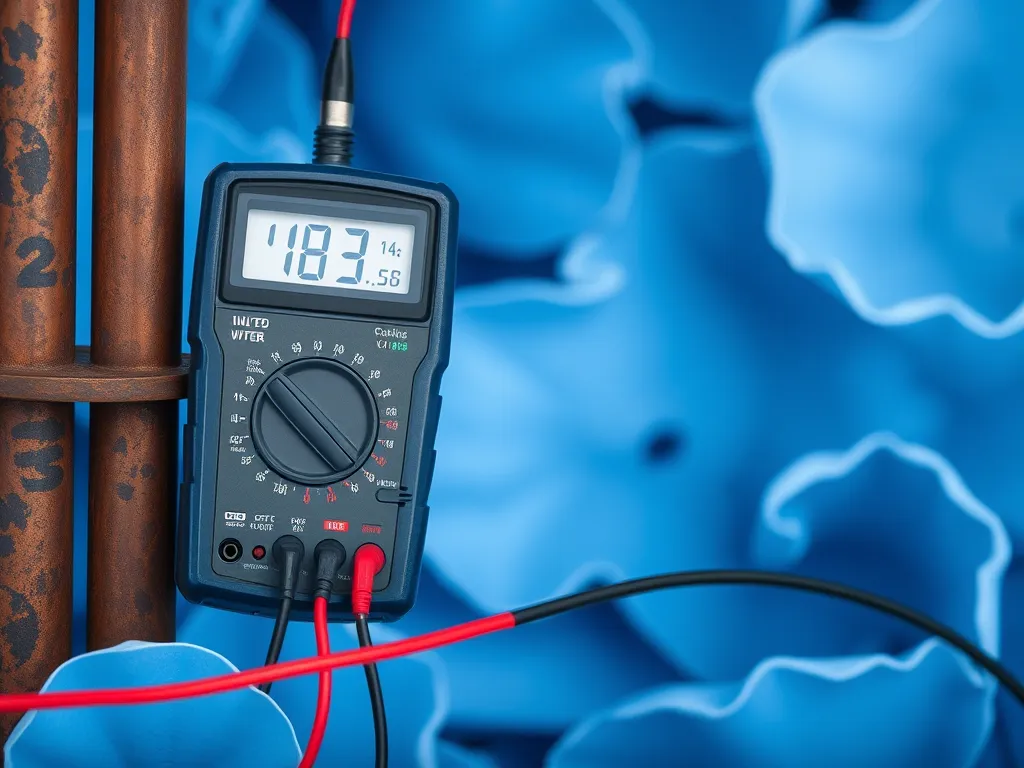
| Multimeter | Test wire links |
Electrical Safety in Pool Water
Water conducts power well due to salts and minerals. Even low volts can harm if the pool lacks earthing.
How Current Travels Through Pool Water
Stray power seeks the easiest path. Faulty gear can send current through water to swimmers. Proper earthing gives it a safe route to soil instead. A 120V leak can push 50mA—enough to stop a heart.
Risks Of Improper Earthing in Pools
Bad bonds or rusted rods raise shock risks. Voltage as low as 12V can cause muscle lock. Each year, 10% of pool shocks come from poor earthing. Fires from overloads may also start if ground paths fail. To keep pools safe, regular checks on equipment are important. Fixing issues with too much clarifier in the pool can also help maintain a safe and healthy swimming environment.
Next, let’s break down the parts that make pool earthing work right.
Also See: Can You Run Pool Filter With Solar Cover on?
Pool Earthing Parts and Setups
Pool earthing uses parts to move stray power to the ground. These parts work as a team to keep swimmers safe. Each piece must meet rules set by groups like the NEC (National Electrical Code). Maintaining safety in the pool extends beyond electrical concerns. While earthing is crucial, swimmers should also be aware of the risks of sexually transmitted diseases (STDs) that can arise from pool activities.
Kinds Of Ground Setups for Pools
Two main setups guard pools: protective earthing and bonding. Both cut shock risks but work in different ways. All metal parts (ladders, pumps, rails) link to a ground rod with thick copper wire. Homeowners should be aware that installing a pool can affect their property taxes. A pool often leads to an increase in property value, which can mean higher taxes for the owner.
Guard Earthing vs. Gear Bonding
Guard earthing sends stray current to earth through rods. Bonding ties all metal parts to keep them at the same volt level. Bonding needs 8-gauge wire, while earthing rods must be 8 feet long per NEC 680.26.
How Double-wrapped Gear Helps
Double-wrapped pumps and lights add a backup shield. These systems block stray current without extra ground wires. They meet Class II specs, often used in newer pool builds to cut shock risks by 60%. This attention to safety is essential, especially when considering water features in your yard. One such feature is a toilet autofill valve pool, which helps maintain water levels for a seamless experience.
Why Pool Earthing Matters
Good earthing stops harm from stray volts in water. Faulty gear can push 30+ volts into pools – enough to stun or kill. Proper setups keep water volts under 1 volt as per safety codes. It is also important to consider the distance between your pool and septic system. A proper pool septic distance helps prevent contamination and ensures safety when using the pool.
Stopping Shock Risks
GFCI (Ground Fault Circuit Interrupter) trips in 1/40th of a second if leaks occur. Bonding grids spread current evenly, so no single point gets too hot. These steps cut drown risks from muscle lock by 80%.
Slowing Rust in Pool Gear
Bad earthing speeds rust in heaters and pumps. Stray currents eat metal parts 5x faster. Copper bonds and zinc anodes fight this rot, adding 3-5 years to gear life.
Fixing Ground Hurdles
Even good setups face wear over time. Salt water, weather, and voltage spikes strain parts. Yearly checks spot issues before they turn dire.
Solving Ground Snags
Test rods with a clamp meter – readings over 25 ohms mean poor contact. Look for green crust on wires or loose clamps. Fixes cost $200-$500 but prevent $5k+ gear swaps.
Spotting Bad Links
Use a multi-meter to check wire links. Volt drops over 1.5v mean weak bonds. Thermal cams find hot spots where current jumps gaps.
Fighting Part Rot
Swap rusted rods with copper-bonded steel. Coat links with anti-ox paste. Buried bonds last 15+ years vs 5 years for exposed ones.
Now that we’ve covered common snags, let’s tackle key questions pool owners ask about water grounding.
FAQs: Earthing in Swimming Pools
What Materials Are Best for Pool Earthing Components?
Copper is the preferred material for bonding wires (8 AWG or larger) and rods due to its high conductivity and corrosion resistance. Stainless steel clamps and connectors are recommended for wet environments, while copper-bonded ground rods offer durability in varied soil conditions.
Does a Saltwater Pool Require Different Earthing Considerations?
Yes. Saltwater’s higher conductivity accelerates corrosion, demanding stainless steel or bronze components for bonds and rods. Regular inspections every 6 months are advised to check for salt-induced degradation in connections. Furthermore, maintaining your pool also involves protecting it from freezing temperatures. Using RV antifreeze can help safeguard the pool’s plumbing system during the winter months.
Are Above-ground Pools Subject to the Same Earthing Standards?
Absolutely. NEC Article 680 applies to all permanent pools, including above-ground models. Metal frames, ladders, and pumps must be bonded, and grounding rods must meet the same depth (8+ feet) and resistance (<25 ohms) requirements. It’s important to ensure safety around these pools. Installing an [flexible_link url="https://mypoolcalc.com/above-ground-pool-fence" type="permanent"]above ground pool fence[/flexible_link] can help protect children and pets from accidental falls into the water.
How Does Earthing Interact With Pool Lighting Systems?
Low-voltage LED or 12V lights still require bonding to the grid to prevent stray currents. Faulty lighting wiring can energize water, so grounding ensures leaks trip GFCIs instantly, cutting power within 30 milliseconds.
Are There Alternatives to Traditional Pool Earthing Methods?
Double-insulated equipment (Class II) reduces reliance on bonding by enclosing conductive parts in non-conductive layers. However, most codes still mandate a bonding grid for other metallic components like rails and drains.
Does Swimming Provide Natural Earthing Benefits Like Walking Barefoot?
No. While natural earthing involves direct skin-to-earth contact, pool water is isolated by liners or concrete. Proper electrical earthing is artificial and critical for safety, not a substitute for grounding through soil. However, for those with above ground pools, ensuring optimal temperature is key to comfort. Heating the pool makes it enjoyable for swimming even during cooler days.
Closing Thoughts
Proper earthing in a swimming pool isn’t just a technical requirement—it’s a lifesaving measure. From bonding metallic components to installing earth rods, every step ensures swimmers stay safe from electrical hazards. Regular testing and maintenance prevent corrosion and faulty connections, keeping your pool compliant with safety standards.
For precise calculations on pool bonding resistance or grounding system requirements, check out My Pool Calculator. Our tools help simplify complex safety measures, so you can focus on enjoying a worry-free swim.
Stay grounded, stay safe.
Useful References for You:
- Pentair Residential Pool Resources (Maintenance Guides)
- Code requirements for bonding swiming pools need altering ? | Information by Electrical Professionals for Electrical Professionals
- Swimming Pool Earthing – Swimming Pool Forum – Thailand News, Travel & Forum – ASEAN NOW
- Earthing Outdoors for Health and Wellbeing
- Can You Do Earthing in Water? – GroundLuxe
A pool care geek who’s been testing water chemistry since she was tall enough to reach the skimmer.
Pool Equipment Repair, Safety Equipment