Bromine Vs Chlorine for Hot Tubs: A Comprehensive Guide to Pool Care
Published on: December 27, 2025 | Last Updated: November 17, 2025
Written By: Marcus Thornfield
Bromine and chlorine are the top sanitizers for hot tubs, both eliminating bacteria but differing in performance, cost, and user impact. Bromine thrives in high heat (up to 100°F), breaks down contaminants slowly, and causes fewer pH swings, while chlorine acts faster and costs 30-50% less per treatment (about $0.50 per tablet vs. bromine’s $1.00). Skin sensitivity, odor intensity, equipment compatibility, and long-term maintenance costs determine which suits your spa best.
This guide dives into the chemistry of each sanitizer, explaining why bromine stays stable in warm water and how chlorine’s rapid oxidation tackles algae within minutes. You’ll learn why bromine requires a starter kit like sodium bromide and why chlorine tablets demand weekly pH adjustments.
We’ll compare annual costs (chlorine averages $150-$300 vs. bromine’s $400-$600), analyze residue risks in inflatable tubs, and decode shocking routines. By the end, you’ll know which sanitizer aligns with saltwater systems, minimizes skin irritation, and keeps your water balanced through all seasons.
Introduction to Hot Tub Sanitization
Keeping your hot tub water clean requires more than just skimming debris. Sanitizers like bromine and chlorine actively destroy bacteria, algae, and organic contaminants. These chemicals act as oxidizing agents, breaking down oils, sweat, and microbes introduced by users. Without proper sanitization, water becomes cloudy, develops odors, and risks skin infections or equipment corrosion.
Crucial Winterizing Products
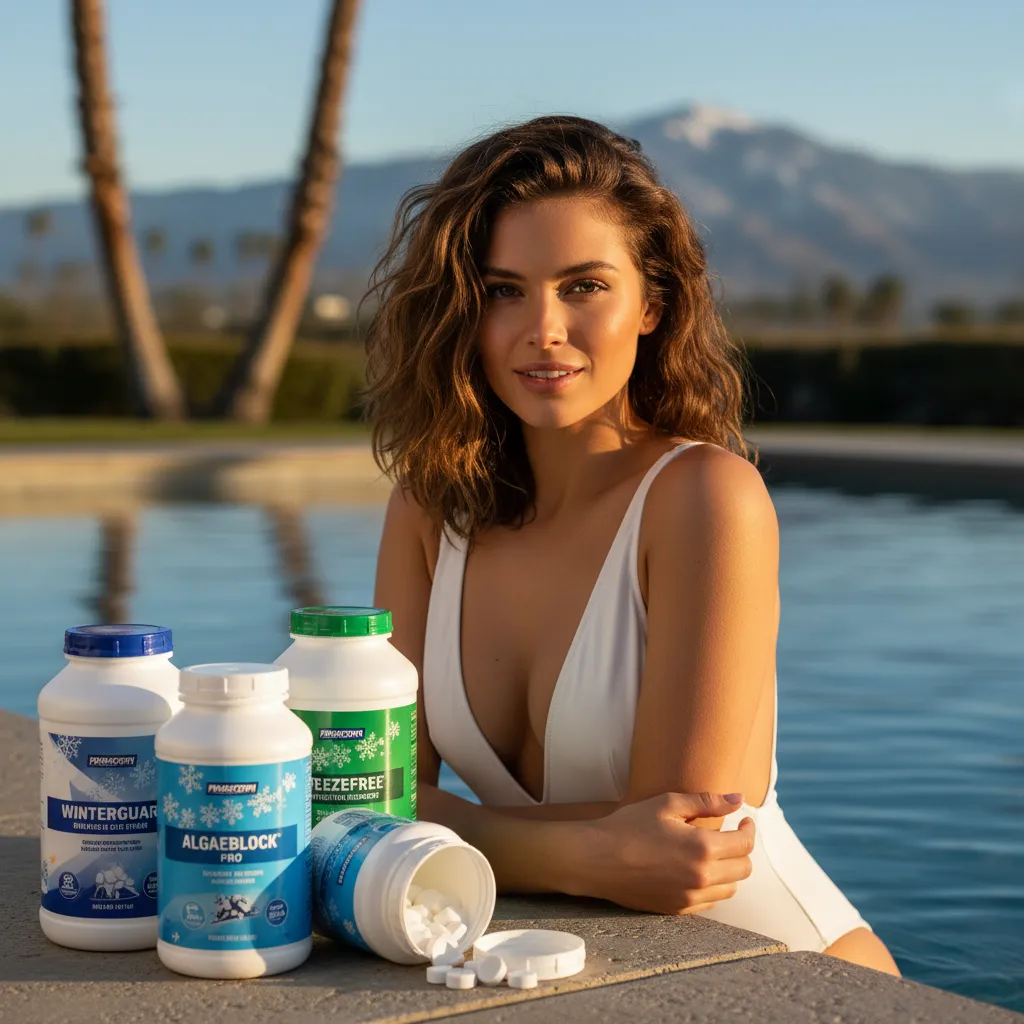
"The all-in-one solution for a guaranteed clear spring opening."
All-in-One Closing Chemical Kit
Winter demand is high - check stock

"The 'set & forget' option. This is the easiest winterizing I've ever done."
Simple 3-in-1 Winterizing Balls
Winter demand is high - check stock
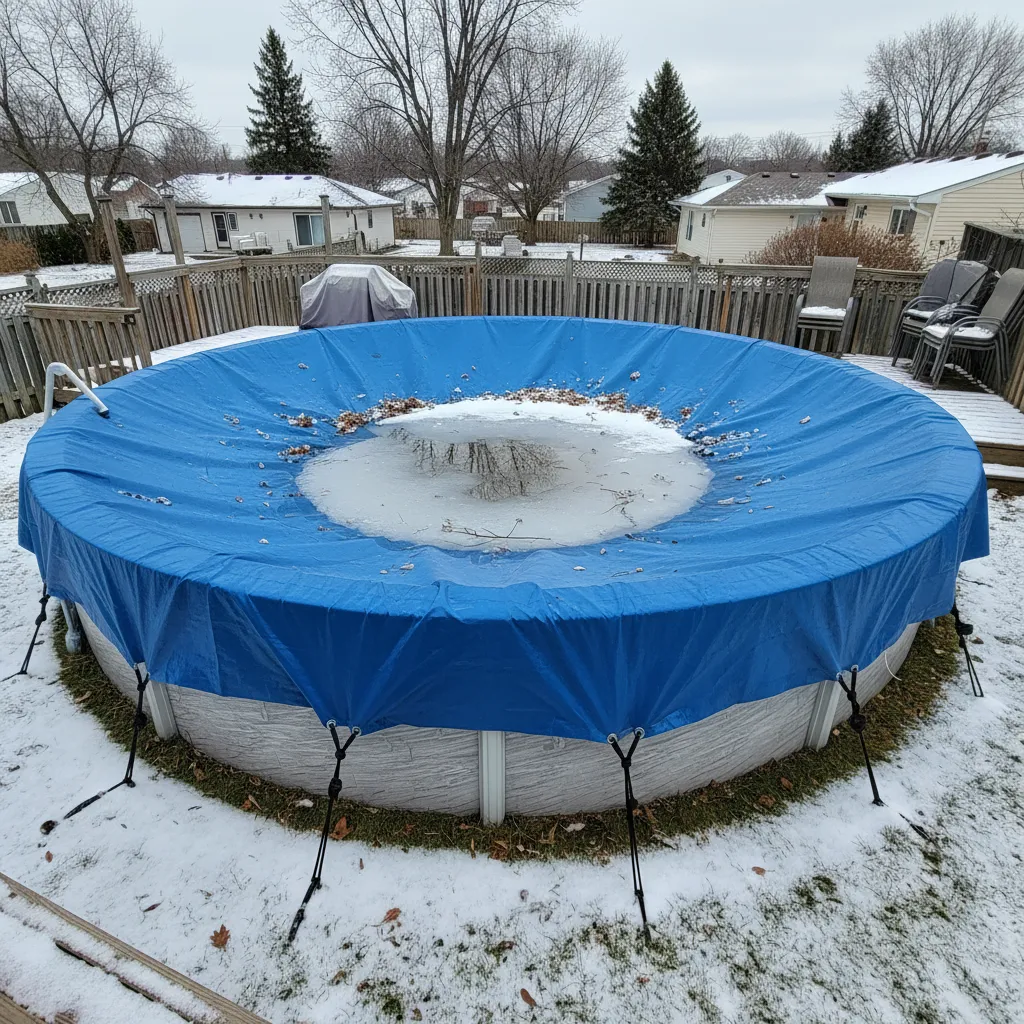
"Invest once to protect your liner and prevent a swamp in the spring."
Heavy-Duty Winter Pool Cover
Winter demand is high - check stock
Why Choosing the Right Sanitizer Matters
Hot tubs operate at temperatures around 100°F – ideal for pathogens to thrive. Unlike swimming pools, the warm, compact environment demands a sanitizer that maintains effectiveness without degrading quickly. Bromine and chlorine differ in their reaction speeds, pH tolerance, and interaction with organic matter. Selecting the wrong option leads to frequent chemical adjustments, skin irritation, or inconsistent water clarity.
Bromine excels in high-heat settings due to its stability, retaining potency longer than chlorine in warm water. Chlorine, while faster-acting, breaks down at higher temps, requiring more frequent dosing. For example, chlorine loses 50% effectiveness in 100°F water within 2 hours, while bromine retains 70% potency over the same period. This impacts maintenance routines and long-term costs.
Skin sensitivity also plays a role. Bromine produces fewer chloramines – compounds linked to eye irritation and harsh odors. Chloramines form when chlorine binds with nitrogen-based contaminants, common in frequently used tubs. Those with eczema or allergies often prefer bromine’s milder profile. Still, chlorine’s rapid oxidation makes it a go-to for addressing sudden bacterial spikes after heavy use.
Transitioning to the next topic, let’s examine how bromine functions as a sanitizer and its specific application methods in hot tubs.
How Bromine Works in Hot Tubs
Bromine operates as a reliable sanitizer by targeting contaminants through oxidation. Unlike other chemicals, it remains effective under high temperatures common in hot tubs, making it suited for warm water environments. Choosing the right chemicals for your pool is essential for maintaining water quality. Regularly ordering bromine and other pool chemicals ensures your pool stays clean and safe for swimmers.
Mechanism Of Bromine Sanitization
When dissolved in water, bromine releases hypobromous acid—the active form that neutralizes bacteria, viruses, and organic matter. This compound breaks down contaminants without fully dissipating, allowing it to regenerate partially during use. Bromine’s stability at temperatures up to 104°F prevents rapid degradation, ensuring longer-lasting sanitization between treatments.
Forms Of Bromine: Tablets, Granules, and Starters
Bromine comes in three primary forms. Slow-dissolving tablets fit into feeders or floaters for steady release. Granular bromine works for initial dosing or shock treatments, dissolving quickly to elevate sanitizer levels. Sodium bromide starters establish a bromide reserve, which oxidizers like MPS (potassium monopersulfate) activate to produce hypobromous acid. Tablets cost $50-$80 per 5-pound bucket, while granules range from $30-$60 for similar quantities.
Using Bromine in Floating Dispensers
Floating dispensers regulate bromine tablet dissolution by controlling water flow through adjustable vents. Place them away from jets to prevent rapid tablet breakdown. Test bromine levels weekly, maintaining 3-5 ppm for optimal performance. For inflatable tubs, use granular bromine to avoid feeder compatibility issues.
How Chlorine Works in Hot Tubs
Chlorine delivers fast-acting sanitization by forming hypochlorous acid upon contact with water. This acid penetrates cell walls of pathogens, disrupting enzymes and eliminating microbes within minutes. While effective, chlorine’s potency diminishes faster in heated water, requiring more frequent replenishment. To keep your pool safe year-round, it’s important to consider proper maintenance, especially during the colder months. Using pool antifreeze can help protect your pool from freezing without harming the environment or your pool equipment.
Mechanism Of Chlorine Sanitization
Free available chlorine (FAC) represents the active sanitizing component, measured at 1-3 ppm in hot tubs. Hypochlorous acid oxidizes contaminants but breaks down when exposed to UV light, organic load, or temperatures above 95°F. Combined chlorine (chloramines) forms when FAC bonds with nitrogen compounds, creating the harsh odor linked to chlorine use.
Available Forms: Tablets, Liquid, and Granules
Trichlor tablets dissolve slowly in feeders, ideal for maintaining residual levels. Liquid chlorine (sodium hypochlorite) acts rapidly but degrades within weeks if stored improperly. Granular dichlor stabilizes with cyanuric acid, while calcium hypochlorite lacks stabilizers, suited for single-use shocking. Chlorine tablets cost $20-$40 per 5-pound bucket—less than bromine—but require weekly testing to prevent overstabilization.
With both sanitizers covered, let’s examine how their chemical behaviors influence real-world performance in hot tubs.
Also See: Can Lice Be Spread in Pools? Here’s What to Know
Bromine Vs Chlorine: Key Differences in Hot Tub Sanitization
Picking the right sanitizer for your hot tub shapes water quality, user comfort, and upkeep. Let’s break down how bromine and chlorine stack up in key areas.
Chemical Stability and Temperature Tolerance
Bromine stays active longer in hot water. At 100°F, it keeps killing germs for hours. Chlorine breaks down 3x faster at these temps, needing more frequent doses. Bromine also works in pH up to 8.0, while chlorine loses power above 7.8.
Odor Comparison: Bromine Vs Chlorine Smell
Chlorine gives off a sharp “pool smell” from chloramines—harsh byproducts that sting eyes. Bromine has a milder odor, even when mixed with sweat or oils. This makes it better for small, covered tubs where smells get trapped. Regular testing of chemical levels is crucial for maintaining clear and safe water. Inconsistent chlorine readings can make it difficult to know when to add more chemicals or if the water quality is at risk.
Impact on Water Chemistry and Ph Balance
Chlorine pushes pH up, so you’ll add more acid to stay in the 7.2-7.8 range. Bromine needs fewer pH tweaks, saving time on tests. For soft water, chlorine can cause metal stains; bromine resists this issue.
Effectiveness Against Bacteria and Algae
Both kill E. coli and staph in 30 seconds. Chlorine beats bromine at wiping out green algae fast. But bromine keeps working after use, fighting biofilm in pipes better. For mold-prone tubs, bromine may need less shock treatments. The effectiveness of chlorine can be influenced by cyanuric acid. This acid helps stabilize chlorine, making it work longer in pools and preventing it from breaking down too quickly.
Pros and Cons Of Bromine in Hot Tub Maintenance
Bromine suits owners who soak daily or have skin issues. But it’s not perfect for every setup.
Advantages: Gentler on Skin, Stable Performance
Bromine causes fewer rashes and dry skin. It stays active even with heavy use, so levels stay steady between checks. For tubs used 5+ times a week, bromine cuts test kits to 2x weekly vs chlorine’s 4x. This makes bromine a more convenient option for regular tub users. With consistent levels, it helps maintain a cleaner head string pool.
Disadvantages: Higher Initial Cost, Residue Concerns
A 25lb bromine tablet bucket costs $80-$120 vs $40-$60 for chlorine. Bromine leaves white crust on jets if levels creep above 6ppm. It also needs sodium bromide starters ($15-$25) to activate after refills.
Pros and Cons Of Chlorine in Hot Tub Maintenance
Chlorine wins for quick fixes and tight budgets, but has trade-offs.
Advantages: Cost-effective, Rapid Sanitization
Chlorine tablets run $1-$2 per pound. It zaps new germs in 10-15 minutes—good for parties or rentals. For weekly users, chlorine costs 30% less per month than bromine.
Disadvantages: Harsh Odor, Skin Irritation Risks
Chlorine dries out skin and fades swimsuits faster. At 3ppm, some users get red eyes or itch. It also needs daily checks in humid climates where levels swing fast.
Now that we’ve compared their pros and cons, let’s explore how these sanitizers affect daily care routines.
Practical Considerations for Hot Tub Owners
Balancing sanitizer use with daily maintenance needs shapes the hot tub experience. Each chemical demands specific care routines to keep water safe and clear.
Testing Frequency and Water Balance
Bromine stays active longer in heat, requiring testing every 2-3 days. Aim for 3-5 ppm levels. Chlorine degrades faster above 90°F, needing daily checks to maintain 1-3 ppm. Both require pH levels between 7.2-7.8, but bromine tolerates slight alkalinity shifts better. Test strips or digital kits work for both chemicals, though bromine-specific strips prevent misreadings. Regularly checking chemical levels is important for overall pool maintenance. Running the pool filter at the right frequency helps keep the water clean and clear, supporting the effectiveness of these chemicals.
Shocking Requirements: Bromine Vs Chlorine
Chlorine systems need weekly non-chlorine shock (MPS) to break down contaminants. Bromine relies on “reactivation” shocks using sodium dichlor (10-15 ppm) every 7-10 days. Over-shocking bromine creates bromamines, which remain sanitizing—unlike chlorine’s irritant chloramines. For heavy use, chlorine may require 2x weekly shocks. In contrast, natural pool cleaners offer an eco-friendly alternative to these chemical methods. They utilize plants and biofilters to keep the water clear and safe without harsh additives.
Cost Comparison Over Time
Bromine tablets cost $80-$120 for 25 lbs, lasting 4-6 months in a 400-gallon tub. Chlorine tablets run $50-$80 for 25 lbs but deplete 30% faster. Granular bromine adds $10-$15 monthly, while liquid chlorine costs $8-$12 monthly. Over a year, bromine averages $220-$300 versus chlorine’s $180-$250—but factor in reduced refills for low-usage setups.
Compatibility With Inflatable Hot Tubs
Chlorine can degrade PVC seams in inflatables above 3 ppm. Bromine’s lower acidity (pH 6.8-7.2) suits vinyl liners better. Portable models with built-in filters often specify bromine-only use. For Intex or Coleman inflatables, limit chlorine doses to 1 ppm and rinse jets weekly to prevent material breakdown. Knowing how these chemicals affect your pool’s materials is important when considering pool size. The volume of water, measured in gallons, also plays a key role in maintaining proper chemical levels.
Safety and Skin Sensitivity
Skin reactions drive 43% of hot tub chemical switches, per CDC data. Choosing the right sanitizer minimizes irritation risks without sacrificing cleanliness.
Red Eyes and Skin Reactions: Bromine Vs Chlorine
Chlorine bonds with sweat to form chloramines, causing red eyes in 15% of users. Bromine’s slower reaction rate reduces vapor release, cutting eye irritation by 60%. For eczema or psoriasis, bromine’s hypoallergenic profile lowers flare-ups. Rinse suits after chlorine use to remove residual disinfectants.
Managing Swimmer’s Itch and Allergies
Bromine eliminates Pseudomonas bacteria (linked to swimmer’s itch) at 2 ppm within 30 seconds—chlorine requires 5+ minutes. Those with sulfa allergies should avoid bromine, as sodium bromide contains sulfur derivatives. Pre-soaking filters in enzyme cleaners reduces allergen buildup in both systems. Proper pool maintenance is essential to prevent mold growth. Regular cleaning and the right chemicals can help you get rid of black mold in your pool.
Error: Invalid image ID.
Bromine and Chlorine in Specialized Systems
Modern hot tubs integrate alternative sanitizing tech, but compatibility varies between bromine and chlorine setups.
Comparison With Saltwater Hot Tub Systems
Salt systems electrolyze NaCl to generate chlorine, making bromine incompatible. Bromine tubs can’t use salt cells without damaging the generator plates. Chlorine-based saltwater systems maintain 1-3 ppm sanitizer levels but require $200-$500 annual cell replacements. Bromine users gain a similar “soft water” feel by adding 50 ppm borates. Additionally, proper water balance is crucial for pool maintenance. Using a phosphate remover can help prevent algae growth and keep your pool clean.
Using Sodium Bromide in Hot Tubs
Sodium bromide (NaBr) jumpstarts bromine systems at 30 ppm. When shocked, NaBr converts to active hypobromous acid. Never mix with chlorine—it creates bromine chloride gas. For converting chlorine tubs to bromine, drain first to prevent cross-reactions. NaBr banks last 4-6 months before needing renewal.
Up next: We’ll tackle your top questions about bromine vs chlorine for hot tubs, from dosing quirks to sauna adaptations.
FAQs: Bromine Vs Chlorine for Hot Tubs
Can I Switch Between Bromine and Chlorine Mid-treatment?
Switching sanitizers requires a full drain and system flush. Residual bromine reacts with chlorine to produce bromine chloride gas, which damages equipment and irritates lungs. Always consult your hot tub manual before transitioning.
How Do Storage Conditions Affect Bromine and Chlorine Shelf Life?
Chlorine tablets degrade rapidly in humid environments—store in airtight containers below 75°F. Bromine tablets last 2+ years in cool, dry spaces but clump if exposed to moisture. Never mix old and new chemical batches.
Which Sanitizer Works Better With Ozone or UV Systems?
Bromine pairs well with ozone generators, as ozone reactivates bromide ions into hypobromous acid. Chlorine conflicts with UV-C systems—UV light breaks down free chlorine, requiring 25% higher dosing to maintain efficacy. The choice of sanitizer can impact the effectiveness of different water treatment systems. Saltwater generators, for example, produce chlorine through electrolysis, providing a more consistent level of sanitation.
Are Bromine or Chlorine Tablets Safer Around Pets?
Both chemicals pose risks if ingested. Bromine tablets often contain algae inhibitors like dimethylhydantoin, which are toxic to dogs. Store all sanitizers in locked cabinets and rinse tub covers before pet access. When setting up your pool area, it’s also important to consider the type of furniture you choose. Comfortable pool chairs can enhance the experience and provide a safe space for relaxation.
How Does Rainfall or Snow Impact Bromine/chlorine Levels?
Heavy precipitation dilutes sanitizer concentration. For outdoor tubs, test after storms—chlorine may need 50% more tablets, while bromine typically requires 1-2 extra granules per 200 gallons.
Can I Use Enzyme Cleaners With Both Sanitizers?
Yes—enzymes break down oils without affecting bromine/chlorine performance. For bromine systems, choose phosphate-free formulas to avoid clouding. With chlorine, avoid enzyme blends containing ammonium (check SDS sheets).
Closing Thoughts
Choosing between bromine and chlorine for your hot tub depends on your priorities. Bromine offers gentler sanitization with better temperature stability, while chlorine provides faster action at a lower cost. Skin sensitivity, maintenance habits, and budget all play a role in this decision.
Test your water regularly—2-3 times weekly—regardless of your sanitizer choice. Bromine maintains ideal levels between 3-5 ppm, while chlorine works best at 1-3 ppm. Both require periodic shocking: chlorine weekly, bromine biweekly.
For detailed water chemistry calculations and maintenance schedules, explore our tools at My Pool Calculator. Our resources help simplify hot tub care, whether you’re balancing bromamines or neutralizing chloramines.
The right choice becomes clear when you match the sanitizer to your usage patterns. Frequent soakers often prefer bromine’s mildness, while occasional users may opt for chlorine’s affordability. Your perfect soak starts with informed water care.
Additional Resources for You:
- Pool & Hot Tub Alliance (PHTA) – Industry Standards & Training
- Bromine vs. Chlorine for Spas & Hot Tubs
- Chlorine or bromine? Choosing the best hot tub sanitizer – Master Spas Blog
- r/hottub on Reddit: The ultimate debate – bromine? or chlorine? which one do you use and why?
- Bromine vs Chlorine: Choosing the Right Sanitizer for Your Hot Tub | Bullfrog Spas