Do Test Strips Measure Free Chlorine, Total Chlorine, or Both?
Published on: February 18, 2026 | Last Updated: November 17, 2025
Written By: Rachael Weatherbottom
Most pool test strips measure both free chlorine (FC) and total chlorine (TC), but results depend on the specific product. Free chlorine refers to active sanitizer available to kill bacteria, while total chlorine includes FC plus combined chlorine (used-up sanitizer that forms chloramines). The difference between TC and FC reveals combined chlorine levels, which cause pool odors and irritation. Not all strips display both values—some show only FC or TC, requiring careful label checks before purchase.
This article breaks down how chlorine test strips detect these measurements, why certain readings matter more for pool health, and common mistakes that skew results. You’ll find clear comparisons of strip types, including multi-parameter options that track pH and alkalinity alongside chlorine. We’ll also explore how sunlight, expired strips, or improper dipping techniques affect accuracy.
Learn to interpret color changes correctly, address imbalances like high total chlorine, and choose reliable testing methods. From step-by-step dip procedures to comparing strips with liquid test kits, these insights help maintain ideal 1-3 ppm free chlorine levels for safe, crystal-clear water all season.
Understanding Free Chlorine Vs Total Chlorine in Pool Care
Maintaining safe swimming conditions requires grasping two critical measurements: free chlorine (FC) and total chlorine (TC). These values dictate whether your pool water actively fights contaminants or harbors irritants. Let’s break down their roles. A low chlorine pool can provide a more comfortable swimming experience. Many swimmers prefer these pools because they often have fewer irritating chemicals.
Crucial Winterizing Products
"The all-in-one solution for a guaranteed clear spring opening."
All-in-One Closing Chemical Kit
Winter demand is high - check stock

"The 'set & forget' option. This is the easiest winterizing I've ever done."
Simple 3-in-1 Winterizing Balls
Winter demand is high - check stock
"Invest once to protect your liner and prevent a swamp in the spring."
Heavy-Duty Winter Pool Cover
Winter demand is high - check stock
Defining Free Chlorine (FC)
Free chlorine refers to sanitizing agents available to neutralize germs, algae, and organic matter. It consists of hypochlorous acid (HOCl) and hypochlorite ions (OCl⁻), which form when chlorine dissolves in water. FC levels between 1-3 ppm are ideal for most residential pools. This unspent chlorine acts as your first line of defense, attacking pathogens within seconds of contact. To maintain proper pool chemistry, balancing pH is also important. Sodium bisulfate is often used to lower pH levels in pools and help keep the water safe for swimming.
Defining Total Chlorine (TC)
Total chlorine represents all chlorine forms present in water, including free chlorine and combined chlorine (chloramines). Chloramines develop when FC binds to nitrogen-containing contaminants like sweat or urine. While TC gives a broad picture of chlorine content, values above 3 ppm often signal excess chloramines—a common cause of eye irritation or that “pool smell.”
The Relationship Between Free and Combined Chlorine
Combined chlorine is mathematically linked to FC and TC through a simple equation: TC = FC + Combined Chlorine. If TC exceeds FC, chloramines dominate, reducing sanitizing power. For example, a TC reading of 4 ppm with FC at 1 ppm means 3 ppm of chloramines exist. At this stage, shocking the pool becomes necessary to break apart these stubborn compounds.
Now that we’ve clarified these chlorine forms, let’s examine how test strips detect them—and why some readings matter more than others.
Do Test Strips Measure Free Chlorine in Pools?
Most pool test strips check free chlorine (FC) levels. These strips use color-changing pads with chemicals that react to FC, the active sanitizer that kills germs. Look for strips labeled “free chlorine” or with FC listed in their testing parameters. Choosing the right test strips can make all the difference in pool maintenance. The best pool test strips provide accurate readings quickly and easily.
How Free Chlorine Detection Works on Strips
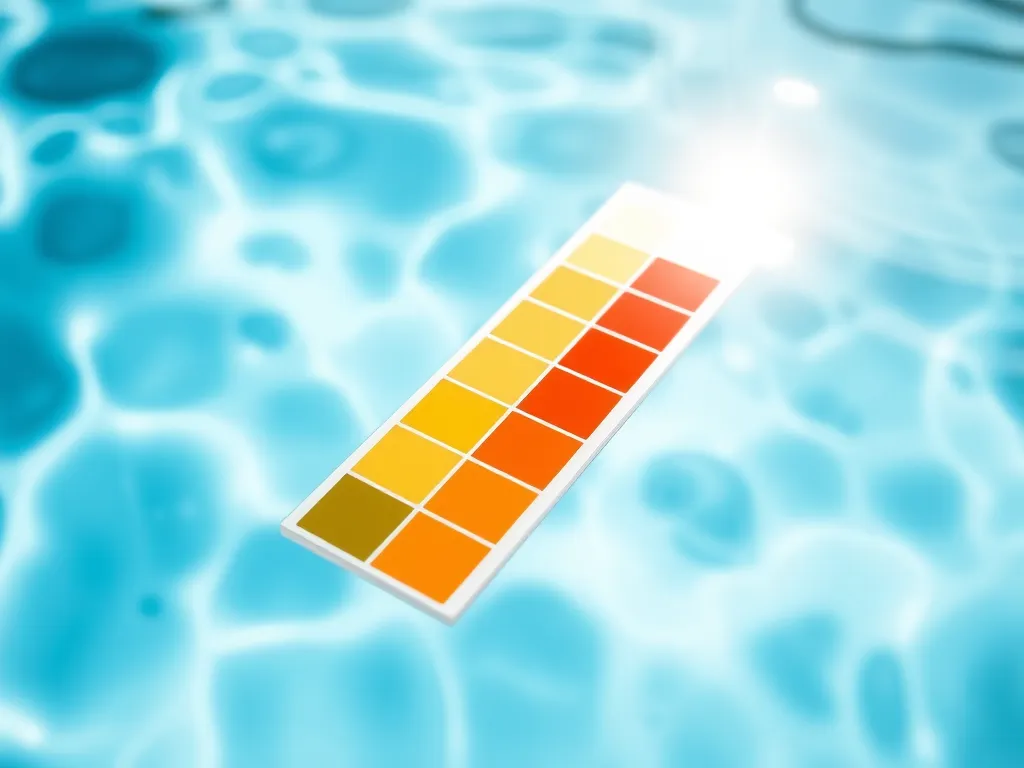
Test strips use reagents like DPD (diethyl-p-phenylenediamine) or OT (orthotolidine) on their pads. When dipped in water, FC reacts with these chemicals, causing a color shift. Higher FC levels create darker hues. For example, a 3 ppm reading might show bright yellow, while 10 ppm turns deep orange.
Interpreting Free Chlorine Results Accurately
Match the pad color to the chart within 15 seconds. Sunlight, high pH (above 8.0), or bromine can skew results. If the strip shows 0 FC but water looks clear, retest at sunset or add a pH adjuster. Strips work best when FC stays between 1-5 ppm for pools and 2-10 ppm for hot tubs.
Do Test Strips Measure Total Chlorine in Pools?
Some multi-parameter strips measure total chlorine (TC), which includes free chlorine plus combined chlorine (chloramines). Check the strip’s label—if it lists “total chlorine” or TC, it sums both forms. Strips made for basic testing often skip TC readings.
Components Included in Total Chlorine Readings
Total chlorine = free chlorine + combined chlorine. Test strips with TC pads use potassium iodide to detect all chlorine types. For example, if FC is 2 ppm and chloramines are 1 ppm, the strip will show 3 ppm TC. This helps spot contamination but doesn’t break down the ratio.
Limitations Of Total Chlorine Measurements
Strips can’t show how much TC is FC versus chloramines. High TC with low FC means you need shock treatment. Strips also struggle with TC above 10 ppm—colors may max out, hiding true levels. For precise splits (like 2 ppm FC vs 0.5 ppm chloramines), use a DPD liquid kit.
While strips give fast FC/TC snapshots, knowing when to dig deeper keeps pools safe. Up next: how dual-measure strips handle both readings and where they fall short.
Also See: Does Pool Stabilizer Go Bad? What You Need to Know
Can Test Strips Measure Both Free and Total Chlorine Simultaneously?
Many modern chlorine test strips analyze both free chlorine (FC) and total chlorine (TC) in a single dip. Multi-parameter strips use distinct chemical pads that react with different chlorine forms. Free chlorine detection relies on color-changing indicators like DPD (N,N-diethyl-p-phenylenediamine), while total chlorine measurements account for combined chloramines through secondary reactions.
Comparing Multi-parameter Test Strips
Brands like AquaChek Select 7-in-1 or Poolmaster 5-Way Strips include dual chlorine testing. These strips feature separate reagent zones: one pad measures FC (0-10 ppm), while another calculates TC (0-20 ppm). Not all strips display both values – budget options may only show TC. Verify packaging claims for “free chlorine total chlorine” metrics before purchasing. For precise readings, select strips with ≤0.5 ppm sensitivity margins. After testing your pool water, it’s important to think about the effects of adding soda ash. Waiting a certain period after using soda ash can help ensure proper water balance.
| Test Strip Brand | Free Chlorine Range | Total Chlorine Range |
|---|---|---|
| AquaChek Select | 0-10 ppm | 0-20 ppm |
| Taylor K-1004 | 0-5 ppm | 0-10 ppm |
| HTH 6-Way | 0-3 ppm | 0-10 ppm |
Reading Combined Results Correctly
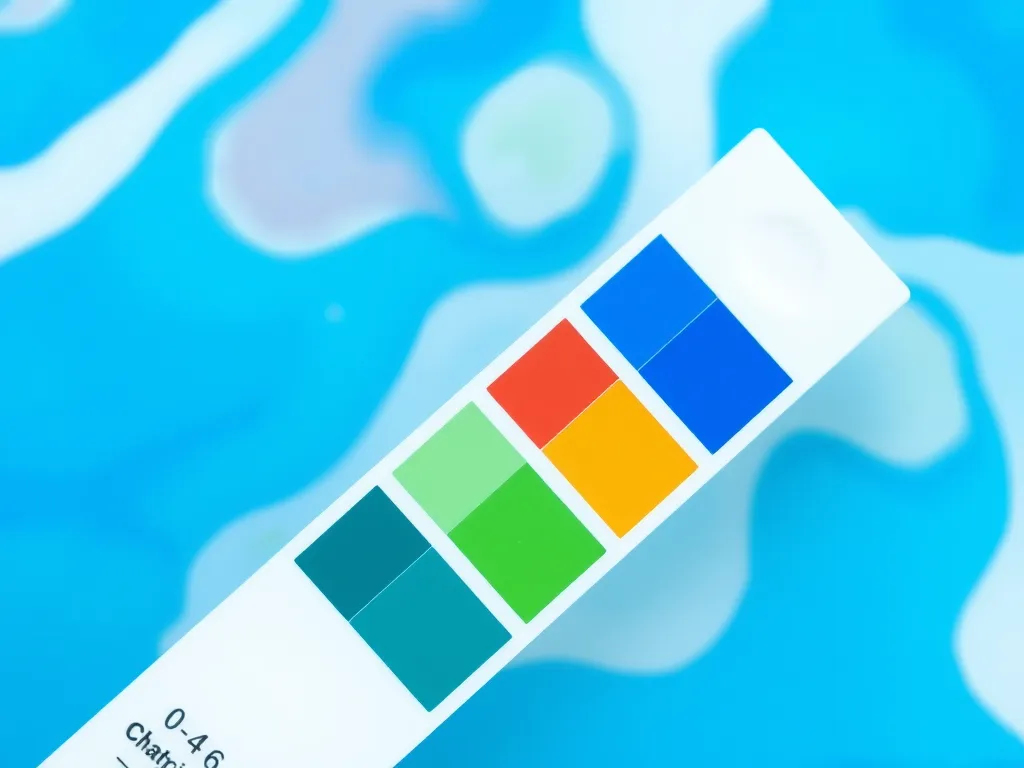
Hold the strip level after dipping to prevent reagent bleed between pads. Match FC and TC colors within 15 seconds under natural light – delayed readings over 30 seconds may show false highs. Subtract FC from TC to determine combined chlorine (CC): a 2 ppm TC with 1.5 ppm FC indicates 0.5 ppm CC. Strips cannot directly measure chloramines but reveal their presence through this TC-FC gap.
How to Properly Use Chlorine Test Strips for Pool Water
Accurate results demand strict protocol. Store strips in sealed containers below 80°F – heat degrades reagents. Check expiration dates; most strips lose reliability 6 months after opening.
Step-by-step Testing Procedure
Dip the strip 18″ below water surface for 2 seconds. Remove without shaking – excess water dilutes reagents. Hold horizontally for 15 seconds (DPD-based) or 30 seconds (OTO-based). Compare colors immediately under neutral lighting. For digital analysis, use apps like PooliStick with color-calibrated strip readers (±0.2 ppm accuracy). Testing water regularly helps maintain safety in recreational environments. Wave pool water testing ensures the health and enjoyment of all visitors.
Common Mistakes to Avoid
Fingers contacting reagent pads skew results due to skin oils. Dipping longer than 3 seconds oversaturates pads, causing “bleed” between zones. Testing immediately after adding chlorine leads to false spikes – wait 4 hours post-treatment. Strips stored in humid areas develop >5% error rates within 30 days.
Interpreting Discrepancies: When Total Chlorine Exceeds Free Chlorine
A TC reading higher than FC signals combined chlorine buildup – typically chloramines from nitrogen compounds in sweat, urine, or algae. Persistent gaps above 0.5 ppm require intervention.
Causes Of Elevated Total Chlorine Levels
Chloramines form when FC reacts with ammonia (swimmer waste) or amino acids (algae decay). Heavy rainfall dilutes FC faster than TC, widening the gap. Low cyanuric acid levels (<30 ppm) accelerate FC burnout, leaving chloramines intact.
Corrective Actions for Pool Owners
Shock the pool with sodium dichlor (2 lbs per 10,000 gallons) at dusk to eliminate chloramines. For non-swimmer weeks, use non-chlorine oxidizers like potassium monopersulfate (4 oz per 500 gallons). Maintain FC at 3 ppm minimum – levels below 1 ppm allow chloramine proliferation. The balance between chlorine and cyanuric acid is important for effective pool sanitation. Cyanuric acid helps stabilize chlorine, making it more effective in keeping the pool clean.
With these insights, let’s examine why prioritizing free chlorine matters for lasting water safety.

Why Free Chlorine Levels Matter Most for Pool Maintenance
Maintaining proper free chlorine levels serves as the first line of defense against contaminants in pool water. While total chlorine measurements provide useful data, free chlorine directly impacts water safety. To keep these levels in check, adding a pool filter can be very effective. A good filter helps remove debris and impurities, ensuring the water remains clean and safe for swimming.
The Role Of Free Chlorine in Sanitation
Free chlorine (FC) refers to unbound chlorine available to neutralize bacteria, viruses, and organic matter. When chlorine binds with contaminants, it forms chloramines (combined chlorine), losing sanitizing power. Test strips measure free chlorine levels typically between 1-10 ppm, giving pool owners real-time insight into active sanitizer capacity. Proper FC concentrations (2-4 ppm for residential pools) ensure continuous oxidation of debris while preventing microbial growth. Keeping free chlorine levels balanced is important for maintaining a clean and safe pool environment. This is also crucial in deterring ducks from entering the pool, as they are less likely to be attracted to water that is properly treated and sanitized.
Risks Of Inadequate Free Chlorine Concentrations
Levels below 1 ppm allow algae spores to multiply rapidly, turning water cloudy within hours. More critically, low FC fails to inactivate pathogens like E. coli or Cryptosporidium, posing health risks. Test strips designed to check free chlorine help detect these dips before problems escalate. Persistent chlorine demand—where FC drops quickly after shocking—often signals excessive organic load requiring oxidation.
Accuracy Of Chlorine Test Strips: What Pool Owners Should Know
While convenient, test strips face scrutiny over precision. Most strips measure free chlorine using color-changing dyes reacting with hypochlorous acid (HOCl), the primary sanitizing form. Total chlorine readings sum free chlorine and combined chlorine through separate reagent pads.
Factors Affecting Measurement Reliability
Strip accuracy depends on storage conditions, expiration dates, and exposure to moisture. High cyanuric acid (CYA) levels above 50 ppm can blunt free chlorine readings by up to 15%. Water temperature extremes below 50°F or above 90°F also skew results. For reliable data, dip strips for exactly 2 seconds, remove immediately, and read within 15 seconds under natural light.
Comparing Strips to Liquid Test Kits
Liquid test kits using the DPD method measure free chlorine within ±0.2 ppm precision versus ±0.5 ppm for strips. While strips test free chlorine and total chlorine simultaneously, liquid kits require separate reagents for each parameter. Strips cost $0.10-$0.25 per test, while liquid reagents run $0.30-$0.50 per test. For pools with persistent combined chlorine issues, liquid testing provides clearer resolution. Proper testing is essential for pool maintenance. Pool cleaners rely on accurate readings to keep water safe and clean.
Alternative Methods for Testing Chlorine Levels in Pools
When test strips show conflicting results or lack needed precision, supplemental testing methods verify readings. Multi-platform validation helps maintain ideal free chlorine versus total chlorine ratios. Combining different types of pool test strips ensures more accurate results. This approach allows pool owners to better manage water chemistry effectively.
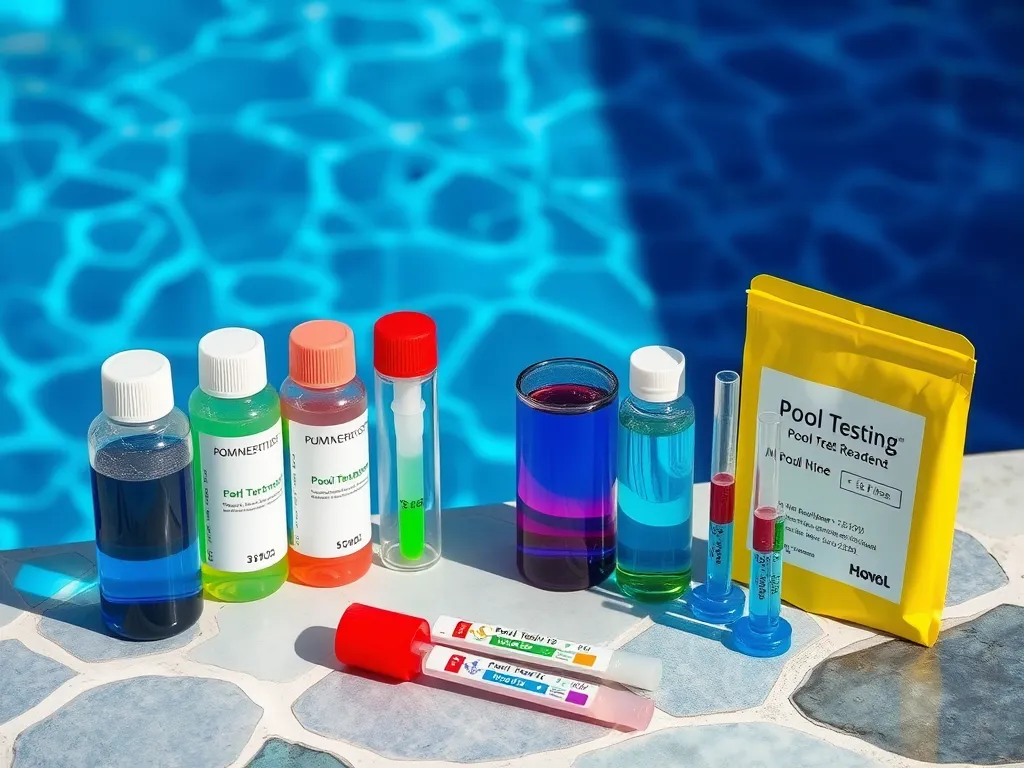
Liquid Reagent Test Kits
DPD (N,N-diethyl-p-phenylenediamine) liquid kits remain the gold standard for differentiating free chlorine from combined forms. Adding DPD #1 reagent turns samples pink proportional to FC levels. DPD #3 detects total chlorine through a separate reaction. The color intensity, measured visually or with a photometer, gives precise ppm values. These kits detect chloramines indirectly by subtracting FC from total chlorine.
Digital Testers and Their Advantages
Electronic testers like the LaMotte ColorQ or Taylor Saltron eliminate color-matching guesswork. Using spectrophotometry, they measure light absorption at specific wavelengths to determine free chlorine levels within ±5% accuracy. High-end models store data logs, track trends, and sync with pool management apps. While priced between $100-$300, digital testers streamline testing for pools with complex chemistry needs.
With multiple testing options available, the next step involves interpreting results to balance sanitation needs against water comfort.
Frequently Asked Questions About Chlorine Test Strips
Can Test Strips Measure Chlorine in Saltwater Pools?
Yes, most chlorine test strips work in saltwater pools, as they detect hypochlorous acid (the active sanitizer) regardless of chlorine source. However, high salt concentrations (above 4,000 ppm) may slightly delay color development. For saltwater systems, use strips specifically rated for saline environments, like AquaChek Salt Water strips, which account for sodium chloride interference.
How Should I Interpret Colors That Don’t Match the Chart Exactly?
If the pad color falls between two chart values, estimate based on proximity. For example, a shade halfway between 1 ppm and 3 ppm suggests ≈2 ppm free chlorine. For critical decisions (like shocking pools), retest or verify with a liquid kit. Digital strip readers like Poolometer can analyze ambiguous colors with 90% accuracy.
Why Would Strips Show Zero Chlorine When I’ve Added It Recently?
This usually indicates rapid chlorine consumption from contaminants or UV degradation. Test strips may read 0 ppm FC if algae blooms or heavy swimmer loads deplete chlorine faster than it’s replenished. Retest after sunset to rule out sunlight interference, and consider shocking the pool if levels remain low. It’s also important to check cyanuric acid levels. Adjusting cyanuric acid can help stabilize chlorine and reduce rapid loss.
Do Test Strips Work With Bromine-treated Pools or Hot Tubs?
Most chlorine strips cannot distinguish bromine from chlorine and will give false high readings in bromine systems. Use bromine-specific test strips like Taylor K-2106, which measure total bromine (not total chlorine). Bromine’s lower oxidation potential also requires different ideal ranges (3-5 ppm vs chlorine’s 1-3 ppm). Keeping the right levels is important for water quality. To maintain clarity and safety, it’s essential to run the pool filter regularly.
Does Cold or Hot Water Affect Strip Accuracy?
Extreme temperatures alter reaction speeds. Below 50°F, color development slows – wait 30 seconds before reading instead of 15. Above 90°F, colors may fade quickly; read immediately after dipping. For precise cold-weather testing, warm the water sample to 68-77°F (20-25°C) before using strips.
Closing Thoughts
Test strips provide a quick way to measure both free and total chlorine, giving pool owners valuable insights into water quality. While they offer convenience, understanding their limitations ensures accurate readings for proper pool maintenance.
Free chlorine remains the critical measurement for effective sanitation. When total chlorine exceeds free chlorine, it signals contamination that needs addressing. Test strips serve as a useful tool, but combining them with liquid test kits or digital testers improves accuracy.
For more precise calculations and tailored pool care advice, check out My Pool Calculator. Our tools help simplify water balance decisions, ensuring your pool stays clean and safe with minimal guesswork.
Additional Resources for You:
- How to Read Chlorine Test Strips for Drinking Water – SimpleLab Tap Score
- Chlorine Test Strips
- r/hottub on Reddit: Bromine vs free chlorine vs total chlorine?
- WaterWorks™ 2 Free & Total Chlorine Visual Test Strips (Pocket Packs) | Industrial Test Systems
A pool care geek who’s been testing water chemistry since she was tall enough to reach the skimmer.
Pool Chemistry, Test Strips, Water Testing