Can You Swim in an Indoor Pool During a Thunderstorm? Safety & Pool Care Guide
Published on: February 8, 2026 | Last Updated: November 17, 2025
Written By: Rachael Weatherbottom
No, swimming in an indoor pool during a thunderstorm is not safe. Lightning can travel through plumbing, electrical systems, or conductive building materials, creating a risk of electrocution even indoors. Water conducts electricity, and indoor pools often contain metal ladders, lights, or wiring that may carry a current during a strike. The National Weather Service and Red Cross recommend avoiding all water activities—indoor or outdoor—until 30 minutes after the last thunderclap.
This guide breaks down the science behind lightning risks in indoor pools and explains why “sheltered” doesn’t mean “safe.” You’ll learn how lightning enters buildings, review documented cases of pool-related strikes, and discover the safety protocols used by public aquatic centers. We’ll also explore how storms impact pool chemistry and equipment, from surge protectors to chlorine levels.
By the end, you’ll know how to protect swimmers during severe weather, maintain pool systems in storm conditions, and handle post-storm maintenance. We’ll answer questions like “Can lightning rods protect indoor pools?” and “Do pool covers help during storms?” while debunking common myths about water conductivity and thunderstorm safety.
Understanding the Risks Of Swimming in Indoor Pools During Thunderstorms
Is It Safe to Swim in an Indoor Pool When It’s Lightning?
No. Water draws lightning, and pools act as paths for electric flow. Even indoors, swimmers face risks. Lightning can pass through wires, pipes, or wet floors. The CDC says water sports rank high for lightning harm. Indoor pools lack full safety from strikes due to linked power grids or metal parts. During storms, it’s crucial to ensure that pools are safely treated to prevent hazards. Over shock pool measures help keep swimmers safe from electrical dangers during extreme weather.
Crucial Winterizing Products

"The all-in-one solution for a guaranteed clear spring opening."
All-in-One Closing Chemical Kit
Winter demand is high - check stock

"The 'set & forget' option. This is the easiest winterizing I've ever done."
Simple 3-in-1 Winterizing Balls
Winter demand is high - check stock
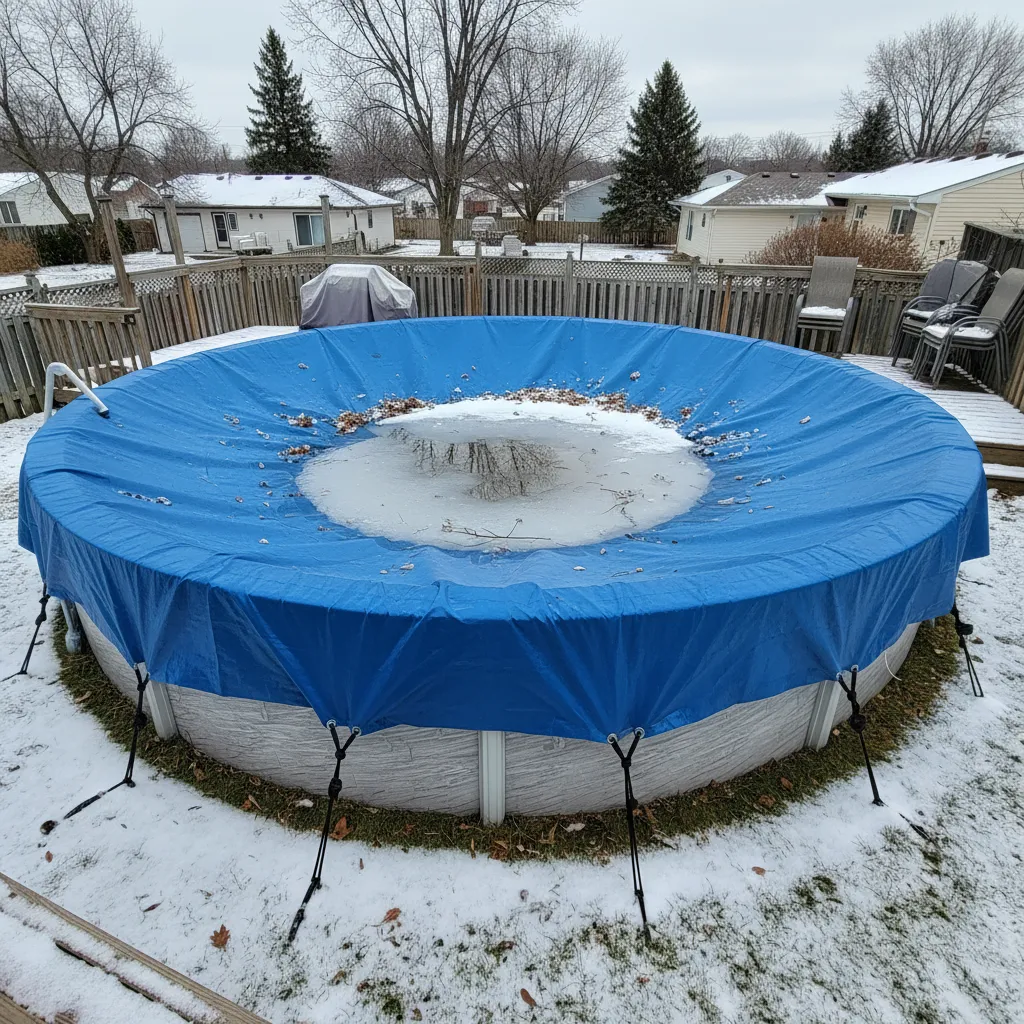
"Invest once to protect your liner and prevent a swamp in the spring."
Heavy-Duty Winter Pool Cover
Winter demand is high - check stock
Can Lightning Strike an Indoor Pool?
Yes. While rare, lightning can hit indoor pools. Metal beams, pumps, or wires in walls may pull current. A 2019 study found 5% of strikes hit pools with roofs. Lightning seeks the quick path to ground, which could mean pipes under the pool. Tall buildings nearby lower risk but don’t remove it. This shows how important it is to consider safety measures in pool design. Additionally, factors like pH levels and alkalinity can also influence the pool’s overall safety and water quality.
Has Anyone Ever Been Struck by Lightning in a Swimming Pool?
Yes. In 2018, a Florida man got hurt when lightning hit his home pool. The charge spread through water, causing burns. Data from the Nat’l Lightning Safety Inst. shows 12 pool-linked strikes yearly in the U.S. Most happen in rooms with skylights or thin roofs.
Do Indoor Pools Need to Be Cleared During Storms?
Yes. Many states require pools to close for 30 mins post-thunder. The Nat’l Weather Service backs this rule. Even small shocks can harm heart rhythms. Staff must check radar apps and sound alarms. Some pools use surge guards ($1,200-$3,500 systems) but still clear decks.
Knowing these risks shapes how we handle storm threats. Next, let’s break down the rules that keep swimmers safe when skies turn dark.
Safety Guidelines for Indoor Pool Use During Storms
What Are the Rules for Thunderstorms and Indoor Pools?
The Red Cross and National Swimming Pool Foundation (NSPF) mandate evacuating all indoor pools at the first thunderclap or lightning flash. Facilities must enforce a 30-minute waiting period after the last observed lightning or thunder before allowing reentry. This protocol aligns with National Weather Service recommendations, as storms can travel 10–12 miles rapidly. Lifeguards are trained to clear pools immediately, even for light rain paired with electrical activity. It’s also important to have safety measures in place when using an above ground pool. Installing a fence around the pool can help ensure that everyone stays safe during storms and other emergencies.
Why Can’t You Swim in an Indoor Pool During a Thunderstorm?
Water conducts electricity up to 3 million volts per lightning strike, creating lethal risks even under roofs. Metal ladders, pumps, and wiring create conductive pathways to pool water. While modern buildings use grounding systems and GFCI outlets, lightning can arc through plumbing or HVAC vents. The NWS reports 10% of lightning injuries occur indoors, often near water or windows.
How Long Can You Swim in an Indoor Pool During a Thunderstorm?
Swimming must stop the moment thunder is heard or lightning detected—no exceptions. The 30-30 rule applies: seek shelter if thunder follows lightning within 30 seconds, and wait 30 minutes post-storm. Indoor pools with skylights or retractable roofs pose higher risks, requiring extended evacuation times. Facility managers use weather apps like WeatherBug to track storm cells within a 10-mile radius. As summer ends, safety measures become even more important. Many pools traditionally close after Labor Day, marking the end of the swimming season.
Is It Safe to Use an Indoor Hot Tub During a Thunderstorm?
Hot tubs carry the same risks as pools during electrical storms. Jets and heaters connected to 240V systems can channel stray currents. The CPSC documented a case where lightning struck a nearby tree, traveled through underground pipes, and electrified a hot tub. Surge protectors rated for 40kA+ should protect equipment, but users must exit until storms pass. Annual grounding tests costing $200–$500 are recommended for tubs near windows. When considering safety features, it’s also important to think about how shade can benefit a swimming pool area. A shaded swimming pool enhances comfort and safety by reducing direct sun exposure during hot weather.

Addressing Common Scenarios: Rain, Lightning, and Indoor Pools
Can You Swim in an Indoor Pool When It’s Raining?
Swimming is permitted during rain if no thunder or lightning is present. Ensure ventilation systems manage humidity below 60% to prevent slippery decks. Facilities with flat roofs should check drainage every 15 minutes to avoid overflow. Rainwater pH (typically 5.4–5.8) can alter pool chemistry, requiring testing every 2 hours with Taylor K-2006 kits. After the rain, the fresh water can make swimming even more enjoyable. Many swimmers find the experience refreshing and unique, connecting them with nature in a special way.
Does Rain Affect Indoor Pool Visibility or Safety?
Heavy rain on roofs reduces natural light, lowering underwater visibility by 20–40%. Lifeguards may need supplemental LED lighting exceeding 100 lux at pool surface level. Humidity spikes above 70% can fog safety cameras—dehumidifiers maintaining 50–60% RH are critical. Non-slip coatings like SharkGrip (cost: $3–$5/sq ft) improve traction on wet surfaces. To keep pools clean during heavy rainfall, it’s important to backwash before vacuuming. This process helps remove debris and maintain water quality for safe swimming conditions.
Can Heavy Winds Damage Indoor Pool Structures?
Winds over 50 mph can compromise skylights, vent covers, or movable roofs. ASTM standards require pool enclosures to withstand 90 mph gusts. Post-storm checks should assess sealant cracks wider than 1/8”, loose panels, or water infiltration. Temporary wind braces for retractable roofs cost $1,500–$3,000 but prevent catastrophic failures during derechos or microbursts.
While structural integrity matters, water quality demands equal attention when storms approach. Let’s explore how to safeguard pool systems from electrical surges and chemical imbalances. This is where smart pool technology can make a difference. With advanced sensors and automation, pools can maintain optimal conditions even during adverse weather.
Also See: Does Water Seep Through Pool Covers? Learn More Here
Pool Care and Maintenance During Thunderstorms
Thunderstorms demand proactive measures to safeguard indoor pool infrastructure. While swimmers evacuate during lightning alerts, facility managers shift focus to protecting equipment and water quality. Just like other pool maintenance supplies, the effectiveness of pool test kits is crucial during storms. Always check the expiration dates on these kits to ensure accurate testing results.
Protecting Pool Electrical Systems From Storm Surges
Lightning-induced power surges can damage pool systems even indoors. Install UL-listed surge protectors (rated 50kA or higher) on pumps, heaters, and automation panels. Ground Fault Circuit Interrupters (GFCIs), which cut power during current imbalances, should be tested monthly. During storms, shut down non-essential systems like saltwater chlorine generators to prevent $800-$2,000 control board replacements. Facilities near flood zones may use waterproof enclosures rated IP68 for outdoor-connected equipment.
Monitoring Water Chemistry During Severe Weather
Humidity spikes from storms alter indoor pool environments. Use digital test strips to track:
| Parameter | Ideal Range | Storm Adjustments |
|---|---|---|
| pH | 7.2-7.6 | Add 1 lb sodium bicarbonate per 10k gal if below 7.0 |
| Chlorine | 1-3 ppm | Boost to 4 ppm if humidity exceeds 70% |
| Alkalinity | 80-120 ppm | Maintain 100+ ppm to buffer pH swings |
Run circulation pumps continuously to prevent stagnant zones where bacteria can bloom.
Post-storm Pool Structure Inspections
After storms, check for:
- Roof leaks near skimmer openings or light niches
- Cracks in tile grout from wind-induced pressure changes
- Debris in HVAC intakes affecting air quality
Use infrared thermometers to detect hidden moisture in walls. Test GFCI outlets with a multimeter to confirm 120V ±10% output.
Alternative Pool-safe Activities During Thunderstorms
When lightning cancels swim sessions, pivot to these storm-friendly options.
Poolside Games and Accessories for Stormy Days
Waterproof trivia boards ($25-$80) or floating card tables let guests play without entering the water. Acrylic-coated dominos and magnetic chess sets adhere to pool decks during gusts. For families, organize a “storm scavenger hunt” using laminated checklists to identify pool equipment like skimmer baskets or pressure gauges. As you prepare for outdoor activities, it’s also important to consider water management. A pool cover pump can help remove rainwater quickly and keep your pool area safe and dry.
Non-swimming Pool Maintenance Tasks
Staff can:
- Brush tile lines with 50/50 vinegar-water solution
- Lubricate pump o-rings with Teflon-based grease
- Log filter PSI readings to establish post-storm baselines
Use telescopic poles with squeegees to clear condensation from windows, improving visibility for weather monitoring.
While these protocols address immediate storm challenges, swimmers often have lingering questions about lightning physics and pool design.
FAQs: Swimming in Indoor Pools During Thunderstorms
How Do Building Codes Address Lightning Protection for Indoor Pools?
The National Electric Code (NEC Article 680) requires indoor pools to have equipotential bonding grids connecting all metal components (ladders, lights, pipes) to a common ground. These systems, when properly installed, reduce voltage gradients that could electrocute swimmers. Local codes may add requirements like lightning rods for pools in high-risk zones (e.g., Florida’s HVHZ areas). Annual inspections costing $150–$300 verify compliance.
What Emergency Response Training Do Indoor Pool Staff Receive for Lightning Incidents?
Lifeguards certified through the American Red Cross or Ellis & Associates complete storm response modules covering evacuation protocols, CPR for electric shock victims, and surge protector shutdowns. Drills simulate scenarios like submerged lightning strikes or power outages, with staff evaluated on clearing pools within 90 seconds. Advanced facilities use manikins with AED trainers to practice cardiac arrest interventions specific to electrical injuries. When dealing with pools, it’s also important to consider the distance from septic systems. Proper pool septic distance helps ensure both safety and sanitation in recreational areas.
Are Swimmers at Risk From Residual Electrical Currents After a Lightning Strike?
Yes. Lightning strikes can leave residual currents in pool water for up to 30 minutes post-strike. Voltage gradients as low as 10V/meter may persist near bonded metal fixtures. Facilities should use non-contact voltage testers (range: 12–1,000V AC) before allowing reentry. The NSPF advises maintaining a 3-foot dry perimeter around the pool until electrical systems are verified safe by licensed electricians. Keeping pool surfaces safe is crucial for everyone’s protection. Fiberglass pool liners offer a smooth and safe surface that is less likely to conduct electricity in such situations.
Closing Thoughts
Swimming in an indoor pool during a thunderstorm carries risks, even if the structure seems protected. Lightning can travel through plumbing and electrical systems, making water unsafe. While incidents are rare, the potential danger justifies caution.
Follow facility guidelines—most indoor pools close temporarily during storms. Use this time for maintenance checks or dry-side activities. After severe weather, inspect equipment for storm-related damage.
For more pool safety tips and maintenance calculators, visit My Pool Calculator. Our tools help balance water chemistry and track upkeep, keeping your pool ready for safe swimming when storms pass.
Additional Resources for You:
- ASTM International – Pool & Spa Standards
- FAQs • Are indoor pools safe in a thunderstorm?
- Lightning Safety and Indoor Pools: To Clear or Not to Clear | Operations | Parks and Recreation Magazine | NRPA
A pool care geek who’s been testing water chemistry since she was tall enough to reach the skimmer.
Pool Equipment Repair, Safety Equipment