Can You Have a Pool With a Septic Tank? What Homeowners Need to Know
Published on: January 20, 2026 | Last Updated: November 17, 2025
Written By: Rachael Weatherbottom
Yes, you can install a pool on a property with a septic tank, but it requires careful planning. The key factors are maintaining proper distances between pool components and septic system parts, managing drainage to prevent contamination, and following local health codes. Improper placement could damage underground pipes or disrupt wastewater treatment processes, creating health hazards and costly repairs.
This guide covers everything from septic system basics to advanced installation strategies. Learn how different pool types (inground vs above-ground) affect septic safety, why chlorine levels matter for wastewater treatment, and how to prevent groundwater contamination. We’ll break down state-specific regulations, structural precautions during excavation, and maintenance tips that protect both your pool and septic system.
You’ll find actionable solutions for common challenges, like redirecting backwash water away from leach fields (underground filtration areas) or reinforcing soil stability for inground pools. We’ve included real-world examples, such as Georgia’s 25-foot pool-to-septic-tank requirement, to help you navigate local laws. Whether you’re considering a temporary above-ground pool or planning a permanent inground installation, this article provides the knowledge to make informed decisions without compromising your septic system’s functionality.
Understanding Septic Systems and Pool Compatibility
Installing a pool near a septic tank requires grasping how both systems interact with land and water flow. Conflicts arise when pool placement disrupts wastewater treatment or structural integrity of buried components.
Crucial Winterizing Products

"The all-in-one solution for a guaranteed clear spring opening."
All-in-One Closing Chemical Kit
Winter demand is high - check stock

"The 'set & forget' option. This is the easiest winterizing I've ever done."
Simple 3-in-1 Winterizing Balls
Winter demand is high - check stock
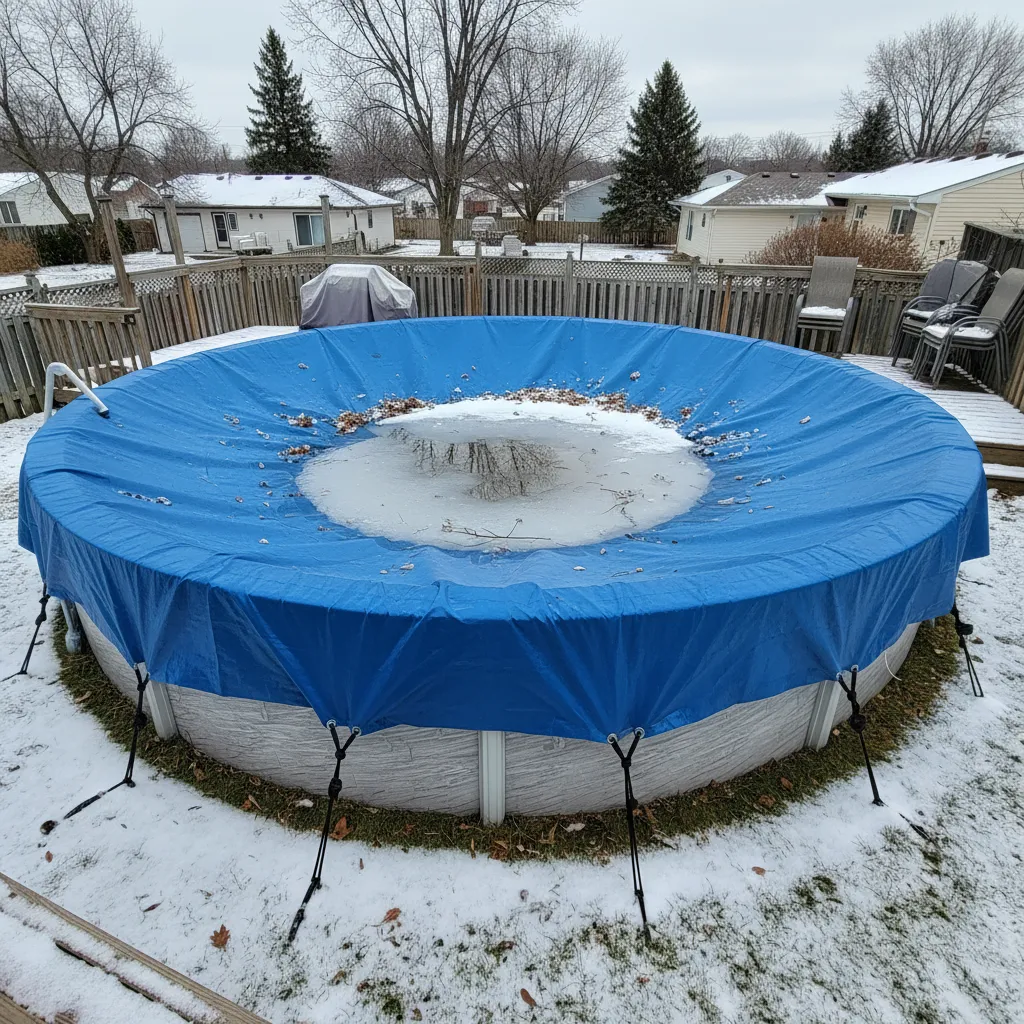
"Invest once to protect your liner and prevent a swamp in the spring."
Heavy-Duty Winter Pool Cover
Winter demand is high - check stock
How Septic Tanks Function
Septic systems process household waste through a tank and leach field. Solid waste settles in the tank while liquid effluent filters into perforated pipes buried in drain fields. These fields rely on soil absorption to purify wastewater. Heavy structures like pools compact soil, reducing its ability to absorb effluent. Chlorinated water entering drain lines kills beneficial bacteria needed for breaking down organic matter.
Key Components Of a Pool Setup
Pool installations involve excavation, plumbing, and drainage systems that risk intersecting with septic infrastructure. Inground pools require digging 8-10 feet deep, potentially damaging buried septic lines or tanks. Above-ground models exert 12-15 lbs per square foot of pressure, which can collapse aging tank walls. Proper drainage slopes (1-2% grade) must direct water away from leach fields to prevent oversaturation. Even minor leaks from pool equipment pads or backwash lines can flood drain fields, causing system failure.
Next, we’ll break down exact spacing rules to keep both systems functioning safely.
Pool Placement Near Septic Tanks: Rules and Distances
Proper placement is critical when installing a pool near a septic system. Maintaining safe distances protects both structures from physical damage and preserves soil integrity for wastewater treatment.
Minimum Distance Requirements
Most building codes mandate a 10-25 foot separation between pools and septic tanks, with larger buffers (25-50 feet) from leach fields (underground filtration areas). The International Residential Code (IRC) suggests 10 feet as a baseline, but local health departments often enforce stricter rules. Heavy equipment used during installation must stay at least 5 feet away from buried septic lines to prevent pipe collapse.
State-specific Guidelines (E.g., Georgia Regulations)
Georgia’s Department of Public Health requires pools to be 25 feet from septic tanks and 50 feet from drain fields. Some counties add extra layers: Cobb County demands soil percolation tests (measuring drainage rates) for pools within 30 feet of leach lines. Always verify zoning ordinances through municipal offices before breaking ground.
| Component | Georgia Distance Rule |
|---|---|
| Septic Tank | 25 feet |
| Leach Field | 50 feet |
Proximity to Leach Fields
Leach fields require oxygen-rich soil to break down wastewater contaminants. Pool decks or structures placed too close can compact soil, reducing airflow and causing system backups. Elevated chlorine levels from splash-out may also harm beneficial bacteria in drain fields. For fiberglass or concrete pools, maintain at least 25 feet of clearance to avoid disrupting this delicate ecosystem. When it comes to pool options, above ground pools can pose similar concerns. Many people wonder if these types of pools are considered trashy.
Inground Pools With Septic Systems
Installing an inground pool near septic infrastructure demands precise engineering. Even minor errors can destabilize soil or damage buried components.
Structural Risks and Soil Stability
Excavation alters groundwater flow patterns, potentially flooding septic tanks or saturating leach fields. A 15,000-gallon pool adds ~125,000 lbs of weight, which may shift soil layers and crack PVC pipes. Soil tests like shear vane analysis ($300-$500) determine load-bearing capacity, while percolation rates above 60 minutes per inch often disqualify sites near drain fields. Properly winterizing your pool is crucial to prevent damage during colder months. Using a pool winterization chemical calculator can help you determine the right balance of chemicals needed for your specific pool size.
Excavation Precautions
Use ground-penetrating radar ($1,000-$1,500) to map septic lines before digging. Hand-dig within 3 feet of marked utilities to avoid damaging tank lids or distribution boxes. For pools within 10 feet of tanks, install reinforced concrete barriers ($50-$100 per linear foot) between structures to prevent soil migration. Contractors should carry environmental liability insurance covering septic repairs ($5,000+ for leach field replacements).
While inground installations require careful planning, above-ground pools present their own set of considerations for homeowners with septic systems.
Also See: Does Copper Piping Affect Pool Water Chemistry or Algae Growth?
Above-ground Pools Over Septic Tanks
Installing a pool over a septic tank needs close checks. While above-ground pools seem less risky than in-ground builds, the tank and soil under it face stress. Work with pros to map drain fields and tank spots before any install. Additionally, keeping your above ground pool warm can enhance enjoyment during cooler months. There are various heating options available that can help maintain the perfect temperature for swimming.
Weight Distribution Concerns
A full above-ground pool adds 15-20 pounds per square foot. This weight can press on septic lines or tank lids. Soil under the pool may shift, causing pipes to crack or tanks to tilt. Keep pools 10+ feet from drain fields and tanks to stop soil from packing too tight. Use load pads or gravel beds to spread weight if spacing is tight. Pools come in different sizes, and knowing how much water they hold is important for maintenance. For example, a 21-foot round pool typically holds about 12,400 gallons of water.
Temporary Vs Permanent Installations
Pop-up pools used for weeks pose less risk than fixed setups. Still, even short-term use can harm tank lids if placed wrong. For pools up year-round, add a soil test to check if the ground holds up. Some towns need permits for pools near septic zones – always check local codes first.
Chlorine and Septic Systems: Safety Considerations
Pool chemicals can upset septic tank balance. High chlorine levels kill good bacteria that break down waste. A single pool backwash with 3-5 ppm chlorine can disrupt tank work for days. This is important when considering how chlorine interacts with other chemicals in the pool. The relationship between chlorine and cyanuric acid, for instance, can help maintain effective sanitation while minimizing negative effects on systems like septic tanks.
Chemical Impact on Wastewater Treatment
Septic tanks rely on live germs to treat home waste. Chlorine bleach, algaecides, or shock treatments that reach the tank lower germ counts by 60-70%. This slows waste breakdown, raising the chance of clogs or overflows. Use bromine (less harsh) or ozone systems to cut chemical use.
Safe Pool Maintenance Practices
Drain pool water away from septic zones – never toward drain fields. Let chlorine drop below 0.1 ppm before slow-draining to soil. Install a diverter valve to steer backwash to storm drains or non-septic land. Test tank pH monthly if pools sit within 20 feet of septic parts. Properly maintaining your pool’s chemical levels is important for its health. A swim shocked pool ensures that the water is clean and safe for relaxation and enjoyment.
Proper Pool Drainage With Septic Systems
Wrong drainage paths risk septic floods or pool contamination. Water must flow away from tank parts while keeping waste from seeping into pool zones.
Backflow Prevention Methods
Fit check valves on pool drain lines to stop sewage from flowing back during heavy rains. Air gaps (1-inch minimum) between pool pipes and home drains add extra safety. For pools near leach fields, use French drains lined with gravel to guide clean water off-site. Maintaining proper distance between the pool and your house is also important. This helps to prevent any potential water damage and ensures safety for everyone using the pool.
Groundwater Contamination Risks
Pool chemicals can leak into soil near septic tanks. Chloramine mixes (chlorine + ammonia) may form if waste and pool water meet. Test well water for nitrates if pools and septic share a yard. Sloped paving around tanks blocks surface runoff from reaching pool areas. It’s important to keep an eye on the overall cleanliness and balance of pool water. Regular maintenance can help extend the lifespan of a pool, ensuring it remains safe and enjoyable for longer.
With these steps in place, let’s look at long-term ways to protect both systems.
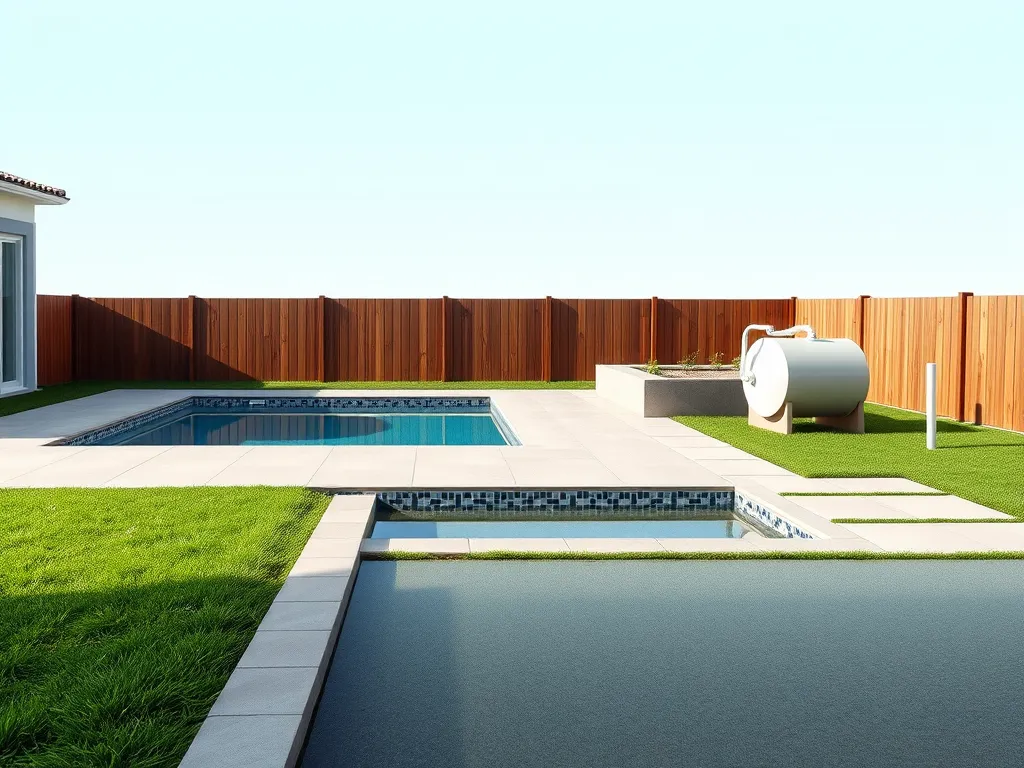
Mitigating Risks Of Pool-septic Coexistence
Balancing a pool installation with a functional septic system demands physical safeguards and vigilant observation. Both structural integrity and biological functionality must stay intact to avoid costly failures. Choosing the right pool pump size is also important for maintaining the pool’s water quality and efficiency. A proper guide to pool pump sizes can help ensure optimal performance and prevent any potential issues.
Concrete Barriers and Separation Techniques
Installing a physical boundary between your pool and septic components minimizes soil shifting risks. A 12-inch thick cast concrete wall spanning 6-8 ft in depth acts as a shield against lateral movement. This stops pool walls from applying hydrostatic pressure to buried septic pipes or tanks. For inground pools, compacting soil with 95% Proctor density within a 5-ft radius of septic infrastructure adds stability.
| Barrier Type | Material | Lifespan | Cost |
|---|---|---|---|
| Solid Wall | Cast Concrete | 25+ yrs | $80-$120/ft |
| Flexible Divider | HDPE Liner | 15 yrs | $40-$60/ft |
Monitoring for System Damage
Track signs of stress through monthly inspections. Soggy patches near drain fields, sulfur odors, or slow-flushing toilets hint at a compromised tank. High-tech options include fiber-optic cameras ($300-$500 per scan) to check for cracks in buried lines. For pools built within 15 ft of a tank, quarterly scum layer measurements by licensed pros ($150-$250/visit) confirm biological activity isn’t disrupted. Keeping your pool filter in good shape is just as important. The cost of a quality pool filter can vary widely, so it’s wise to budget for it accordingly.
Local Regulations and Permitting
Jurisdictional codes dictate where and how pools interact with wastewater systems. Skipping this step risks fines up to $5,000 or mandatory pool removal in states like Florida.
Zoning Laws and Permit Requirements
Most counties prohibit any permanent pool construction within 10-15 ft of active septic infrastructure. Georgia’s Department of Public Health, for instance, mandates a 15-ft gap from tank edges to pool walls. Zoning boards typically demand two permits: a standard building permit ($200-$800) and a specialty soil review ($350-$600) confirming load capacity.
Septic System Warranty Implications
Adding a pool might void tank warranties if installation violates original terms. Brands like Infiltrator Systems stipulate that any structure imposing >50 lbs/sq ft load on their chambers cancels coverage. Always submit pool plans to your tank’s manufacturer for approval—modifications like adding a gravel load bed (6-8 inch depth) can maintain warranty validity.
With rules clarified, common inquiries about long-term functionality arise naturally.
Frequently Asked Questions
Can You Build a Pool Over an Abandoned Septic Tank?
Building over abandoned septic tanks requires professional tank removal or proper decommissioning. Even inactive systems may have underground cavities that collapse under pool weight. Always hire licensed contractors to pump residual waste, crush/collapse the tank, and fill it with gravel or concrete before construction. Local codes often mandate soil testing to confirm structural stability.
Are Saltwater Pools Safer for Septic Systems Than Chlorinated Pools?
Saltwater pools generate chlorine through electrolysis, maintaining lower residual chlorine levels (1-3 ppm vs 3-5 ppm in traditional pools). While marginally less harmful to septic bacteria, saltwater backwash can corrode metal tank components and alter soil chemistry in leach fields. Use sacrificial anodes in tanks and limit drainage near septic zones. This brings up an important question about sanitation in these pools. Many people wonder if saltwater pools are a cleaner alternative compared to traditional chlorinated ones.
Winterization Concerns for Pool-septic Setups
Winterizing pools near septic systems demands careful water management. Avoid draining more than 1 inch of water daily to prevent oversaturating drain fields. Use submersible pumps to redirect deicing chemicals away from septic areas. Insulate above-ground pool pipes with foam sleeves to prevent freezing-induced shifts that could stress nearby buried tank lines. As you prepare for the colder months, it’s also important to think about proper winterization of your pool heater. Proper winterization of your pool heater will help extend its life and ensure it functions well when warm weather returns.
Closing Thoughts
Installing a pool with a septic system requires careful planning, but it’s achievable with the right precautions. Maintaining proper distances, understanding local regulations, and protecting your septic system from pool chemicals are critical steps. Always consult licensed professionals before breaking ground.
For precise calculations on pool maintenance, chemical dosing, or drainage solutions, explore My Pool Calculator. Our tools help simplify complex decisions when balancing pool enjoyment with septic safety.
With proactive measures—like concrete barriers, proper drainage, and regular inspections—you can enjoy your pool without compromising your septic system’s integrity.
Additional Resources for You:
- National Swimming Pool Foundation (NSPF) – Certification & Resources
- Do’s and Don’ts: Septic Tanks and Pools | Wind River Environmental
- Pools and Septic Systems – Advanced Septic Services
- Septic Systems and Pool Installations | Madison, CT
- Swimming Pools and Septic Tanks | Cartersville, GA
A pool care geek who’s been testing water chemistry since she was tall enough to reach the skimmer.
Drains & Skimmers, Main Drains, Plumbing System Care & Repair