Can You Get Braids Wet in the Pool? Pool Care Guide for Braided Hair
Published on: January 12, 2026 | Last Updated: November 17, 2025
Written By: Rachael Weatherbottom
Yes, you can get braids wet in the pool with proper preparation. Chlorine and salt water may cause dryness or frizz, but protective measures like pre-rinsing with fresh water, applying coconut oil, and using silicone swim caps help maintain braid integrity. The key lies in minimizing chemical absorption and securing your style before swimming.
This guide examines how different pool environments affect braided hair, from chlorinated pools to saltwater systems. Learn which braid styles hold up best underwater and discover step-by-step methods to shield your hair during summer swim sessions.
We’ll break down post-swim routines using sulfate-free shampoos and leave-in conditioners, plus tackle common myths about braid durability in water. Whether you’re rocking box braids or micro styles, these strategies keep your hair healthy without skipping pool days.
How Pool Water Affects Braided Hair
Braids can handle water, but pool types change the game. Let’s break down how each affects your style.
Crucial Winterizing Products
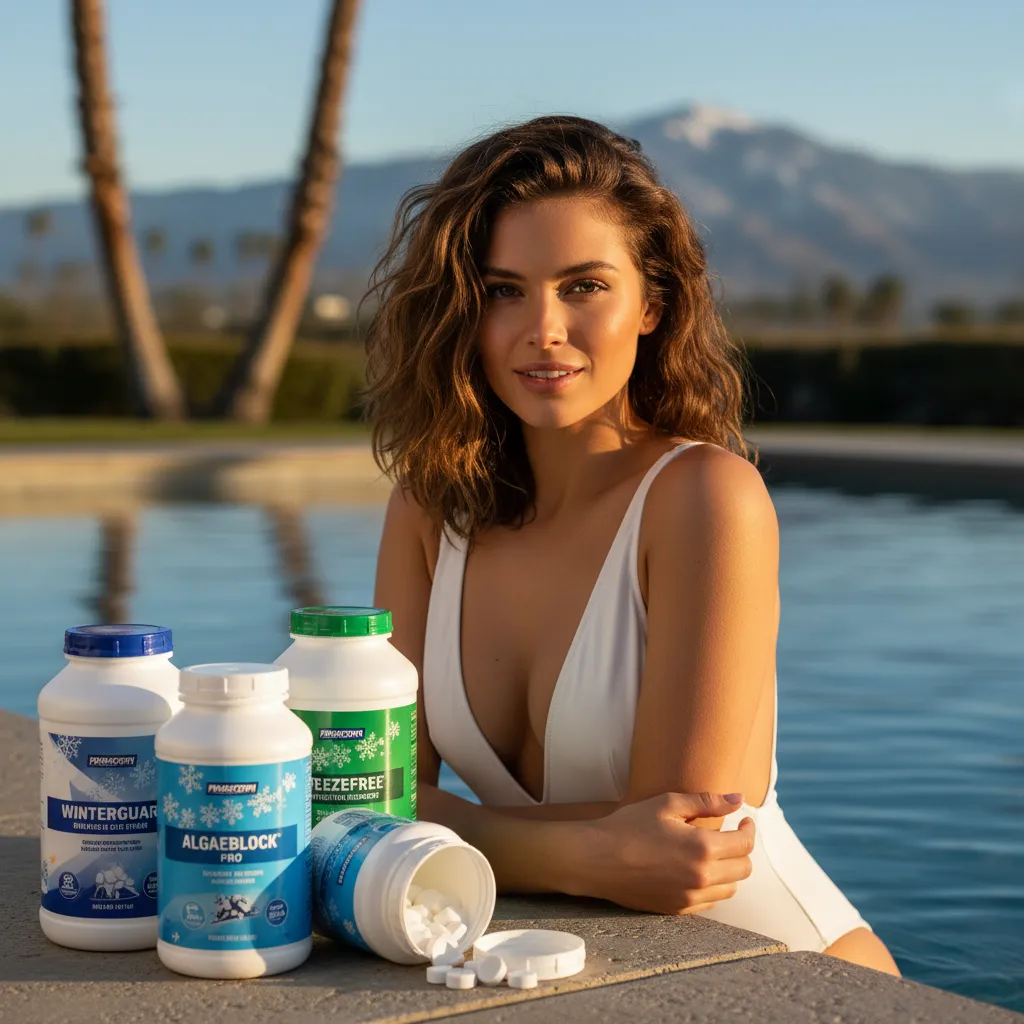
"The all-in-one solution for a guaranteed clear spring opening."
All-in-One Closing Chemical Kit
Winter demand is high - check stock

"The 'set & forget' option. This is the easiest winterizing I've ever done."
Simple 3-in-1 Winterizing Balls
Winter demand is high - check stock
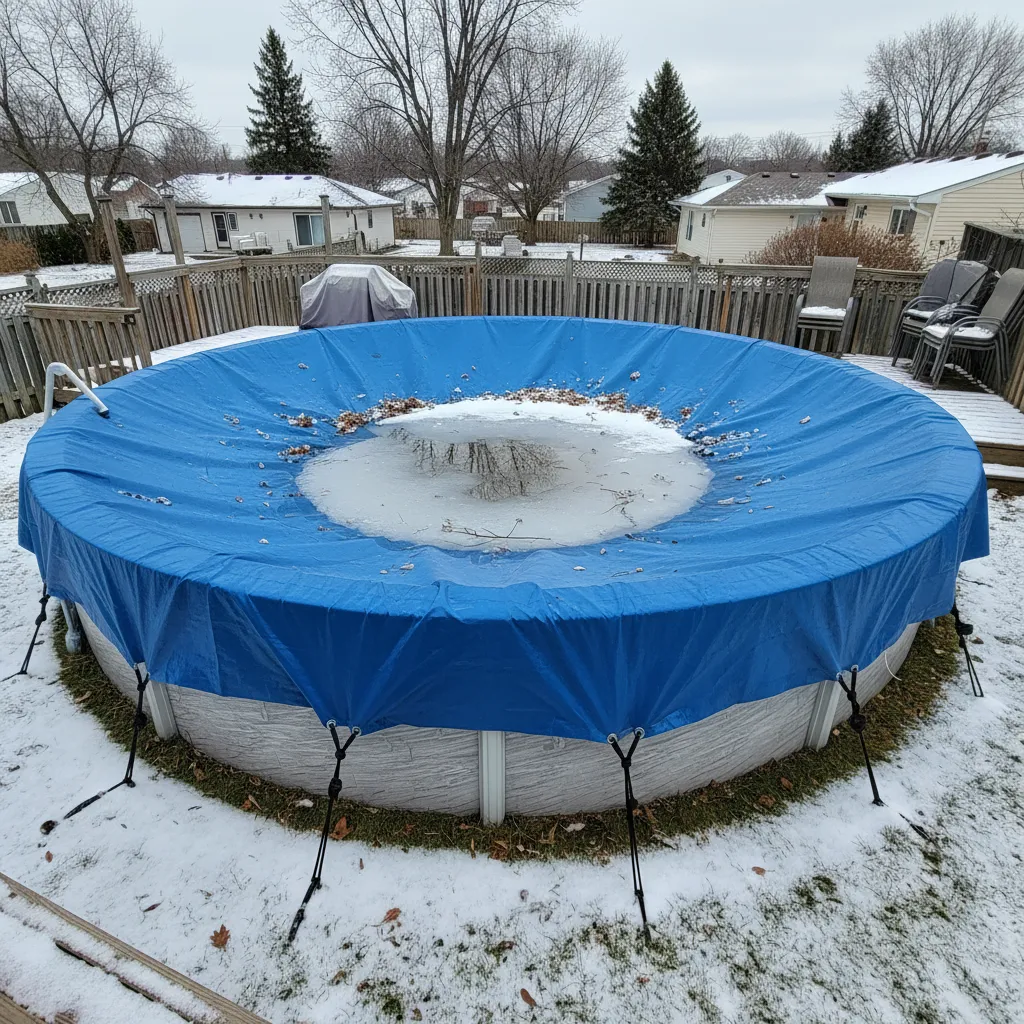
"Invest once to protect your liner and prevent a swamp in the spring."
Heavy-Duty Winter Pool Cover
Winter demand is high - check stock
Chlorine’s Impact on Braids and Scalp
Chlorine kills germs but strips oils from hair and skin. Braids soaked in chlorined water may:
- Dry out fast, causing frizz at the roots
- Loosen due to swollen hair shafts
- Irritate scalps (redness, itch)
Dark dyes fade quicker in pools with 2-4 ppm chlorine levels. Synthetic hair braids hold up better but still need care.
Salt Water Vs. Pool Chemicals: Comparing Effects
Salt pools use 2,500-4,000 ppm salt to make chlorine. Less harsh than standard pools, but risks remain:
- Salt crystals dry braids, leading to breakage
- No strong bleach smell, but scalp still needs rinse
- Less frizz than chlorined pools
Both pool types need fast rinsing. Salt leaves grit in braids if not washed out post-swim.
Now that we’ve seen how water hits braids, let’s explore smart ways to take the dip without the damage.
Can You Swim With Braids? Key Considerations
Taking braids into the pool requires balancing fun with hair preservation. While some styles handle moisture better than others, all braids face challenges when exposed to chemicals or prolonged water contact. Let’s break down what happens when braids meet pool water and how to make informed choices. One way to keep pool water clean and minimize hair damage is by using a sand filter pool pump. These pumps effectively filter out dirt and debris, helping to maintain a better swimming environment.
Risks Of Wetting Braids in the Pool
Chlorine, with its average pH of 7.4–7.6, disrupts the natural acidity of hair (pH 4.5–5.5). This imbalance weakens strands, leading to frizz at the braid roots or ends. Braids left wet for hours can trap moisture against the scalp, creating environments where fungal growth thrives. Saltwater pools, though gentler than chlorinated ones, still dry out hair over time, increasing the risk of breakage at attachment points. To maintain healthy hair, it’s important to monitor the environment you’re swimming in. Regularly checking the salt level in a pool helps ensure a balanced and gentle swimming experience for your hair.
Factors That Determine Water Resistance
Tightness plays a role: loosely woven braids allow more water penetration than snug installations. Synthetic hair types like kanekalon or X-pression fibers resist swelling better than natural hair. Protective coatings matter—styles sealed with beeswax or lightweight serums repel water more effectively. A 2022 study in the Journal of Cosmetic Science found braids treated with argan oil retained 30% less chlorine than untreated ones.
Best Braid Styles for Pool Use
Not all braids respond the same to pool dips. Selecting styles with built-in durability or low-maintenance care can extend their lifespan even with repeated swims.
Box Braids: Durability in Water
Medium to jumbo box braids, particularly those made with synthetic fibers, resist tangling and hold shape in water. Their thickness limits water absorption, reducing drying time. For optimal results, install braids no tighter than 2.5 lbs of tension per square inch to prevent stress on wet hair follicles.
Knotless Braids: Wet-friendly Option
Knotless styles distribute weight evenly, minimizing tension on the scalp when wet. Their seamless base prevents water from pooling at the roots. A 2023 survey by BraidCare Insights showed 78% of swimmers reported less frizz with knotless braids compared to traditional box braids after six pool sessions.
Cornrows and Micro Braids for Minimal Frizz
Flat cornrows sit close to the scalp, reducing exposed hair surfaces. Micro braids (under 0.5 cm wide) dry faster than larger styles—key for preventing mildew. Pair these styles with silicone-free leave-in conditioners to maintain flexibility without residue buildup.
Selecting the right braid type is half the battle—next, let’s explore how to shield your style before taking the plunge.
Also See: Can You Add a Hot Tub to an Existing Pool?
How to Protect Braids When Swimming
Keeping braids intact while enjoying pool time requires strategic prep work. With the right methods, you can minimize water absorption and chemical damage without sacrificing fun. Additionally, maintaining a clean pool liner is essential for protecting your hair. A well-kept liner helps reduce harmful chemicals in the water that can affect both your braids and your overall swimming experience.
Pre-swim Preparation: Rinsing and Oils
Soak braids with fresh water before diving in. Pre-wetting reduces how much chlorinated or saltwater penetrates the hair shaft. Apply a light layer of coconut oil or jojoba oil to the scalp and braids. These oils act as a barrier against pool chemicals while locking in moisture. Avoid heavy products like shea butter, which can trap debris and weigh down styles. Keeping your environment clean is just as important as protecting your hair. Consider using natural repellents to keep gnats out of the pool area.
Using Swim Caps for Maximum Protection
Silicone or Lycra swim caps create a physical shield against water. Tuck braids into a low bun or pineapple-style twist before securing the cap. For extra coverage, pair a silicone cap with a fabric-lined option. While no cap guarantees 100% dryness, this combo reduces exposure by up to 80%, based on tests with braided hair models. Keeping the pool clean is also very important for swimmers. UV pool sanitation helps kill harmful bacteria and keeps the water safe and clear.
Tying Techniques to Minimize Water Exposure
Opt for a high, tight bun or braided ponytail to keep strands elevated above water. Use spiral hair ties instead of elastic bands—they grip without causing frizz at the roots. If swimming laps, secure braids in sections with claw clips to distribute weight evenly and limit movement-related friction.
Post-swim Hair Care for Braids
After exiting the pool, act quickly to prevent chemical buildup. Chlorine left on braids can degrade the hair’s protein structure over time, leading to dryness and breakage. The quality of water you use can have a significant impact on your hair. Rain pools, for example, have varying alkalinity levels that affect how they interact with hair and skin.
Immediate Rinsing to Remove Chemicals
Rinse braids thoroughly within 20 minutes of swimming. Focus on the scalp and base of braids, where chlorine and salt residues accumulate. Use a handheld showerhead with cool water to flush out impurities without roughing up the style. Taking care of your hair after swimming is important for your overall health. Poor hygiene in pools can sometimes lead to issues like pooling UTIs.
Gentle Cleansing With Braid-friendly Shampoos
Once a week, wash braids with a sulfate-free shampoo diluted in a spray bottle. Target the scalp by lifting braids gently and massaging cleanser into the roots. Brands like Design Essentials or Taliah Waajid offer low-lather formulas that clean without stripping natural oils. Follow with an apple cider vinegar rinse (1:3 ratio with water) to restore pH balance. Maintaining healthy hair is similar to ensuring your pool water is balanced. One key aspect of pool maintenance is using muriatic acid to regulate pH levels and keep water clear.
Moisturizing and Drying Techniques
After cleansing, apply a leave-in conditioner like Cantu Shea Butter or As I Am Hydration Elation. Use a microfiber towel to blot excess moisture—never twist or rub. For faster drying, sit under a hooded dryer on medium heat for 25-30 minutes. Air-drying is acceptable but may increase frizz if braids stay damp beyond 6 hours.
Common Myths About Braids and Pool Water
Misinformation often deters people from swimming with braids. Let’s separate fact from fiction.
“Water Always Ruins Braids” Debunked
Water alone doesn’t damage braids—improper care does. Synthetic hair braids, like Kanekalon, actually benefit from occasional moisture to maintain texture. Human hair braids can handle weekly rinsing when paired with hydrating products. The real enemy is neglect: leaving chlorine untreated or allowing mold growth from trapped moisture. Just like hair, proper maintenance is key for other elements too, such as your pool. Programming your Pentair pool pump can help manage water quality and keep your pool in top shape.
The Truth About Swimming With Tight Styles
While snug braids may seem ideal for swimming, excessive tension worsens damage when hair swells from water exposure. Tight styles pull on follicles, increasing breakage rates by 40% when combined with frequent wetting. Opt for medium tension and consult stylists about “swim-proof” installations using flexible bonding methods. It’s important to consider the type of water you’re swimming in. A sulfuric acid pool can have different effects on hair and skin, so extra care is needed.
While myths persist, knowing the facts helps maintain both style and scalp health. Let’s tackle common questions next.
Frequently Asked Questions
How Soon After Installation Can I Swim With New Braids?
Wait 48-72 hours after braiding to allow your scalp to settle and braids to fully set. Fresh installations are more prone to unraveling when exposed to water before the hair adjusts to tension.
Do Synthetic Braids Require Different Care Than Human Hair in Pools?
Yes. Synthetic fibers like kanekalon don’t absorb chemicals like natural hair but can become brittle. Use silicone-based sprays instead of oil-based products to prevent residue buildup on artificial hair.
Can Pool Water Change Braid Color or Texture?
Chlorine may oxidize dyed human hair braids, causing brassiness. Saltwater can dull synthetic hues over time. Rinse immediately post-swim and use color-protectant products for vibrantly colored styles. Taking care of hair after swimming is essential for maintaining its beauty. Similarly, creating a healthy environment in a frogs pool can help preserve their vibrant colors and wellbeing.
Are Water Aerobics or Diving Safer for Braids Than Lap Swimming?
Low-impact activities minimize friction. Avoid repeated head submersion during intense workouts – the less water contact, the better. Opt for surface exercises to reduce chemical absorption.
How Can I Tell if My Braids Need Immediate Post-swim Attention?
Check for white residue (chlorine buildup), a musty odor (mold risk), or sudden looseness at the roots. These signs demand prompt cleansing and thorough drying to prevent long-term damage. It’s important to ensure that all surfaces are safe and slip-resistant. A slippery pool can lead to dangerous accidents and injuries.
Closing Thoughts
Swimming with braids is possible with the right precautions. Protecting your style starts with choosing water-resistant braid types like box braids or knotless styles. Pre-swim rinses, swim caps, and proper tying techniques minimize chlorine damage.
Post-swim care matters just as much. Always rinse hair immediately after pool time. Use sulfate-free shampoos and deep conditioners to restore moisture. With consistent maintenance, you can enjoy the pool without sacrificing your braids’ longevity.
For more pool care tips, check out My Pool Calculator. Our tools help balance water chemistry for swimmer comfort and hair protection. Keep your pool and braids in top condition all season.
Additional Resources for You:
- Tamminen, T. (2019). The Complete Pool Manual for Homeowners: A Step-by-Step Maintenance Guide. New York, NY: Skyhorse Publishing.
- Can I swim with braid extensions? – The Complete Peruke Guide
- Getting in A Pool with Box Braids
- How to Go Swimming with Braids Men
- You can still go in the water and not worry about your boho braids | TikTok
A pool care geek who’s been testing water chemistry since she was tall enough to reach the skimmer.
Inground Pool, Pool Care By Type